Essential Communication Skills for Career Success
Master the 7 critical communication skills needed to advance your career and build strong professional relationships.

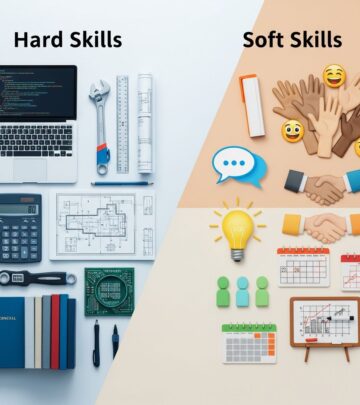
In today’s competitive job market, technical expertise alone is no longer sufficient for career advancement. Employers increasingly recognize that communication skills are just as vital—if not more so—than specialized knowledge. According to the Society for Human Resource Management, 97 percent of employers state that communication skills are either as important or more important than core technical competencies. Despite this reality, nearly half of new employees fail within their first 18 months, with 89 percent of those failures attributed to inadequate communication abilities.
Whether you’re climbing the corporate ladder, managing teams, or working as an independent professional, mastering communication skills can be the deciding factor between success and stagnation. This comprehensive guide explores the seven most critical communication skills you need to develop and provides actionable strategies to strengthen each one.
Why Communication Skills Matter in the Workplace
Communication skills have evolved from being a “nice-to-have” attribute to an absolute necessity in virtually every industry and role. The shift toward remote work, global teams, and digital-first workplaces has only intensified this demand. Research shows that 48 percent of accountancy job listings specifically mention excellent communication and listening skills as requirements, yet this trend extends across all professions.
The consequences of poor communication are significant. Accounting professionals and other team members with inadequate communication abilities can damage their firm’s reputation, lose valuable clients, and create workplace conflicts. Conversely, those with strong communication skills can transfer complex information clearly, build trust, influence decisions, and create a culture of collaboration and innovation.
The 7 Essential Communication Skills for Professional Success
1. Active Listening
Active listening consistently tops the list of critical communication skills for good reason. Before you can solve problems, understand client needs, or contribute meaningfully to discussions, you must first truly listen to what others are saying. Active listening goes beyond simply hearing words—it involves focused attention, comprehension, and genuine engagement with the speaker’s message.
To practice active listening effectively:
- Pay full attention to the speaker without distractions (silence your phone and minimize interruptions)
- Maintain eye contact and use positive body language to show genuine interest
- Ask clarifying questions to ensure you understand their perspective completely
- Paraphrase and summarize what you’ve heard to confirm understanding
- Respond thoughtfully rather than immediately with your own viewpoint
Active listening builds trust, prevents misunderstandings, and ensures you gather critical information that might otherwise be missed. In client-facing roles, this skill demonstrates respect and helps you identify the real problems that need solving.
2. Conciseness and Clarity
In a world drowning in information overload, the ability to communicate your message clearly and concisely is invaluable. Conciseness means delivering your message in as few words as possible without losing important details. Rambling, excessive speaking, and unnecessary jargon cause listeners to tune out and create confusion about your actual message.
Develop clarity and conciseness by:
- Getting to the point immediately—avoid lengthy introductions or tangents
- Eliminating filler words and phrases that add no value
- Using simple, accessible language even when discussing complex topics
- Breaking information into digestible chunks rather than overwhelming with data
- Creating brief summaries in reports, point-focused emails, and presentation slides with key messages
Professionals who can translate complex technical information into layman’s terms are particularly valued. Whether you’re explaining financial statements, project updates, or strategic initiatives, your ability to be both accurate and understandable directly impacts how others perceive your competence and professionalism.
3. Body Language and Nonverbal Communication
Research consistently shows that nonverbal communication often conveys more meaning than words alone. Your posture, facial expressions, eye contact, hand gestures, and tone of voice create a powerful communication channel that either reinforces or contradicts your verbal message. Mastering nonverbal communication gives you a competitive advantage in building credibility and trust.
Key elements of effective body language include:
- Eye contact: Maintain appropriate eye contact to show you’re focused and engaged, but avoid staring intensely as this can make others uncomfortable
- Posture: Keep a relaxed, open stance that appears approachable and confident rather than defensive or closed off
- Facial expressions: Ensure your expressions align with your message and show genuine interest in the conversation
- Hand gestures: Use purposeful gestures to emphasize points, but avoid excessive or distracting movements
- Tone of voice: Modulate your tone to convey confidence, warmth, and enthusiasm appropriate to the situation
When your nonverbal communication aligns with your words, people perceive you as authentic and trustworthy. This consistency helps you build stronger relationships and handle workplace challenges more effectively.
4. Confidence in Communication
Confidence is not about arrogance or dominance—it’s about believing in what you’re saying and delivering your message with conviction. Confident communicators maintain steady eye contact, speak with clear articulation, avoid hedging statements with qualifiers like “maybe” or “I think,” and project a calm, assured presence.
Build communication confidence through:
- Thorough preparation before important conversations or presentations
- Practicing your message until it becomes natural to deliver
- Maintaining good posture and relaxed body language
- Avoiding filler words and speaking at a measured pace
- Framing statements as definitive rather than tentative questions
Confident communicators inspire trust and respect. Your team and clients are more likely to follow your recommendations and take your ideas seriously when you present them with conviction rather than uncertainty. This skill is especially crucial for leadership positions where decisiveness and clarity are essential.
5. Open-Mindedness and Flexibility
Open-mindedness in communication means genuinely considering perspectives different from your own and adapting your communication style to resonate with diverse audiences. Flexible communicators tailor their approach based on the person they’re speaking with, the situation, and individual preferences. They understand that what works with one stakeholder may not work with another.
Demonstrate open-mindedness by:
- Actively seeking feedback from colleagues and being willing to adjust your approach
- Considering diverse viewpoints before forming conclusions
- Choosing communication channels appropriate for your message and audience (face-to-face, email, video call, instant messaging, etc.)
- Creating psychological safety where people feel comfortable sharing ideas without judgment
- Recognizing early signs of communication problems and adjusting before misunderstandings escalate
This adaptability strengthens business relationships with customers and partners while fostering a culture where innovation thrives. Teams led by open-minded communicators consistently report higher engagement and better problem-solving outcomes.
6. Persuasion and Influence
As a professional, you’ll frequently need to convince others of your ideas, recommendations, or viewpoints. Persuasion skills are critical for building trust, establishing solid relationships, and driving business results. Effective persuasion is not about manipulation—it’s about presenting compelling reasons why others should consider your perspective.
Strengthen your persuasion abilities by:
- Understanding your audience’s needs, values, and concerns before attempting persuasion
- Building credibility through demonstrated expertise and integrity
- Presenting evidence and data that support your position
- Addressing objections directly and honestly
- Connecting your proposal to the other person’s goals and interests
- Using collaborative language that invites partnership rather than demanding compliance
Professionals skilled in persuasion can influence organizational decisions, secure client commitments, and motivate teams to embrace change. Good leaders combine persuasion with strategic thinking to see the bigger picture and align others with a compelling vision.
7. Emotional Intelligence
Emotional intelligence (EI) is the ability to recognize, understand, and manage your own emotions while empathizing with and relating to the emotions of others. It’s measured through an emotional quotient (EQ) score and forms the foundation for meaningful, authentic communication. Professionals with high emotional intelligence navigate workplace conflicts more skillfully, build stronger relationships, and inspire greater loyalty.
Develop emotional intelligence by:
- Increasing awareness of your emotional triggers and patterns
- Practicing self-regulation when facing challenging situations
- Developing empathy by considering others’ perspectives and feelings
- Reading social cues and nonverbal signals to understand unspoken emotions
- Managing your responses to conflict with composure and fairness
High EI enables you to understand customer needs more deeply, handle team conflicts constructively, and create an environment where people feel valued and understood. This skill is particularly valuable in leadership roles where your emotional presence significantly impacts organizational culture.
Communication Skills Across Different Contexts
Professional Settings
In traditional office environments and client meetings, all seven communication skills work together to create a powerful impression. Your ability to listen actively, think critically about problems, and communicate solutions clearly determines your effectiveness and advancement potential. Whether presenting to executives or explaining concepts to junior staff, your communication approach must adapt to the audience while maintaining professionalism and clarity.
Remote and Digital Communication
Virtual communication removes many nonverbal cues, making written clarity and intentional communication even more critical. Email, video calls, and instant messaging require extra attention to tone (since sarcasm and humor often misfire) and clarity (since follow-up clarifications create delays). Successful remote communicators are particularly skilled at conciseness, choosing the right medium for their message, and being extra deliberate with their language.
Cross-Functional Collaboration
When working across departments or with people from different professional backgrounds, communication flexibility becomes essential. An engineer, marketer, and accountant may need different explanations of the same concept. Open-minded, emotionally intelligent communicators who can translate between disciplines become invaluable bridge-builders within organizations.
How to Develop and Improve Your Communication Skills
Communication mastery doesn’t develop overnight—it requires conscious practice and self-reflection. Here are evidence-based strategies for improvement:
- Seek feedback actively: Ask trusted colleagues, mentors, and supervisors for honest assessment of your communication strengths and areas for development
- Record yourself: Practice presentations or difficult conversations and review the recordings to identify habits (filler words, speaking pace, body language)
- Take communication courses: Invest in professional development through workshops, online courses, or coaching focused on specific skills
- Practice strategic questioning: Challenge yourself to ask more thoughtful questions that extract valuable information and encourage deeper dialogue
- Read widely: Expand your vocabulary and exposure to different communication styles through reading
- Observe great communicators: Study how exceptional speakers, leaders, and colleagues handle various communication scenarios
- Practice regularly: Look for daily opportunities to apply new communication techniques in low-stakes situations before deploying them in high-pressure contexts
Frequently Asked Questions About Communication Skills
Q: Can communication skills be learned, or are they innate talent?
A: While some people may have natural tendencies toward certain communication strengths, all communication skills can be learned and significantly improved through deliberate practice and feedback. Introverts and extroverts alike can develop excellent communication abilities by focusing on specific techniques and consistently applying them.
Q: How long does it take to improve communication skills?
A: Small improvements can happen within weeks of focused practice, but mastering communication skills typically requires months or years of consistent effort. The timeline depends on your starting point, the specific skills you’re developing, and how frequently you practice and apply new techniques.
Q: Which communication skill should I prioritize first?
A: Start with active listening and emotional intelligence, as these foundational skills improve your ability to learn and apply the other six skills more effectively. Once you listen well and understand others’ perspectives, your clarity, persuasion, and confidence naturally improve.
Q: How do I communicate effectively with someone who has a very different communication style than mine?
A: Practice flexibility and open-mindedness. Take time to understand their preferences—some people prefer detailed written communication, others prefer face-to-face discussion. Ask questions to clarify what works best for them and adjust your approach accordingly. This adaptation shows respect and significantly improves message comprehension.
Q: Are presentation skills essential for all careers?
A: While the formality may vary by role, the ability to present information clearly and engagingly benefits virtually all careers. Even if you’re not giving formal presentations, you’re regularly communicating information to stakeholders, clients, or team members. Strong presentation skills make you more persuasive and help others see you as a subject-matter expert.
Conclusion
The seven essential communication skills—active listening, conciseness, body language, confidence, open-mindedness, persuasion, and emotional intelligence—form the foundation for professional success and meaningful workplace relationships. Unlike technical skills that may become outdated, these fundamental human connection skills remain perpetually valuable across industries and career stages.
By intentionally developing these skills, you position yourself for promotion, expanded influence, and greater career satisfaction. The investment you make in improving your communication abilities today will compound throughout your career, opening doors that might otherwise remain closed and enabling you to make a more significant impact in your organization and beyond.
References
- 7 Communication Skills Every Accountant Must Have For Success — ClientHub. 2024. https://www.clienthub.app/blog/accounting-communication-skills
- 10 Must-Have Communication Skills for Business Success — Salesforce. 2024. https://www.salesforce.com/blog/10-communication-skills-for-business-success/
- Top Communication Skills for Success — Corporate Finance Institute. 2024. https://corporatefinanceinstitute.com/resources/management/communication/
- 11 Tips for Communicating Effectively With Employees — Indeed Career Advice. 2024. https://www.indeed.com/career-advice/career-development/communicating-effectively-with-employees
- Workplace Communication Skills Survey — Society for Human Resource Management (SHRM). 2023. Based on employer surveys indicating 97% of employers value communication skills equally or above technical competencies.
Similar Articles








Read full bio of Sneha Tete