Essential Checking Account Features You Need
Master the key features that make checking accounts work for your financial life.
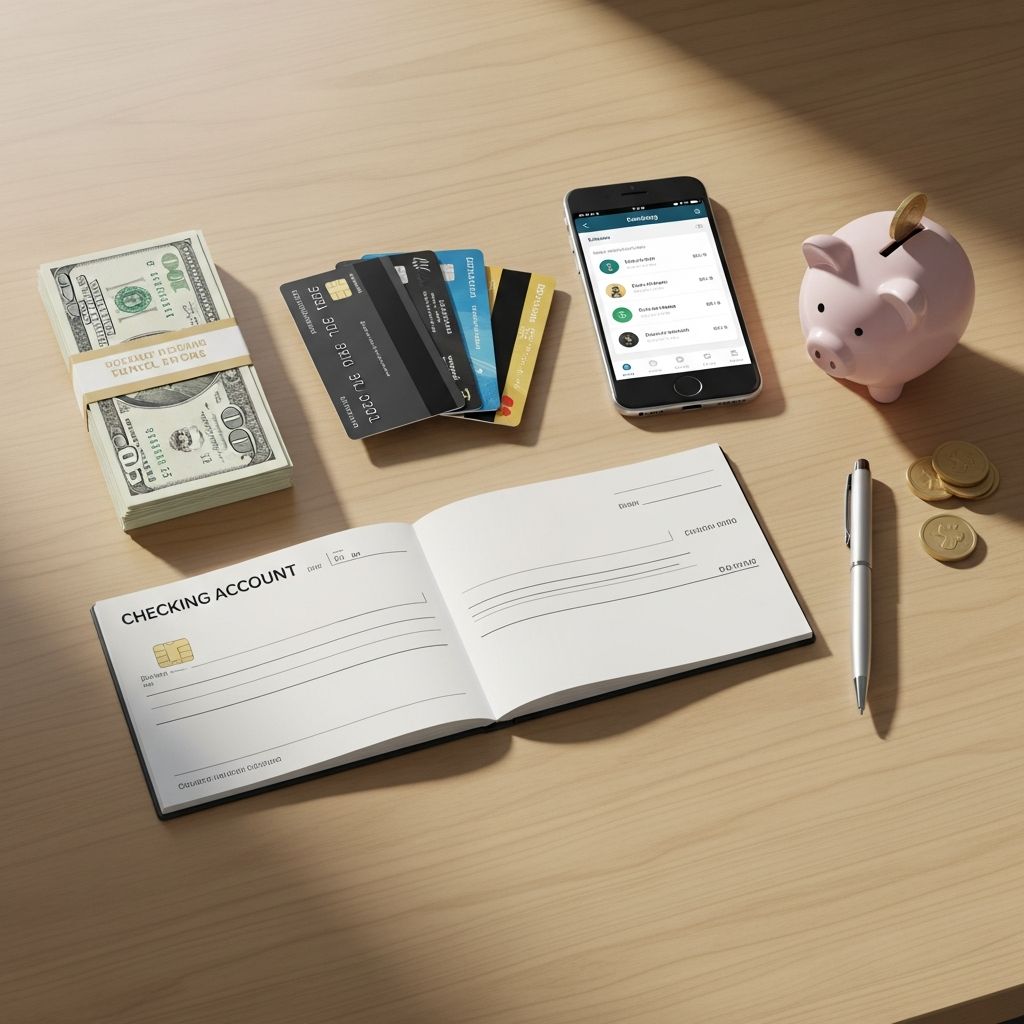
A checking account is one of the most fundamental financial tools available to consumers, yet many people use them without fully understanding the features and capabilities at their disposal. Whether you’re opening your first account or looking to optimize an existing one, knowing what features matter most can significantly impact your financial convenience and security. This guide explores the critical components of modern checking accounts and how they can serve your banking needs.
The Foundation: Understanding What Direct Deposit Offers
Direct deposit represents one of the most valuable features available through checking accounts. Rather than waiting for a physical paycheck or needing to visit a bank branch to deposit funds, direct deposit allows your employer to transfer your salary automatically into your account each pay period. This automated process eliminates several inconveniences associated with traditional check deposits.
The advantages extend beyond mere convenience. Many financial institutions now offer early direct deposit, which can make your paycheck available up to two business days before the official payday. This feature proves particularly valuable for those living paycheck to paycheck or managing tight monthly budgets. Additionally, direct deposit provides documentation of income and ensures your funds are safely transferred without the risk of losing a physical check or dealing with fraud-related issues.
Beyond payroll, direct deposit works for other income sources as well, including government benefits, tax refunds, and regular payments from other sources. Setting up direct deposit typically requires providing your employer or benefit administrator with your account and routing numbers—information you can find on your checks or through your bank’s website or mobile app.
Digital Banking: Mobile and Online Access for 24/7 Management
Contemporary checking accounts must include robust digital banking capabilities that allow you to manage your money anytime, anywhere. Mobile apps and online platforms have become essential rather than optional, particularly as consumers increasingly prefer managing finances on their own schedules rather than during traditional banking hours.
A quality mobile or online banking platform should provide several core functionalities:
- Real-time balance inquiries and transaction history viewing
- Bill payment capabilities with scheduling options
- Mobile check deposit features allowing you to photograph and submit checks remotely
- Account transfers between your own accounts or to external institutions
- Account alerts and notifications for suspicious activity or low balances
- Peer-to-peer money transfer services through platforms like Zelle
The quality of these digital experiences varies significantly between institutions. Some banks invest heavily in user-friendly interfaces with intuitive navigation, while others provide more basic functionality. Before selecting a checking account, review the mobile app and online platform to ensure they match your preferences and technical comfort level.
Your Debit Card: More Than Just a Payment Tool
The debit card that accompanies most checking accounts serves as your primary tool for accessing and spending the funds in your account. Understanding how your debit card works and what protections it offers is essential for safe and effective financial management.
Debit cards function similarly to credit cards in terms of usage—you can make purchases at retailers, withdraw cash from ATMs, and conduct transactions online. However, the fundamental difference lies in the funding source: debit card purchases draw directly from your checking account balance rather than borrowing against a credit limit. This direct relationship means you can only spend money you already have.
Several important considerations apply to debit cards:
- Fraud protection policies vary by institution; federal law provides some protections, but coverage limits and timeframes differ
- Some checking accounts offer rewards or cash back on debit card purchases, though these typically require specific conditions such as minimum direct deposits
- Debit cards provide a safer alternative to carrying large amounts of cash, reducing theft and loss risks
- Global ATM network access through your debit card allows cash withdrawals in numerous locations
ATM Networks and Fee Reimbursement Strategies
Access to convenient ATM networks represents a crucial feature that varies dramatically between checking account providers. Banks offer different approaches to ATM accessibility, which can significantly affect your banking experience and costs.
Some institutions provide access to their own extensive branch and ATM network at no cost, while others partner with larger networks to expand accessibility. For instance, certain checking accounts provide access to networks containing thousands of ATMs nationwide. Alternative approaches include ATM fee reimbursement programs, where the bank refunds charges incurred when using out-of-network ATMs, up to specified monthly limits and frequencies.
When evaluating a checking account, consider your ATM usage patterns. If you frequently need cash, prioritize accounts with extensive free ATM networks or generous reimbursement policies. The difference can add up significantly over time—even modest ATM fees of $2-3 per transaction can total substantial amounts for frequent users.
Building Security and Peace of Mind Through Protections
Checking accounts provide multiple layers of security that protect your money from various risks. Understanding these protections helps you appreciate the safety advantages of using formal banking institutions rather than keeping cash at home.
FDIC Insurance represents the primary protection for deposits held at qualifying banks. This federal insurance automatically covers your deposits up to $250,000 per account holder at each insured institution, requiring no action on your part. This protection guards against bank failure or closure, ensuring your money remains safe even in worst-case scenarios. Credit unions offer similar protection through NCUA insurance.
Beyond deposit insurance, checking accounts typically include fraud protection mechanisms that monitor accounts for suspicious activity and alert customers to unusual transactions. Many institutions offer account alerts that notify you of significant withdrawals, failed login attempts, or other potentially concerning activity.
The reduced need to carry cash provides another security advantage. Storing substantial sums at home exposes your money to theft, fire, water damage, and other physical hazards that banking institutions are specifically equipped to prevent.
Account Transfers and Movement of Funds
Modern checking accounts enable seamless fund transfers both within your own accounts and to external recipients. These capabilities have become increasingly important as consumers manage multiple accounts across different institutions.
Transfer options typically include:
- Transfers between your own checking and savings accounts at the same institution
- External transfers to accounts at other banks or credit unions
- Peer-to-peer transfers to friends and family members using services like Zelle, Venmo, or similar platforms
- Bill pay services that schedule automatic transfers to service providers or creditors
The speed of these transfers varies. Internal transfers between accounts at the same institution typically occur instantly or within one business day. External transfers to other institutions may require 1-3 business days for completion due to processing requirements. Understanding these timelines helps you plan finances effectively and avoid unnecessary delays.
The Role of Check Writing in Modern Banking
While digital payment methods have grown increasingly prevalent, check writing capabilities remain relevant for many consumers and transactions. Checking accounts typically include access to paper checks, representing a backup payment method for situations where digital payments prove impractical or unavailable.
Checks serve important purposes in contexts including rent or mortgage payments, large purchases where the recipient requires documentation of payment, and situations involving recipients without digital payment infrastructure. The account name, number, and routing information printed on your checks enable recipients to deposit funds and facilitate record-keeping for both parties.
Automatic Payments: Streamline Recurring Bills
Setting up automatic payments through your checking account automates the process of paying regular bills and obligations. Rather than manually making payments each month, you can schedule recurring transfers to cover utilities, insurance, loan payments, subscriptions, and other fixed expenses.
Automatic payments provide several advantages:
- Eliminate the risk of missed or late payments that damage credit scores
- Reduce the time and effort required for bill management
- Allow you to schedule payments for the optimal dates based on income timing
- Create an auditable payment history for your records
Setting up automatic payments typically requires providing payment information to either your biller directly (offering automatic withdrawal from your account) or through your bank’s bill pay service. Most institutions make these setups straightforward through mobile apps or online banking platforms.
Account Management Best Practices
Successfully leveraging checking account features requires developing good account management habits. Several practices help you maximize the benefits while minimizing risks:
- Monitor your account regularly through mobile or online banking to catch fraudulent transactions quickly
- Set up account alerts for transactions above specified thresholds or for unusual activity patterns
- Keep your contact information current with your bank to receive important notifications
- Protect your account credentials and PIN numbers with the same care you would physical cash
- Understand your bank’s overdraft policies and consider available overdraft protection options
- Review your account statements monthly to verify all transactions and identify any errors
Comparing Account Features Across Institutions
Checking accounts vary significantly between banks and credit unions, with different institutions emphasizing different features. Some prioritize extensive ATM networks and in-person service, while others focus on competitive interest rates or robust digital experiences. The optimal account depends on your specific needs and banking habits.
| Feature Category | Traditional Banks | Online Banks |
|---|---|---|
| In-person Service | Multiple branch locations | Phone and chat support only |
| Mobile Apps | Usually strong but variable | Typically highly rated |
| ATM Networks | Own extensive network plus partnerships | Partnership networks or reimbursement |
| Interest Rates | Generally minimal | Occasionally competitive rates |
| Account Fees | Often monthly fees unless conditions met | Frequently no monthly fees |
Special Features and Incentive Programs
Many checking accounts now include additional features designed to enhance their value. Some institutions offer cash back on debit card purchases at specified merchants, though these typically require maintaining minimum direct deposits. Others provide benefits like early direct deposit, spending insights, roundup savings programs that automatically transfer spare change to savings, or partnerships offering discounts with particular retailers.
Certain premium checking accounts marketed toward customers with higher balances or income levels may include additional perks such as higher interest rates, waived fees across other account types, or access to specialized financial advisory services. Evaluating whether these premium features justify any associated costs requires honest assessment of whether you’ll actually use and benefit from them.
Interest-Earning Potential
While most checking accounts earn minimal or no interest, some institutions offer competitive rates that actually make checking accounts viable for earning returns on your money. A small percentage of accounts—typically those offered by online banks or credit unions—may earn APY (annual percentage yield) ranging from 0.10% to over 5%, depending on the institution and account balance requirements.
For consumers maintaining substantial checking account balances, even modest interest rates can generate meaningful returns. However, most people should still maintain separate high-yield savings accounts for money not needed immediately, as these typically offer significantly higher rates than checking accounts.
Frequently Asked Questions
What is the most important feature of a checking account?
Direct deposit functionality stands out as arguably the most valuable feature for most consumers, providing convenient, secure, and efficient paycheck deposits. However, the most important feature ultimately depends on your specific banking needs and habits.
Can I earn significant interest in a checking account?
Most checking accounts earn minimal interest, though some specialized accounts may offer rates of 1-5% APY. For significant interest earnings, high-yield savings accounts typically provide better returns.
What protections do checking accounts offer?
FDIC or NCUA insurance protects deposits up to $250,000, fraud monitoring systems detect suspicious activity, and debit card protections provide recourse for unauthorized transactions.
How do I choose between banks for checking?
Consider your priorities: ATM convenience, digital experience quality, service preferences, fees, interest rates, and special features. Test the mobile app and evaluate whether the institution meets your specific needs.
Are paper checks still necessary?
While digital payments dominate, checks remain useful for certain situations including rent, large purchases, and situations where recipients lack digital payment capabilities.
Conclusion: Maximizing Your Checking Account Value
A well-selected checking account with features aligned to your financial habits provides the foundation for effective money management. By understanding direct deposit capabilities, leveraging digital banking tools, protecting yourself through available security measures, and exploring value-added features, you can maximize the benefits your checking account provides. Regular monitoring, smart account management practices, and periodic reassessment of whether your current account continues meeting your needs ensure you maintain an optimal banking relationship over time.
References
- Best checking accounts for February 2026 — Fortune. 2026. https://fortune.com/article/best-checking-accounts/
- Best Checking Accounts Of February 2026 — Bankrate. 2026. https://www.bankrate.com/banking/checking/best-checking-accounts/
- Types of Checking Accounts and Their Benefits — Chase Bank. https://www.chase.com/personal/banking/education/basics/checking-account-benefits
- 9 Best Checking Accounts for February 2026 — NerdWallet. 2026. https://www.nerdwallet.com/banking/best/checking-accounts
- 8 Checking Account Features & Tips – Better Money Habits — Bank of America. https://bettermoneyhabits.bankofamerica.com/en/personal-banking/checking-account-information
- What to Look for in a Checking Account in 2026 — iTHINK Financial. 2025-12-04. https://www.ithinkfi.org/blog/blog-detail/ithink-blog/2025/12/04/what-to-look-for-in-a-checking-account-in-2026–a-complete-guide-to-features-and-benefits
Similar Articles








Read full bio of Sneha Tete