Car Tire Care: Complete Guide For Safer, Longer-Lasting Tires
Master tire maintenance basics to boost safety, efficiency, and longevity on every drive.
Your vehicle’s tires form the critical connection between the road and your car, influencing everything from handling and braking to fuel consumption and overall safety. Proper tire maintenance extends their usability, reduces operational costs, and prevents hazardous situations. This guide outlines practical steps for everyday tire upkeep, drawing from established automotive standards to help drivers maintain peak performance.
Understanding Tire Fundamentals
Tires endure constant stress from weight, friction, and environmental factors. They support the vehicle’s load while providing grip for acceleration, turning, and stopping. Key components include the tread, which channels water away to prevent slipping; sidewalls that absorb shocks; and the bead, which secures the tire to the rim. Recognizing these elements aids in effective monitoring.
Regular attention to tires correlates with fewer accidents and better economy. For instance, correctly inflated tires improve mileage by up to 3%, according to federal safety data. Neglect, however, accelerates wear and compromises control, especially in adverse weather.
Mastering Tire Pressure Management
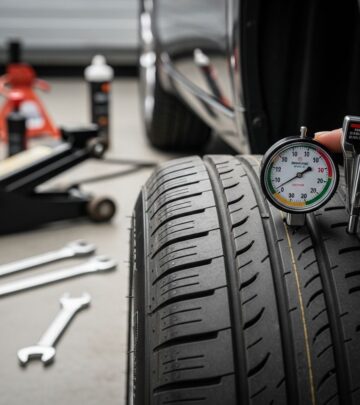
Maintaining optimal pressure stands as the cornerstone of tire care. Underinflated tires flex excessively, generating heat that risks blowouts and slashes efficiency. Overinflation reduces the contact patch, leading to erratic handling and quicker center-tread erosion.
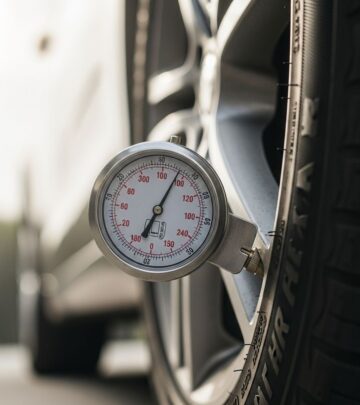
Consult your owner’s manual or door jamb sticker for precise PSI values, typically ranging from 30-35 for passenger cars. Measure when tires are cold, ideally monthly or prior to extended journeys. Use a digital or analog gauge for accuracy—insert firmly into the valve stem, note the reading, then adjust with an air compressor.
- Park on a level surface and remove valve caps.
- Press gauge; listen for a hiss indicating air escape.
- Add air in short bursts, rechecking frequently.
- Deflate excess by pressing the valve core if needed.
- Secure caps to block contaminants.
Seasonal shifts matter: pressure drops about 1 PSI per 10°F decline. In winter, frequent checks mitigate this; summer heat demands monitoring to avoid overpressure.
Evaluating Tread Depth and Wear Patterns
Tread depth dictates traction, particularly on slick surfaces. U.S. law mandates at least 2/32 inch across the central three-quarters of the tread. Beyond visuals, use the penny test: insert Lincoln-side-down into grooves—if the top shows, replace immediately.
Inspect for uneven wear: inner/outer edges signal alignment issues; cupping indicates balance problems; one-sided wear suggests rotation neglect. Sidewalls demand scrutiny for cracks, bulges, or cuts exceeding 1/16 inch, as these herald structural failure.
| Wear Pattern | Cause | Solution |
|---|---|---|
| Center wear | Overinflation | Reduce pressure |
| Edge wear | Underinflation/alignment | Inflate & align |
| Cupping | Imbalance/suspension | Balance wheels |
| One shoulder | Rotation overdue | Rotate tires |
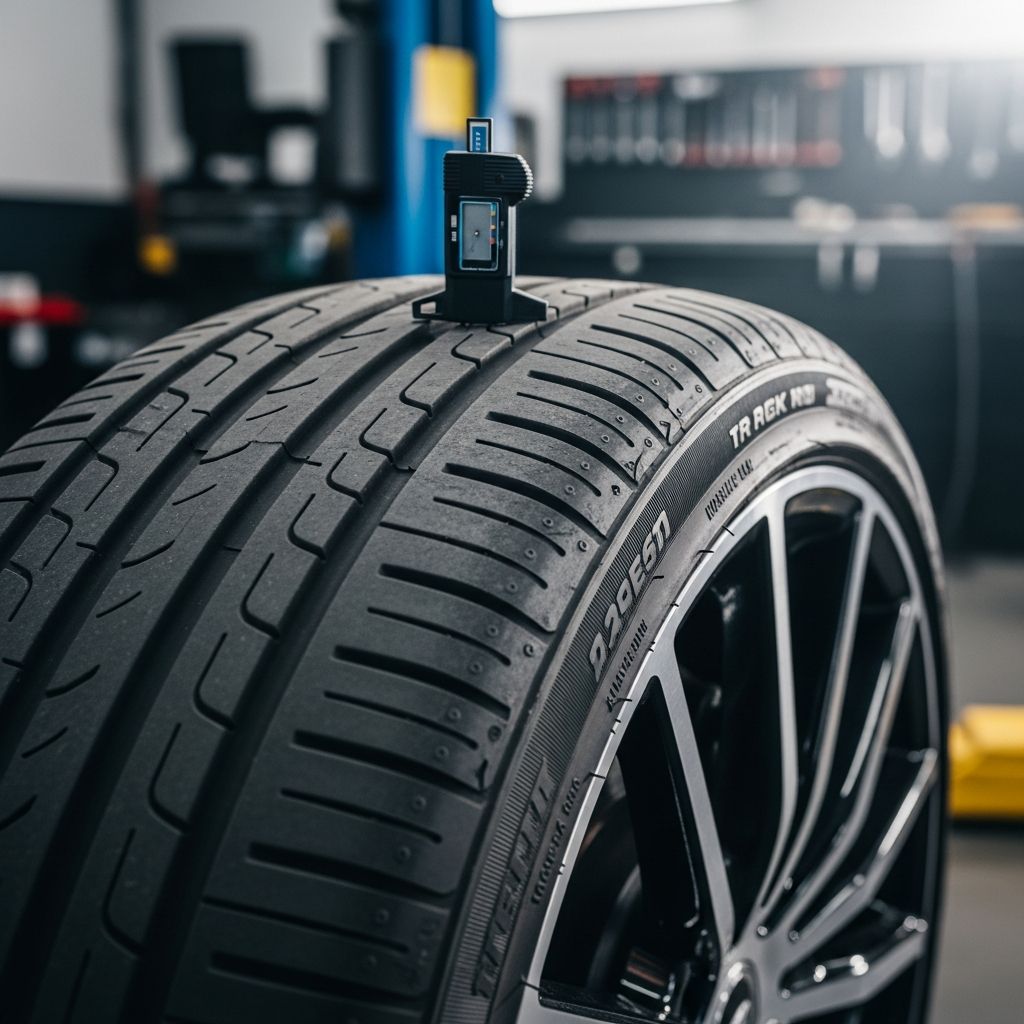
Employ a tread gauge for precision, probing multiple grooves circumferentially. Built-in wear bars rise when depth hits limits—visible alignment means replacement time.
Implementing Regular Tire Rotations
Rotation redistributes wear from front-heavy braking and steering loads. Without it, fronts degrade 20-30% faster. Manufacturers advise every 5,000-8,000 miles, or six months.
Patterns vary: front-wheel-drive uses rearward cross; rear-wheel-drive crosses fronts/rears. DIY capable drivers follow diagrams, but professionals ensure precision.
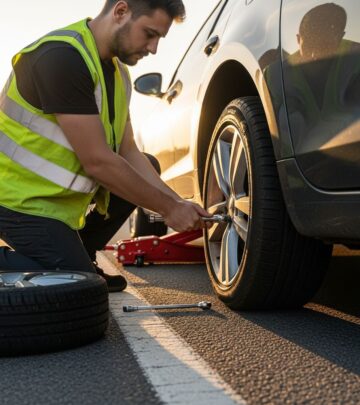
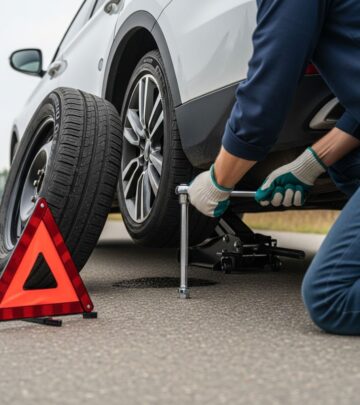
- Loosen lug nuts before lifting.
- Jack vehicle securely.
- Swap per pattern (e.g., LF to RR).
- Torque lugs to spec post-rotation.
Combine with alignments: toe/camber/caster deviations cause pulling or feathering. Signs include steering wheel off-center or vibration.
Balancing and Alignment Essentials
Unbalanced tires vibrate above 50 mph, stressing suspension and hastening wear. Balancing adds small weights to even mass distribution—mandatory post-replacement.
Alignment ensures wheels track parallel and perpendicular to the road. Curb strikes or potholes misalign, inflating rolling resistance. Annual checks or after impacts preserve even wear and straight-line stability.
Seasonal and Environmental Adjustments
Climate alters tire demands. Winter mandates specialized rubber staying pliable below 45°F; all-seasons suffice mildly but falter in deep snow. Swap by November, store off-season on racks.
Heat swells pressure—recheck post-parking in sun. Rain erodes tread faster; gravel/abrasives chew sidewalls. Potholes demand post-hit inspections.
- Winter: Switch tires, verify chains if legal.
- Summer: Monitor heat-induced pressure.
- Spare: Inflate/maintain quarterly; rotate into service yearly.
Valve Stems, Caps, and TPMS Care
Valve cores seal air; rubber stems age, leaking slowly. Torque to spec or replace every 5-7 years. Caps shield from dirt/moisture, vital for TPMS sensors alerting low pressure.
Monitor dashboard warnings; false alerts stem from dead batteries (5-10 year lifespan). Professional resets post-inflation.
Prolonging Tire Lifespan Holistically
Avoid overloads—placard lists max; excess bows sidewalls. Smooth driving curbs scrubbing: gradual acceleration, wide turns, pothole evasion.
Garage storage prevents ozone/UV degradation. Age matters: rubber hardens post-6 years regardless of tread, risking cracks.
When to Replace Tires
Replace at 4/32 inch for safety margin, fully at 2/32. Dry rot, bulges, or vibrations warrant immediate action. Match size/speed rating from sidewall (e.g., P225/60R16 97H).
Budget $500-800/set; shop sales but prioritize quality. Pros mount/balance/align during install.
Frequently Asked Questions
How often should I check tire pressure?
Monthly, before trips, and after temperature swings. Cold checks yield accuracy.
What’s the penny test?
Penny in tread, Lincoln down—if head visible, depth under 2/32 inch; replace.
Can I rotate tires myself?
Yes, with jack/tools and pattern knowledge; otherwise, visit a shop.
Do all-season tires work in snow?
Moderately; dedicated winters excel in severe conditions.
How long do tires last?
40,000-60,000 miles with care; 6 years max by age.
Daily Habits for Tire Health
Incorporate checks into routines: fuel stops for pressure visuals, washes for debris removal. Track mileage for rotations via odometer photos. Informed drivers avert 90% of tire failures through vigilance.
References
- Tire Safety and Maintenance — AAA Exchange. 2023. https://exchange.aaa.com/automotive/car-care-repair-and-maintenance/tire-safety-and-maintenance/
- Tire Safety Ratings and Awareness | TireWise — NHTSA. 2025-02-01. https://www.nhtsa.gov/vehicle-safety/tires
- The Ultimate Car Maintenance Checklist — Bridgestone Tires. 2024. https://tires.bridgestone.com/en-us/learn/tire-maintenance/ultimate-car-maintenance-checklist
- Routine Tire Care Tips — Michelin. 2024. https://www.michelinman.com/auto/auto-tips-and-advice/tire-maintenance/routine-tire-care-tips
- Tire Care & Safety — USTMA. 2025. https://www.ustires.org/tire-care-safety
Similar Articles








Read full bio of medha deb