Car Maintenance Guide: Essential Schedule And Pro Tips
Master vehicle upkeep with our detailed schedule to boost longevity, safety, and performance on every drive.
Proper vehicle care is crucial for safety, efficiency, and longevity. Regular upkeep prevents breakdowns, improves fuel economy, and maintains resale value. This guide outlines a practical schedule based on time and mileage intervals, drawing from manufacturer recommendations and expert advice.
Why Routine Maintenance Matters
Neglecting basic services leads to costly repairs. For instance, timely fluid checks avoid engine damage, while tire rotations ensure even wear. Following your owner’s manual maximizes performance and warranty coverage. Consistent habits also enhance road safety by keeping critical systems like brakes and lights operational.
Monthly and Pre-Trip Inspections
Perform these quick checks every 30 days or before long journeys to catch issues early. Focus on fluids and visible components when the engine is cool.
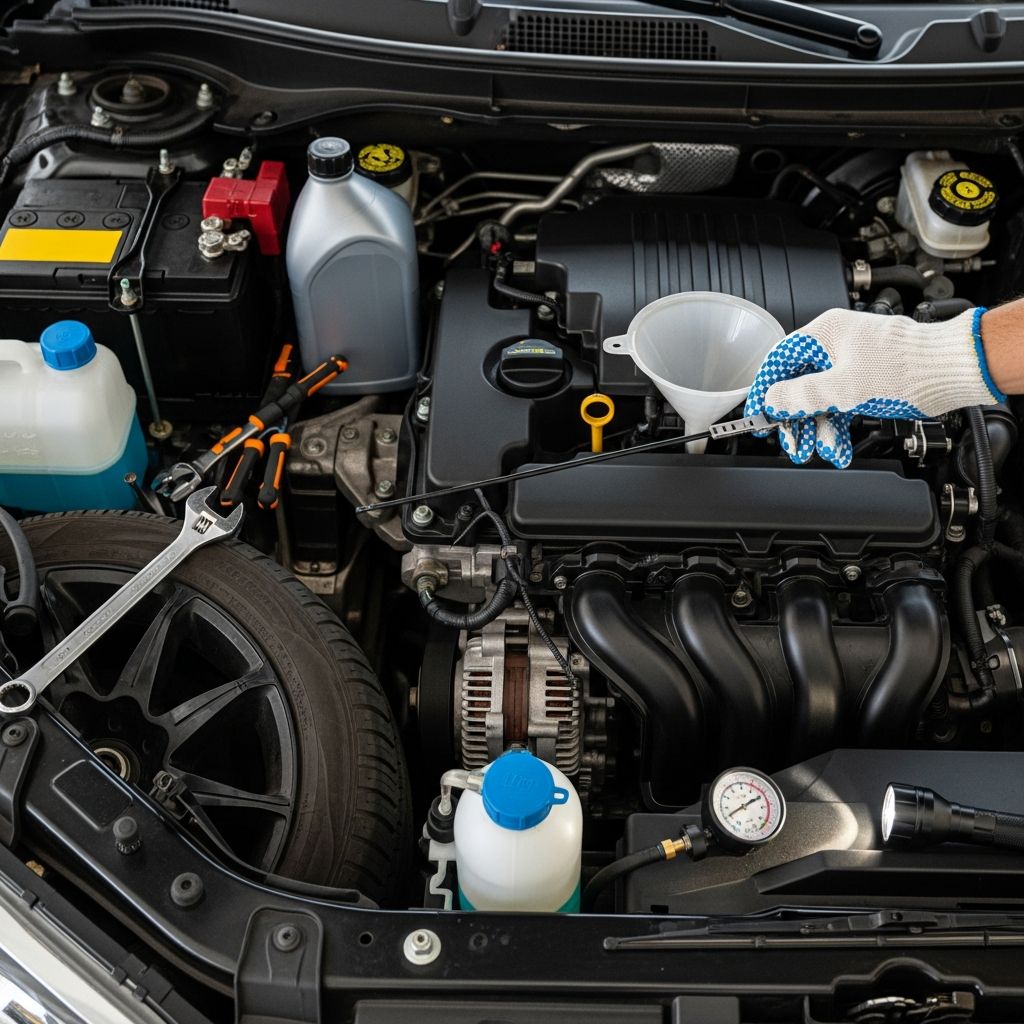
- Oil level: Use the dipstick to verify adequate lubrication; top up if low to prevent engine wear.
- Coolant: Ensure the reservoir is filled to the marked line; low levels risk overheating.
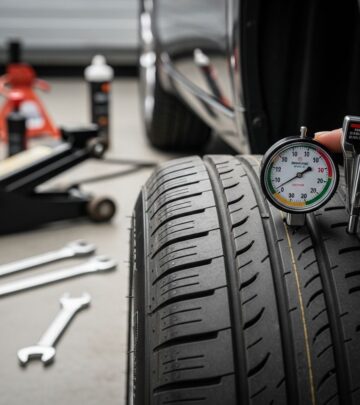
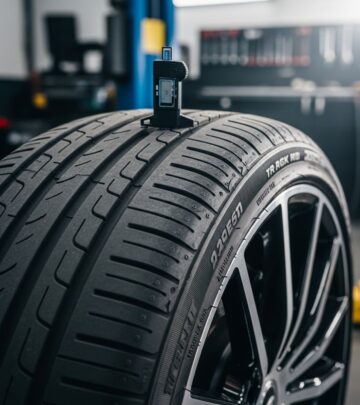
- Tires: Measure tread depth (at least 2/32 inch) and check pressure per door sticker specs.
- Lights and wipers: Test headlights, taillights, signals, and blades for clear visibility.
These steps take under 15 minutes but avert major problems.
Quarterly Checks: Every 3 Months or 3,000 Miles
Quarterly reviews target under-hood essentials to maintain reliability.
| Component | Action | Why It Matters |
|---|---|---|
| Battery & Cables | Inspect for corrosion, secure mounts, tight connections | Prevents starting failures; batteries last 3-6 years |
| Belts & Hoses | Check for cracks, frays, leaks; replace if damaged | Avoids breakdowns from slippage or bursts |
| Power Steering Fluid | Verify level when warm; inspect for leaks | Ensures smooth steering control |
| Wiper Blades | Replace if streaking or worn | Maintains visibility in bad weather |
Address any anomalies immediately to sidestep escalation.
Semi-Annual Services: Every 6 Months or 6,000 Miles
These mid-year tasks promote even wear and protection.
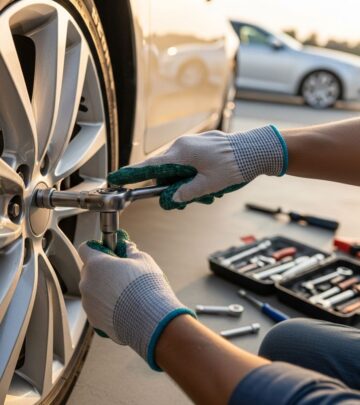
- Tire Rotation: Swap positions per manual (e.g., front-to-rear); extends tire life by 20-30%.
- Exhaust System: Listen for noises; inspect for rust, holes, or loose parts.
- Chassis Lubrication: Grease fittings if not sealed-for-life; consult manual.
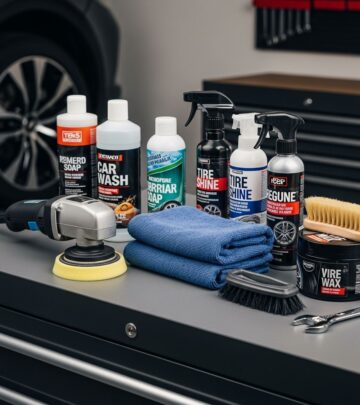
- Exterior Waxing: Apply after washing to shield paint from UV and corrosion.
- Battery Test: Use a load tester at auto stores starting at age 3.
Tire rotations are pivotal as front tires wear faster from steering and braking.
Annual Oil and Filter Changes
Oil lubricates engine parts, reducing friction. Change every 5,000-7,500 miles or yearly, using manufacturer-specified type. Replace the filter simultaneously to trap contaminants effectively. Synthetic oils extend intervals but verify via manual. Signs of overdue oil include dashboard alerts or dark, gritty dipstick readings.
Mid-Range Mileage Milestones: 30,000-60,000 Miles
At these points, deeper inspections prevent long-term issues.
Around 30,000 Miles
- Replace engine air filter to optimize airflow and efficiency.
- Flush brake fluid if discolored.
- Inspect spark plugs for fouling.
At 50,000 Miles
- Drain and refill transmission fluid; replace filter.
- Swap brake pads if thickness below 4mm.
- Check fuel filter for clogs.
Near 60,000 Miles
- Examine belts, hoses, and timing components; replace timing belt if equipped.
- Full suspension review for worn bushings.
These services align with typical warranty periods for covered fixes.
High-Mileage Care: 100,000+ Miles
Vehicles surpassing 100,000 miles demand vigilant oversight.
| Mileage | Key Services |
|---|---|
| 100,000 | High-mileage coolant flush, spark plugs, full inspection |
| 125,000 | O2 sensors, brake fluid, shocks/struts, wheel alignment |
| 180,000 | Power steering fluid, airflow sensor clean, axle seals, timing chain check |
Proactive replacements here sustain drivability.
Seasonal Preparations
Adapt maintenance to weather shifts.
- Winter: Install all-season or snow tires; test battery; use winter wiper fluid.
- Summer: Check AC system; top off coolant; inspect belts for heat damage.
- Spring/Fall: Rotate tires; wax exterior; replace cabin filter for better air quality.
Seasonal tweaks enhance comfort and safety.
Electric Vehicle Specifics
EVs require less frequent oil-related work but targeted care.
- Rotate tires every 7,500 miles to counter instant torque wear.
- Monitor battery health via diagnostics; charge 30-80% routinely.
- Check brake fluid and calipers; leverage regenerative braking.
- Inspect cooling systems, suspension, and update software regularly.
- Replace cabin filters as needed for interior air.
EV maintenance focuses on electronics and tires over traditional engines.
DIY vs. Professional Services
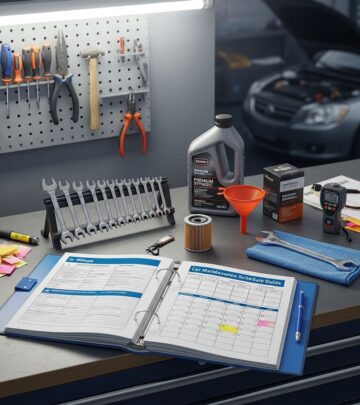
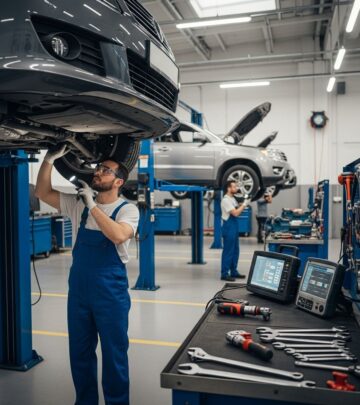
Handle simple tasks like fluid top-offs yourself, but entrust complex jobs (e.g., timing belts) to certified mechanics. Track services in a log or app for warranty proof. Ignore dashboard warnings at your peril—they signal urgent needs.
Cost-Saving Strategies
- Adhere to manual schedules to avoid premature wear.
- Shop sales for filters and fluids.
- Join loyalty programs at trusted shops.
- Invest in quality parts for durability.
Preventive care slashes repair bills long-term.
Frequently Asked Questions
How often should I rotate my tires?
Every 6,000-8,000 miles or semi-annually, per your manual.
What’s the average car battery lifespan?
3-6 years; test annually after year 3.
Do EVs need oil changes?
No, but tire rotations and brake checks are essential.
When to replace brake pads?
At 50,000 miles or when under 4mm thick; listen for squeals.
Is synthetic oil always better?
It lasts longer in modern engines; check specs.
Pro Tips for Longevity
- Wash regularly to remove road salt and grime.
- Park in shade to protect interior and battery.
- Use fuel additives sparingly; opt for top-tier gas.
- Scan for codes with OBD-II reader for early diagnostics.
Empower yourself with knowledge—your car will thank you with reliable performance.
References
- Your Car Maintenance Checklist and Schedule — Nationwide. 2023. https://www.nationwide.com/lc/resources/auto-insurance/articles/car-maintenance-checklist
- The Ultimate Car Maintenance Checklist — Bridgestone Tires. 2024. https://tires.bridgestone.com/en-us/learn/tire-maintenance/ultimate-car-maintenance-checklist
- Car Maintenance Guide: Everything You Need to Know — Kelley Blue Book. 2024. https://www.kbb.com/car-advice/maintenance-guide/
- Car Maintenance Schedule Checklist — CARFAX. 2023. https://www.carfax.com/maintenance/car-maintenance-schedules
- Your Car Maintenance Checklist — Consumer Reports. 2024-01-15. https://www.consumerreports.org/cars/car-repair-maintenance/your-car-maintenance-checklist-a6808357212/
Similar Articles








Read full bio of medha deb