Essential Car Fluids: 7 Key Checks For Vehicle Longevity
Master the maintenance of your vehicle's vital fluids to ensure peak performance, safety, and longevity on every drive.
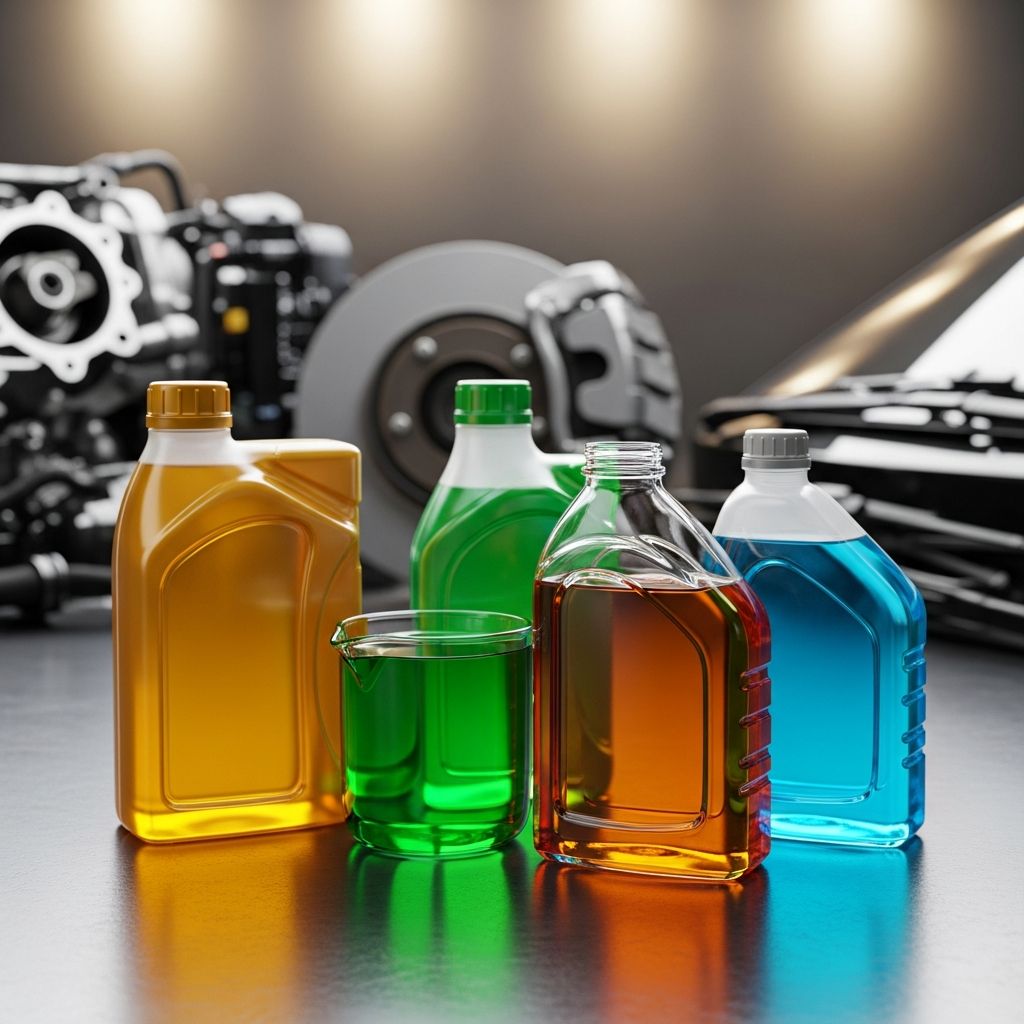
Vehicle fluids serve as the circulatory system of your car, enabling smooth operation across engines, transmissions, brakes, and more. Proper management of these substances prevents breakdowns, boosts efficiency, and extends lifespan. This guide explores key fluids, their functions, maintenance routines, and troubleshooting tips drawn from automotive best practices.
Why Fluid Care Matters for Your Vehicle
Maintaining fluids is foundational to automotive health. These liquids lubricate components, dissipate heat, transmit hydraulic pressure, and clean internal parts. Neglect leads to friction-induced wear, overheating, corrosion, or failure in critical systems like braking or power delivery. Routine checks catch issues early, avoiding expensive repairs. For instance, contaminated fluids can cause sluggish performance or safety hazards, while fresh ones optimize fuel economy and responsiveness.
Engine Oil: The Heartbeat of Your Motor
Engine oil reduces metal-on-metal contact in cylinders, pistons, and bearings, while absorbing and distributing heat. It suspends debris to prevent sludge buildup. Synthetic variants offer superior protection under extreme conditions compared to conventional types.
- Check frequency: Monthly or per owner’s manual, typically every 3,000–5,000 miles for changes.
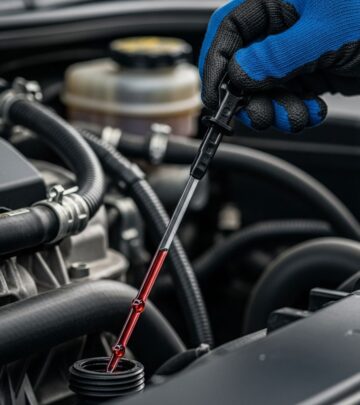
- How to inspect: Park on level ground, wait 5–10 minutes after shutdown, pull dipstick, wipe, reinsert, and read level/color. Golden to amber is ideal; dark or gritty signals replacement.
- Low oil symptoms: Ticking noises, warning lights, or reduced power.
Always match viscosity (e.g., 5W-30) to manufacturer specs. Overfilling risks foaming and pressure issues.
Coolant/Antifreeze: Preventing Overheat Catastrophes
Coolant regulates engine temperature by absorbing heat from combustion and radiating it via the radiator. Its antifreeze properties guard against freezing in cold climates and boiling in heat. A 50/50 water mix is standard, but types vary (e.g., OAT, HOAT).
| Fluid Type | Color | Change Interval |
|---|---|---|
| Traditional Green | Green | 2 years/30,000 miles |
| Extended Life | Orange/Pink | 5 years/150,000 miles |
| Hybrid Organic | Red/Blue | 3–5 years |
Inspect via reservoir when cool; level between marks, clear liquid. Rusty or low coolant prompts a flush every 40,000–60,000 miles or 2–3 years. Never mix incompatible types to avoid gelling.
Transmission Fluid: Smooth Gear Transitions
This fluid lubricates clutches, gears, and torque converters in automatics or synchros in manuals. It also cools and hydraulically engages shifts. Automatic fluid endures high heat, degrading to varnish over time.
- Inspection method: Warm engine, shift through gears, check dipstick (engine running for autos). Pink/red and clean is good; brown/black or burnt odor means service at 30,000–60,000 miles.
- Warning signs: Slipping gears, harsh shifts, or leaks.
Manual transmissions use gear oil; consult manuals for specifics. Draining/refilling suffices for most, but full flushes suit severe use.
Brake Fluid: Your Safety Lifeline
Hygroscopic brake fluid transfers pedal force to calipers via hydraulic lines, compressing pads against rotors. Water absorption lowers boiling point, risking vapor lock and brake fade under hard stops.
Flush every 2 years or 25,000–30,000 miles, especially post-pads/rotors. Test moisture with strips; DOT 3/4/5 ratings dictate specs. Clear/yellow fluid is healthy; cloudy/dark requires attention. Symptoms include spongy pedal or ABS light.
Power Steering and Differential Fluids: Precision Control
Power Steering Fluid
Enables effortless wheel turning via hydraulic assist. Heat cycles degrade it, causing whining or stiff steering. Check reservoir monthly; change at 50,000–80,000 miles. Use vehicle-specific ATF or PSF.
Differential/Gear Oil
Distributes torque to wheels through hypoid gears. Front-wheel drives have transaxles; 4WD/AWD need front/rear/center services at 80,000–120,000 miles. Thick, dark oil post-interval signals refresh.
Windshield Washer Fluid: Visibility Essential
Though non-mechanical, washer fluid clears debris for safe vision. Top off as needed; winter blends prevent freezing, eco-options avoid methanol. Reservoir under hood; blue/green tints aid leak spotting.
DIY Fluid Checking: Step-by-Step Protocols
Empower yourself with safe home inspections:
- Park level, engine off/cool (30+ minutes).
- Wear gloves/eye protection.
- Clean dipsticks/reservoirs before reading.
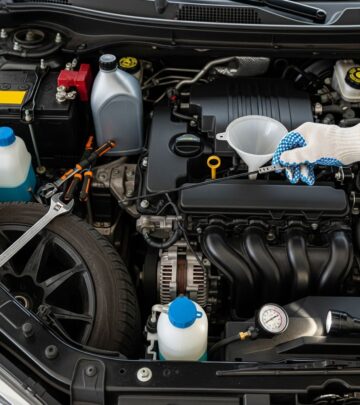
- Use funnels for topping; avoid overfill.
- Note levels/colors; log for trends.
For pros, AAA recommends monthly checks pre-trips. Tools: rags, flashlight, fluid spec sheet.
Common Issues and Diagnostic Signs
Spot trouble early:
- Dark/murky fluids: Contamination in oil, trans, coolant.
- Performance dips: Low power steering (hard turns), trans (delayed shifts).
- Odors/leaks: Burnt trans fluid; puddles under car.
- Lights/sounds: Dash warnings, grinding diffs.
Address promptly to avert cascades like seized engines or failed brakes.
Maintenance Schedules: Tailored Timelines
| Fluid | Check Frequency | Change Interval |
|---|---|---|
| Engine Oil | Monthly | 3,000–5,000 miles |
| Coolant | Monthly | 40k–60k miles/2–3 yrs |
| Transmission | Quarterly | 30k–60k miles |
| Brake | Bi-annual | 2 years/25k miles |
| Power Steering | Quarterly | 50k–80k miles |
| Differential | Annual | 80k–120k miles |
Intervals vary by model/use (towing shortens); heed manuals.
Pro Tips for Longevity and Efficiency
- Match OEM specs religiously.
- Severe duty (dust, stop-go)? Halve intervals.
- Flush systems for contaminants.
- Recycle used fluids properly.
- Track via apps/logs.
These habits cut repair bills 30–50% long-term.
Frequently Asked Questions
How often should I check car fluids?
Monthly for essentials like oil/coolant/brakes, or pre-trips. Manuals guide specifics.
Can I check fluids myself?
Yes, safely on level ground with clean tools. Avoid brakes if unsure.
What if fluids mix types?
Avoid; causes gelling (coolants) or poor lubrication. Drain/refill.
Signs transmission fluid is bad?
Dark color, burnt smell, rough shifts.
Eco-friendly fluid options?
Bio-oils, propylene coolants, methanol-free washers exist; verify compatibility.
Advanced Fluid Management Strategies
For enthusiasts, monitor via OBD scanners for real-time data. Synthetic blends excel in extremes. Annual pro flushes ensure purity. Fuel additives complement but don’t replace fluid care. In electric/hybrids, focus shifts to coolants/trans oils for motors/batteries.
Investing time in fluids yields reliable mobility. Consult certified techs for complexities.
References
- What Fluids in a Car Need to be Changed? — AutoZone. 2023. https://www.autozone.com/diy/trustworthy-advice/what-fluids-in-a-car-need-to-be-changed
- The Ultimate Guide to Fluid Maintenance for Your Vehicle — Barry Luff Auto. 2024. https://www.barryluffauto.com/the-ultimate-guide-to-fluid-maintenance-for-your-vehicle
- Understanding Car Fluids — AAA. 2025-01-15. https://www.acg.aaa.com/connect/blogs/4c/auto/car-fluids-check
Similar Articles








Read full bio of medha deb