Essential Budget Categories To Organize Your Money
Learn how to organize your spending into smart budget categories so you can save more, crush debt, and still enjoy your life.

Creating a budget is much easier when you break your spending into clear, practical budget categories. Instead of guessing where your money goes each month, you can plan for every dollar, cover your essentials, save for the future, and still leave room for fun.
This guide walks through the most important budget categories, example percentage breakdowns (including the popular 50/30/20 rule), and tips to build a realistic plan that fits your life and income.
Why budget categories matter
Budget categories are simply labeled groups you use to organize and track your income and expenses. When you put every expense into a category, you can quickly see whether your money is going where you want it to go.
Research from the U.S. Bureau of Labor Statistics shows that housing, transportation, and food typically make up the largest pieces of household spending, which makes it critical to track these categories closely. A category-based budget helps you:
- Cover essentials first so your basic needs and bills are always paid.
- Set boundaries on flexible spending, like dining out and shopping.
- Plan savings and debt payoff instead of hoping money is left over.
- Adjust quickly when your income or expenses change.
The goal is not perfection. It is to make intentional decisions in each category instead of letting spending happen without a plan.
Core budget categories: Needs, wants, and savings
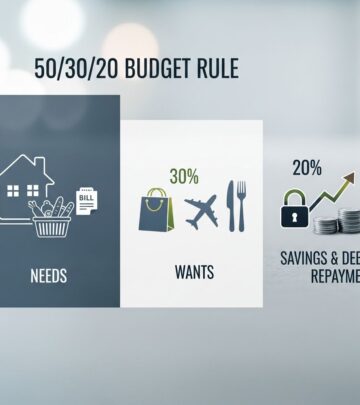
One of the simplest ways to organize budget categories is to split them into three main groups that mirror percentage-based methods like the 50/30/20 rule:
- Needs – essential costs you must pay to live and work.
- Wants – nonessential but enjoyable spending.
- Savings & debt – money you put toward your future and financial security.
| Category group | Typical share of income (50/30/20) | Examples |
|---|---|---|
| Needs | Up to 50% | Rent, utilities, basic groceries, transport, insurance |
| Wants | Around 30% | Dining out, entertainment, shopping, vacations |
| Savings & debt | At least 20% | Emergency fund, retirement, extra debt payments |
Housing and utilities
For most households, housing is the single largest budget category. U.S. spending data consistently shows that housing and related costs account for more than a third of average household expenditures.
Include these items in your housing and utilities category:
- Rent or mortgage payment (including property taxes if escrowed).
- Homeowner’s or renter’s insurance premiums.
- Utilities: electricity, gas, water, trash, sewer.
- Internet and basic home phone, if needed for work or safety.
- Home maintenance and small repairs.
Many budgeting guidelines suggest keeping housing costs around 25–30% of your take-home pay where possible, though this may be challenging in high-cost areas. If your housing costs are high, you can look for savings in other categories to compensate.
Transportation
The transportation category covers everything you need to get to work, school, or essential appointments. Transportation is typically the second-largest spending category for many households.
- Car payment or lease.
- Gas or charging costs for your vehicle.
- Auto insurance.
- Routine maintenance: oil changes, tires, inspections.
- Public transit passes, rideshare, taxis.
- Parking fees and tolls.
If you are aggressively paying off debt or trying to increase savings, consider whether you can reduce car costs by driving a less expensive vehicle, using public transit more often, or carpooling when possible.
Food and groceries
Your food category usually has two parts: at-home groceries and eating out. For budgeting, many people track them separately so they can cut back on dining out without touching essential groceries.
- Groceries: supermarket trips, bulk food, basic household staples, and necessary cleaning supplies.
- Dining out: restaurants, takeout, cafes, and delivery fees.
Government food spending data highlights that at-home food tends to be more cost-effective than restaurant spending over time, so shifting even a few meals from dining out to cooking at home can free up money for other goals.
Insurance and health
Your budget should include all regular insurance and health costs, not just medical bills when they occur. This category protects your finances against events that could otherwise be financially devastating.
- Health insurance premiums and out-of-pocket medical expenses.
- Dental and vision insurance and routine visits.
- Prescription medications and necessary over-the-counter items.
- Life insurance premiums.
- Disability insurance, if not fully covered by your employer.
- Auto and home/renters insurance (can also be grouped with housing or transportation).
Financial education resources from regulators like the U.S. Financial Literacy and Education Commission emphasize the importance of building insurance and health costs into your budget as an essential priority, not an afterthought.
Debt payments
The debt payments category covers both minimums you must pay and any extra you choose to put toward balances. Common items include:
- Credit card minimums and extra payments.
- Student loan payments.
- Personal loans or lines of credit.
- Buy-now-pay-later or installment plans.
Within your overall budget, debt payments can sit under needs (for required minimums) and savings and debt (for extra payments beyond the minimum). Many people use methods like the debt snowball or avalanche to prioritize which debts to pay off first.
Savings, investing, and financial goals
Strong budgets treat savings as a core category, not whatever is left over. This is where you fund your future stability and long-term goals. Many government and nonprofit financial education programs recommend following a “pay yourself first” approach, where you move money to savings as soon as you’re paid.
Include these items under savings and investing:
- Emergency fund contributions.
- Retirement savings (workplace plans and individual accounts).
- Short-term savings for upcoming expenses (e.g., moving, new car).
- Medium- and long-term goals (home down payment, business startup).
- Investments outside retirement, if appropriate for your situation.
A common target is to build an emergency fund covering 3–6 months of necessary expenses, as widely recommended by consumer finance educators.
Personal and lifestyle spending
Your budget should also include room for personal and lifestyle categories so you can enjoy your money without guilt. These sit under “wants” and can be adjusted up or down depending on your goals.
- Clothing and shoes beyond essential workwear.
- Personal care: haircuts, salons, cosmetics, grooming.
- Gym memberships, sports, and recreation.
- Hobbies and creative activities.
- Streaming services and subscriptions that are not essential for work.
By giving these expenses a defined limit, you can enjoy them while still sticking to your bigger financial plan.
Family, kids, and childcare
If you have children or other dependents, dedicate specific budget categories to family and childcare costs. These can be significant and should be planned for rather than handled as surprises each month.
- Childcare: daycare, nannies, babysitters, after-school programs.
- School-related expenses: supplies, field trips, extracurriculars, lunches.
- Clothing and shoes for children.
- Activities: sports, lessons, camps.
- College or education savings contributions.
Government statistics show that childcare and education are major components of household spending for families with children, so building these categories intentionally helps you avoid last-minute stress.
Giving and donations
For many people, giving is an important part of their financial life. You can reflect your values and generosity in your budget by creating a dedicated category for:
- Charitable donations to nonprofits.
- Religious or faith-based giving.
- Mutual aid or support for family and friends.
Whether you give a fixed percentage of your income or a set amount, planning for it in advance keeps your generosity aligned with the rest of your goals.
Fun, entertainment, and travel
A sustainable budget makes space for fun. Treating yourself in moderation is easier when you decide in advance how much you can spend.
- Entertainment: movies, concerts, events, nights out.
- Leisure: books, games, hobbies, local outings.
- Travel: airfare, hotels, local transport, trip activities.
Many people create a separate travel sinking fund where they contribute monthly toward future trips. This turns big expenses into manageable, planned payments instead of debts.
Miscellaneous and irregular expenses
No matter how carefully you plan, there will always be items that do not neatly fit into other categories. It is wise to create a small miscellaneous or buffer category in your budget, plus specific “sinking funds” for predictable but irregular costs.
- Gifts for birthdays, weddings, and holidays.
- Annual subscriptions and memberships.
- Pet care: food, vet visits, grooming.
- Vehicle registration or inspection fees.
- Home repairs and appliance replacements.
Regulators and financial educators often highlight the importance of planning for irregular expenses because they are a common reason people rely on high-cost credit when they occur unexpectedly.
How much should you put in each budget category?
There is no single perfect formula, but percentage-based budgeting rules offer useful starting points that you can adjust to your circumstances. Several well-known approaches include:
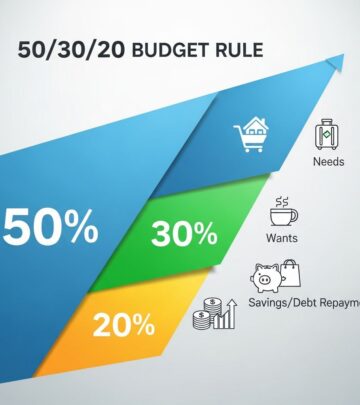
- 50/30/20 budget: Up to 50% for needs, around 30% for wants, at least 20% for savings and debt.
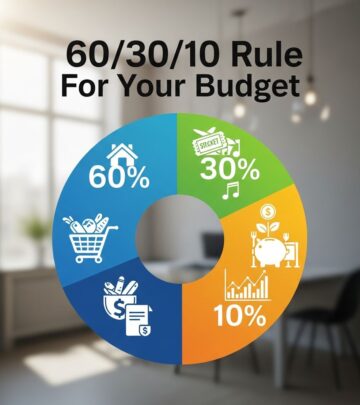
- 60/30/10 budget: 60% for savings and debt, 30% for needs, 10% for wants (works best for higher incomes).
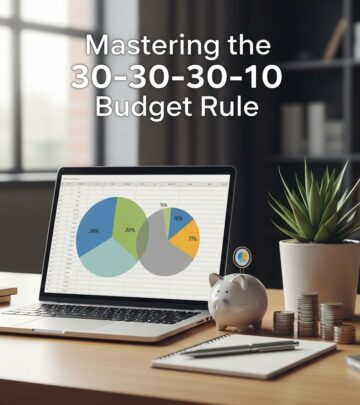
- 30/30/30/10 budget: 30% housing, 30% savings and debt, 30% other essentials, 10% wants.
These frameworks are flexible: you can adjust percentages based on your cost of living, income stability, and current goals. For example, if you are focused on aggressive debt payoff, you might temporarily increase the savings and debt category while reducing wants.
Steps to build a budget using categories
Once you know which categories you want to use, you can build a practical monthly budget. Common steps recommended in financial education materials include:
- List all sources of income after tax, including salary, side jobs, and benefits.
- Track last month’s spending using bank and card statements, assigning every expense to a category.
- Set target amounts for each category using percentage guidelines as a starting point.
- Prioritize needs and savings before wants when money is tight.
- Choose a method to manage the budget (app, spreadsheet, or cash envelopes for certain categories).
- Review and adjust monthly as your income, prices, or goals change.
Over time, the numbers in each category will become more accurate as you see your real patterns and make intentional changes.
Popular budgeting methods that use categories
Your categories will work with almost any budgeting style. Some of the most common methods include:
- Envelope or cash system: You assign a cash-filled envelope to categories like groceries, gas, or fun, and stop spending when the envelope is empty.
- Zero-based budgeting: Every dollar of income is assigned to a category—spending, saving, or debt—so that income minus outgo equals zero.
- Reverse budgeting: You fund goals and savings first, then divide the remainder among your other categories.
- Percentage-based budgeting: You allocate fixed percentages of income to big groups (needs, wants, savings/debt) and then add subcategories inside those groups.
You can also combine methods—for example, using a percentage rule for your overall budget while using cash envelopes only for categories that are easy to overspend.
Frequently Asked Questions (FAQs)
Q: How many budget categories should I have?
Aim for enough categories to cover your real life without becoming overwhelming. Many people do well with 10–20 categories grouped under needs, wants, and savings. If you find yourself confused or unable to track everything regularly, simplify and combine smaller categories.
Q: Are housing, food, and transportation always “needs”?
The categories themselves are needs, but the level of spending inside them can be a mix of needs and wants. Basic rent, utilities, and groceries are needs, while luxury upgrades or frequent restaurant meals fit better in the wants portion of your budget.
Q: How often should I adjust my budget categories?
Review your categories at least once a month and any time your income or major expenses change. If a category is consistently over or under budget, update the amount so it better reflects your reality while still aligning with your goals.
Q: What if my needs take more than 50% of my income?
Percentage rules are guidelines, not strict requirements. In high-cost areas, needs may exceed 50%. Focus on keeping essentials as manageable as possible, increasing income where you can, and reducing wants so you can still allocate something to savings and debt reduction, even if it is a small amount at first.
Q: Should I use separate accounts for different budget categories?
Some people find it helpful to use multiple accounts or sub-savings accounts for big goals and irregular expenses, such as travel or annual bills. Others prefer a single main account and track categories with apps or spreadsheets. Choose the approach that makes it easiest for you to see, in real time, how much remains in each category.
References
- Consumer Expenditures — 2023 — U.S. Bureau of Labor Statistics. 2024-09-10. https://www.bls.gov/news.release/cesan.nr0.htm
- The 4 Best Budgeting Methods To Try — Clever Girl Finance. 2023-08-01. https://www.clevergirlfinance.com/how-to-budget/
- MyMoney Five: Tools for Making Financial Decisions — Financial Literacy and Education Commission (MyMoney.gov). 2023-06-15. https://www.mymoney.gov/mymoney-five
- Managing Your Debt — Consumer Financial Protection Bureau. 2023-05-05. https://www.consumerfinance.gov/consumer-tools/debt-collection/manage-your-debt/
- Five types of household budgets: Choose the right one for you — AIA Group. 2022-11-30. https://www.aia.com/en/health-wellness/healthy-living/healthy-finances/household-budget-types
Similar Articles








Read full bio of Sneha Tete