Erroneous Collection Accounts: Recognition and Resolution
Learn how to identify, dispute, and remove collection accounts wrongly attributed to you.
A collection account appearing on your credit report can devastate your financial profile, reducing your creditworthiness and limiting access to loans, credit cards, and favorable interest rates. However, not every collection account that appears is legitimate or accurate. Errors in collection reporting are surprisingly common, ranging from misidentified accounts to inflated balances and duplicate listings. Understanding how to recognize these mistakes and take corrective action is essential for protecting your financial health and credit standing.
Understanding Collection Account Reporting
Collection accounts represent debts that creditors have transferred to third-party collection agencies after payment default. These accounts typically appear on credit reports when original creditors sell or assign delinquent accounts to collectors. Once reported, a collection account can remain on your credit file for up to seven years from the original delinquency date, significantly impacting your credit score and borrowing capacity.
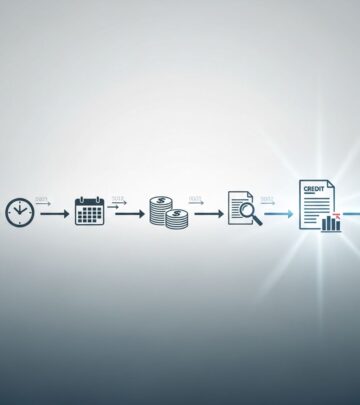
The reporting process involves multiple parties: the original creditor, the collection agency, and the credit reporting bureaus (Equifax, Experian, and TransUnion). Each party has legal obligations to report accurate information. When any of these parties fail to verify facts or report erroneous data, consumers suffer the consequences. Understanding this reporting chain is the first step toward identifying when something has gone wrong.
Common Types of Collection Account Errors
Collection accounts can contain numerous errors that should not appear on your credit report. Recognizing these mistakes helps you take appropriate action:
- Misattributed Debts: Collection accounts belonging to someone else entirely, often occurring with similar names or identity theft victims.
- Duplicate Listings: The same debt reported multiple times by different collection agencies, artificially damaging your credit score.
- Expired Debts: Collections for debts beyond the applicable statute of limitations, which should not be pursued legally or reported.
- Incorrect Balance Information: Collection amounts that have been inflated with unauthorized fees or interest calculations.
- Already Settled or Paid Accounts: Debts marked as collections despite being fully resolved or paid in full.
- Data Entry Mistakes: Malformed personal information, incorrect account numbers, or corrupted data preventing proper account identification.
- Identity Theft Related Accounts: Collections resulting from fraudulent accounts opened without your authorization.
- Improper Validation: Collection accounts reported without proper documentation supporting the debt’s legitimacy.
The Importance of Debt Validation
Before disputing a collection account, understanding debt validation is crucial. Debt validation is your legal right to require collection agencies to prove that a debt belongs to you and that the amount claimed is accurate. Under federal law, debt collectors must provide this verification when you request it.
When you request validation, collection agencies must provide documentation proving the debt’s legitimacy. This might include the original signed contract, itemized statements, or transfer records. If collectors cannot validate the debt, it should be removed from your credit report. Many collection accounts fail validation testing because collectors purchased the debt without complete documentation or lost records during transfers between agencies.
Initial Steps: Reviewing Your Credit Reports
Your first action should be obtaining and reviewing your credit reports from all three major bureaus. You are entitled to one free credit report annually from each bureau through AnnualCreditReport.com. Obtaining all three reports is essential because collection information may appear on some reports but not others, or information may vary between bureaus.
When reviewing your reports, look for:
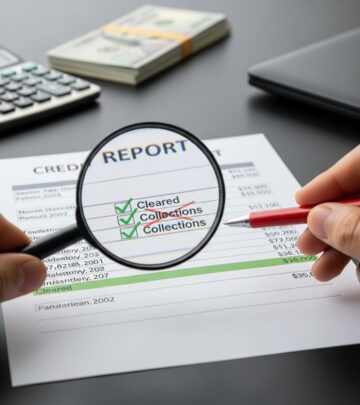
- Collection accounts you don’t recognize
- Accounts with incorrect balances or dates
- Duplicate collection listings for the same debt
- Personal information errors that could indicate identity theft
- Collections with dates beyond the statute of limitations
- Accounts marked as collections despite being paid or settled
Document every error you find, including the account number, collection agency name, reported amount, and the nature of the error. This documentation becomes essential for your dispute process.
Written Dispute Process with Credit Bureaus
Once you identify errors, the formal dispute process begins. Under the Fair Credit Reporting Act (FCRA), you have the right to dispute any information you believe is inaccurate or incomplete. The dispute must be submitted in writing to initiate the legal investigation requirement.
Your dispute letter should include:
- Your complete name and contact information
- The credit report confirmation number if available
- The specific account number being disputed
- A clear, detailed explanation of why the information is incorrect
- Copies (not originals) of supporting documentation
- A request to remove or correct the information
- A copy of the credit report with the disputed item highlighted or circled
Send your dispute letter via certified mail with return receipt requested. This creates a paper trail proving when the credit bureau received your dispute. Keep copies of everything for your records.
The Investigation Timeline and Process
After receiving your written dispute, credit reporting agencies have a legal obligation to investigate within 30 days (or 45 days if you submit additional information during the investigation period). This investigation requirement is one of the FCRA’s most powerful consumer protections.
During the investigation, the credit bureau must:
- Forward your dispute and all supporting documents to the furnisher (the party reporting the information)
- Request that the furnisher investigate and verify the accuracy of the disputed information
- Review all information provided by both you and the furnisher
The furnisher then has its own investigation period to verify whether the debt is legitimate and the reported information is accurate. If the furnisher cannot verify the information within this timeframe, the collection account must be removed from your credit report. Many collection accounts are deleted during this process because collectors lack proper documentation.
Possible Dispute Outcomes
After the investigation period concludes, three primary outcomes are possible:
Account Deletion
The most favorable outcome occurs when the credit bureau determines the collection account cannot be verified or contains inaccurate information. In this case, the collection account is completely deleted from your credit report, potentially improving your credit score significantly.
Account Correction
If errors are identified—such as incorrect balance, wrong account dates, or personal information mistakes—the bureau may correct the information rather than delete the account entirely. While not ideal, accurate reporting is preferable to erroneous information.
Account Verification
If the furnisher successfully verifies the collection account’s accuracy, it remains on your report. This does not end your options, however. You can pursue additional remedies if verification was improper or if you believe the verification process itself violated your rights.
Post-Verification Options and Escalation
If your dispute does not result in deletion or correction, several additional options remain available:
Consumer Financial Protection Bureau Complaint
Filing a complaint with the CFPB creates an additional paper trail and often prompts faster agency responses. The CFPB typically receives responses within 15 days of forwarding your complaint to the company. While not a substitute for the formal dispute process, this complaint documents your efforts to resolve the matter and demonstrates your diligence if future legal action becomes necessary.
Dispute Statement Addition
You can request that the credit bureau include a statement in your credit file explaining your dispute. This statement is provided to anyone requesting your credit report, documenting your disagreement with the reported information.
Legal Action Consideration
If the credit bureau or furnisher violated the FCRA during their investigation or if they refused to investigate your dispute, you may have grounds for legal action. The FCRA allows consumers to sue both credit reporting agencies and information furnishers for violations, potentially recovering damages even without proving specific financial loss.
Disputing Directly with Collection Agencies
In addition to disputing with credit bureaus, you should also dispute the collection account directly with the collection agency. Send a written dispute letter requesting debt validation. This letter should state that you are disputing the debt and request that the agency provide verification proving the debt’s legitimacy and accuracy.
Collection agencies must respond to validation requests within specific timeframes. If they cannot provide adequate verification, they must cease collection efforts and remove the account from your credit report. Many collection accounts fail this validation challenge because agencies operate with incomplete documentation.
Protecting Against Future Errors
Beyond addressing existing errors, taking steps to prevent future collection account reporting is important. Monitor your credit reports regularly—consider obtaining reports every few months rather than waiting for the annual free report. Early detection of errors enables faster correction.
Additionally, maintain detailed payment records and keep documentation of account status. If disputes arise, you’ll have evidence supporting your position. Consider setting payment reminders to ensure bills are paid on time, preventing legitimate collection account reporting.
Understanding Your FCRA Protections
The Fair Credit Reporting Act provides several key consumer protections regarding collection accounts:
- The right to dispute any information you believe is inaccurate or incomplete
- The right to request debt validation from collection agencies
- The requirement that credit bureaus investigate disputes within 30 days
- The requirement that furnishers only report information they know or have reasonable cause to believe is accurate
- The right to include dispute statements in your credit file
- The right to sue for violations of these protections
Common Questions About Collection Account Errors
How long do collection accounts appear on credit reports?
Collection accounts typically remain on your credit report for seven years from the original delinquency date. However, if the account is determined to be erroneous, it should be removed immediately, regardless of the seven-year timeline.
Will disputing a collection account hurt my credit score?
No, disputing a collection account will not harm your credit score. The FCRA protects consumers from negative consequences for exercising their legal rights to dispute errors. Filing disputes is not considered a negative action by credit scoring models.
What if the collection agency ignores my dispute?
If a collection agency ignores your validation request, you have grounds for legal action under the FCRA. Collection agencies are legally required to respond to validation requests. Failure to do so is a violation that may entitle you to damages.
Can I remove a collection account if I owe the debt?
If you owe the debt and it’s been accurately reported, you generally cannot remove it through disputes. However, you can work with the collection agency on a settlement or payment arrangement. After settling or paying, you can request that the account be marked as “paid” or “settled,” which improves your credit profile compared to an unpaid collection.
What documentation should I keep?
Keep all correspondence related to your dispute, including copies of dispute letters, certified mail receipts, credit reports, supporting documentation, and responses from credit bureaus or collection agencies. This documentation protects you if disputes escalate to legal proceedings.
Moving Forward After Resolution
Once a collection account error is removed or corrected, your credit score should improve, potentially within 30 to 60 days as credit bureaus update their scoring models. Monitor your credit reports to ensure the changes are reflected. You can also consider working with credit counseling services or financial advisors to develop strategies for rebuilding credit and preventing future collection accounts.
Taking action to remove erroneous collection accounts is not only your legal right but an important step toward financial recovery. The collection reporting system, while sometimes necessary for legitimate debts, must operate accurately. Understanding how to identify errors, validate debts, and pursue disputes ensures that your credit report reflects your actual financial history rather than mistakes by creditors, collection agencies, or credit bureaus.
References
- Fair Credit Attorneys — Fair Credit Attorneys. 2026. https://faircreditattorneys.com/dispute-collections-on-your-credit-report/
- How do I dispute an error on my credit report? — Consumer Financial Protection Bureau. 2024. https://www.consumerfinance.gov/ask-cfpb/how-do-i-dispute-an-error-on-my-credit-report-en-314/
- Correcting Errors on Your Credit Report — MoneyWise Law. 2026. https://www.moneywiselaw.com/credit-report-errors-correct-actions/
- Disputing Errors on Your Credit Reports — Federal Trade Commission Consumer Advice. 2024. https://consumer.ftc.gov/articles/disputing-errors-your-credit-reports-0
- Dispute errors on your credit report — USA.gov. 2024. https://www.usa.gov/credit-report-errors
Similar Articles








Read full bio of medha deb