Erasing Old Charge-Offs from Credit Reports
Discover proven strategies to challenge and potentially eliminate lingering charge-offs that harm your financial future and credit standing.

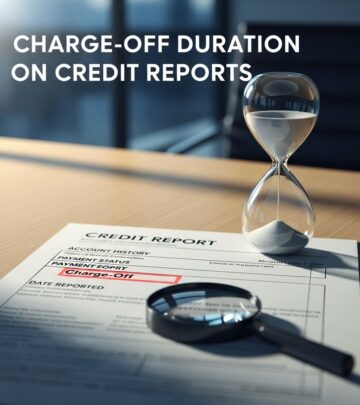
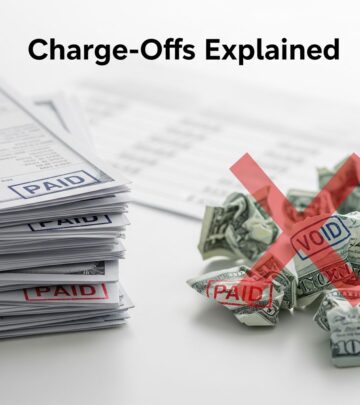
Charge-offs represent a serious setback on credit reports, signaling to lenders that a creditor has written off a debt as uncollectible after roughly 180 days of non-payment. These notations can linger for up to seven years, severely limiting access to loans, rentals, and favorable interest rates. While automatic removal occurs after this period, proactive steps can accelerate the process if inaccuracies exist or through strategic negotiations.
Understanding Charge-Offs and Their Lasting Impact
A charge-off happens when a creditor deems a debt unlikely to be repaid, yet this does not erase your obligation to pay. It appears on reports from Equifax, Experian, and TransUnion, dropping credit scores by 100 points or more depending on overall profile health. Even paid charge-offs persist, though marked as settled, continuing to influence scores negatively.
Key impacts include:
- Higher interest rates on new credit products.
- Denials for mortgages, auto loans, or apartments.
- Employment hurdles in finance-related fields.
- Reduced credit limits and stricter terms from issuers.
Under the Fair Credit Reporting Act (FCRA), bureaus must remove inaccurate information, providing a legal basis for challenges. Accurate entries, however, stay until the seven-year clock expires from the first delinquency date.
Step-by-Step Guide to Validating Debts Before Action
Before attempting removal, confirm the charge-off’s legitimacy. Debt collectors must provide validation upon request, detailing amount, creditor, and origination date. Send a certified letter within 30 days of initial contact to halt collection until verified.
Validation process:
- Request free reports from AnnualCreditReport.com weekly.
- Scrutinize for mismatches in balance, dates, or ownership.
- Gather counter-evidence like payment proofs or identity theft reports.
This step prevents paying invalid debts and builds dispute ammunition.
Disputing Inaccurate Charge-Offs with Bureaus
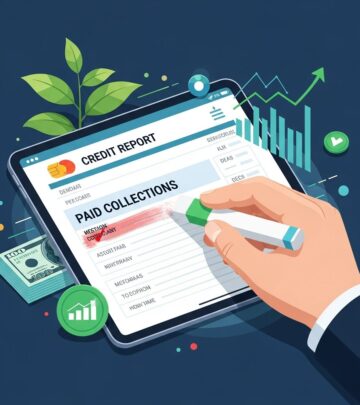
If errors appear—such as wrong amounts, duplicate entries, or misattributed debts—file disputes online, by mail, or phone with all three bureaus. Include supporting documents for faster resolution, typically within 30 days.
| Dispute Method | Pros | Cons |
|---|---|---|
| Online | Quick submission; track status | Limited document upload |
| Attach full evidence | Slower processing | |
| Phone | Immediate questions | No paper trail |
Success rates rise with specifics: cite FCRA Section 611, reference account numbers, and demand investigation. Bureaus forward to furnishers; failure to verify deletes the item.
Negotiating Pay-for-Delete Agreements Effectively
For valid charge-offs, propose pay-for-delete: settle for a lump sum (often 30-50% of balance) in exchange for removal. Original creditors or agencies may agree, especially on aged debts bought at discount.
Negotiation tips:
- Research debt age: Time-barred debts (3-6 years past statute) can’t be sued for.
- Get terms in writing: Specify full deletion, not just ‘paid’ status.
- Pay securely: Use certified methods; retain receipts.
- Follow up: Confirm removal post-payment via new reports.
No legal mandate exists, so smaller agencies prove more flexible. Rejection? Counter with partial goodwill removal.
Seeking Goodwill Adjustments After Payment
Post-settlement, request goodwill deletion from original creditors, emphasizing loyalty history, hardships like job loss or illness, and full repayment. Draft polite letters outlining circumstances and requesting courtesy removal.
Sample structure:
- Account details and payment proof.
- Explanation of setback (e.g., medical emergency).
- Pledge for future business.
- Clear removal request.
Success hinges on relationships; banks rarely comply, but smaller lenders might.
Legal Recourse and Professional Assistance
Persistent inaccuracies post-dispute? File FCRA complaints with Consumer Financial Protection Bureau (CFPB). Attorneys specializing in credit law offer contingency services for violations, potentially yielding damages.
Non-profits like NFCC provide free counseling for debt management plans that update reports positively over time.
Rebuilding Credit Post-Charge-Off Challenges
While pursuing removal, build positive history:
- Secure secured cards or credit-builder loans.
- Enroll in reporting services like Experian Boost.
- Maintain utilization under 30%.
- Automate on-time payments.
Scores recover within months of consistent behavior; charge-offs’ weight diminishes with age.
Frequently Asked Questions
Does paying a charge-off remove it?
No, payment updates status to ‘paid’ but keeps the history for seven years. Negotiate deletion separately.
How long do charge-offs stay on reports?
Up to seven years from first delinquency, regardless of payment.
Can I remove multiple charge-offs?
Yes, dispute each individually; bundle negotiations if same creditor.
Is pay-for-delete legal?
Yes, voluntary agreements; bureaus frown but honor if executed.
What if a collector ignores validation?
Report to CFPB; they must cease until compliant.
Timeline for Charge-Off Removal Strategies
| Strategy | Timeline | Success Likelihood |
|---|---|---|
| Dispute Error | 30-45 days | High if documented |
| Pay-for-Delete | 1-3 months | Medium |
| Goodwill Letter | 2-6 weeks | Low-Medium |
| Wait It Out | 7 years | Guaranteed |
Combine methods for best odds; monitor progress quarterly.
References
- How to Remove a Charge-Off from Your Credit Report — InCharge Debt Solutions. 2023. https://www.incharge.org/debt-relief/debt-management/remove-a-charge-off/
- How to Remove a Charge-Off From a Credit Report — MoneyLion. 2024. https://www.moneylion.com/learn/how-to-remove-charge-off-from-credit-report
- Here’s How To Remove Charge-Offs from Credit Reports — OppLoans. 2023. https://www.opploans.com/oppu/credit-reports/you-can-get-charge-offs-removed-from-your-credit-report-it-aint-easy/
- CHARGE IT OFF – Comprehensive Guide on Removing Charge-Offs — R23 Law. 2024. https://www.r23law.com/articles/charge-off-guide
- How to remove a paid charge-off from your credit report — National Foundation for Credit Counseling (NFCC). 2023. https://www.nfcc.org/blog/how-to-remove-a-paid-charge-off-from-your-credit-report/
- What is a Charge-Off? — Equifax. 2025. https://www.equifax.com/personal/education/credit/report/articles/-/learn/charge-offs-faq/
Similar Articles








Read full bio of Sneha Tete