Erase Library Fees With One of These Forgiveness Programs
Discover library fine forgiveness programs that wipe out overdue book fees and restore your borrowing privileges—no questions asked.

Library fees can prevent you from borrowing more books, but many libraries have forgiveness programs to erase the debt and welcome you back with open arms.
Check This Out: Many Libraries Will Forgive Your Fines for Overdue Books
Even if you’ve racked up significant library fines from overdue or lost books, your local library might be ready to shelve your debt entirely. Personal stories abound of patrons avoiding libraries for years due to mounting fees, only to discover forgiveness options that restore access instantly.
For instance, one borrower in Kansas City, Missouri, checked out a book in their 20s, forgot to return it, and lost it over time. Fearing hundreds in fines, they stayed away for years, using cards from neighboring libraries instead. Eventually, they mustered the courage to return, confessed, and applied for a new card—learning that many libraries offer fine forgiveness programs or amnesty days. These allow patrons to return overdue items without penalty, reigniting their love for reading.
Libraries recognize that fines create barriers, especially for low-income families or forgetful borrowers. A prime example is the San Francisco Public Library’s 2017 “We Want You Back” campaign. Over six weeks, it collected 699,000 items from 10,000 patrons and forgave over $236,000 in fines. Such initiatives prove it pays to check your library’s policies—call, visit the website, or stop by the front desk to inquire about current or upcoming programs.
The trend toward eliminating fines is growing nationwide. According to reports, numerous public libraries have ditched late fees entirely, finding no increase in overdue returns or collection gaps after implementation. This shift prioritizes access over punishment, ensuring everyone can enjoy free books, audiobooks, DVDs, and more.
No Questions Asked
Some libraries embrace a straightforward “no questions asked” approach during designated forgiveness periods. The Miami-Dade Public Library System in Florida runs Fine Forgiveness Month every September. Patrons simply bring in overdue books, DVDs, or other items, and fines are waived on the spot—no explanations required.
This sunny-state perk isn’t unique to Florida. The Alameda County Library in Fremont, California, hosts a similar program in June. Other libraries may follow suit in different months, so it’s worth a quick call or website check. If your library doesn’t have one, politely suggesting it could spark change—librarians love promoting reading access.
- Tip: Gather all overdue items before visiting to maximize forgiveness.
- Bonus: Many programs forgive lost item fees if you return them, even years later.
These no-hassle events remove intimidation, encouraging long-lost patrons to return. They underscore libraries’ mission: fostering literacy, not collecting debts.
Summer of Library Love
Seasonal celebrations often double as fine amnesty opportunities. Alameda County Library’s “Summer of Library Love” in June and July featured the slogan “Love breaks barriers. Don’t let fines keep us apart.” Participants had fines waived and received fun stickers like “groovy Summer of Library Love.”
Winter or other seasons might host similar events—check your library’s calendar or social media for “amnesty programs” or “fresh start” initiatives. These themed drives make forgiving fines festive, drawing crowds and recovering thousands of items.
| Program | Location | Timing | Perks |
|---|---|---|---|
| Fine Forgiveness Month | Miami-Dade, FL | September | No questions asked waiver |
| Summer of Library Love | Alameda County, CA | June-July | Stickers + full forgiveness |
| We Want You Back | San Francisco, CA | Varies (e.g., 6 weeks in 2017) | $236K+ forgiven |
University Libraries: Don’t Let Fines Hold Up Your Degree
College students face unique stakes: Most universities withhold degrees, transcripts, or registration until library debts are cleared. If you’re a senior with overdue books, act now—speak to a librarian about forgiveness options before graduation.
Many campus libraries offer amnesty during finals week, move-out periods, or dedicated “fine-free” days. Returning items promptly avoids escalation, preserving your academic record and future opportunities.
Stuff Happens
Libraries increasingly target youth with forgiving policies. In 2018, The Seattle Public Library expanded its Fresh Start program to teens, covering not just overdue fines but lost item fees too. “Things can happen,” noted Seattle Public Library Foundation CEO Jonna Ward. “This program helps remove access barriers by giving young people a second chance.”
Public libraries nationwide ease fines on children’s materials. Some let kids “read off” debts—$5 credited per hour read. Others forgive entirely for juvenile cards. If your children have overdue books, inquire about kid-friendly programs; it could mean lighter penalties or none at all.
- Seattle: Teens get second chances on lost items.
- General trend: No fines on kids’ books to promote early reading.
- Read-to-forgive: Builds habits while clearing slates.
Bring Us Your Lost, Your Damaged, Your Overdue
Programs like Great River Regional Library in St. Cloud, Minnesota’s Fines Forgiveness Week accept anything—“no matter how long it’s been or if they’ve been damaged.” This inclusive approach recovers hidden treasures and forgives associated fees.
National Library Week (April 9-14) sees widespread amnesty across U.S. libraries. Use the six months prior to collect items—you’ve got time to dig through attics, couches, and cars.
Librarians get creative: Some host “pay with canned goods” drives or reading challenges. Curling up nightly with a book might literally forgive your fines in innovative plans.
Even Presidents Owe Fines
Nobody’s perfect—even George Washington. In 1789, he borrowed two books from the New York Society Library and never returned them. Adjusted for today, his fine would exceed $300,000, per The Guardian.
Don’t follow suit. Visit your library’s website or call for fine-free chances. With trends toward no-fines policies, access is easier than ever.
Why Libraries Are Ditching Fines Altogether
Beyond periodic forgiveness, hundreds of libraries have eliminated overdue fees permanently. California libraries report no rises in late returns post-elimination. Fines disproportionately hit low-income patrons, blocking access to education and enrichment.
The American Library Association supports this shift, noting fines generate minimal revenue (often under 1% of budgets) but deter usage. Free access boosts circulation, community engagement, and equity.
Frequently Asked Questions (FAQs)
Q: How do I find my library’s fine forgiveness program?
A: Check the library website, call the front desk, or visit in person. Search for “fine amnesty” or “forgiveness month.”
Q: Do forgiveness programs cover lost or damaged items?
A: Many do, like Seattle’s teen program or Minnesota’s week-long event—even years later.
Q: What if my library doesn’t have a program?
A: Suggest one! Or return items gradually; some waive small fines at checkout.
Q: Are university library fines forgivable?
A: Yes, often during key periods like National Library Week or finals—talk to a librarian ASAP.
Q: Why are libraries dropping fines forever?
A: To prioritize access over revenue; no evidence of more overdues, per studies.
Maximize Your Library Card: Beyond Fine Forgiveness
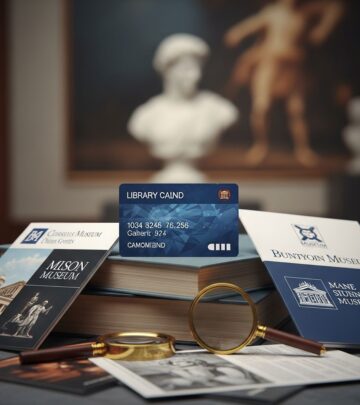
Libraries save more than fines—they’re savings hubs. Access free streaming (Kanopy, Hoopla), audiobooks (Libby), museum passes, classes, and databases unavailable online. Ditch paid subscriptions; one library card replaces Netflix, Audible, and more.
Pro tip: Get cards from multiple local libraries for expanded perks without extra cost.
References
- Erase Library Fees With One of These Forgiveness Programs — The Penny Hoarder. 2019 (approx., based on context). https://www.thepennyhoarder.com/save-money/erase-library-fees/
- Libraries are getting rid of late fees. Here’s why that’s a good thing — KTVZ (CNN National). 2021-10-07. https://ktvz.com/news/national-world/cnn-national/2021/10/07/libraries-are-getting-rid-of-late-fees-heres-why-thats-a-good-thing/
- Why California libraries are ditching fines on overdue materials — CalMatters. 2019-02. https://calmatters.org/education/2019/02/library-fines/
- Why Smart People Still Use Library Cards And How You Can Too — The Penny Hoarder. Recent. https://www.thepennyhoarder.com/general/why-smart-people-still-use-library-cards-and-how-you-can-too/
Similar Articles








Read full bio of Sneha Tete