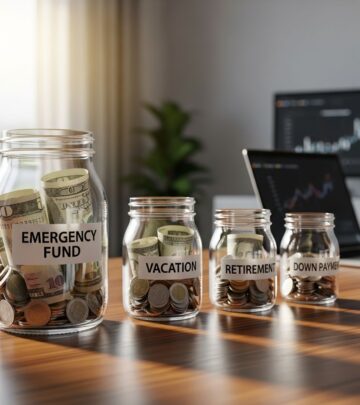
Envelope Budgeting System: Complete Guide to Cash Stuffing
Master the envelope budgeting method to control spending and build financial discipline.
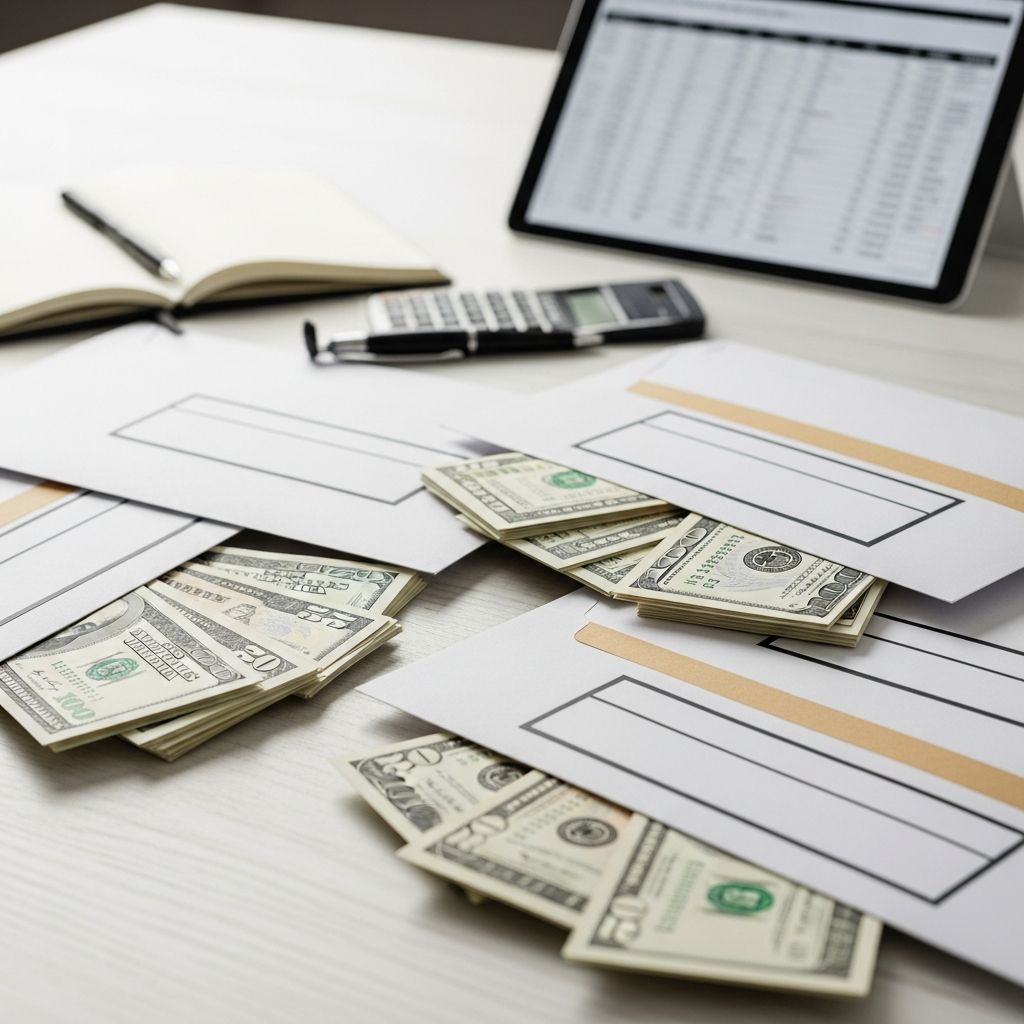
Understanding the Envelope Budgeting System
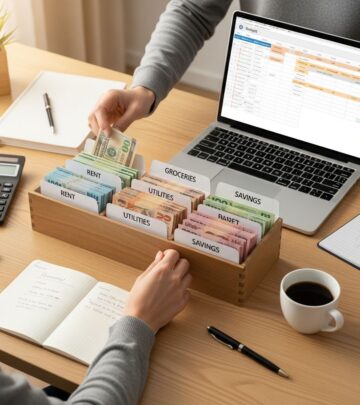
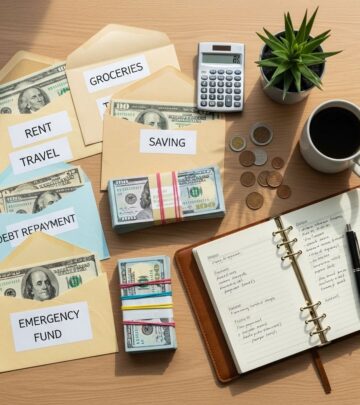
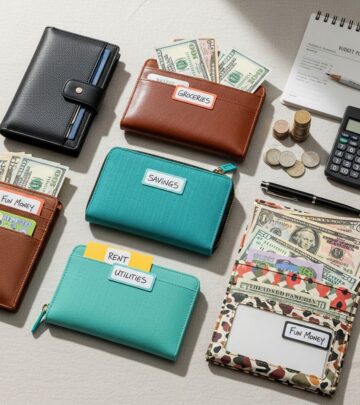
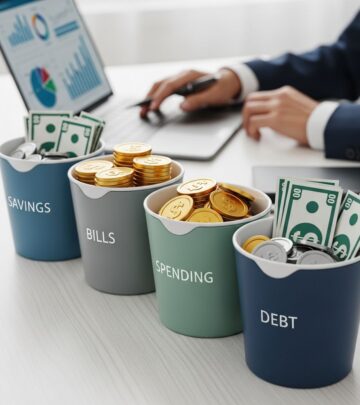
The envelope budgeting system, also known as cash stuffing or the envelope method, is a straightforward yet powerful personal budgeting approach that has been used for generations. This time-tested strategy involves dividing your monthly income into separate physical or digital envelopes, each designated for specific spending categories. By allocating predetermined amounts of cash to each envelope, you create a tangible, visual representation of your budget that makes spending decisions more conscious and intentional.
The fundamental principle behind envelope budgeting is simple: when an envelope runs out of money, you stop spending in that category until the next funding period. This built-in constraint forces you to live within your means and eliminates the temptation to overspend using credit or debit cards. Unlike abstract numbers on a bank statement, physical cash creates an emotional connection to your money, making it easier to understand exactly how much you have available to spend.
How the Envelope Budgeting System Works
Implementing the envelope budgeting system requires several straightforward steps that anyone can follow, regardless of their financial background or experience level.
Step 1: Calculate Your Monthly Income
Begin by determining your total monthly take-home pay, which is your gross income minus taxes and other deductions. If your income varies due to freelance work, commissions, or multiple jobs, calculate a conservative average based on the past few months. This figure becomes the foundation for your entire budget and determines how much you can allocate across all your spending categories.
Step 2: Create Spending Categories
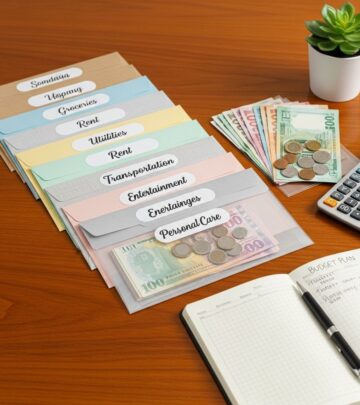
Evaluate your current expenses and organize them into logical categories based on your personal spending patterns. Common categories include groceries, dining out, utilities, transportation, entertainment, personal care, children’s expenses, and miscellaneous items. You can be as detailed or broad as you prefer—some people use a single “utilities” envelope, while others prefer separate envelopes for electric, water, and gas bills. The key is creating categories that reflect your actual spending habits and priorities.
Categories typically fall into three main groups: needs (essential expenses like housing and food), wants (discretionary spending like entertainment), and savings (money set aside for future goals or emergencies). A common allocation suggested by financial experts distributes 50% of income to needs, 30% to wants, and 20% to savings and debt repayment.
Step 3: Determine Category Amounts
For each category, decide how much money to allocate by reviewing your bank or credit card statements from the previous three to six months. Look at average spending in each area to establish realistic amounts. If you’re uncertain about an appropriate figure, start conservatively and adjust in subsequent months based on actual spending patterns. Write both the category name and the allocated dollar amount on each envelope.
Step 4: Distribute Your Cash
Once you receive your paycheck, withdraw your allocated monthly cash from your bank or ATM. Divide this cash according to your predetermined amounts and place it into the corresponding envelopes. This “cash stuffing” process takes just a few minutes but creates a powerful visual reminder of your financial commitments.
Step 5: Spend Only From Your Envelopes
When making purchases, withdraw money exclusively from the appropriate envelope. For example, if you allocate $300 monthly for groceries and spend $75 on a shopping trip, you remove $75 from the grocery envelope, leaving $225 for the rest of the month. This step-by-step tracking keeps you acutely aware of your remaining balance in each category.
The Advantages of Envelope Budgeting
The envelope budgeting system offers numerous benefits that explain its enduring popularity among financial enthusiasts and personal finance experts.
Prevents Overspending and Debt Accumulation
The most significant advantage of envelope budgeting is its built-in spending limit. Since you can only spend what’s physically available in each envelope, you cannot overdraft or accumulate credit card debt in specific categories. This automatic constraint eliminates the possibility of making impulsive purchases beyond your means and protects you from overdraft fees and interest charges.
Increases Financial Awareness
Physical cash creates heightened awareness of spending in ways that digital transactions cannot replicate. Handing over tangible money feels different from swiping a debit card, making the act of spending more conscious and deliberate. This psychological difference helps you recognize spending patterns and make more intentional financial decisions. You develop a clearer understanding of where your money goes and what spending categories consume the largest portions of your income.
Establishes Emotional Connection to Money
Cash users develop a stronger emotional relationship with their money compared to those who rely primarily on digital payments. Because cash is visible, tangible, and physically leaves your hands during transactions, you feel the impact of spending more acutely. This emotional connection often translates into greater discipline and more thoughtful purchasing decisions.
Simplifies Budget Tracking
Unlike complex spreadsheets or budgeting apps that require regular updates and monitoring, the envelope system provides instant visual feedback. You can see at a glance exactly how much money remains in each category, eliminating the need for constant calculations or app check-ins. This simplicity makes envelope budgeting accessible to people of all ages and technical skill levels.
Supports Goal Achievement
By allocating specific amounts to savings and debt repayment envelopes, you make progress toward financial goals automatic and visible. Whether saving for a vacation, emergency fund, or paying down debt, having dedicated envelopes makes these goals feel tangible and achievable.
The Disadvantages and Challenges
While envelope budgeting offers significant benefits, it also presents several practical limitations that may not suit everyone’s lifestyle.
Inconvenience and Safety Concerns
Carrying large amounts of cash creates practical challenges and potential security risks. Keeping envelopes of cash at home makes you vulnerable to theft, and carrying multiple envelopes while shopping is cumbersome and conspicuous. Additionally, cash cannot be easily replaced if lost or stolen, unlike debit or credit cards.
Limited Online Shopping Capability
The envelope system functions exclusively with physical cash, making it impossible to use for online purchases, subscription services, or automatic bill payments—increasingly common in modern commerce. This limitation means you may need to maintain separate payment methods for digital transactions, complicating your budget tracking.
Doesn’t Address Fixed Expenses
Traditional envelope budgeting focuses primarily on variable expenses like groceries and entertainment while overlooking fixed expenses like rent, mortgage, and insurance payments. Since these fixed costs recur regularly at set amounts, they require different management strategies than variable expenses. A comprehensive budget must account for both types of expenses.
Time-Intensive Setup and Maintenance
Physically withdrawing cash, stuffing envelopes, and tracking spending requires regular time investment. For busy individuals or those with complex financial situations, this manual process may feel burdensome compared to automated budgeting apps.
Digital Alternatives to Physical Envelopes
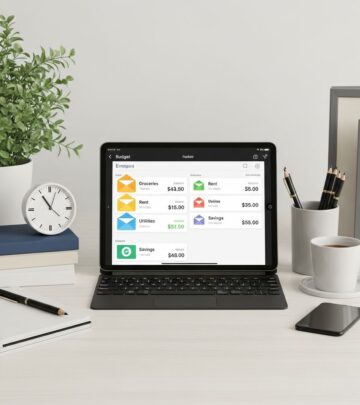
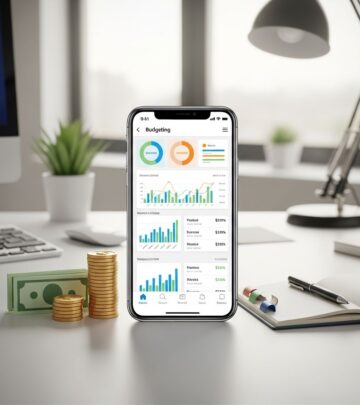
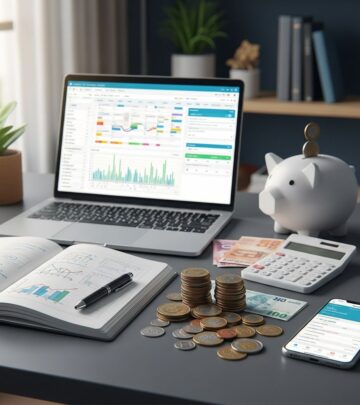
Recognizing the limitations of physical cash, many people now implement the envelope budgeting concept using digital methods. Spreadsheets, specialized budgeting apps like YNAB and Monarch Money, or even separate bank accounts can replicate the envelope system’s benefits while addressing its practical drawbacks. Digital envelope budgeting allows you to use debit or credit cards while maintaining the psychological benefits of allocated spending categories. This modern approach combines the discipline of traditional envelope budgeting with the convenience of digital payments.
Envelope Budgeting vs. Other Budgeting Methods
| Method | Primary Focus | Best For | Key Advantage |
|---|---|---|---|
| Envelope Budgeting | Variable expenses with hard spending limits | People who overspend and need concrete constraints | Immediate visual feedback and spending control |
| 50/30/20 Rule | Percentage-based allocation of income | Those seeking a simple, flexible framework | Easy to remember and adjust proportions |
| Zero-Based Budgeting | Allocating every dollar to a specific purpose | Detail-oriented individuals wanting complete control | Eliminates wasteful “leftover” money |
| Pay Yourself First | Saving before spending other income | Building wealth and emergency funds | Prioritizes financial goals automatically |
Tips for Successful Envelope Budgeting
Start Small: Begin with just three to five essential categories rather than attempting to track dozens simultaneously. This simpler approach helps you establish the habit before expanding to more detailed tracking.
Review Monthly: At the end of each month, analyze your spending patterns. Did certain categories consistently run short? Did others have significant surplus? Use these insights to adjust amounts for the following month.
Label Clearly: Use permanent markers to write category names and amounts on envelopes. Clear labeling prevents confusion and makes the budget accessible to anyone in your household.
Combine Methods: Consider using envelopes for variable expenses while setting up automatic payments for fixed bills. This hybrid approach captures the benefits of envelope budgeting where it works best while simplifying fixed expense management.
Involve Your Family: If you’re budgeting with others, explain the system and involve them in category creation and amount allocation. Shared understanding increases compliance and reduces conflicts about spending.
Getting Started With Envelope Budgeting
Beginning an envelope budgeting system requires minimal investment—just envelopes, a marker, and access to cash. Many people use regular paper envelopes, while others prefer decorative or labeled budget envelopes available at office supply stores. Digital implementations cost nothing if using free spreadsheet software or minimal monthly fees for dedicated apps.
The key to success lies in commitment and consistency. Give yourself at least three months to establish the habit before deciding whether the system works for you. Many people find that the discipline required to maintain envelope budgeting creates lasting changes in their spending consciousness, even if they eventually transition to other methods.
Frequently Asked Questions
Q: How often should I refill my envelopes?
A: Most people refill envelopes monthly when they receive their paycheck, though some prefer refilling after each paycheck if paid biweekly. Choose a schedule that aligns with your income frequency and spending patterns.
Q: What should I do if an envelope runs out of money mid-month?
A: This is the system working as intended—it signals that you’ve reached your spending limit in that category. Either reduce spending elsewhere or wait until the next funding period. This constraint teaches financial discipline and helps identify overspending categories.
Q: Can I use envelope budgeting for fixed expenses like rent?
A: While possible, envelope budgeting works best for variable expenses. For fixed expenses, consider setting up automatic transfers or payments instead, reserving the envelope method for discretionary and semi-variable spending.
Q: Is digital envelope budgeting as effective as using physical cash?
A: Digital methods capture most benefits of the envelope system, though some people report that physical cash creates stronger spending awareness. Try both approaches to determine which works better for your personality and lifestyle.
Q: What if my expenses vary significantly month to month?
A: Use your average spending from the past several months to set initial amounts, then adjust quarterly based on actual results. Some categories may naturally fluctuate—plan for this variation when setting amounts.
Q: Can I share envelope budgeting with a partner or spouse?
A: Absolutely. Many couples find envelope budgeting helpful for aligning spending priorities and reducing financial conflicts. Discuss budget categories together and agree on amounts for shared expenses and individual discretionary spending.
References
- What Is the Cash Stuffing Envelope Budget System? — NerdWallet. 2024. https://www.nerdwallet.com/finance/learn/envelope-system
- Envelope System — Wikipedia. 2024. https://en.wikipedia.org/wiki/Envelope_system
- How to Use the Envelope Budget System — Capital One. 2024. https://www.capitalone.com/learn-grow/money-management/envelope-budget-system/
- The Envelope Budget System: What It Is and How to Do It — Citizens Bank. 2024. https://www.citizensbank.com/learning/envelope-budget-system.aspx
- Envelope Budgeting — Actual Budget Documentation. 2024. https://actualbudget.org/docs/getting-started/envelope-budgeting/
- Dave Ramsey’s Envelope System Explained: Pros, Cons — Debt.org. 2024. https://www.debt.org/advice/dave-ramseys-envelope-system-explained/
Similar Articles








Read full bio of medha deb