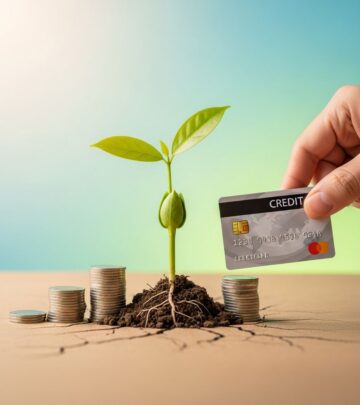
Starting Your Credit Journey With Entry-Level Cards
Discover how beginner-friendly credit cards establish financial credibility

Understanding Why New Borrowers Need Accessible Credit Options
Establishing financial credibility is one of the most important steps young adults and first-time borrowers can take. Without a credit history, accessing loans, securing favorable interest rates, or even renting an apartment becomes significantly more difficult. Entry-level credit cards serve as a crucial bridge for those just beginning their financial journey, offering an accessible pathway to demonstrate responsible credit management.
The challenge for many newcomers is that traditional credit products require existing credit history to qualify. This creates a catch-22 situation: you need credit to build credit. Fortunately, financial institutions recognize this obstacle and have developed specialized products designed specifically for individuals with minimal or no credit background. These cards function not as rewards vehicles or premium products, but as educational tools that teach fundamental financial discipline while simultaneously reporting your activity to major credit bureaus.
How Entry-Level Cards Differ From Standard Credit Products
Entry-level credit cards operate under different principles than traditional cards offered to established borrowers. Understanding these differences helps new cardholders set realistic expectations and choose products that align with their financial situation.
- Lower Credit Limits: Initial credit limits typically range from $300 to $1,000, allowing cardholders to demonstrate responsibility with manageable amounts
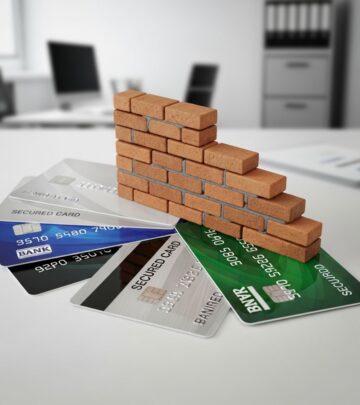
- Secured Card Options: Many entry-level products require a cash deposit equal to your credit limit, reducing risk for issuers
- Higher Interest Rates: APRs tend to be elevated compared to cards for established borrowers, reflecting the higher risk profile
- Limited Rewards: Entry-level cards rarely offer cash back, travel points, or other premium benefits, focusing instead on accessibility
- Annual Fees: Some products charge modest yearly fees, though fee-free options exist
The Mechanics of Building Credit Through Responsible Usage
Credit scoring models evaluate multiple factors when calculating your creditworthiness. Entry-level cards help you establish positive performance across these critical dimensions.
Payment History Impact: Your ability to make consistent, on-time payments represents the single most influential factor in credit scoring, accounting for 35% of FICO scores used by 90% of major lenders. When you use an entry-level card responsibly, every monthly payment you make gets reported to the three major credit bureaus—Equifax, Experian, and TransUnion. This creates a documented history of reliable behavior that lenders can reference.
Credit Mix and Account Age: Credit scoring models reward diversity in credit accounts. Having a credit card alongside other credit types, such as installment loans, demonstrates your ability to manage different borrowing structures. Additionally, maintaining accounts over time proves to lenders that you’ve successfully managed credit relationships for extended periods.
Credit Utilization Ratio: This metric measures the percentage of available credit you’re actively using. Using only a small portion of your available credit—ideally below 30%—signals responsible borrowing habits. For example, if your entry-level card carries a $500 limit and you maintain a $100 balance, your utilization ratio is 20%, which positively impacts your score.
Strategic Approaches to Maximizing Credit-Building Potential
Simply obtaining an entry-level card doesn’t automatically improve creditworthiness. The way you use the card determines whether it becomes a credit-building asset or a financial setback.
Establishing Automatic Payments: The most reliable method for ensuring on-time payments is setting up automatic transfers for at least the minimum payment due each month. Even better, arrange automatic payment of your full statement balance to avoid interest charges entirely and maintain perfect payment history.
Creating a Budget Around Credit Usage: Rather than using your entry-level card for discretionary spending, establish a specific purpose for it. Many successful borrowers charge one or two recurring bills—such as a streaming subscription or utility payment—to their card, then immediately pay the balance in full. This approach demonstrates regular, responsible usage without the temptation to overspend.
Monitoring Your Progress: Take advantage of free credit monitoring services offered by many card issuers or through independent platforms. Watching your credit score improve as you build positive payment history reinforces good financial habits and keeps you informed of any errors or unauthorized activity.
Timeline Expectations for Credit Building Success
Understanding realistic timelines helps new borrowers maintain motivation and avoid discouragement. Building a measurable credit history requires more than opening an account—it demands sustained, responsible behavior.
To generate an initial credit score, credit bureaus require at least one account open for six months or longer, with activity reported within the past six months. This means your first credit score typically appears after your half-year mark of card ownership. However, this initial score may be lower than you’d hope, simply because your history is brief.
Substantial credit score improvements generally occur over 12 to 24 months of consistent, responsible behavior. During this period, your positive payment history accumulates, your credit mix potentially diversifies if you add other credit accounts, and your overall credit profile becomes increasingly attractive to lenders.
Comparing Entry-Level Card Types and Features
| Card Type | Key Requirement | Primary Advantage |
|---|---|---|
| Secured Card | Cash deposit required | Easier approval, guaranteed limit |
| Standard Entry-Level | Minimal credit history | No deposit needed, wider availability |
| Student Card | Current student status | Tailored for college borrowers |
| Credit Union Card | Credit union membership | Often more flexible approval |
Avoiding Common Pitfalls That Undermine Credit Development
While entry-level cards provide an excellent foundation for credit building, certain mistakes can derail progress or even damage emerging credit profiles.
Late Payments and Their Consequences: Even a single late payment can significantly impact a developing credit score. Late payments remain on your credit report for seven years, serving as a warning to prospective lenders about your reliability. For borrowers building credit for the first time, a 30-day late payment can reduce scores by 100 points or more.
Over-Extending Credit Usage: Maxing out your credit limit is particularly damaging for new borrowers, as it creates the impression of financial strain and desperation. Additionally, high utilization rates suppress credit scores regardless of payment history.
Opening Multiple Cards Simultaneously: The temptation to apply for several entry-level cards at once is understandable, but multiple applications generate hard inquiries that temporarily lower credit scores. Additionally, creditors view rapid account openings as risky behavior.
Closing Cards After Graduation: Once you’ve successfully used an entry-level card and qualify for upgraded products, resist the urge to close the original account. Keeping the older account open maintains your average account age and preserves your established payment history.
Pathways to Credit Advancement After Initial Building
Entry-level cards serve as stepping stones rather than permanent solutions. As your credit profile strengthens, new opportunities emerge.
After 6-12 months of perfect payment history, many issuers automatically review accounts for credit limit increases without requiring new applications. Higher limits improve your utilization ratio (assuming you don’t increase spending) and signal to other lenders that your original card issuer trusts your responsibility.
With 12-24 months of established history, you become eligible for standard rewards cards, travel cards, and premium products with benefits like airline miles, hotel perks, or cash back. At this point, you can strategically select cards that align with your spending patterns and financial goals rather than simply choosing whatever approval you can obtain.
Approximately 18-24 months into your credit journey, you may also qualify for installment loans such as auto financing or personal loans. This credit diversification further strengthens your profile and opens doors to major financial products like mortgage lending.
Addressing Misconceptions About Entry-Level Credit Cards
Several myths persist about entry-level cards that prevent people from using them effectively.
Myth: Entry-level cards are a waste because they don’t offer rewards.
Reality: The purpose of entry-level cards is credit building, not earning benefits. The real reward is access to better financial products in the future.
Myth: You should keep a balance to build credit.
Reality: Carrying a balance creates interest charges without improving your credit score faster. Paying in full every month is superior strategy.
Myth: One missed payment ruins your credit forever.
Reality: While late payments damage credit scores, consistent good behavior over time overshadows isolated mistakes. Payment history is a pattern, not a single data point.
Creating Your Entry-Level Card Strategy
Success with entry-level cards requires deliberate planning rather than passive usage.
First, determine which card type matches your situation. If you have minimal savings or prefer maximum approval certainty, a secured card provides straightforward access. If you’re a student, student-specific cards may offer better terms. For those with some banking history, standard entry-level cards might be immediately accessible.
Second, establish specific usage rules before activation. Decide in advance which recurring expense you’ll charge to the card and commit to paying it fully each month. This removes decision-making from the payment process and ensures consistency.
Third, set calendar reminders for credit monitoring. Check your credit report quarterly (available free at AnnualCreditReport.com) to verify accuracy and track improvements. Monitor your credit score monthly through your card issuer or a free monitoring service.
Finally, plan your graduation timeline. Anticipate when you’ll likely qualify for upgraded products and research options in advance. This proactive approach ensures you capitalize on improved credit as soon as you’re eligible.
The Long-Term Value of Starting Early
The most significant advantage of using entry-level cards is temporal. Credit age matters—borrowers who establish credit at 18 develop longer histories and demonstrate sustained responsible behavior than those beginning at 25.
Over a 10-year period, a borrower who starts early benefits from years of positive payment history, account age advantages, and the ability to build sophisticated credit profiles with multiple account types. This foundation translates into lower interest rates on mortgages, better insurance premiums, and greater approval odds for major financial products.
Entry-level credit cards are not permanent tools—they’re launching pads for financial success. By using them strategically during early financial life, borrowers position themselves for decades of favorable lending terms and financial opportunity.
References
- How to Build Your Credit Successfully — Intuit Blog. https://www.intuit.com/blog/innovative-thinking/financial-tips/build-credit/
- How to Build Your Credit from Scratch – Credit Cards Can Help — American Express. https://www.americanexpress.com/en-us/credit-cards/credit-intel/credit-cards-to-build-credit/
- 6 Ways to Build Good Credit With Your First Credit Card — Experian. https://www.experian.com/blogs/ask-experian/ways-to-build-good-credit-once-you-have-your-first-credit-card/
- How to Build a Credit History Explained: A Beginner’s Guide — Academy Bank. https://www.academybank.com/article/how-to-build-a-credit-history-explained-a-beginners-guide
- How to Build Credit With and Without a Credit Card — NerdWallet. https://www.nerdwallet.com/finance/learn/how-to-build-credit
- A Guide to Choosing the Best First Credit Card — Navy Federal. https://www.navyfederal.org/makingcents/credit-debt/best-first-credit-card.html
Similar Articles








Read full bio of Sneha Tete