Engine vs. Cabin Air Filters: Complete Maintenance Guide
Learn the critical differences between your vehicle's two essential air filtration systems
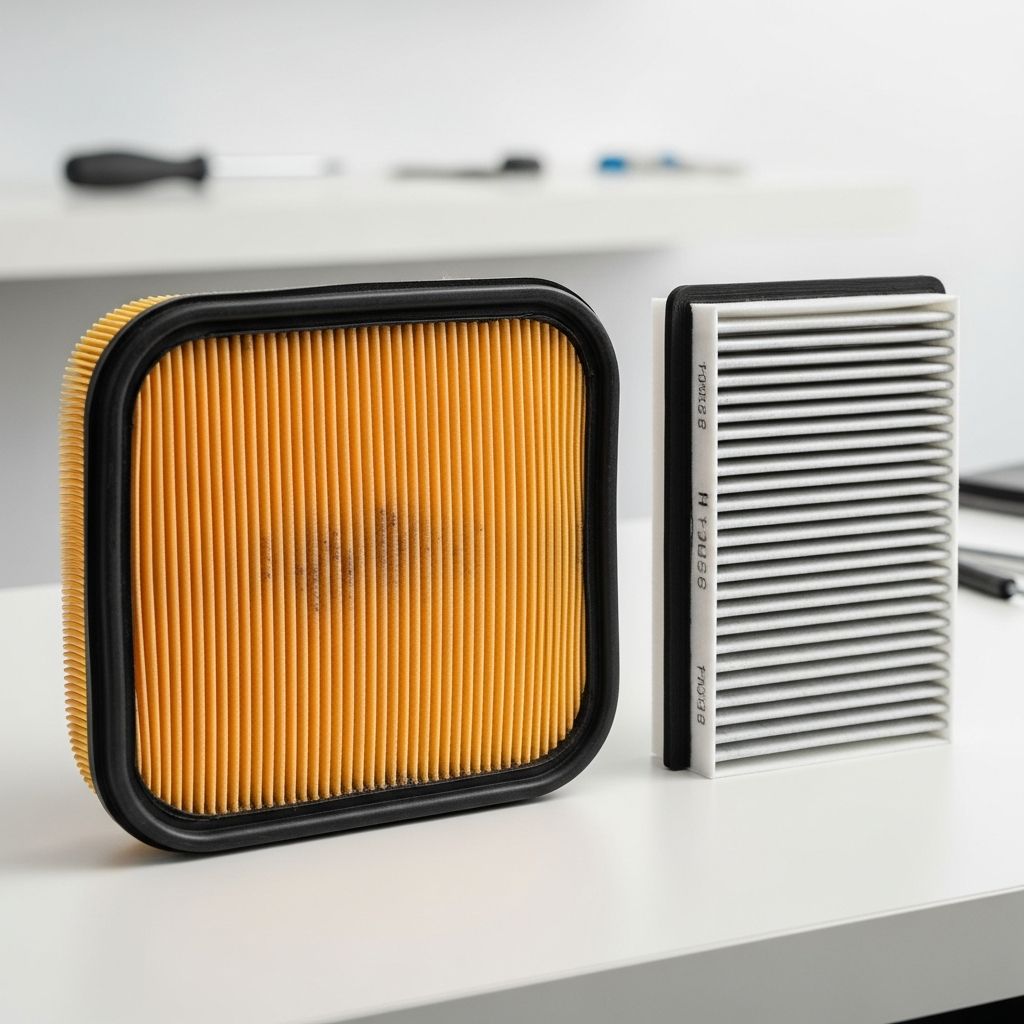
Your vehicle’s respiratory system relies on two distinct but equally important filtration components working in tandem. While many vehicle owners treat these filters interchangeably, they serve fundamentally different purposes and require separate maintenance schedules. Understanding the distinction between your engine air filter and cabin air filter is essential for maintaining optimal vehicle performance, fuel efficiency, and interior air quality.
Understanding the Dual Filtration System
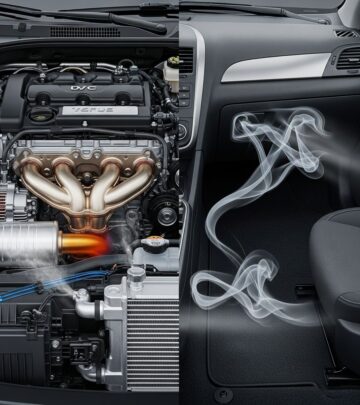
Modern vehicles incorporate a sophisticated air management strategy that protects both the engine’s operational efficiency and your driving comfort. Just as your lungs filter harmful particles from the air you breathe, your vehicle’s dual filtration system removes contaminants before they can cause damage or compromise air quality. These filters work independently to address two separate airflow pathways—one dedicated to engine combustion and another serving the passenger cabin climate control system.
The importance of maintaining both filters cannot be overstated. A compromised filtration system leads to deteriorating engine performance, reduced fuel economy, and diminished air quality inside your vehicle. Recognizing the specific role each filter plays helps you prioritize maintenance and address problems before they escalate into costly repairs.
The Engine Air Filter: Protecting Your Engine’s Heart
Primary Function and Design
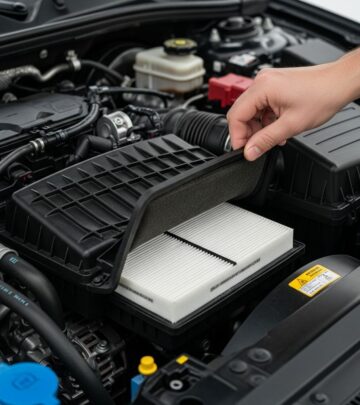
The engine air filter serves as the first line of defense against airborne contaminants entering your engine’s combustion chambers. This pleated component, typically constructed from natural and synthetic fibers, traps dust, dirt, pollen, and debris before they can reach critical engine components. The filter’s design directly impacts how effectively it captures particles while maintaining adequate airflow for optimal combustion.
Engine air filters are notably larger and more robustly engineered than their cabin counterparts due to the substantial volume of air that passes through them during vehicle operation. The complex pleated structure maximizes surface area, allowing the filter to capture harmful particles while presenting minimal resistance to airflow. This balance between filtration efficiency and air passage is crucial for maintaining engine performance.
Location and Installation
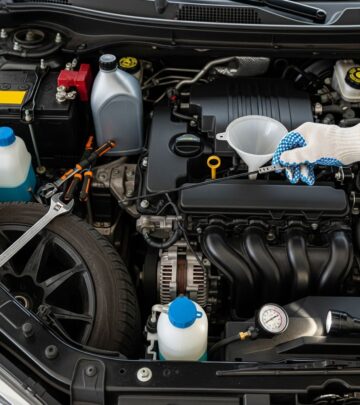
You’ll find the engine air filter located under the hood, typically housed in an air cleaner assembly near the front of the engine bay. This positioning allows the filter to intercept incoming air before it reaches the engine’s air intake manifold. The convenient location makes engine air filter replacement one of the more straightforward maintenance tasks most vehicle owners can perform themselves with basic tools.
The filter sits within a plastic or metal housing designed to ensure all incoming air passes through the filtration media. This sealed system prevents unfiltered air from bypassing the filter and entering the engine, which would defeat the purpose of the filtration system entirely.
Consequences of Neglect
A clogged engine air filter restricts airflow, forcing your engine to work harder and consume more fuel to achieve the same performance. This inefficiency manifests in several observable ways:
- Reduced fuel economy: The engine compensates for reduced oxygen availability by burning more fuel
- Diminished power and acceleration: Less airflow compromises the combustion process, resulting in sluggish performance
- Engine misfires: Severely restricted airflow causes the engine to struggle, producing popping sounds or hesitation during acceleration
- Check Engine warning: Prolonged operation with a dirty filter triggers diagnostic trouble codes as the engine operates outside normal parameters
The Cabin Air Filter: Prioritizing Your Comfort and Health
Function Within the HVAC System
The cabin air filter operates within your vehicle’s heating, ventilation, and air conditioning (HVAC) system, filtering the air that flows through your dashboard vents and into the passenger compartment. This filter prevents dust, pollen, pollutants, odors, and allergens from entering the air you breathe while driving. Beyond air quality improvement, the cabin filter protects your climate control system from debris that could damage delicate components and reduce operational efficiency.
The cabin air filter also plays an underappreciated role in system longevity. By preventing particles from reaching internal HVAC components, the filter reduces strain on the blower motor and allows the air conditioning and heating systems to operate at peak efficiency.
Filter Types and Technology
Cabin air filters come in two primary configurations, each offering distinct advantages:
| Filter Type | Composition | Capabilities |
|---|---|---|
| Particulate Filters | Dust-trapping media without odor control | Captures particles as small as 0.3 microns, including pollen, mold spores, soot, and bacteria |
| Activated Carbon Filters | Particulate media plus activated charcoal layer | Removes particles and absorbs harmful gases, fuels, ozone, and carbon monoxide; prevents mold buildup |
The activated carbon option represents an upgrade that addresses both particulate and gaseous contaminants. The charcoal layer absorbs odors and harmful gases that escape from traffic pollution, fuel vapors, and other atmospheric sources. Many modern cabin filters also incorporate anti-bacterial coatings for enhanced protection against microbial growth.
Location Considerations
Cabin air filters are typically located within your vehicle’s HVAC system, most commonly behind the glove compartment. Some vehicles position them under the dashboard or behind kick panels. This concealed location provides space efficiency but often complicates replacement, as removing the glove box or trim panels becomes necessary. Many vehicle owners prefer professional installation due to these accessibility challenges.
Indicators of Cabin Filter Degradation
A dirty cabin air filter produces distinct warning signs that differ significantly from engine filter problems:
- Weak airflow through vents: Reduced pressure from the blower motor indicates filter clogging
- Unpleasant cabin odors: Trapped contaminants create breeding grounds for bacteria and mildew, producing foul smells
- Compromised defrosting: Restricted airflow prevents adequate windshield clearing, reducing visibility and safety
- Increased allergies: Poor air filtration allows allergens like pollen and dust to accumulate inside the cabin
- Blower motor noise: Debris from a packed filter can lodge in the fan motor, producing rattling or grinding sounds
Replacement Intervals and Maintenance Schedules
Engine Air Filter Timeline
Engine air filters typically require replacement once per year under normal driving conditions, though more frequent changes may be necessary depending on your environment and driving patterns. Heavy traffic, dusty conditions, unpaved roads, or frequent towing accelerate filter saturation. Checking your air filter during routine oil changes helps you determine whether replacement is needed before the scheduled interval arrives.
Cabin Air Filter Timeline
Cabin air filters enjoy a longer service life than engine filters, with replacement intervals around two years under typical conditions. However, this timeline depends heavily on environmental factors. Urban drivers exposed to heavy traffic and pollution may need to replace cabin filters annually, while rural drivers in cleaner environments might extend replacement to three years. Regular inspection during vehicle service appointments identifies when replacement becomes necessary.
Developing Your Maintenance Strategy
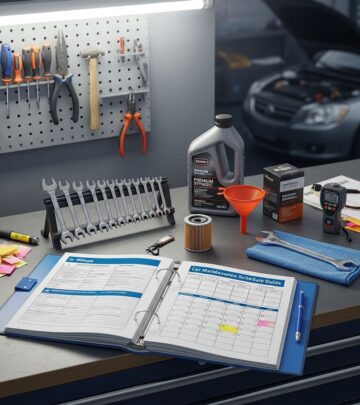
Rather than relying solely on time-based intervals, adopt a proactive inspection approach. During scheduled maintenance visits, request that your technician evaluate both filters and provide recommendations based on actual condition rather than predetermined schedules. This personalized approach prevents premature replacement while ensuring you don’t exceed safe operating intervals.
Comparative Analysis: Side-by-Side Differences
| Characteristic | Engine Air Filter | Cabin Air Filter |
|---|---|---|
| Primary Purpose | Protects engine from airborne contaminants | Improves cabin air quality and HVAC efficiency |
| Location | Engine bay air cleaner housing | HVAC system, behind glove box or dashboard |
| Size | Larger to handle higher airflow volume | Smaller, designed for compact spaces |
| Design Complexity | Complex pleated structure for maximum efficiency | Simpler design, often with carbon layers |
| Replacement Frequency | Annually or as needed | Every two years or as needed |
| DIY Installation | Relatively straightforward | May require professional service |
| Impact When Dirty | Engine performance degradation | Comfort and health concerns |
Diagnostic Guide: Identifying Filter Problems
Engine Filter Warning Signs
Pay attention to performance changes that coincide with inadequate filter maintenance. A reduction in fuel economy without obvious explanation often points to engine air filter restriction. Similarly, hesitation during acceleration or unusual engine sounds during cold starts suggest your engine isn’t receiving adequate unfiltered air. The check engine light illuminating in conjunction with performance symptoms indicates the need for immediate filter inspection.
Cabin Filter Warning Signs
Interior comfort deterioration provides the most obvious cabin filter indicators. When you notice that your climate control system no longer delivers the expected temperature quickly, or when defrosting takes considerably longer than normal, your cabin filter likely needs attention. Unpleasant smells circulating through the ventilation system warrant immediate filter replacement, as lingering odors indicate bacterial growth inside the filter.
Frequently Asked Questions
Can I drive with a dirty air filter?
While you can technically operate your vehicle with a dirty engine air filter, doing so accelerates engine wear, reduces performance, and decreases fuel efficiency. A severely clogged filter may eventually cause the check engine light to illuminate. A dirty cabin filter won’t damage your engine but compromises interior air quality and HVAC efficiency. Neither situation should persist beyond your next maintenance appointment.
Are all cabin air filters compatible with my vehicle?
No. Different vehicles use different cabin air filter sizes and configurations. Always verify the correct filter specification for your vehicle before purchasing. Using the wrong filter compromises filtration effectiveness and may fail to fit properly in your HVAC system.
What happens if I ignore filter maintenance entirely?
Neglecting both filters creates a compounding problem. Your engine experiences reduced efficiency and premature wear, while your cabin accumulates pollutants that affect driving comfort and your respiratory health. Over time, contamination from a neglected cabin filter can damage HVAC components, requiring expensive repairs.
Should I clean and reuse filters instead of replacing them?
Engine air filters can sometimes be carefully cleaned and reused, though replacement typically proves more effective. Cabin air filters should always be replaced rather than cleaned, as their pleated design and carbon layers don’t restore effectiveness after becoming saturated with contaminants.
Maintaining Your Vehicle’s Respiratory Health
Your vehicle’s air filtration system deserves attention equal to oil changes and tire rotations. By understanding the distinct roles of engine and cabin air filters, you make informed maintenance decisions that extend vehicle longevity, improve performance, and enhance driving comfort. Establish a maintenance calendar that includes inspection of both filters during routine service visits, and don’t hesitate to replace them when warning signs appear. Proactive filter maintenance preserves your vehicle’s efficiency while ensuring the air you and your passengers breathe remains clean and healthy throughout every journey.
References
- Engine Air Filter vs. Cabin Air Filter: What’s the Difference? — AutoZone. 2024. https://www.autozone.com/diy/filters/engine-air-filter-vs-cabin-air-filter
- Breathing Easy: Understanding Cabin Air Filters vs Engine Air Filters — AutoCare Plus. 2024. https://www.autocareplus.com/blog/breathing-easy-understanding-cabin-air-filters-vs-engine-air-filters/
- Are All Cabin Air Filters the Same? — PG Filters. 2024. https://www.pgfilters.com/resources/articles/are-all-cabin-air-filters-the-same/
Similar Articles








Read full bio of Sneha Tete