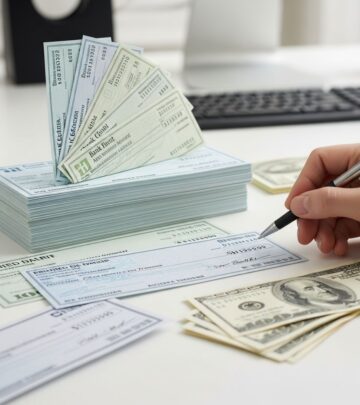
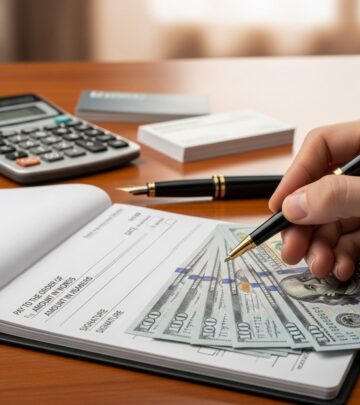
Endorsing Checks: 6 Essential Steps For Secure Deposits
Master the art of check endorsement to securely deposit or cash payments while avoiding common pitfalls and fraud risks.
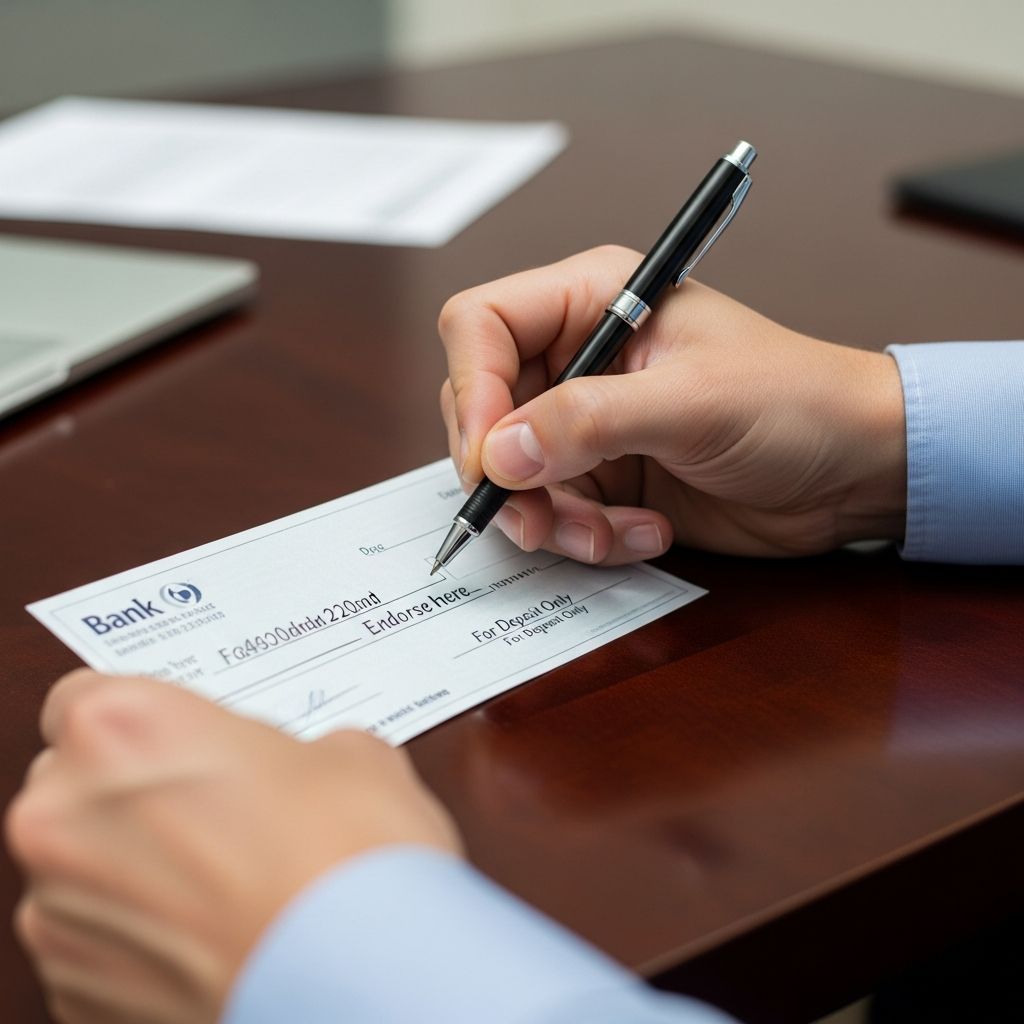
Endorsing a check is a fundamental banking process that authorizes the transfer of funds from the payer to the payee. By signing the back of the check in the designated area, you confirm receipt and permit your bank to process the payment, whether for deposit or cash withdrawal. This simple act serves as a security measure to verify identity and prevent unauthorized transactions.
Why Endorsement Matters in Modern Banking
Even in a digital age dominated by electronic transfers, paper checks remain common for payroll, reimbursements, and vendor payments. Banks require endorsements to mitigate fraud risks, ensuring only the intended recipient accesses the funds. Failure to endorse properly can lead to rejected deposits, delays, or even check bounces. According to banking standards, endorsements confirm the payee’s approval, reducing liability for financial institutions.
Understanding endorsement rules helps avoid errors, especially with varying bank policies. For instance, mobile deposits often demand specific notations to comply with federal regulations like those from the Consumer Financial Protection Bureau, which prioritize matching written and numerical amounts.
Preparing to Endorse: Essential Pre-Checks
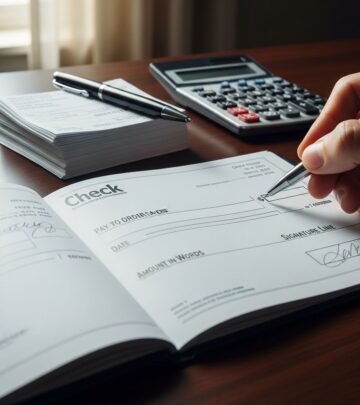
Before applying ink, scrutinize the check’s front side thoroughly. Verify the payee name matches yours exactly, as listed in the ‘Pay to the Order Of’ field. Confirm the date is current—banks typically reject checks over six months old—and ensure the numerical amount aligns with the written version. Discrepancies default to the written amount per federal guidelines.
- Signature Validation: The payer’s signature in the bottom-right corner must match the account holder’s name in the top-left. Unsigned checks are invalid.
- No Alterations: Look for erasures, stains, or ‘VOID’ markings that could signal tampering.
- Payee Clarity: For joint payees, note ‘and’ versus ‘or’—’and’ requires all signatures, while ‘or’ needs just one.
If issues arise, contact the issuer immediately for corrections rather than risking rejection at the bank.
Locating and Using the Endorsement Area
Flip the check over to find the endorsement section, usually marked ‘Endorse Here’ with lines above a ‘Do Not Write Below This Line’ warning. This confines signatures to prevent overflow into processing zones used by bank scanners. Use black or blue permanent ink pens—never pencil—for durability and fraud resistance.
Sign exactly as your name appears on the front. For misspellings, sign the erroneous version first, followed by the correct one beneath it. Match your usual bank signature style to avoid verification holds.
Types of Check Endorsements Explained
Different scenarios call for specific endorsement methods, each offering varying security levels. Here’s a breakdown:
| Type | Description | Use Case | Security Level |
|---|---|---|---|
| Blank Endorsement | Signature only in the endorsement box. | Cashing at a bank teller or ATM deposit where cash option is desired. | Low – Negotiable by anyone holding the check. |
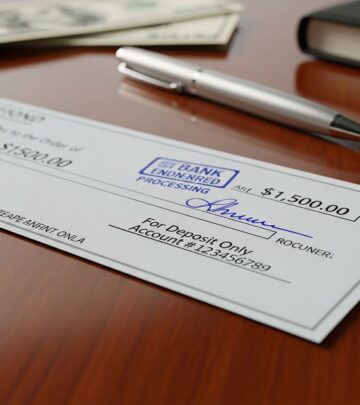
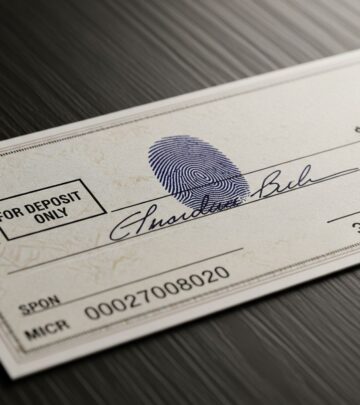
| Restrictive Endorsement | ‘For Deposit Only’ + account number + signature. | Mobile or ATM deposits to limit to account crediting only. | High – Prevents cashing or third-party transfers. |
| Mobile Deposit Endorsement | ‘For Mobile Deposit Only’ + date + signature. | App-based deposits per bank requirements. | High – Specific to digital processing. |
| Third-Party Endorsement | Sign and add ‘Pay to [New Payee]’. | Transferring to another person (use cautiously). | Medium – Increases fraud risk if lost. |
Blank endorsements provide flexibility but heighten theft risks, as the check becomes bearer paper. Restrictive versions are recommended for mail or ATM use.
Handling Special Endorsement Situations
Multiple Payees
Checks to two or more people hinge on conjunctions. ‘John and Jane Doe’ demands both signatures; ‘John or Jane Doe’ allows one. All must sign within the box, ideally with restrictive notes for safety.
Misnamed or Business Checks
For businesses, write the entity name, followed by the signer’s name, title (e.g., ‘CEO’), and restrictions like ‘For Deposit Only’. Misnamed individuals sign both versions sequentially.
Cashier’s Checks and Money Orders
These require endorsements similar to personal checks but may need teller verification due to higher values. Always add restrictions.
Step-by-Step Endorsement Process
- Inspect Front: Confirm payee, amounts, date, and payer signature.
- Identify Requirements: Single, joint, or business payee rules.
- Locate Box: Back side, ‘Endorse Here’ area.
- Choose Type: Blank for cash, restrictive for deposit.
- Sign Precisely: Match name and style, use permanent ink.
- Deposit Promptly: Avoid stale-dating over six months.
Security Best Practices to Prevent Fraud
Check fraud costs billions annually. Protect yourself by:
- Endorsing only at deposit time, not in advance.
- Using restrictive endorsements for non-in-person methods.
- Shred rejected checks securely.
- Monitoring accounts post-deposit for unauthorized activity.
- Reporting suspicions to your bank immediately.
For mobile deposits, cross out endorsed areas after scanning and write ‘Mobile Deposit Complete’ with the date.
Common Mistakes and How to Avoid Them
Errors delay funds:
- Wrong Ink: Pencil smudges; use ballpoint.
- Overflow Writing: Stay in the box.
- Mismatched Signatures: Practice consistency.
- Ignoring Bank Rules: Check app-specific instructions.
Depositing Endorsed Checks: Methods Compared
| Method | Endorsement Needed | Pros | Cons |
|---|---|---|---|
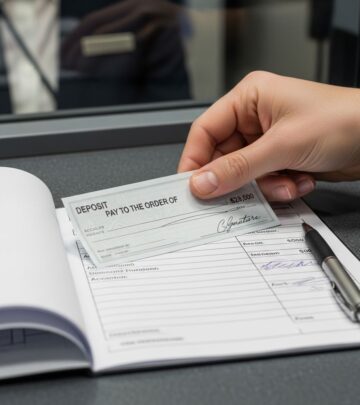
| In-Branch Teller | Blank or Restrictive | Immediate cash possible; verification help | Travel required |
| ATM | Restrictive recommended | Convenient 24/7 | Funds hold possible |
| Mobile App | For Mobile Deposit Only | No travel; quick | Photo quality issues |
| Restrictive with account # | Hands-off | Slow; loss risk |
Select based on urgency and security needs.
Frequently Asked Questions (FAQs)
Can I endorse someone else’s check?
Only with third-party endorsement, but it’s risky and often discouraged by banks.
What if my name is misspelled?
Sign both the misspelled and correct versions.
How long is a check valid after endorsement?
Endorse just before deposit; checks stale after six months unsigned.
Do I need to endorse for mobile deposit?
Yes, typically with ‘For Mobile Deposit Only’.
What’s the safest endorsement method?
Restrictive ‘For Deposit Only’ to your account.
Advanced Tips for Frequent Check Handlers
Businesses should standardize procedures: Use stamp endorsements where permitted, train staff on joint rules, and integrate with accounting software for tracking. For high-volume users, consider electronic alternatives like ACH to minimize paper risks.
Stay updated on Uniform Commercial Code (UCC) changes, which govern endorsements nationally. Recent emphases include digital imaging standards for faster clearing.
References
- How to Endorse a Check — PNC Bank. 2023. https://www.pnc.com/insights/personal-finance/spend/how-to-endorse-a-check.html
- How to Endorse a Check: 6 Important Steps — Regions Bank. 2024. https://www.regions.com/insights/personal/article/how-to-endorse-a-check
- How to Endorse a Check in United States — Comun App. 2023. https://www.comun.app/en/blog/how-to-endorse-a-check-in-united-states
- How to Endorse a Check — Chase Bank. 2024. https://www.chase.com/personal/banking/education/basics/how-to-endorse-a-check
- How to Endorse a Check: Key Steps and Benefits — SBiCA Bank. 2023. https://www.sbical.bank/education-center/how-to-endorse-a-check
- How to Endorse a Check: Step-by-Step Guide — Bankrate. 2025. https://www.bankrate.com/banking/checking/how-to-endorse-check/
Similar Articles








Read full bio of Sneha Tete