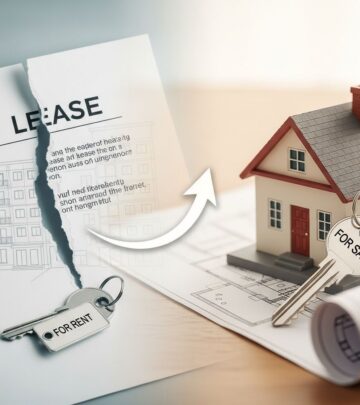
Ending Your Rental Lease Early
Discover legal ways to exit your apartment or house lease ahead of schedule without facing heavy financial penalties.

Rental agreements bind tenants to specific terms, but life events often demand flexibility. Terminating a lease before its end date requires understanding state-specific rules, federal protections, and contractual options to avoid owing rent for unused months or forfeiting deposits.
Legal Foundations for Early Termination
Landlord-tenant laws vary by location, but common principles allow early exits under justified circumstances. Fixed-term leases typically last 12 months, after which they may convert to month-to-month with shorter notice periods. Breaking early without cause exposes tenants to liability for remaining rent, though landlords must mitigate damages by seeking new occupants.
Federal statutes provide safeguards. The Servicemembers Civil Relief Act (SCRA) permits active-duty military personnel to terminate leases if orders require relocation at least 50 miles away, with 30 days’ written notice. Protection extends from duty start until 30-90 days post-discharge, provided duty lasts at least 90 days.
- Military Deployment: Submit orders as proof; no further rent owed after notice period.
- Domestic Violence Victims: Many states, including North Carolina, allow termination with documentation like police reports or protective orders, ending liability on the last tenancy day.
- Foreclosure Scenarios: Tenants in properties with 15 or fewer units can end leases 10-90 days post-sale notice.
Reviewing Your Lease Document Thoroughly
Begin by examining your agreement for built-in flexibility. Many include early termination clauses specifying fees—often 1-2 months’ rent—plus notice requirements like 30-60 days. Adhering to these prevents breach claims and covers landlord re-rental costs.
| Clause Type | Typical Requirements | Benefits |
|---|---|---|
| Early Termination Fee | Pay 1-2 months’ rent + 30 days notice | Avoids full remaining balance liability |
| Subletting Permission | Landlord approval for replacement | Transfers responsibility seamlessly |
| Mutual Agreement | Negotiated written terms | Custom fees or waivers possible |
Absence of such provisions doesn’t bar options; negotiation remains viable. Document everything to protect against disputes.
Negotiation Strategies with Property Owners
Open dialogue often yields solutions. Approach landlords early, explaining circumstances honestly—job changes, family needs, or relocations. A strong payment history strengthens your position for fee reductions or deposit returns.
Propose alternatives:
- Offer to secure a qualified replacement tenant with solid credit and references, easing the landlord’s search.
- Suggest subleasing, if permitted, where you remain liable but a new occupant pays rent.
- Request mutual termination in writing, outlining move-out dates and final payments.
Provide 30-60 days’ written notice stating reasons and proposed end date. This professionalism can prevent escalation to collections or credit damage.
Protected Reasons Exempt from Penalties
Certain conditions legally justify penalty-free exits. Beyond military and violence cases:
- Uninhabitable Conditions: Documented issues like mold, pests, or absent repairs breach the warranty of habitability, allowing termination.
- Landlord Violations: Failure to maintain quiet enjoyment or lease covenants provides grounds.
- Disability Accommodations: Fair Housing Act may require lease breaks as reasonable adjustments, without fees.
- Month-to-Month Conversions: Post-fixed term, 30 days’ notice (or 2 days for week-to-week) suffices.
Non-protected reasons like job moves or schooling rarely qualify without landlord consent.
Financial Implications and Mitigation
Unauthorized breaks trigger risks: unpaid rent reported to credit bureaus, lawsuits for balances, or deposit losses. Landlords must attempt re-rental; you’re liable only until a new tenant occupies.
Minimize exposure:
- Assist in marketing the unit via photos or showings.
- Pay prorated rent through move-out.
- Leave property in pristine condition to reclaim deposits.
Credit impacts linger if debts go unpaid; resolve via payment plans to safeguard scores.
Step-by-Step Process for Smooth Exit
Follow this roadmap:
- Assess Eligibility: Check for protected status or clauses.
- Notify in Writing: Send certified mail with details.
- Negotiate Terms: Propose solutions collaboratively.
- Find Replacements: Screen prospects matching landlord criteria.
- Document Move-Out: Photos, walkthroughs, final payments.
- Seek Legal Advice: Attorneys clarify local nuances if disputes arise.
State variations matter; e.g., North Carolina emphasizes SCRA compliance and violence protections.
Frequently Asked Questions
Can I break a lease for a new job?
Generally no, unless negotiated. Offer a replacement to offset losses.
What notice is required?
30-60 days typically, or as per lease/SCRA (30 days).
Does subletting release me fully?
No; you’re often jointly liable unless landlord agrees otherwise.
How does early exit affect credit?
Only if unpaid debts are reported; proactive resolution prevents dings.
Are fees always 2 months’ rent?
Varies by agreement; negotiate lower based on circumstances.
Preventive Measures for Future Leases
Anticipate changes by selecting shorter terms or including flexible clauses. Research local laws pre-signing and build rapport with owners early. Month-to-month options post-term offer easiest exits.
In summary, while early termination carries hurdles, informed actions—leveraging laws, communicating effectively, and offering value—often lead to amicable resolutions. Consult professionals for tailored advice amid evolving regulations.
References
- Breaking a Lease in North Carolina – A Comprehensive Guide — DoorLoop. 2024. https://www.doorloop.com/laws/breaking-a-lease-in-north-carolina
- How to Break Your Apartment Lease Without Penalty — Extra Space Storage. 2024. https://www.extraspace.com/blog/moving/how-to-break-your-lease-the-smart-way/
- How to End a Residential Lease Early — LawInfo. 2024. https://www.lawinfo.com/resources/landlord-tenant/how-to-end-a-residential-lease-early.html
- Tenant’s Right to Break a Rental Lease in North Carolina — Nolo. 2024. https://www.nolo.com/legal-encyclopedia/tenants-right-break-rental-lease-north-carolina.html
- Breaking a Lease in North Carolina: Landlord/Tenant Guide 2024 — TurboTenant. 2024. https://www.turbotenant.com/rental-lease-agreement/north-carolina/laws/breaking-a-lease/
- Can You Break a Lease Early? Tenant Rights Explained — YouTube (eForms). 2024. https://www.youtube.com/watch?v=5Q9y-UGaIA8
Similar Articles








Read full bio of Sneha Tete