End Potato Prejudice: 10 Reasons to Eat Potatoes
Discover 10 compelling reasons why potatoes deserve a spot in your healthy, budget-friendly diet beyond the carb stigma.
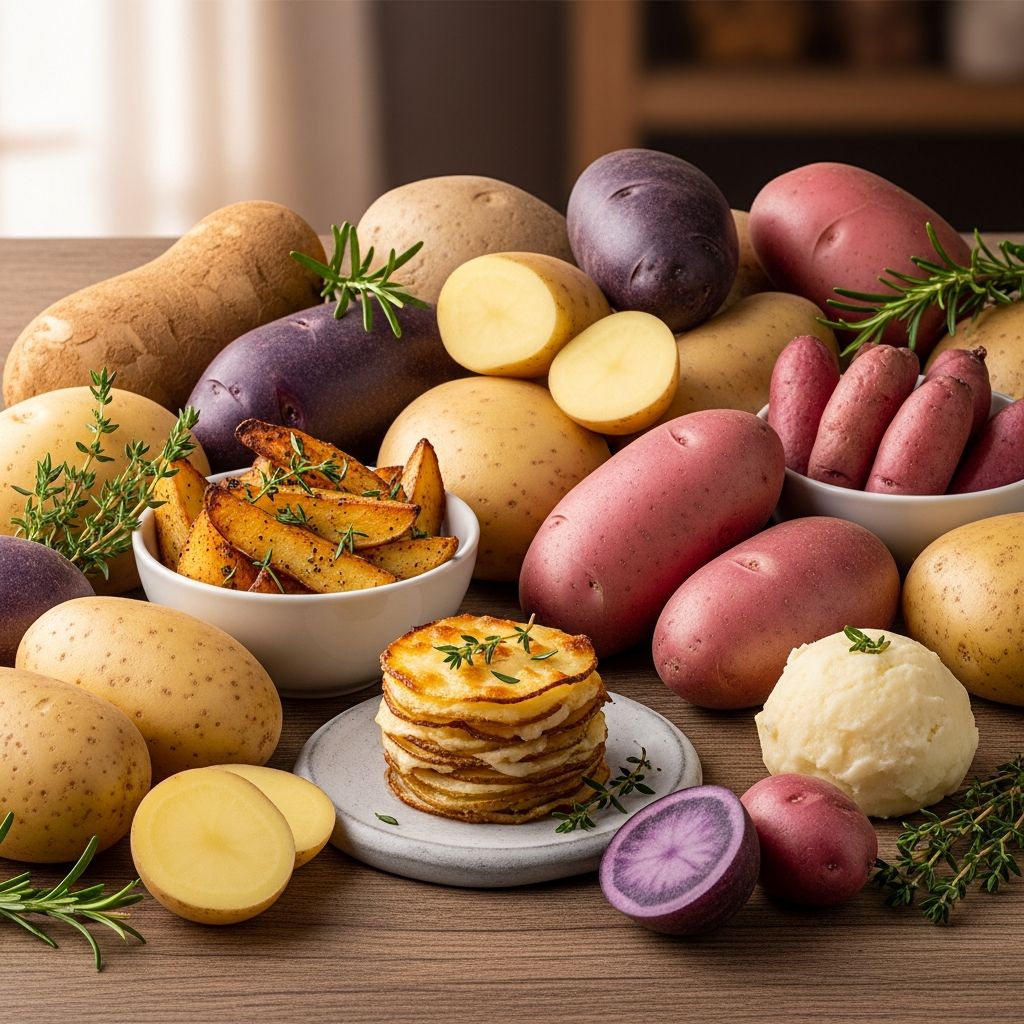
Potatoes have long suffered from a bad reputation in health circles, often labeled as mere “empty carbs” or diet villains due to their association with french fries and chips. However, this prejudice overlooks their impressive nutritional profile, versatility, and affordability. Far from being junk food, potatoes are a nutrient-dense staple that can enhance your diet when prepared right. Backed by scientific research, this article outlines
10 compelling reasons
to embrace potatoes, from their vitamin-packed punch to their role in weight management and disease prevention. Whether baked, boiled, or roasted, potatoes offer exceptional value for health-conscious eaters on a budget.1. Packed With Essential Nutrients
Potatoes are a powerhouse of vitamins and minerals, making them one of the most nutrient-dense vegetables available. A medium baked potato (173 grams) with skin delivers 28% of the daily recommended intake (RDI) of vitamin C, 27% of vitamin B6, 26% of potassium, and significant amounts of manganese, magnesium, phosphorus, and niacin. These nutrients support immune function, energy metabolism, and muscle health. Harvard’s Nutrition Source confirms potatoes provide potassium, fiber, vitamin C, and B6, emphasizing their value in a balanced diet when eaten with skin.
- **Vitamin C**: Essential for collagen production and antioxidant defense; one potato meets nearly a third of daily needs.
- **Potassium**: More than a banana per serving, aiding blood pressure regulation.
- **Fiber**: 3.8 grams per medium potato promotes satiety and gut health.
Studies show potatoes contribute disproportionately to key nutrients relative to calories consumed. For teens aged 14-18, they provide 23% of dietary fiber and 20% of potassium while accounting for just 11% of energy intake.
2. Rich in Antioxidants
Potatoes contain potent antioxidants like flavonoids, carotenoids, and phenolic acids that neutralize free radicals, reducing risks of heart disease, diabetes, and cancer. Colored varieties, such as purple potatoes, boast three to four times more antioxidants than white ones. A test-tube study demonstrated potato antioxidants suppress liver and colon cancer cell growth. In adults at heart disease risk, consuming purple potatoes for four weeks lowered systolic blood pressure by 5 mmHg and diastolic by 4 mmHg without weight gain.
These compounds combat oxidative stress, a key factor in aging and chronic illness, positioning potatoes as an anti-aging food.
3. Improve Blood Sugar Control
Despite their carb content, potatoes contain resistant starch—a type not fully digested in the small intestine but fermented in the colon by gut bacteria. This process reduces insulin resistance and enhances blood sugar management. Research links resistant starch to better glycemic control, countering myths about potatoes spiking blood sugar.
Replacing potatoes with refined grains like white rice may even increase type 2 diabetes risk, while swapping fries for whole grains lowers it by 19%. Boiled or baked potatoes, especially cooled, maximize resistant starch benefits.
4. Boost Digestive Health
Resistant starch in potatoes feeds beneficial gut bacteria, producing short-chain fatty acids like butyrate. Butyrate reduces colon inflammation, strengthens gut barriers, and lowers colorectal cancer risk. Animal and test-tube studies support these effects, with human trials needed for confirmation.
Potatoes’ fiber content further aids digestion, preventing constipation and supporting microbiome diversity. Their inclusion in diets correlates with higher overall diet quality.
5. Incredibly Satiating for Weight Management
Potatoes top the satiety index, outperforming protein-rich foods like fish and oats in fullness per calorie. Boiled potatoes suppress hunger effectively, aiding weight loss by curbing cravings. A medium potato’s high water and fiber content, combined with moderate protein (4.3g), promotes satisfaction without excess calories (161).
In trials, potato-inclusive meals matched refined grains in effects on glucose, lipids, and weight but increased fiber and potassium intake.
6. Support Heart Health
High potassium counters sodium’s blood pressure effects, while antioxidants reduce inflammation. Purple potato consumption significantly dropped blood pressure in hypertensive adults. Observational data links potato intake to better cardiovascular markers.
- Potassium: 26% RDI per potato.
- Fiber: Lowers cholesterol.
7. Extremely Versatile and Delicious
Potatoes adapt to any cuisine: boil, bake, roast, or mash. Healthier methods like oven-roasting with olive oil preserve nutrients without added fats from frying. From hearty soups to crispy wedges, they elevate meals gluten-free and vegan-friendly.
8. Most Cost-Effective Nutrition Source
Potatoes offer unmatched bang-for-buck, providing more nutrients per dollar than many produce items. They’re affordable year-round, easy to store, and grow prolifically—even home gardening yields high calories.
| Nutrient | Cost per % RDI (Potato vs. Average Produce) |
|---|---|
| Vitamin C | Potato: Lowest cost |
| Potassium | Potato: 50% cheaper |
| Fiber | Potato: Top value |
9. Gluten-Free and Allergy-Friendly
Naturally gluten-free, potatoes suit celiac and gluten-sensitive diets. Cholesterol-free, fat-free, and plant-based, they’re ideal for diverse needs.
10. Easy to Grow and Sustainable
Potatoes are among the most sustainable crops: high-yield, low-water, and storable. Home growers can produce half a family’s calories. Globally accessible, they combat food insecurity.
Frequently Asked Questions (FAQs)
Q: Are potatoes fattening?
A: No, when prepared healthily (boiled/baked), their high satiety aids weight loss. Frying adds calories.
Q: Do potatoes spike blood sugar?
A: Cooling cooked potatoes increases resistant starch, improving glycemic control.
Q: Are sweet potatoes healthier?
A: Both are nutritious; white potatoes excel in potassium and vitamin C.
Q: How much should I eat daily?
A: 1-2 medium potatoes, 2-3 times weekly, in a balanced diet.
Q: Best cooking methods?
A: Bake, boil, or roast with skin on to retain nutrients.
References
- 7 Health and Nutrition Benefits of Potatoes — Healthline (Ryan Raman, MS, RD). 2018-03-14. https://www.healthline.com/nutrition/benefits-of-potatoes
- Are Potatoes Healthy? — Harvard T.H. Chan School of Public Health. Accessed 2026. https://nutritionsource.hsph.harvard.edu/potatoes/
- Potatoes, Nutrition and Health: A Review — Alliance for Potato Research & Education (Katherine A. Beals). 2018-07. https://apre.org/wp-content/uploads/2018/07/Potato-White-Paper-Final.pdf
- Perspective: Potatoes, Quality Carbohydrates, and Dietary Patterns — PMC/NCBI (McKinley et al.). 2024. https://pmc.ncbi.nlm.nih.gov/articles/PMC10831888/
- Potato Nutrition Facts — Potatoes USA. Accessed 2026. https://potatogoodness.com/nutrition/
- End Potato Prejudice: 10 Reasons Why You Should Eat Potatoes — Wise Bread. Accessed 2026. https://www.wisebread.com/end-potato-prejudice-10-reasons-why-you-should-eat-potatoes
Similar Articles








Read full bio of medha deb