End Of The Penny: What Happens In 2026 And What To Do
Why the U.S. penny is being phased out, its historical legacy, and what it means for your wallet and coin collecting.

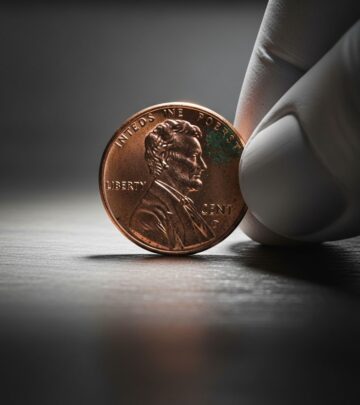
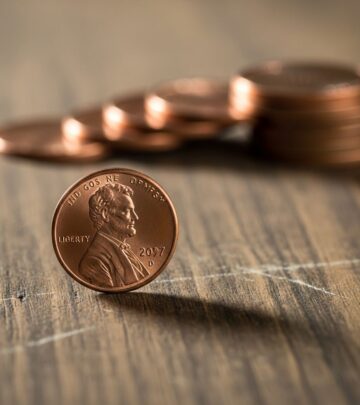
The U.S. penny, a staple of American pockets for over two centuries, is facing its final curtain call. After years of debate, the U.S. Mint has announced the phaseout of the 1-cent coin by early 2026, primarily because it costs more to produce than its face value. This decision, driven by economic realities, marks the end of an era but opens doors for savers and collectors alike. While the penny will remain legal tender, its discontinuation raises questions about everyday transactions, coin hoarding, and the future of small change.
Why the Penny Got Axed
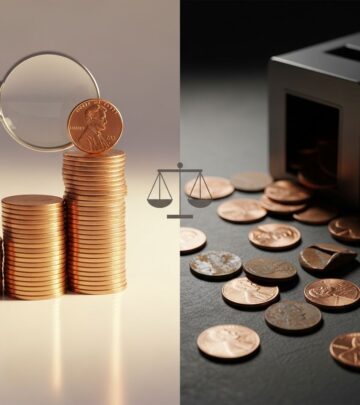
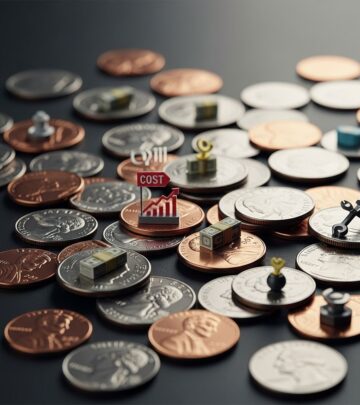
The primary reason for the penny’s demise is simple economics: production costs have soared. According to the U.S. Treasury Department, minting a single penny now costs nearly 4 cents, more than double the expense from a decade ago. This inefficiency has drained millions from taxpayer funds annually, with projected savings of $56 million per year from halting production. Copper and zinc prices, key materials in penny composition, have fluctuated wildly, exacerbated by global supply chain issues and inflation.
Advocates for elimination, including economists and business groups, argue that rounding transactions to the nearest nickel would streamline commerce without significant impact on consumers. Retailers already employ ‘leave a penny, take a penny’ trays, which could become relics. Critics, however, worry about inflation creeping in via rounding, though studies from countries that ditched their pennies show minimal price hikes.
A Rich History of the Penny
The penny’s story begins in 1793, but its iconic Lincoln design debuted in 1909, commemorating Abraham Lincoln’s centennial. Early pennies were 100% copper, shifting to bronze (95% copper) until 1982, then zinc with copper plating. Over 300 billion pennies remain in circulation today, a testament to its ubiquity.
- Key Milestones: 1793 – First U.S. cent; 1909 – Lincoln wheat penny; 1959 – Lincoln Memorial reverse; 1982 – Zinc composition; 2025 – Final production runs.
- Wheat pennies (pre-1959) are 95% copper, making them valuable for melt value and collecting.
- Rare variants like the 1943 copper penny (minted in steel during WWII) fetch thousands at auction.
This history fuels nostalgia, with many Americans hoarding copper-era pennies amid phaseout rumors.
What Happens After the Phaseout?
Production stops in early 2026, but pennies won’t vanish overnight. U.S. Treasurer Brandon Beach emphasized: ‘The penny remains legal tender,’ encouraging use of existing stock. Banks may run low, prompting a scramble for copper pennies, as seen in YouTube accounts of hoarders securing final boxes. Expect nickel hoarding next, with transactions rounded to 5 cents.
| Aspect | Before Phaseout | After Phaseout |
|---|---|---|
| Circulation | Abundant pennies | Rounding to nickel |
| Mint Cost | ~4¢ per penny | $56M annual savings |
| Hoarding | Copper pennies sought | Pre-1982 coins rise in value |
| Legal Tender | Yes | Still valid indefinitely |
Coin Hoarding: Should You Stockpile Pennies?
As news spreads, penny hoarding surges. Videos show collectors trading sealed rolls and customer-wrapped coins, with banks offering deals like ‘bring pennies tomorrow’ for more boxes. Pre-1982 copper pennies (95% copper) hold intrinsic melt value, especially if copper prices rise. Post-1982 zinc pennies have less appeal.
- Tips for Hoarders:
- Target customer rolls and bank boxes now—supply is drying up.
- Stack coppers in fives; save wheats and 2025-dated coins as novelties.
- Avoid melting—it’s illegal without U.S. Mint license.
Risks include storage space and market saturation, but rarities like 1909-S VDB ($1,500+) could boom like Canada’s post-2012 ‘Dot Penny’.
Global Precedents: Lessons from Other Countries
The U.S. isn’t first. Canada axed its penny in 2012, saving millions with negligible inflation. Australia (1992) and New Zealand (1990) followed suit, rounding prices efficiently. These nations report smoother transactions and reduced minting losses, bolstering the U.S. case.
Impact on Everyday Savings and Spending
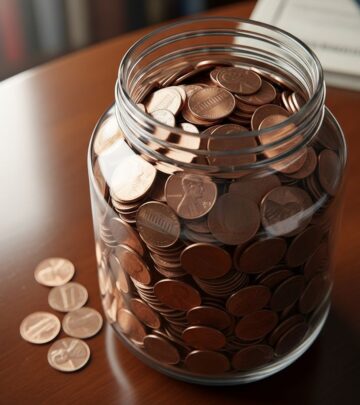
For savers, the change is minor but cumulative. Jars of pennies could become collector’s items or bulk cash. Businesses save on handling; consumers adapt to digital payments or nickel rounding. The Penny Hoarder advises rolling unused pennies for bank deposit before scarcity hits.
Potential upsides: Fewer lost coins, less pocket lint, and a push toward cashless society. Downsides: Sentimentality for those tying pennies to childhood piggy banks.
Valuable Pennies to Watch
Not all pennies are equal. Focus on these for profit potential:
- 1909-S VDB Wheat Cent: Rare, $1,500–$5,000.
- 1931-S Wheat Cent: Low mintage.
- 1943 Copper Wheat Cent: Wartime error, thousands at auction.
- Pre-1959 coppers: Melt value plus numismatic premium.
Certified coins via PCGS/NGG ensure liquidity.
Frequently Asked Questions (FAQs)
Will pennies still be legal tender after phaseout?
Yes, all existing pennies remain valid forever, per U.S. Treasurer.
Should I hoard pennies now?
Pre-1982 coppers have value; act before banks run out, but diversify.
How will prices change without pennies?
Rounding to nearest nickel; global examples show tiny inflation.
What replaces the penny?
Nickel rounding; expect more digital transactions.
Are rare pennies a good investment?
Yes for pre-1959 rarities, with scarcity driving demand.
Final Thoughts on a Penny Saved
The penny’s end symbolizes fiscal prudence amid rising costs. While nostalgic, it paves the way for efficient money management. Cash in your jars, hoard wisely, and embrace the nickel era. (Word count: 1678)
References
- What’s Happened to Penny Hoarding? – YouTube — YouTube. 2025. https://www.youtube.com/watch?v=MwBPlDwGGLk
- End of an Era: America Says Goodbye to the Penny — AARP. 2025-11-12. https://www.aarp.org/money/personal-finance/history-of-the-penny/
- The Penny’s End: How to Profit from the Coming Coin Hoarding Boom — AInvest. 2025. https://www.ainvest.com/news/penny-profit-coming-coin-hoarding-boom-2505/
- The End of the Penny — Why it Got Axed — The Penny Hoarder. 2025. https://www.thepennyhoarder.com/save-money/end-of-the-penny/
Similar Articles








Read full bio of Sneha Tete