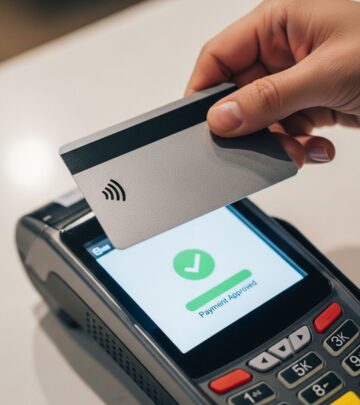
EMV Chip Technology Explained: How It Secures Payments
Discover how EMV chip cards revolutionize payment security with dynamic encryption and one-time codes, safeguarding your transactions worldwide.
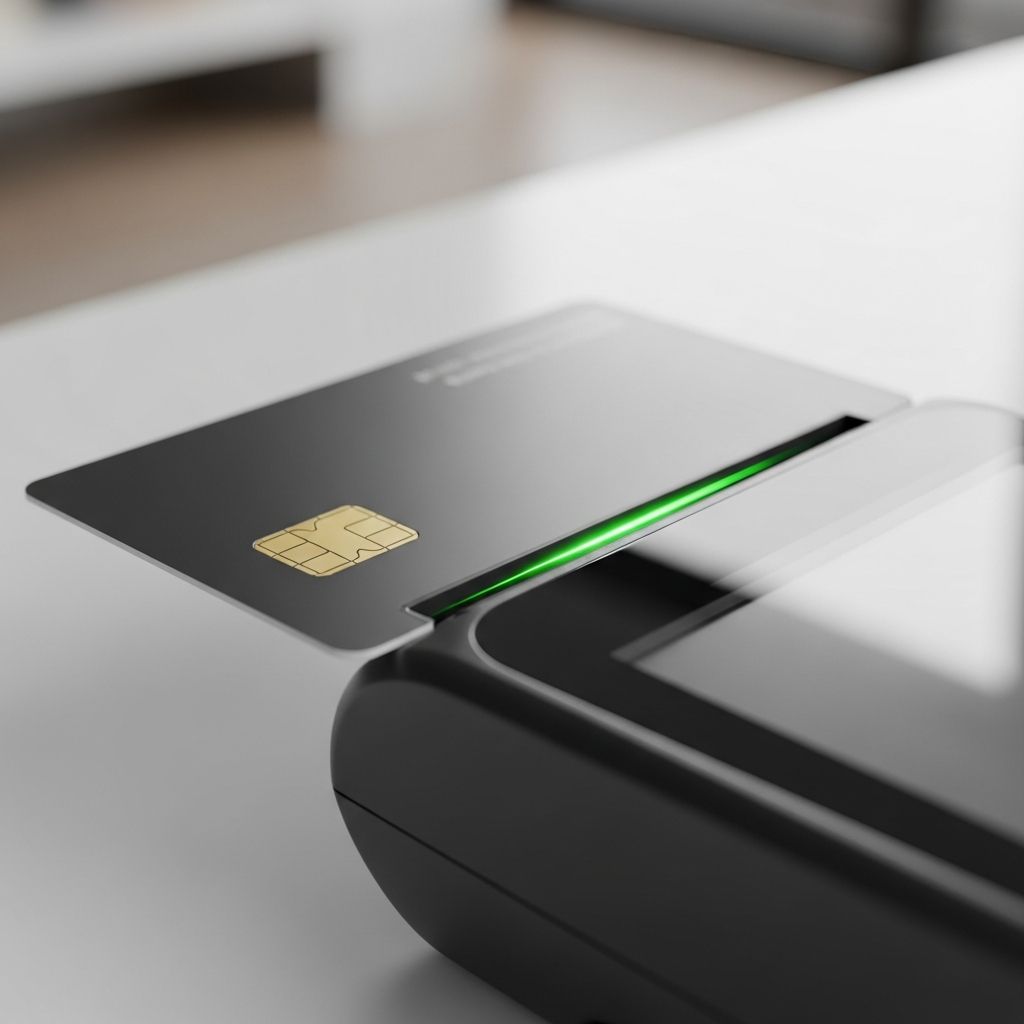
EMV chip technology has transformed the landscape of payment security by replacing vulnerable magnetic stripes with sophisticated integrated circuits. These chips embed encrypted data directly into credit and debit cards, generating unique codes for every transaction to thwart fraud attempts.
The Origins and Evolution of EMV Standards
Developed in the mid-1990s by Europay, Mastercard, and Visa, EMV emerged as a response to escalating fraud losses from counterfeit and stolen cards using static magnetic stripe data. Initially focused on contact-based chips, the standard has expanded to encompass contactless payments, mobile wallets, tokenization, QR codes, and secure remote commerce, ensuring global interoperability.
By the early 2000s, EMV adoption surged in Europe and Asia, dramatically cutting card-present fraud. In the U.S., widespread implementation began around 2015, with over 13 billion EMV cards in circulation worldwide by 2023. Today, EMVCo—a consortium including American Express, Discover, JCB, Mastercard, UnionPay, and Visa—oversees specifications, kernel certifications, and product approvals to maintain rigorous security.
Inside the EMV Chip: Hardware and Data Storage
An EMV chip is a tiny microcontroller embedded in the card, featuring a processor, memory, and operating system capable of executing cryptographic operations. Unlike magnetic stripes that store fixed data readable by simple swipers, the chip holds encrypted information in secure memory segments, including account details, cardholder verification methods, and risk parameters.
- Secure Memory: Stores sensitive data like the primary account number (PAN) in encrypted form, inaccessible without proper authentication.
- Processor: Performs real-time computations for transaction cryptograms using algorithms like Triple DES, RSA, and SHA.
- EMV Kernel: Software inside terminals that interfaces with the chip for standardized processing.
This architecture allows the chip to dynamically alter data presentation, making cloned cards ineffective since each interaction produces transaction-specific outputs.
Step-by-Step: How EMV Transactions Unfold
EMV transactions involve a secure dialogue between the card, terminal, acquirer, and issuer, powered by the chip even in contactless mode. Here’s the core process:
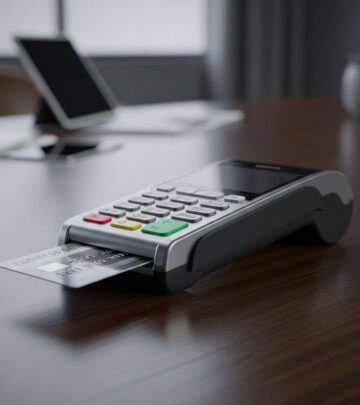
- Initiation: Insert or tap the card on an EMV-compliant terminal, which supplies power to activate the chip.
- Card Authentication: Terminal reads chip data and performs cryptographic checks (e.g., Static Data Authentication or Dynamic Data Authentication) to confirm genuineness.
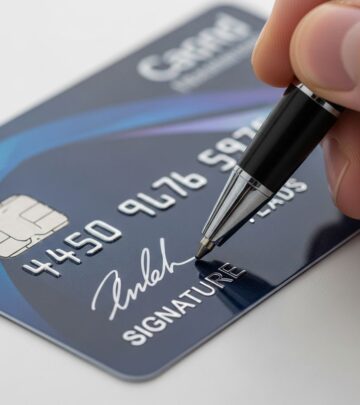
- Cardholder Verification: Enter PIN, signature, or use biometrics if configured, preventing unauthorized use.
- Risk Management: Chip and terminal assess factors like transaction amount and velocity against offline/online thresholds.
- Transaction Authorization: Chip generates a one-time cryptogram (ARQC), sent online to issuer for approval, including ARPC response.
- Completion: Issuer approves/declines; terminal updates card if needed via issuer scripts.
For contactless, NFC enables rapid exchanges under 4 cm proximity, using the same EMV protocols for speed and security.
Contact vs. Contactless: Key Differences and Capabilities
| Aspect | Contact EMV | Contactless EMV |
|---|---|---|
| Interaction | Chip insertion into slot | Tap or wave near NFC reader |
| Power Source | Terminal slot provides power | RF field from reader powers chip |
| Transaction Speed | 2-5 seconds typical | Under 1 second |
| Use Cases | High-value, PIN-required | Low-value quick payments |
| Security Protocols | Full crypto suite, SDA/DDA/CDA | Lightweight crypto, limits per session |
Contactless limits (e.g., $100 cumulative) trigger PIN for larger amounts, balancing convenience and risk.
Security Advantages Over Legacy Magnetic Stripes
Magnetic stripes broadcast static data, easily skimmed and cloned for replay attacks. EMV counters this:
- Dynamic Data: One-time cryptograms render intercepted data useless for future use.
- Cryptographic Proof: Proves card authenticity to terminal and issuer via challenges-responses.
- Fraud Reduction: Post-EMV regions saw 70-90% drops in counterfeiting; U.S. liability shifts incentivized adoption.
- Anti-Skimming: Chips resist physical tampering and data extraction.
Yet, EMV excels in card-present scenarios; card-not-present (online) fraud requires complementary tools like 3D Secure.
Global Adoption Trends and Regional Variations
Europe mandated EMV by 2005, slashing fraud; Asia followed suit. U.S. lagged due to signature reliance but accelerated post-2015 liability shift, issuing over 1 billion chips by 2019. Emerging markets leverage contactless for financial inclusion via mobile EMV.
Variations include chip-and-PIN (UK, France), chip-and-signature (U.S. transition), and QR/ token hybrids in Asia. EMVCo ensures cross-border acceptance.
EMV in the Mobile and Digital Era
EMV extends to smartphones via Host Card Emulation (HCE), provisioning virtual chips in apps like Apple Pay. Tokenization replaces PAN with device-specific tokens, provisioning via EMV Secure Remote Commerce for e-commerce.
Future enhancements include Elliptic Curve Cryptography (ECC) for faster, quantum-resistant security.
Merchant and Consumer Best Practices
- For Merchants: Upgrade to EMV Level 2 terminals; train staff on chip fallback avoidance.
- For Users: Prefer chip over swipe; shield PIN entry; monitor statements; enable alerts.
- Hybrid Use: Cards often retain magstripes for legacy support, but chips are primary.
Frequently Asked Questions (FAQs)
What does EMV stand for?
EMV represents Europay, Mastercard, and Visa, the original developers of chip standards now managed by EMVCo.
Are all chip cards EMV compliant?
Yes, modern chips adhere to EMV specs for global acceptance; non-compliant ones limit functionality.
Why do some transactions still require signature?
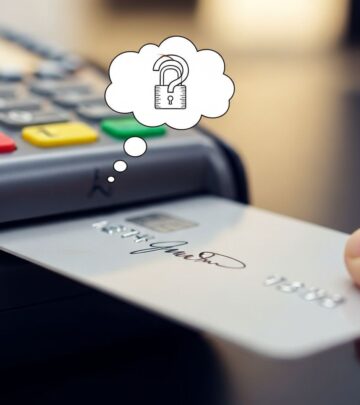
Legacy U.S. systems use chip-and-signature, phasing to PIN; issuers dictate methods.
Can EMV chips be hacked?
Hacking is exceedingly difficult due to encryption and one-time codes; physical attacks require lab conditions.
What’s the difference between EMV and NFC?
NFC is the wireless tech for contactless; EMV provides the security protocol atop NFC.
Future Directions for EMV Innovations
EMVCo advances include biometric integration, CBDC support, and post-quantum crypto. With 13+ billion cards, EMV remains payment security’s foundation, evolving for digital wallets and IoT.
References
- EMV Technology & Transactions, Explained — ACI Worldwide. 2023. https://www.aciworldwide.com/emv-payments-transactions
- How Does a Chip Card Work? — Worldpay. 2023. https://www.worldpay.com/en/insights/articles/how-does-a-chip-card-work
- EMV — Wikipedia (informed by standards). 2023. https://en.wikipedia.org/wiki/EMV
- EMV Chip Card Technology Explained — Thames Technology. 2023. https://www.thamestechnology.co.uk/inspiration/emv-chip-card-technology-explained
- EMV® Chip At-A-Glance — EMVCo. 2022-09-01. https://www.emvco.com/wp-content/uploads/2022/09/EMV%C2%AE-Chip-At-A-Glance-EMVCo-eBook.pdf
- What is EMV Technology? Chip Card Security Explained — Huntress. 2023. https://www.huntress.com/cybersecurity-101/topic/what-is-emv
- What Is EMV Chip Card Technology? — Carat from Fiserv. 2023. https://www.carat.fiserv.com/en-us/resources/emv-chip-card-technology/
Similar Articles








Read full bio of medha deb