Skills Over Degrees: What Employers Really Want
Discover why employers prioritize skills over degrees and how to position yourself for success.

The job market has undergone a significant transformation over the past few years. For decades, a college degree was considered the golden ticket to career success—a non-negotiable requirement that separated qualified candidates from those who weren’t. However, the landscape has shifted dramatically. Today’s employers are increasingly prioritizing practical skills and demonstrated competencies over traditional educational credentials.
This shift isn’t happening in isolation. According to recent research from the American Student Assistance organization, 81% of employers now believe in prioritizing skills over degrees, and 72% don’t view a degree as a reliable way to assess candidate quality. These statistics represent a fundamental change in how organizations evaluate talent and make hiring decisions.
If you’re job hunting or planning your career path, understanding this transformation is essential. This guide explores why employers are moving away from degree requirements and provides actionable strategies to position yourself as a compelling candidate in today’s skills-focused job market.
Why Employers Are Moving Away From Degree Requirements
The transition toward skills-based hiring stems from several practical business realities that employers face daily.
The Speed of Industry Evolution
One of the most compelling reasons employers are deprioritizing degrees is the rapid pace of technological and industry change. A candidate could graduate with a specific degree just 12 months ago, and what they learned is already outdated. In fields like digital marketing, software development, and cybersecurity, this reality is especially pronounced. Traditional four-year degree programs simply cannot keep pace with the evolution of tools, frameworks, and best practices that workers need to master.
This mismatch between academic training and real-world requirements has become increasingly apparent to employers. They recognize that formal education, while valuable for foundational knowledge, often falls short in preparing workers for the specific challenges they’ll face on day one of employment.
The Gap Between College Training and Job Readiness
Many business leaders have come to understand that a degree doesn’t guarantee job readiness, adaptability, hands-on experience, or real-world problem-solving ability. College programs typically emphasize theoretical knowledge rather than practical application. Students may graduate with strong conceptual understanding but limited experience solving actual business problems or working with real clients.
This has led some innovative companies to develop their own training pipelines. Progressive employers are investing in their own talent development rather than waiting for universities to produce ready-made workers. Instead of relying on external hiring during skills shortages, companies that employ skills-based talent strategies proactively upskill and reskill workers for future needs, which can result in significant cost savings and improved employee retention.
Talent Shortages in Critical Fields
Fields like healthcare, cybersecurity, and advanced manufacturing face acute talent shortages. When traditional degree requirements prevent companies from accessing qualified talent, they become more flexible. Rather than leaving positions unfilled, employers are creating workarounds to degree requirements and focusing on whether candidates can actually perform the job, regardless of their educational background.
The Changing Nature of Work
The job market has begun reflecting actual business needs more accurately. As of October 2024, only 17.6% of job postings listed a bachelor’s degree as a requirement, down from approximately 20% before the pandemic. This represents tens of thousands of additional job opportunities for candidates without traditional degrees.
Understanding Skills-First Hiring
Skills-first hiring is the concept that employers should evaluate prospective employees based on the skills gained through education, career training, or work experience, rather than relying on a degree as a threshold for employment. This represents a fundamental shift in how employers assess candidate qualifications.
In a skills-first model, the focus moves from “Where did you study and where have you worked?” to “What can you do right now, and what value can you immediately bring to our organization?” This approach is particularly transformative in fields where the landscape changes constantly and demonstrated ability matters more than credentials.
The Rise of Skills-Based Assessments
73% of companies are now using skills-based assessments during their hiring processes. These assessments evaluate actual capabilities rather than assuming competence based on educational background. This trend reflects a broader recognition that traditional resume screening often misses qualified candidates while overvaluing credentials that don’t correlate with job performance.
What Skills Do Employers Actually Value?
Understanding what employers seek is crucial for positioning yourself as an attractive candidate. The answer might surprise you—it’s not just technical expertise.
Durable Skills: The Foundation Employers Seek
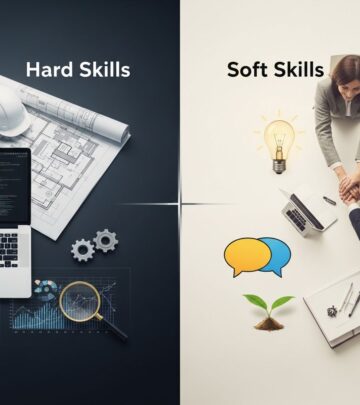
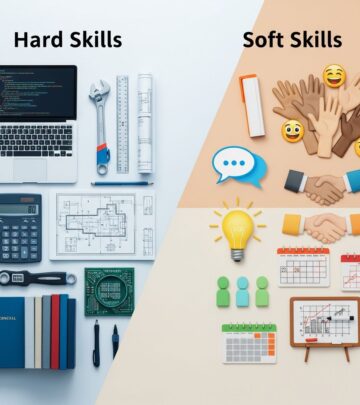
Employers increasingly focus on what are called “durable skills” or “soft skills.” These are transferable abilities that apply across industries and roles. 70% of the most requested skills in more than 82 million job postings fall into the durable skills category.
Key durable skills employers value include:
- Teamwork and collaboration
- Problem-solving and critical thinking
- Communication and presentation abilities
- Adaptability and flexibility
- Leadership and initiative
- Resilience and perseverance
Why the emphasis on these skills? Technical skills are often easy to train someone on through certification processes or on-the-job training, but durable skills are what employers desperately desire and are harder to develop later in life. Someone can learn a specific software platform relatively quickly, but cultivating the ability to communicate effectively, think critically under pressure, or lead a diverse team takes years of real-world experience.
Technical Skills in Context
While durable skills matter tremendously, technical competencies remain important—but in a new way. Rather than requiring years of formal study, employers increasingly accept demonstrated technical skills gained through:
- Coding bootcamps and intensive training programs
- Online certifications and micro-credentials
- Project-based learning and real-world applications
- Self-directed study and continuous learning
- Hands-on work experience
More than 58,000 students graduated from coding bootcamps in 2022, demonstrating that alternative pathways to technical skill development are now widely accepted by employers. Many companies explicitly state “or equivalent practical experience” when listing degree requirements, signaling openness to non-traditional backgrounds.
How to Position Yourself in a Skills-Based Job Market
Now that you understand what employers value, here’s how to demonstrate that you possess those skills and capabilities.
Showcase Relevant Skills and Accomplishments
Your resume and cover letter should clearly articulate what you can do, not just where you’ve been. Rather than listing job duties, focus on specific achievements and the skills they demonstrate:
- Instead of “Responsible for marketing projects,” write “Led cross-functional team of five to develop integrated marketing campaign that increased engagement by 40%”
- Instead of “Customer service role,” highlight “Resolved complex customer issues independently, achieving 95% satisfaction rating through effective communication and problem-solving”
- Instead of “Participated in team meetings,” show “Collaborated with engineering and product teams to identify and implement process improvements that reduced errors by 25%”
This approach transforms your resume from a list of responsibilities into a compelling narrative of capabilities and impact.
Highlight Both Hard and Soft Skills
Don’t make the mistake of focusing exclusively on technical abilities. In today’s world, soft skills like communication, teamwork, and adaptability are highly valued. Your resume and interviews should showcase instances where you’ve used these skills to create significant impact.
Demonstrate Continuous Learning
In rapidly evolving fields, demonstrating that you’re actively staying current with industry trends is tremendously valuable. Recent courses and certifications can set you apart. This shows employers that you understand the importance of ongoing skill development and are proactive about maintaining relevance.
Build Experience Through Strategic Opportunities
Take advantage of career readiness learning opportunities as early as possible through internships, project-based learning, and entrepreneurship experiences. These environments build the durable skills employers desperately want.
Leverage Alternative Learning Pathways
If you’re early in your career or considering a career change, consider alternative education options that are increasingly respected by employers:
- Coding bootcamps: Intensive programs that teach in-demand technical skills in months rather than years
- Online certifications: Micro-credentials that demonstrate expertise in specific tools or methodologies
- Professional associations: Membership and certifications that signal commitment to a field
- Real-world projects: Freelance work, consulting, or volunteer projects that build practical experience
What Employers Care About More Than Your Degree
Understanding the specific factors employers prioritize can help you focus your job search and career development efforts effectively:
Hands-On Experience
Practical, real-world experience demonstrates that you can apply knowledge in actual work situations. This could come from employment, internships, freelance work, volunteer positions, or personal projects—the source matters less than demonstrating actual capability.
Problem-Solving Ability
The ability to break down complex problems and develop solutions is universally valued. What companies ultimately want is somebody showing they can break down a problem efficiently. During interviews, have specific examples ready demonstrating how you’ve identified challenges, analyzed options, and implemented solutions.
Communication Skills
The ability to clearly articulate ideas, listen effectively, and adapt your communication style to your audience is critical across virtually every role. Employers value candidates who can explain technical concepts to non-technical stakeholders and collaborate effectively across team boundaries.
Collaboration and Teamwork
Most work happens within teams. Your ability to work effectively with diverse colleagues, contribute ideas, incorporate feedback, and support team goals is essential. Highlight experiences demonstrating these capabilities.
Adaptability and Learning Agility
The willingness and ability to learn new skills, adjust to changing circumstances, and take on unfamiliar challenges are increasingly important. Employers want people who see change as an opportunity rather than a threat.
Initiative and Proactivity
Going beyond assigned duties to identify opportunities, improve processes, or develop solutions shows initiative. Employers value self-starters who don’t wait to be told what to do.
Relevant Portfolio or Work Samples
Depending on your field, tangible proof of your capabilities—a portfolio, GitHub repositories, writing samples, case studies, or completed projects—can be more compelling than any credential.
The Implications for Job Seekers
This shift toward skills-based evaluation creates both opportunities and responsibilities.
New Opportunities Without Degree Requirements
If you don’t have a traditional degree or didn’t follow the conventional path, the skills-based market opens more possibilities. You’re now competing based on actual capability rather than credentials alone. Without having to earn a college degree, young professionals can launch their careers sooner—and with more money in their pockets, avoiding student loan debt that could delay major life goals like homeownership.
Greater Personal Responsibility
However, this shift also places greater responsibility on you as a job seeker. There’s more onus on the individual job seeker to prove their worth—you can’t just “have a degree” and think that’s good enough anymore. You must actively demonstrate capabilities and continuously develop relevant skills to remain competitive.
The Importance of Strategic Career Development
Rather than relying on a degree to signal competence, you must take ownership of your skill development. This means:
- Regularly assessing market needs and developing relevant skills
- Actively seeking opportunities to build durable skills alongside technical competencies
- Maintaining a visible record of accomplishments and capabilities
- Building a professional network and reputation in your field
- Staying current with industry trends and best practices
Frequently Asked Questions
Q: Does this mean a college degree is now worthless?
A: No. A college degree still offers value, particularly for roles requiring specific licensing or deep foundational knowledge. However, it’s no longer the automatic job-market advantage it once was. A degree combined with strong, demonstrated skills makes you highly competitive.
Q: How do I demonstrate skills if I don’t have formal education or work experience?
A: Build experience through projects, internships, volunteer work, bootcamps, certifications, freelance assignments, and personal projects. Create a portfolio showcasing what you can do. Participate in programs like CAPS Network or Employer Provided Innovation Challenges that connect you with real business problems.
Q: Are soft skills really as important as employers say?
A: Absolutely. While technical skills can often be taught relatively quickly, soft skills like communication, problem-solving, and adaptability take years to develop. They’re more difficult to train and more universally applicable, making them extremely valuable to employers.
Q: Should I pursue a bootcamp or online certification instead of a degree?
A: It depends on your specific field and goals. Bootcamps and certifications are increasingly accepted and can be faster and more affordable paths to employment. However, some fields still prefer or require traditional degrees. Research your target industry and roles to determine the best path for you.
Q: How often should I update my skills?
A: Ongoing learning should be continuous throughout your career. The pace depends on your industry—rapidly evolving fields like technology require more frequent updates, while other areas may evolve more slowly. A good approach is learning something new at least annually and staying informed about industry trends.
Q: How do I make my resume stand out if I lack traditional credentials?
A: Focus on accomplishments, specific skills, quantifiable results, and relevant projects or certifications. Use your resume to tell the story of what you can do, not where you studied. Include a portfolio link if applicable, and highlight any real-world projects or experiences that demonstrate capability.
References
- Studies Show Employers Favor Proven Skills Over Degrees — 1technation.com. Accessed January 2026. https://1technation.com/studies-show-employers-favor-proven-skills-over-degrees/
- Obtaining Tech Skills from a Bootcamp Versus a Degree: Do Employers Care? — Fortune. Accessed January 2026. https://fortune.com/education/articles/obtaining-tech-skills-from-a-bootcamp-versus-a-degree-do-employers-care/
- Skills vs. Formal Education: Which is More Marketable — Edvisors. Accessed January 2026. https://www.edvisors.com/blog/job-skills-vs-college-degrees/
Similar Articles








Read full bio of medha deb