When an Employer Can Fire You by Phone or Email
Understanding your rights: When employers can legally terminate you remotely and what protections apply.
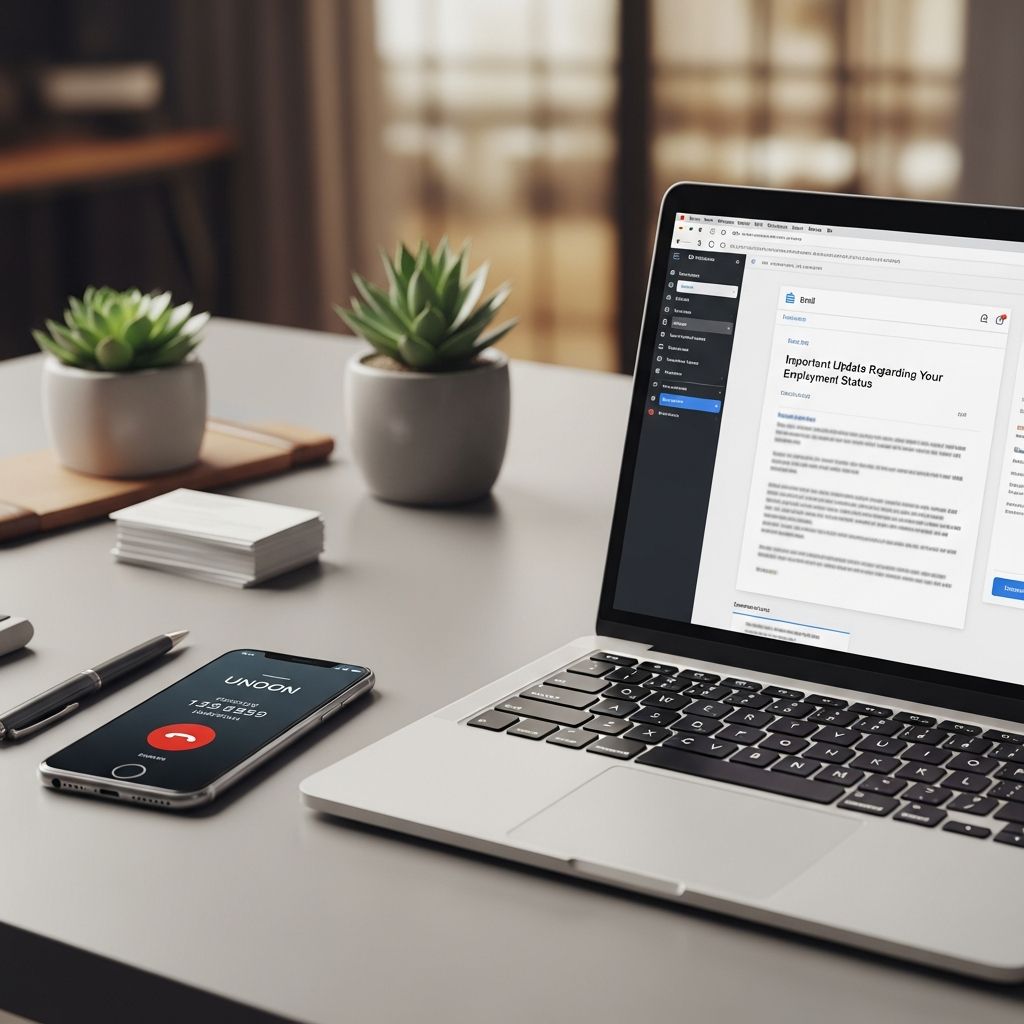
In today’s increasingly remote work environment, the question of how employers can terminate employees has become more relevant than ever. The prospect of losing your job is stressful enough without the added uncertainty of whether your employer can legally do so via phone call or email. Understanding the legality, your rights, and what to do if it happens is essential for protecting yourself in the modern workplace.
Is It Legal for Your Employer to Fire You by Phone or Email?
The short answer is: it depends. There are no federal employment laws that explicitly prohibit employers from terminating employees over the phone or via email. However, the legality of such actions varies significantly based on several factors, including your employment status, location, employment contract, and company policies.
Employment at Will vs. Contract-Based Employment
In the United States, the concept of employment at will governs most employment relationships. Under at-will employment, employers can terminate employees at any time for almost any reason, as long as it’s not illegal or discriminatory. This means that technically, an employer can fire you over the phone without violating federal law. However, this right is not absolute and comes with important exceptions.
If you have a written employment contract that specifies termination procedures—such as requiring written notice, in-person meetings, or advance notice periods—your employer must follow those guidelines. Violating the terms of your contract could expose the employer to legal liability and may give you grounds for a wrongful termination claim. Additionally, many union contracts contain specific termination procedures that employers must follow regardless of at-will employment principles.
State-Specific Legal Requirements
While no state completely prohibits phone or email terminations, many states have enacted additional protections for employees that can affect how terminations must occur. Some states require employers to provide written notice of termination, either delivered in person or through official channels. For example, Montana restricts at-will employment after a probationary period and imposes stricter requirements on employers seeking to terminate employees. Other states have enhanced wrongful termination laws that make it riskier for employers to terminate without proper procedures, even when technically legal.
Before assuming your employer can legally fire you remotely, it’s important to research your specific state’s employment laws. Many state labor department websites provide resources outlining employee protections and termination requirements. What may be legal in one state could violate labor laws in another.
When Employers Are Most Likely to Use Phone or Email Terminations
Certain circumstances make remote terminations more practical and, in some cases, more justified from a business perspective. Understanding these situations helps clarify when your employer might resort to this method.
Fully Remote Employees
Employees who work entirely remotely or are located in different geographic regions may not have practical access to in-person termination meetings. For a company with distributed teams across multiple states or countries, arranging an in-person termination meeting may be logistically unfeasible. In these situations, phone or video conference terminations become more understandable, though not necessarily more acceptable from an ethical standpoint.
Serious Misconduct Cases
When an employee engages in serious misconduct—such as threats of violence, theft, harassment, or violations of security protocols—employers may feel compelled to terminate immediately over the phone rather than wait for an in-person meeting. This approach is often justified on grounds of workplace safety or preventing further damage to the company. In such cases, revoking system access immediately after the termination call becomes a critical security measure to protect company data and systems.
Unexpected Business Closures or Mass Layoffs
During sudden business closures, unexpected company downsizing, or mass layoff situations, employers may choose phone or email terminations to communicate changes swiftly rather than delaying for individual in-person meetings. While still impersonal, this approach can be seen as fairer when delivering difficult news to multiple employees simultaneously.
Why Phone and Email Terminations Are Problematic
Even when legal, terminating employees remotely presents significant challenges and ethical concerns that extend beyond legal compliance.
Lack of Human Connection and Support
The biggest concern with phone or email terminations is the absence of human connection during a vulnerable moment. A written email notification strips away any opportunity for immediate dialogue, explanation, or emotional support. Even a phone call, while offering live conversation, lacks the body language cues, eye contact, and physical presence that characterize professional, respectful terminations. Employees may feel blindsided, disrespected, and unable to process the information effectively when delivered remotely.
Limited Opportunity for Questions and Clarification
During a phone termination, employees have limited time to ask questions about severance, benefits continuation, final paychecks, or reference eligibility. They may be too shocked or emotional to absorb all the necessary information. With email terminations, employees cannot ask clarifying questions in real time, leaving them confused and frustrated about critical details affecting their financial security.
Workplace Dignity and Reputation Concerns
How a company terminates employees reflects its values and culture. Remote terminations, particularly via email, send a message that the company doesn’t value the employee enough to have a direct conversation. This can damage the company’s reputation, affect morale among remaining employees, and potentially deter future job candidates. Word travels quickly about how companies treat departing employees.
Best Practices If Your Employer Fires You by Phone or Email
If you find yourself on the receiving end of a phone call or email termination, taking the right steps immediately can protect your interests and ensure you understand your rights and next steps.
During a Termination Phone Call
If your employer terminates you over the phone, stay calm and listen carefully to all information provided. Take detailed notes about what was said, including the effective date of termination, final pay information, benefits details, and any severance offered. Ask specific questions about your final paycheck, accrued vacation time, health insurance continuation, and any other benefits. Request that the employer send written confirmation via email documenting the termination details.
After Receiving a Termination Email
If terminated via email, carefully review all the information provided. If any details are unclear or missing, reach out immediately to your former manager or human resources department asking for clarification. Request additional details in writing about severance, final pay, benefits continuation, and return of company property. Document all communications in writing—email is best—to create a clear record of your termination and the terms discussed.
Request Written Confirmation
Whether terminated by phone or email, always request (or ensure you receive) an official termination letter or email from your employer confirming key details: final paycheck amount and date, accrued vacation or paid time off, health insurance coverage continuation options (COBRA, etc.), severance amount and payment schedule (if applicable), any non-compete or non-disclosure agreements you must honor, and the last date you have access to company systems and facilities.
Review Your Employment Rights
Examine your employment contract, company handbook, and relevant state labor laws to determine whether your termination was handled legally. Check whether your company followed required procedures, whether you received required notice, and whether the termination complies with the terms of any written agreement you signed. If you suspect wrongful termination—such as termination based on discrimination, retaliation, or violation of contractual terms—consult an employment lawyer to evaluate your situation.
Understand Your Unemployment Benefits Options
After termination, you generally have the right to apply for unemployment insurance benefits. The specific eligibility requirements and benefit amounts vary by state. Filing for unemployment quickly protects your financial interests during your job transition period.
Documentation Requirements for Employers
For employers considering phone or email terminations, proper documentation is not optional—it’s essential. Many countries and states mandate that termination details be provided in writing, regardless of whether the initial conversation occurred remotely. A phone call or email notification alone is insufficient; employers must follow up with official documentation outlining the termination decision and associated details such as final pay, severance, benefits, return of company property, and any contractual obligations like non-compete agreements. This documentation protects both the employer and employee by creating a clear record of what was communicated and agreed upon.
Security Considerations for Remote Terminations
When terminating remote employees, employers must coordinate with IT departments to revoke system access immediately following the termination conversation. This includes access to email accounts, shared drives, collaboration tools, project management systems, and any other company applications. Delaying this step risks data breaches, confidential information leaks, or other security vulnerabilities. Simultaneously revoking access protects the company’s intellectual property while respecting the employee’s privacy by preventing access to personal messages or files they may have stored on company systems.
Frequently Asked Questions
Q: Can an employer legally fire me by text message?
A: While generally legal in most at-will employment jurisdictions, terminating by text is considered even more impersonal and disrespectful than a phone call. Many employers avoid this method due to both professional and legal concerns, though it may be technically permissible absent specific contract terms or state law requirements to the contrary.
Q: What if my employment contract requires in-person termination?
A: If your written contract specifies how termination must occur, your employer is legally bound to follow those procedures. Violating contractual terms could constitute a breach of contract and may expose the employer to legal liability. You would have potential grounds for a wrongful termination claim.
Q: Can my employer fire me without warning?
A: In most at-will employment states, yes—employers are not required to provide advance warning unless your employment contract or company policy specifies otherwise. However, some states require at least written notice of termination, even if not advance notice of the impending termination.
Q: What should I do if I suspect my termination was illegal?
A: First, document all communications related to your termination. Consult your employment contract and relevant state employment laws to identify potential violations. If you believe you were terminated for an illegal reason—such as discrimination based on protected characteristics, retaliation for reporting violations, or breach of contract—contact an employment attorney or your state’s labor board for guidance.
Q: Am I entitled to severance if fired by phone or email?
A: Severance is not required by law in most cases unless your employment contract, company policy, or a collective bargaining agreement specifically provides for it. Whether you receive severance depends on your specific circumstances and employer policies. Always ask about severance eligibility and request written confirmation of any severance offer.
Q: How do I get written confirmation of my termination?
A: After a phone termination, email or call your employer’s human resources department requesting written confirmation. If terminated via email, save and print the termination email for your records. If your employer refuses to provide written documentation, that refusal itself may indicate potential legal concerns and should prompt you to seek legal counsel.
Conclusion
While most employers retain the legal right to terminate employees by phone or email in at-will employment jurisdictions, this power is not unlimited. Employment contracts, state laws, and company policies can impose specific requirements on how terminations must be conducted. If you’re terminated remotely, remember to stay calm, take detailed notes, request written confirmation, and carefully review your rights under your employment agreement and applicable state laws. When in doubt about whether your termination was handled legally, consulting an employment attorney provides valuable guidance and protects your interests moving forward.
References
- Can You Fire Someone Over the Phone? The Legal, Ethical, and Professional Considerations — Remote People. 2024. https://remotepeople.com/can-you-fire-someone-over-the-phone/
- Can You Fire Someone Over the Phone? Read Before You Do — Hire with Near. 2024. https://www.hirewithnear.com/blog/fire-someone-over-phone
- Is It Legal to Fire Someone Over the Phone? What You Need to Know — Hire in South. 2024. https://www.hireinsouth.com/post/is-it-legal-to-fire-someone-over-the-phone-what-you-need-to-know
- Can You Terminate An Employee Over the Phone? — Complete Payroll. 2024. https://www.completepayroll.com/blog/can-you-terminate-an-employee-over-the-phone
- 12 Things Everyone Should Know About Employment Law — Legal Aid at Work. 2024. https://legalaidatwork.org/factsheet/12-facts-about-employment-law/
Similar Articles








Read full bio of medha deb