Employee Letter And Email Examples: Complete Templates
Essential templates and examples for professional employee communications.
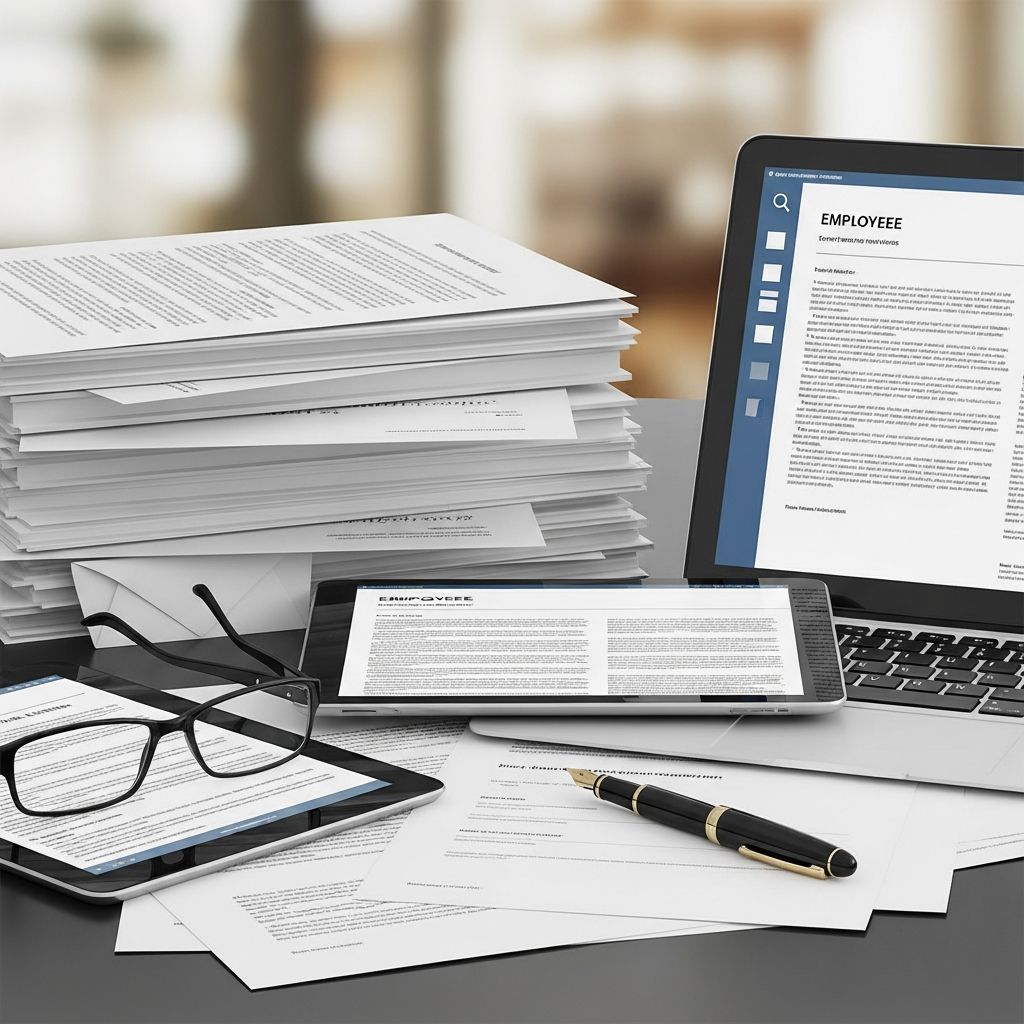
Effective communication is the foundation of successful employee relations. Whether you’re welcoming a new team member, addressing performance issues, or managing separations, the right words matter significantly. This comprehensive guide provides you with essential templates and examples for various employee-related communications, ensuring your messages are professional, clear, and legally sound.
Understanding the Importance of Professional Employee Communications
Employee letters and emails serve as formal documentation of important workplace conversations and decisions. They establish clear expectations, protect both the employer and employee, and create a paper trail for HR purposes. When crafted thoughtfully, these communications can strengthen workplace relationships, clarify responsibilities, and demonstrate organizational professionalism. Whether dealing with recruitment, onboarding, performance management, or offboarding, having well-structured templates ensures consistency across your organization.
Recruitment and Onboarding Communications
Job Offer Letter Template
A job offer letter is typically the first formal communication a candidate receives after selection. This letter should clearly outline the position details, compensation, benefits, and start date. It sets the tone for the employment relationship and serves as a binding agreement of the terms discussed during the hiring process.
Key elements to include:
- Position title and department
- Start date and location
- Salary or hourly rate
- Benefits package overview
- Reporting structure
- Contingencies (background check, reference verification)
- Signature line and deadline for acceptance
Welcome Letter for New Employees
Once an employee accepts the offer, a warm welcome letter helps them feel valued from day one. This communication should provide essential information about their first day, orientation schedule, and important company policies. It creates a positive first impression and demonstrates that the organization cares about their successful integration.
Performance Management Communications
Performance Improvement Plan (PIP) Letter
When an employee’s performance falls short of expectations, a Performance Improvement Plan outlines specific goals, timelines, and consequences. This letter should be clear, objective, and focused on improvement rather than punishment. It provides the employee with a roadmap for success and documents the organization’s effort to support their development.
A well-written PIP letter includes:
- Specific performance deficiencies with examples
- Expected performance standards
- Support and resources available
- Clear timeline for improvement
- Metrics for measuring success
- Consequences of failure to improve
Recognition and Appreciation Letters
Recognition letters celebrate employee achievements and reinforce positive behaviors. These communications boost morale, increase engagement, and help retain top talent. Recognition can be formal or informal, but when documented in writing, it carries additional weight and creates a lasting record of the employee’s contributions.
Appreciation letters should highlight:
- Specific accomplishments or behaviors being recognized
- The impact of their work on the team or organization
- Personal qualities that made the achievement possible
- Company values alignment
- Encouragement for continued excellence
Leave and Absence Management
Leave Approval Letter
When employees request extended leave—whether for medical, family, or personal reasons—providing written confirmation protects both parties. A leave approval letter clarifies the duration, any applicable benefits continuation, and the employee’s expected return date. This documentation is essential for compliance with employment laws and company policies.
Return-to-Work Letter
After an extended absence, a return-to-work letter welcomes the employee back and provides relevant updates. This communication can include changes in their role, new team members, or organizational updates they should know about before their return.
Disciplinary and Termination Communications
Written Warning Letter
When informal warnings don’t produce results, a formal written warning documents the issue and expectations moving forward. This letter follows a progressive discipline approach and should be fair, factual, and focused on the specific behavior or performance issue.
A written warning should contain:
- Date of the warning and previous informal warnings
- Specific violation or performance issue
- Policy reference or company handbook citation
- Expected corrective action
- Consequences of continued violation
- Documentation that the employee received and understood the warning
Termination Letter
A termination letter is perhaps the most sensitive communication in HR. It should be brief, professional, and clear regarding the effective date, final paycheck details, benefits information, and return of company property. This letter should avoid emotional language or detailed explanations that could be misinterpreted and should be consistent with legal requirements in your jurisdiction.
Resignation and Separation Letters
Resignation Acceptance Letter
When an employee submits their resignation, acknowledging it in writing confirms the details and next steps. This letter should thank the employee for their service, confirm their last day, and outline offboarding procedures including final payment, benefits continuation, and exit interviews.
Reference Letter
Providing a reference letter for departing employees is a valued gesture that supports their career transitions. This letter should highlight their strengths, accomplishments, and positive qualities. It serves as professional documentation of their employment and contributions to your organization.
Compensation and Benefits Communications
Salary Increase Letter
Communicating a salary increase in writing shows respect and creates a record of the new compensation terms. This letter should explain the reason for the increase (merit, promotion, cost-of-living adjustment) and provide effective date and new salary details. It reinforces the employee’s value and can improve retention.
Retention Bonus Letter
During significant organizational changes such as mergers or restructuring, a retention bonus letter can encourage key employees to remain with the company. This communication should express appreciation for their commitment, explain the bonus terms, and outline any conditions or clawback provisions.
Effective retention bonus letters include:
- Acknowledgment of the employee’s specific contributions
- Recognition of their value during transitional periods
- Bonus amount and payment schedule
- Conditions for receiving the bonus
- Clawback provisions if applicable
- Required signatures and deadline for acceptance
Best Practices for Writing Employee Communications
Tone and Professionalism
Maintain a professional yet warm tone throughout all employee communications. Avoid jargon, keep sentences clear and concise, and ensure the message can be easily understood by the recipient. Even when delivering difficult news, professionalism and respect should remain evident in your word choice.
Legal Compliance
Before sending any formal letter or email, review it with your legal team or HR consultant to ensure compliance with employment laws in your jurisdiction. Laws regarding termination, discrimination, and wage and hour requirements vary by location and can significantly impact your organization’s liability.
Documentation and Record-Keeping
Maintain copies of all significant employee communications in their personnel file. These documents protect your organization by creating a documented history of employment decisions, performance management efforts, and other important communications. Ensure consistency across similar situations to minimize discrimination claims.
Personalization and Specificity
While templates provide a helpful structure, personalize each communication with specific details about the employee and situation. Generic letters lack impact and may fail to address the unique circumstances. Reference specific accomplishments, projects, or examples relevant to the individual.
Timeliness
Send employee communications promptly after the triggering event or decision. Delays can create confusion, reduce the impact of recognition, or suggest the communication was an afterthought. Timely communication demonstrates organizational efficiency and respect for the employee’s time.
Appreciation Letters and Recognition
Letter for Outstanding Work Performance
Recognition for exceptional performance should be specific and timely. Rather than generic praise, highlight particular projects, metrics achieved, or behaviors that exemplified company values. Detailed appreciation feels sincere and motivates continued excellence.
Letter for Years of Service
Milestone celebrations such as work anniversaries strengthen employee loyalty. These letters should reflect on the employee’s journey with the organization, specific contributions over the years, and their impact on company culture. Anniversaries present excellent opportunities to recognize long-term commitment and stability.
Thank You Letter for Meeting Company Goals
When teams achieve significant goals or milestones, a thank you letter acknowledges their effort and celebrates the success. This communication reinforces the connection between individual effort and organizational achievement, motivating continued performance excellence.
Email Communication Tips for HR Professionals
Subject Line Strategy
Use clear, descriptive subject lines that indicate the email’s purpose. Examples include “Offer of Employment,” “Approved Leave Confirmation,” or “Performance Improvement Plan Discussion.” Specific subject lines help employees quickly understand the email’s importance and file it appropriately.
Structure and Formatting
Use professional formatting with proper headings, bullet points, and white space to improve readability. Employees should be able to quickly scan the email and understand key information. Avoid lengthy paragraphs and use bold text to highlight important details.
Tone in Digital Communications
Email can easily be misinterpreted due to the absence of vocal tone and body language. When addressing sensitive matters, consider whether a phone call or in-person meeting followed by a confirmation email might be more appropriate. For positive communications, email can effectively convey appreciation and recognition.
Common Mistakes to Avoid
Vague Language and Assumptions
Avoid assuming the employee understands context or your intentions. Be explicit about dates, expectations, and next steps. Vague language can lead to misunderstandings and potential disputes about the terms discussed.
Emotional or Accusatory Language
Even when frustrated or disappointed, maintain objective, fact-based language in employee communications. Emotional outbursts can damage relationships and create legal liability. Focus on behaviors and results rather than personal criticism.
Inconsistency Across Employees
Treat similar situations consistently across your employee base. Inconsistent application of policies or widely varying communication approaches can create claims of unfair treatment or discrimination. Document your reasoning for any deviations from standard approaches.
Failure to Follow Up
After sending an important communication, follow up to ensure the employee received and understood it. For critical matters like performance concerns or terminations, schedule a meeting to discuss the letter and answer questions. This demonstrates respect and reduces misunderstandings.
Frequently Asked Questions
Q: Should employee communications always be in writing?
A: While not every communication requires written documentation, important decisions regarding employment should be confirmed in writing. This creates a clear record and helps prevent disputes about terms or expectations discussed verbally.
Q: How long should an employee letter typically be?
A: Employee letters should be concise but complete. A single page is ideal for most communications, with longer letters reserved for complex situations. Keep sentences clear and avoid unnecessary jargon or lengthy explanations.
Q: Who should sign employee communications?
A: The appropriate manager or HR representative should sign letters. For significant matters like terminations or performance issues, consider having HR review and co-sign to ensure legal compliance and consistency with company policies.
Q: How should I address an employee in a formal letter?
A: Use professional titles and formal names (Mr., Ms., Dr.) unless you have an established informal relationship. When in doubt, err on the side of formality, which can always be adjusted based on company culture and the individual’s preferences.
Q: What should I do if an employee disputes the contents of a letter I sent?
A: Document the dispute in writing and schedule a meeting to discuss the disagreement. Clarify what was intended, review relevant policies or documentation, and consider whether a follow-up letter is necessary to clear up any misunderstandings. Keep HR informed of significant disputes.
Q: Are digital signatures acceptable on employee letters?
A: Yes, digital signatures are generally acceptable and legally binding in most jurisdictions. However, check your local laws and company policies regarding electronic documentation. For sensitive matters, some organizations still prefer printed letters with handwritten signatures.
References
- How to Write an Employee Retention Letter (Sample Included) — Career Minds. 2024. https://careerminds.com/blog/retention-bonus-letter
- 15 Samples of Appreciation Letters To Employees — Vantage Circle. 2024. https://www.vantagecircle.com/en/blog/samples-appreciation-letters-to-employees/
Similar Articles








Read full bio of medha deb