Employability Skills: Essential Competencies for Career Success
Master the essential employability skills employers seek and advance your professional career.

Understanding Employability Skills
Employability skills are the fundamental competencies that employers value across virtually every industry and job role. These skills encompass both technical knowledge and interpersonal abilities that enable professionals to perform effectively in the workplace, adapt to changing environments, and contribute meaningfully to organizational success. According to LinkedIn’s 2025 Workplace Learning Report, adaptability consistently ranks among the most sought-after skills by employers, reflecting the dynamic nature of modern workplaces.
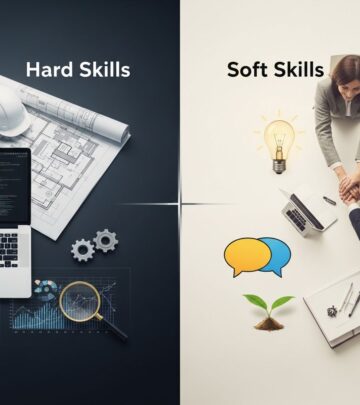
In today’s competitive job market, possessing a strong foundation of employability skills can significantly enhance your career prospects, increase earning potential, and improve job satisfaction. Unlike technical skills that may be specific to certain industries or roles, employability skills are universally applicable and highly transferable across different positions and sectors.
Top 10 Most Important Employability Skills
Employers consistently prioritize certain core competencies when evaluating candidates. Understanding these top employability skills will help you develop a well-rounded professional profile and position yourself as a valuable asset to any organization.
1. Communication Skills
Communication stands as the cornerstone of professional success and is universally recognized as the most critical employability skill. Effective communication encompasses multiple dimensions, including verbal, written, and nonverbal communication in both formal and informal settings. Communication takes the top spot because practical communication skills enhance team collaboration, enabling the successful completion of projects through both verbal and written communication, as well as the ability to influence others.
Key aspects of communication skills include:
– Active Listening – Fully focusing on and understanding speakers beyond just waiting for your turn to talk- Public Speaking – Presenting ideas confidently to groups while managing nerves and engaging audiences- Written Communication – Creating clear, professional written content across emails, reports, and proposals- Email Etiquette – Professional digital correspondence that builds relationships- Meeting Facilitation – Leading productive group discussions that achieve objectives- Technical Explanation – Translating complex concepts into understandable language
2. Teamwork and Collaboration
The ability to work effectively within a team environment remains essential in virtually every organizational setting. Teamwork encompasses collaboration, coordination, and the ability to contribute meaningfully to group objectives while respecting diverse perspectives and work styles.
Teamwork-related competencies include:
– Conflict Management and Resolution – Addressing disagreements constructively- Collaboration – Working together toward common goals- Idea Exchange – Contributing and receiving feedback effectively- Mediation – Helping resolve disputes between colleagues
3. Problem-Solving Skills
Creative and analytical problem-solving abilities are consistently in high demand across all industries. Being able to analytically and creatively solve problems will come in handy no matter your job, as there is no position in the world where you won’t encounter challenges that require strategic thinking and innovative solutions.
Problem-solving encompasses:
– Analysis – Breaking down complex issues systematically- Logical Reasoning – Applying rational thinking to reach conclusions- Brainstorming – Generating multiple potential solutions- Decision Making – Choosing optimal courses of action based on available information- Creative Problem-Solving – Finding innovative solutions by thinking beyond conventional approaches
4. Time Management
Time management involves the ability to use your time wisely to work as efficiently as possible. This skill directly impacts productivity, stress levels, and overall professional performance. Professionals who demonstrate strong time management abilities are often viewed as reliable and capable of handling increased responsibilities.
Time management-related skills include:
– Stress Management – Managing work-related pressure effectively- Organization – Maintaining orderly systems and processes- Prioritizing – Identifying and focusing on high-impact tasks- Planning – Setting clear objectives and creating action steps- Goal Setting – Establishing measurable targets for professional growth
5. Adaptability and Flexibility
In our rapidly evolving workplace landscape, adaptability has become increasingly valuable. Professionals who can adjust to changing circumstances, learn new skills quickly, and remain resilient in the face of challenges are highly sought after by forward-thinking organizations.
Adaptability skills include:
– Technological Adaptability – Learning new digital tools and platforms quickly- Cultural Adaptability – Adjusting to different organizational environments- Career Pivoting – Transitioning between roles or industries successfully- Crisis Management – Responding effectively to unexpected emergencies- Agile Working – Adapting to iterative processes and rapid project cycles
6. Leadership and Initiative
Leadership skills extend beyond formal management positions and are valued at all organizational levels. Taking initiative demonstrates proactive engagement and a commitment to organizational success. Inspirational leadership involves motivating others through compelling vision and personal example, while also serving others’ needs.
Leadership competencies include:
– Delegation – Assigning tasks effectively and empowering team members- Team Building – Creating cohesive, high-performing groups- Mentoring – Developing others’ skills and careers through guidance- Inspirational Leadership – Motivating others through vision and example- Servant Leadership – Leading by serving others’ needs
7. Emotional Intelligence
Emotional intelligence represents the ability to recognize, understand, and manage emotions in yourself and others. This skill significantly impacts workplace relationships, conflict resolution, and overall professional effectiveness.
Emotional intelligence components include:
– Empathy – Recognizing and genuinely caring about others’ feelings- Social Awareness – Understanding group dynamics and unspoken workplace rules- Relationship Management – Maintaining professional connections over time- Self-Awareness – Understanding your own emotional patterns and triggers
8. Attention to Detail
Attention to detail demonstrates professionalism and commitment to quality work. This skill is particularly valuable in roles involving data analysis, content creation, project management, and customer-facing positions. Professionals who consistently deliver error-free work build reputations for reliability and excellence.
9. Work Ethic and Reliability
Work ethic relates to valuing work and putting in the effort to yield results. It’s a soft skill that employers in every job you’ll ever apply for will appreciate. This encompasses responsibility, discipline, dependability, commitment, and professionalism.
10. Interpersonal Skills
Interpersonal skills are all about how well you interact with others, tend after relationships, and make a positive impression on those around you. These include empathy, humor, networking, tolerance, and diplomacy.
Emerging Employability Skills for 2025
The workplace continues to evolve, and new skills are rising in importance. Understanding these emerging competencies can help you stay competitive and prepare for future career opportunities.
Analytical Thinking and Innovation
Analytical thinking involves breaking down complex problems into manageable components systematically, while innovation requires finding creative solutions by thinking beyond conventional approaches. These skills are increasingly valued as organizations seek professionals who can drive strategic improvements and identify opportunities for growth.
Active Learning and Continuous Improvement
In a rapidly changing workplace, the ability to continuously learn and adapt is essential. Active learning strategies involve acquiring new knowledge and skills efficiently, while continuous improvement relates to ongoing enhancement processes that drive long-term success.
Creativity and Originality
Creative thinking and resilience are rising in importance, along with curiosity and lifelong learning. Professionals who can approach challenges with fresh perspectives and develop innovative solutions are increasingly valuable to organizations navigating digital transformation and market disruption.
Technology and Digital Fluency
Technological skills are projected to grow in importance more rapidly than any other skills in the next five years. AI and big data are at the top of the list, followed by networks, cybersecurity, and technological literacy. Digital fluency involves navigating technology-enabled workflows with confidence and efficiency.
Ethical Decision Making
Ethical decision making grows more complex as AI capabilities expand and workplace data collection increases. Professionals need frameworks for navigating moral dilemmas, balancing stakeholder interests, and making decisions that consider long-term societal impact.
Sustainable Thinking
Sustainable thinking reflects growing emphasis on environmental and social responsibility. This skill involves balancing profit with purpose, considering long-term consequences of business decisions, and integrating sustainability into strategic planning.
Industry-Specific Employability Skills
While foundational employability skills apply across sectors, certain industries prioritize specific competencies. Understanding industry-specific requirements can help you tailor your professional development efforts.
Customer Service Industry
Customer service is all about soft skills, especially since it involves dealing with people. Be it in person, over the phone, or on the internet, your people skills need to be on point if you are to work with demanding customers. Essential customer service soft skills include communication, listening skills, self-control, positive attitude, assertiveness, conflict resolution, empathy, and the ability to take responsibility.
Accounting and Finance
A career in accounting requires its own set of soft skills that complement technical expertise. These include effective written and oral communication, organization, attention to detail, problem-solving, time management, system analysis, deductive reasoning, critical thinking, active learning, and accuracy.
Web Development and Technology
Technology professionals benefit from developing soft skills including active listening, patience, open-mindedness, adaptability, problem-solving, critical thinking, creativity, accountability, confidence, and time and project management.
How to Develop Employability Skills
Developing employability skills requires intentional effort and consistent practice. Here are practical strategies for strengthening key competencies:
Communication Skills Development
Great ways to develop your communication skills include:
– Performing mock interviews to practice articulating your experiences- Using a grammar checker to uncover mistakes in written communication- Practicing good business communication skills in professional settings- Taking public speaking courses or joining organizations like Toastmasters- Seeking feedback from colleagues on your communication effectiveness
Building Problem-Solving Abilities
– Engage in case study analysis and complex problem scenarios- Practice brainstorming techniques to expand creative thinking- Learn analytical frameworks and decision-making methodologies- Participate in cross-functional projects that expose you to diverse perspectives- Reflect on past challenges and how you navigated them
Strengthening Leadership Skills
– Volunteer for leadership roles in professional organizations or projects- Seek mentorship from experienced leaders in your field- Complete leadership development programs or certifications- Practice delegation and team-building activities- Study different leadership styles and their applications
Enhancing Emotional Intelligence
– Practice self-reflection to understand your emotional patterns- Develop active listening skills by focusing fully on others’ perspectives- Seek feedback on how your behavior impacts others- Study empathy and practice considering multiple viewpoints- Engage in conflict resolution training
Employability Skills Assessment Table
| Employability Skill | Why It Matters | Associated Competencies | Development Strategies |
|---|---|---|---|
| Communication | Essential for team collaboration and project success | Active listening, public speaking, written communication | Mock interviews, writing practice, public speaking courses |
| Teamwork | Enables collaboration toward common organizational goals | Collaboration, conflict resolution, idea exchange | Group projects, team-building activities, mediation training |
| Problem-Solving | Addresses challenges in every job position | Analysis, logical reasoning, creative thinking, decision-making | Case studies, brainstorming exercises, analytical frameworks |
| Time Management | Improves productivity and reduces stress | Organization, prioritization, planning, goal setting | Project management tools, planning workshops, scheduling systems |
| Adaptability | Enables navigation of rapid workplace changes | Technological adaptability, cultural awareness, resilience | Cross-training, exposure to diverse projects, continuous learning |
| Leadership | Drives organizational success at all levels | Delegation, team building, mentoring, inspirational motivation | Leadership programs, volunteering for leadership roles, mentorship |
Frequently Asked Questions
Q: What are the most important employability skills in 2025?
A: According to current research, the most critical employability skills in 2025 include communication, teamwork, problem-solving, adaptability, time management, and emotional intelligence. Additionally, technological skills like AI and data analysis are growing rapidly in importance across industries.
Q: Can employability skills be learned or are they innate?
A: While some individuals may have natural inclinations toward certain skills, employability skills can absolutely be developed and improved through deliberate practice, training, and real-world experience. Anyone can strengthen these competencies with commitment and effort.
Q: How can I demonstrate employability skills to potential employers?
A: You can demonstrate employability skills through your resume, cover letter, interview responses, professional portfolio, and during practical assessments. Use specific examples from your work experience that showcase your competencies in action.
Q: Which employability skills are most valued across all industries?
A: Communication, teamwork, problem-solving, and reliability are universally valued across virtually all industries and job roles. These foundational skills form the basis for professional success in any sector.
Q: How often should I assess and update my employability skills?
A: It’s beneficial to assess your employability skills at least annually and whenever you’re considering a career change or new opportunity. The workplace evolves constantly, so ongoing skill development should be a continuous part of your professional growth strategy.
Q: Do technical skills matter more than employability skills?
A: Both technical and employability skills are important and complementary. Technical skills get you in the door by qualifying you for a position, while employability skills enable you to perform effectively, collaborate with colleagues, and advance your career. The most successful professionals develop strength in both areas.
Q: What role does emotional intelligence play in career success?
A: Emotional intelligence significantly impacts workplace relationships, leadership effectiveness, conflict resolution abilities, and overall professional performance. Professionals with high emotional intelligence tend to have better team dynamics, improved communication, and greater career advancement opportunities.
References
- The Complete Guide to Human-Centric Skills That AI Can’t Replace — The Interview Guys. 2025. https://blog.theinterviewguys.com/125-soft-skills-examples/
- Top Soft Skills for 2025 [90+ Examples for Your Resume] — NovoResume Career Blog. 2025. https://novoresume.com/career-blog/soft-skills
- Future of Jobs Report 2025: The jobs of the future and the skills you need to get them — World Economic Forum. January 2025. https://www.weforum.org/stories/2025/01/future-of-jobs-report-2025-jobs-of-the-future-and-the-skills-you-need-to-get-them/
- The Employability Skills Checklist — edX. 2025. https://www.edx.org/resources/the-employability-skills-checklist
- Employability Skills: 10 Examples of Skills Companies Value — Indeed Career Advice. 2025. https://www.indeed.com/career-advice/finding-a-job/employability-skills
- 10 Emerging Skills for Professionals — Harvard Division of Continuing Education. 2025. https://professional.dce.harvard.edu/blog/10-emerging-skills-for-professionals/
Similar Articles








Read full bio of Sneha Tete