Emory University: A Leading Private Research Institution
Discover Emory University's academic excellence, campus life, and path to admission.
Emory University: Excellence in Education and Research
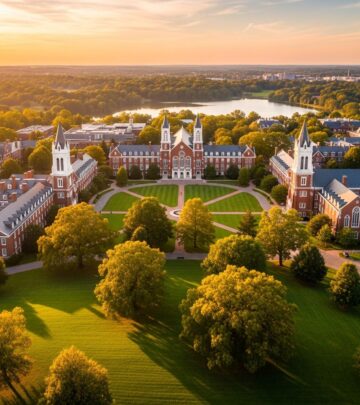
Emory University stands as a premier private research institution located in Atlanta, Georgia, renowned for combining rigorous academics with a strong liberal arts foundation and world-class professional programs. With a total enrollment of 16,142 students, including 8,347 undergraduates, Emory creates an intellectually vibrant community that attracts scholars and leaders from over 100 countries. The university’s commitment to excellence extends across all aspects of the student experience, from the classroom to research opportunities and campus engagement.
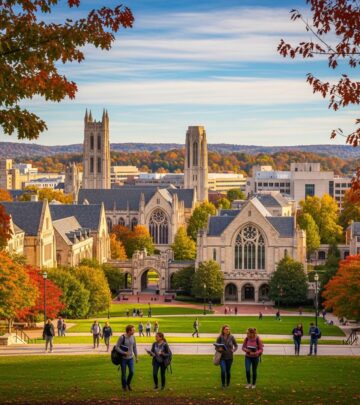
The institution has established itself as a leader in higher education through its dedication to innovation, research advancement, and student success. Emory’s diverse academic offerings span numerous disciplines, supported by distinguished faculty members who are active scholars and dedicated educators. The university’s location in Atlanta provides students with access to a dynamic metropolitan environment while maintaining a cohesive campus community focused on intellectual growth and personal development.
Academic Excellence and Rankings
Emory University’s academic reputation is reflected in its strong performance across multiple ranking systems. In the 2025 U.S. News & World Report Best Colleges rankings, Emory is recognized as No. 24 among national universities in the United States. This ranking underscores the university’s commitment to educational quality, student outcomes, and institutional excellence. Beyond national rankings, Emory maintains a significant global presence, ranking No. 182 in the QS World University Rankings 2026 and appearing in the Times Higher Education World University Rankings with a teaching score of 53.8.
The university’s specialized schools have earned particular distinction in their respective fields. The Nell Hodgson Woodruff School of Nursing achieved No. 1 ranking for undergraduate nursing programs in 2025, representing the school’s consistent excellence in nursing education. The Goizueta Business School is ranked No. 14 among undergraduate business programs, demonstrating strong performance in business education. Additionally, Emory earned recognition as No. 22 in the Best Value rankings, which evaluates student outcomes relative to cost, indicating the university’s commitment to financial accessibility and educational return on investment.
World University Rankings Performance
| Ranking System | Rank | Category/Details |
|---|---|---|
| U.S. News & World Report 2025 | No. 24 | National Universities |
| U.S. News Best Value | No. 22 | Consideration of Outcomes and Cost |
| QS World University Rankings 2026 | No. 182 | Global Universities |
| Times Higher Education 2026 | N/A | Teaching Score: 53.8 |
| Center for World University Rankings 2024 | No. 128 | World Rank (Top 0.7%) |
Specialized Schools and Programs
Emory’s excellence extends through its specialized schools, each offering distinctive academic pathways and professional preparation. The Nell Hodgson Woodruff School of Nursing provides comprehensive nursing education rooted in evidence-based practice and compassionate patient care. This school consistently ranks among the nation’s top nursing programs, attracting students committed to healthcare innovation and service.
The Goizueta Business School offers rigorous business education that combines theoretical foundations with practical application. The school prepares students for leadership roles across industries, emphasizing ethical business practices and global perspectives. Students benefit from experiential learning opportunities, industry partnerships, and access to accomplished alumni networks.
Beyond these prominent schools, Emory offers comprehensive programs across the sciences, humanities, social sciences, and engineering. The university’s research-intensive environment encourages undergraduate participation in cutting-edge scholarship, providing students with opportunities to contribute to knowledge advancement while pursuing their academic interests.
Campus Life and Student Community
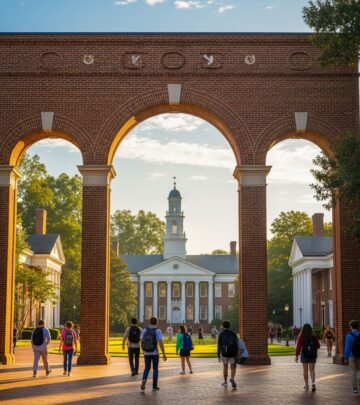
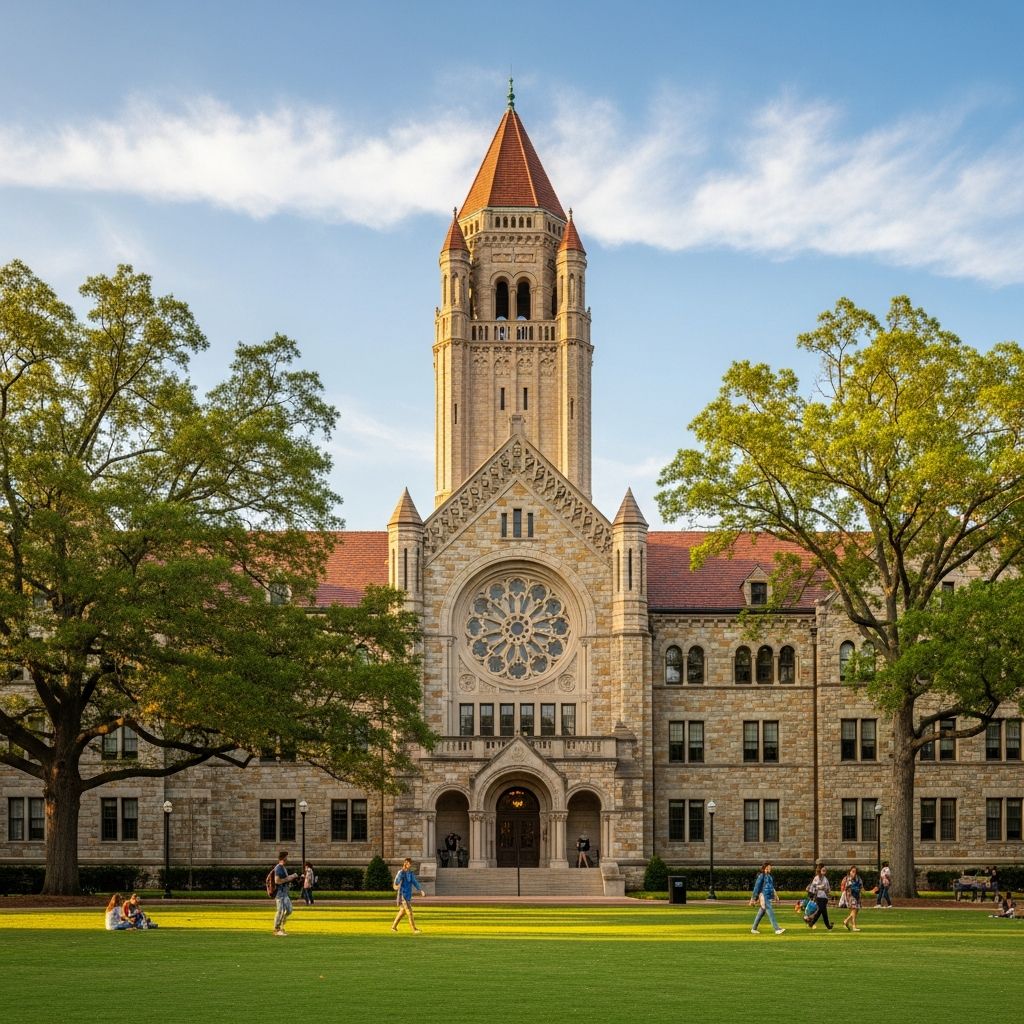
Emory’s campus offers a vibrant and inclusive community where students from diverse backgrounds engage in intellectual discourse, cultural celebration, and collaborative learning. With 100+ countries represented among the student body, the campus reflects global perspectives and fosters cross-cultural understanding. The university’s commitment to diversity and inclusion shapes every aspect of student life, from residential communities to campus organizations and academic initiatives.
Students at Emory engage in over 300 student organizations spanning academic interests, cultural heritage, service, and recreation. These organizations provide platforms for leadership development, networking, and community building. The residential college system creates intimate communities within the larger university, allowing students to develop meaningful friendships and support networks.
Emory’s location in Atlanta provides students with access to world-class cultural institutions, professional internship opportunities, and urban amenities. The city hosts corporate headquarters, healthcare systems, research centers, and cultural organizations, creating abundant opportunities for experiential learning and professional exploration. Students can participate in community service, engage in research partnerships with regional organizations, and develop professional networks in a thriving metropolitan area.
Admissions and Student Profile
Emory University maintains a selective admissions process that identifies students who demonstrate academic excellence, intellectual curiosity, and potential for meaningful contribution to the campus community. The university seeks students with strong academic preparation, evidenced through challenging coursework, standardized test scores, and academic achievement. Beyond academics, Emory values students who exhibit intellectual engagement, leadership qualities, and diverse perspectives that enrich the campus community.
The admissions process considers both quantitative metrics and qualitative factors that reveal character, values, and potential. Essays, recommendations, and extracurricular involvement provide admissions officers with comprehensive understanding of applicants’ interests, motivations, and contributions. Emory’s holistic approach recognizes that academic excellence alone does not determine potential for success; the university seeks students who will actively participate in and contribute to the intellectual and social life of the institution.
First-year students at Emory benefit from comprehensive orientation programs, academic advising, and peer mentoring that facilitate transition to university life. The university’s commitment to student success extends through all four years, with ongoing academic support, career development services, and personal counseling available to support student growth.
Research Opportunities and Innovation
Emory University’s designation as a research-intensive institution means that undergraduates have access to significant research opportunities across disciplines. Faculty members actively involve undergraduate students in their research programs, providing mentorship, skills development, and opportunities to contribute to scholarly advancement. The university ranks No. 69 in research according to the Center for World University Rankings, reflecting the institutional commitment to advancing knowledge.
Research opportunities span the sciences, social sciences, and humanities, allowing students to engage with pressing questions facing society. Whether investigating disease mechanisms in laboratories, analyzing social policy through qualitative research, or exploring historical questions through archival work, Emory students participate meaningfully in knowledge creation. This research engagement enhances classroom learning, develops critical thinking skills, and prepares students for advanced study or professional careers in research-focused fields.
The university’s professional schools—nursing, business, law, and medicine—integrate research into their curricula, ensuring that students understand how evidence informs professional practice. This emphasis on evidence-based learning across disciplines cultivates a culture of inquiry and continuous improvement throughout the Emory community.
Financial Considerations and Value Proposition
Emory University’s recognition as No. 22 in the Best Value rankings reflects the institution’s commitment to providing exceptional education relative to cost. While Emory is a private university with significant tuition costs, the university’s substantial financial aid resources and commitment to meeting demonstrated financial need make Emory education accessible to students across socioeconomic backgrounds. The university awards scholarships based on merit and need, enabling talented students regardless of financial circumstances to access Emory’s educational opportunities.
The university’s financial aid approach emphasizes need-blind admissions for domestic students and meets 100% of demonstrated need for admitted students, ensuring that financial constraints do not prevent qualified students from enrolling. This commitment to accessibility reflects Emory’s values and mission to serve students of talent and promise.
The return on investment at Emory extends beyond financial metrics to encompass the personal development, intellectual growth, and career preparation that characterize the student experience. Emory alumni pursue advanced degrees at top institutions, enter prestigious professional programs, and establish successful careers across sectors, validating the educational value of an Emory degree.
Recognition and Distinctions
Emory University has garnered numerous recognitions beyond traditional rankings. The Princeton Review named Emory No. 4 for Best Classroom Experience in the US in 2025, acknowledging the university’s emphasis on quality teaching and student-faculty interaction. This recognition reflects Emory’s commitment to undergraduate education despite its research orientation, demonstrating that the university successfully balances research and teaching excellence.
The university’s distinctive approach to education, combining research opportunities with small class sizes and accessible faculty, creates an environment where students benefit from both rigorous scholarship and personal mentorship. This balance distinguishes Emory from peer institutions and contributes to high levels of student satisfaction and success.
Frequently Asked Questions About Emory University
Q: What is Emory University’s current national ranking?
A: Emory University is ranked No. 24 among national universities in the 2025 U.S. News & World Report Best Colleges rankings. The university also ranks No. 22 in the Best Value category and No. 182 globally in the QS World University Rankings 2026.
Q: What are Emory’s most highly ranked schools?
A: The Nell Hodgson Woodruff School of Nursing ranks No. 1 for undergraduate nursing programs, and the Goizueta Business School ranks No. 14 for undergraduate business programs. Both schools earn separate rankings based on assessments by deans and senior faculty across the country.
Q: How many students attend Emory University?
A: Emory has a total enrollment of 16,142 students, including 8,347 undergraduates. The student body represents over 100 countries, creating a diverse international community.
Q: Does Emory provide undergraduate research opportunities?
A: Yes, Emory actively involves undergraduate students in research across all disciplines. As a research-intensive institution, Emory offers mentored research experiences in sciences, social sciences, and humanities, allowing students to contribute to scholarly advancement while developing critical skills.
Q: What is Emory’s location and how does it benefit students?
A: Emory is located in Atlanta, Georgia, providing students access to a thriving metropolitan area with corporate headquarters, healthcare systems, cultural institutions, and research centers. This location creates abundant internship opportunities, professional networking possibilities, and cultural engagement.
Q: How does Emory approach financial aid?
A: Emory practices need-blind admissions for domestic students and meets 100% of demonstrated financial need for admitted students. The university offers merit scholarships and need-based aid to make education accessible to talented students regardless of financial circumstances.
Q: What recognition has Emory received for teaching quality?
A: Emory was recognized by Princeton Review as No. 4 for Best Classroom Experience in the US in 2025, reflecting the university’s commitment to quality teaching and meaningful student-faculty interaction despite its research focus.
References
- Emory University Ranking 2024 — Center for World University Rankings (CWUR). 2024. https://cwur.org/2024/emory-university.php
- U.S. News Names Emory Among Top National Universities — Emory University Office of University Communications. 2024. https://news.emory.edu/stories/2024/09/er_us_news_undergraduate_rankings_24-09-2024/story.html
- Emory University World University Rankings 2026 — Times Higher Education. 2025. https://www.timeshighereducation.com/world-university-rankings/emory-university
- Emory University Rankings and Details — QS Top Universities. 2025. https://www.topuniversities.com/universities/emory-university
- About Emory University — Emory University Admissions. 2024. https://apply.emory.edu/discover/about/index.html
- Emory Ranks No. 24, Dropping for Second Consecutive Year — Emory Wheel. 2023. https://emorywheel.com/emory-ranks-no-24-dropping-for-second-consecutive-year/
- Emory University Shanghai Academic Ranking — Shanghai Ranking. 2024. https://www.shanghairanking.com/institution/emory-university
Similar Articles








Read full bio of medha deb