Emergency Fund Essentials: 5 Practical Ways To Build Yours
Discover how building a robust emergency fund safeguards your financial future against life's unpredictable challenges and promotes lasting stability.
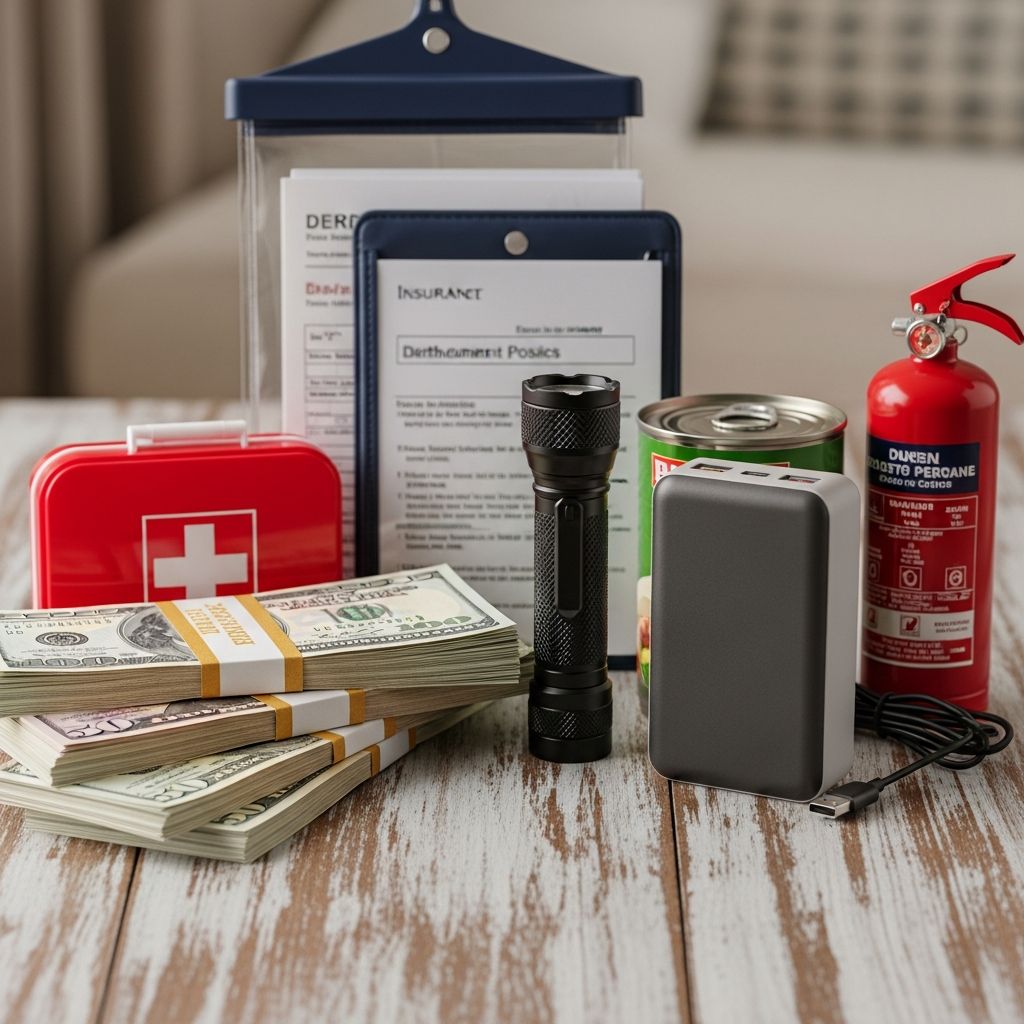
Financial stability begins with preparedness for the unforeseen. An emergency fund serves as a critical safety net, providing readily accessible cash to handle sudden expenses without resorting to debt or disrupting long-term goals.
Understanding the Core Purpose of an Emergency Fund
An emergency fund represents dedicated savings earmarked exclusively for urgent, unanticipated costs that could otherwise derail your budget. These reserves act as a buffer against events like sudden unemployment, urgent medical needs, or essential vehicle repairs, ensuring you maintain control over your finances during crises.
Unlike general savings for vacations or purchases, this fund targets true necessities. Common triggers include appliance breakdowns, emergency travel for family matters, or temporary income loss. By isolating these funds, individuals avoid the high costs associated with credit card interest or loans, which can exceed 20% annually.
Key Advantages of Maintaining Emergency Reserves
Establishing this financial cushion yields multiple benefits, starting with reduced stress. Knowing resources are available for surprises fosters confidence and prevents reactive decisions.
- Prevents Debt Accumulation: Without reserves, many turn to high-interest options; a solid fund covers costs outright.
- Supports Job Transitions: Covers essentials during unemployment, allowing time for better opportunities without desperation.
- Handles Health Crises: Offsets medical bills or lost wages from illness, crucial for those with ongoing conditions.
- Facilitates Family Support: Funds travel or lodging for distant relatives’ emergencies.
- Promotes Mental Peace: Alleviates anxiety over ‘what if’ scenarios, improving overall well-being.
Statistics underscore the need: Over 35% of Americans cannot cover a $400 surprise expense, often leading to credit reliance and compounding debt.
Determining the Right Savings Target
The ideal amount varies by circumstances, but experts consistently recommend 3-6 months of essential living expenses as a baseline. Essentials include housing, utilities, groceries, transportation, and minimum debt payments—not luxuries.
| Scenario | Recommended Coverage | Reasoning |
|---|---|---|
| Stable dual-income household | 3 months | Multiple earners provide redundancy. |
| Single income or dependents | 6 months | Higher vulnerability to income disruption. |
| Freelance/seasonal work | 6-12 months | Inconsistent earnings demand larger buffers. |
| High-risk industry or retirement | 12 months | Prolonged recovery periods anticipated. |
Calculate yours: Tally monthly must-haves, multiply by months targeted. For a $3,000 essentials budget, aim for $9,000-$18,000.
Optimal Places to Park Your Emergency Savings
Liquidity and safety are paramount. Avoid investments with market risk or withdrawal penalties.
- High-Yield Savings Accounts: FDIC-insured up to $250,000, earn competitive interest (often 4-5% APY), easy online access.
- Money Market Accounts: Similar yields, limited transactions but unlimited in-branch withdrawals; ideal for larger sums.
- Standard Savings: No-fee options with interest, suitable for beginners despite lower rates.
Steer clear of checking accounts (minimal interest) or stocks (volatility). Prioritize federally insured institutions for principal protection.
Practical Strategies to Build Your Fund
Starting small leads to success. Automate transfers post-paycheck to prioritize savings.
- Track Spending: Review 1-3 months’ statements to identify cuttable areas like subscriptions or dining out.
- Set Micro-Goals: Target $1,000 first, then full 3 months; celebrate milestones.
- Harness Windfalls: Direct tax refunds, bonuses, or raises directly to the fund.
- Reduce Fixed Costs: Negotiate bills, refinance debt, or downsize where feasible.
- Increase Income: Side gigs or overtime accelerate growth.
Replenish immediately after use to maintain the buffer. Adjust targets as life changes, like adding dependents.
Real-Life Examples of Emergency Fund Impact
Consider a car transmission failure costing $4,000: Fund holders pay cash; others accrue debt. Or job loss: 6 months’ coverage allows selective job hunting versus rushed acceptance.
For households with older homes or unreliable vehicles, reserves prevent cascading issues—like eviction from unpaid rent during repairs.
Frequently Asked Questions
What qualifies as an emergency expense?
True urgencies: medical deductibles, home floods, job loss. Not: elective upgrades or gifts.
Can I use my 401(k) instead?
No—penalties and taxes erode value; keep funds liquid and penalty-free.
How do I calculate monthly expenses accurately?
List fixed (rent, insurance) plus average variable (food, gas) over 3 months.
What if I have high-interest debt?
Prioritize $1,000 starter fund, then debt payoff while building; balance avoids new borrowing.
Is more than 6 months ever necessary?
Yes, for sole providers, retirees, or volatile careers—up to 12 months.
Overcoming Obstacles to Saving
Common hurdles include tight budgets or temptation to spend. Combat with separate accounts (label ‘Emergency Only’) and apps tracking progress. If living paycheck-to-paycheck, start with $25 weekly—compounds over time.
For families, involve all in goal-setting; children learn fiscal responsibility. During economic uncertainty, like recessions, larger funds prove invaluable for extended job searches.
Long-Term Maintenance and Growth
Review annually: Inflation erodes purchasing power, so increase targets proportionally. As income rises, scale savings proportionally to match lifestyle.
Interest earnings help: At 5% APY, a $10,000 fund grows $500 yearly, tax-deferred in savings accounts. This passive growth reinforces the habit without extra effort.
References
- Pros and Cons of Having an Emergency Fund — North Shore Bank. 2023-05-15. https://www.northshorebank.com/about-us/connecting-with-you/budgeting/pros-and-cons-of-having-an-emergency-fund
- Emergency Fund: What It Is and Why It Matters — NerdWallet. 2025-01-10. https://www.nerdwallet.com/banking/learn/emergency-fund-why-it-matters
- Comprehensive Guide to Building an Emergency Fund — Vanguard. 2024-08-20. https://investor.vanguard.com/investor-resources-education/emergency-fund
- The Importance of Having an Emergency Fund — Nebraska Bank. 2024-03-12. https://www.ne.bank/the-importance-of-having-an-emergency-fund
- Emergency Fund: What It Is and Why You Should Have One — Fidelity. 2025-02-01. https://www.fidelity.com/learning-center/smart-money/emergency-fund
Similar Articles








Read full bio of medha deb