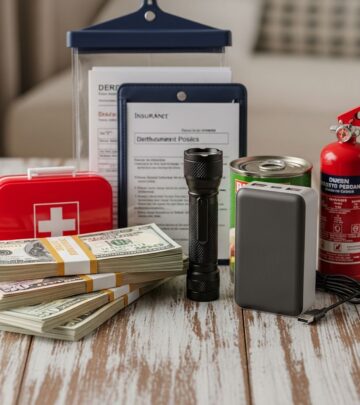
Emergency Fund Essentials: Building Financial Security
Master the fundamentals of emergency savings and protect your financial future

Financial emergencies strike without warning. A sudden job loss, medical crisis, or major home repair can destabilize your entire budget if you’re not prepared. While no one enjoys contemplating these scenarios, establishing a robust emergency fund is one of the most important steps toward achieving lasting financial stability. This safety net prevents you from accumulating high-interest debt and provides invaluable peace of mind knowing you can handle life’s uncertainties.
Why Every Household Needs Emergency Savings
An emergency fund serves a critical function in your overall financial plan. It acts as a buffer between your regular income and unexpected expenses, allowing you to cover costs without resorting to credit cards or loans that carry substantial interest rates. Without this financial cushion, a single unexpected event can trigger a cascade of financial problems, including missed payments, accumulated debt, and damaged credit scores.
Financial emergencies typically fall into two categories. The first involves unexpected spending shocks—sudden expenses like vehicle repairs, dental work, or home maintenance that weren’t planned in your budget. The second category encompasses income shocks, such as job loss, reduced hours, or illness that temporarily or permanently reduces your earning capacity. Both scenarios require accessible funds to maintain your standard of living and meet essential obligations.
Beyond the practical financial protection, emergency savings provide psychological benefits. Knowing you have funds available for unexpected situations reduces financial anxiety and allows you to make better decisions during stressful times. Rather than panicking and making hasty financial choices, you can address emergencies methodically and rationally.
Calculating Your Personal Emergency Fund Target
The amount you should accumulate in an emergency fund depends on your specific circumstances, income stability, and financial obligations. Financial professionals generally recommend maintaining between three to six months of essential expenses in accessible savings. However, the right target for you may differ based on several factors.
Begin by identifying your fixed monthly expenses—these are consistent costs that don’t fluctuate significantly, such as rent or mortgage payments, insurance premiums, utility bills, and loan payments. Next, calculate your variable expenses, which change month to month, including groceries, transportation, and entertainment costs. Adding these together gives you your total monthly essential spending.
Your specific circumstances should influence where you fall within the three-to-six-month range. If you work in a stable industry with secure employment, have multiple income streams, or have family members who could help during a crisis, three months of expenses may suffice. Conversely, if you work in a volatile sector, are self-employed, have dependents, or live in an area prone to natural disasters, aiming for six months or even more provides additional security.
Don’t let these targets overwhelm you. Financial experts recommend starting with a modest goal of $1,000, which covers most minor emergencies. Once you’ve reached this initial milestone, you can work toward your fuller emergency fund target. Breaking larger goals into smaller stepping stones makes the process feel achievable rather than daunting.
Strategic Approaches to Building Your Safety Net
Establishing a Realistic Savings Plan
Creating a workable budget forms the foundation of successful emergency fund building. Track every dollar coming in and going out to understand your true financial picture. This detailed view reveals where your money flows and identifies potential areas where you can redirect funds toward savings.
Rather than attempting to save aggressively from the start, commit to consistent, manageable contributions. Saving $21 weekly, for example, accumulates to over $1,000 within a year. This modest approach builds momentum while remaining sustainable alongside your other financial obligations. The consistency matters far more than the specific dollar amount you contribute each pay period.
Reducing Discretionary Spending
Examine your lifestyle expenses to identify opportunities for cost reduction. Small changes yield surprising results over time. Consider these practical adjustments:
- Reducing dining-out frequency and cooking more meals at home
- Canceling streaming services or subscriptions you use infrequently
- Switching from gym memberships to outdoor exercise or home workouts
- Making fewer impulse purchases and being intentional about spending
- Selling unused items to generate quick cash for savings
These changes need not feel restrictive. Rather, view them as temporary adjustments that serve your larger financial goal. Many people find that cutting discretionary expenses also simplifies their lives and reduces decision fatigue.
Automating Your Savings Process
One of the most effective strategies involves removing decision-making from the process. Set up automatic monthly transfers from your checking account to a dedicated emergency savings account on payday. This automation ensures you consistently fund your emergency savings without requiring willpower or remembering to make manual transfers.
The psychological benefit of automation extends beyond convenience. When money moves automatically before you see it in your spending account, you adjust your budget accordingly. This out-of-sight approach reduces the temptation to spend money earmarked for emergencies.
Capitalizing on Windfalls
When unexpected money arrives—tax refunds, work bonuses, inheritance, or gifts—resist the urge to spend it on lifestyle upgrades. Instead, allocate a substantial portion to your emergency fund. These windfalls dramatically accelerate your progress toward your savings goal without requiring ongoing lifestyle adjustments.
Selecting the Right Account for Emergency Savings
Where you keep your emergency fund matters significantly. The ideal account should balance accessibility, safety, and returns while discouraging impulsive withdrawals.
High-Yield Savings Accounts
High-yield savings accounts offered by online banks represent an excellent choice for most people building emergency funds. These accounts provide returns 20 to 25 times higher than traditional savings accounts, allowing your money to work harder while remaining fully accessible. They typically offer FDIC insurance protection up to $250,000 and enable same-day or next-business-day access to funds.
The advantage of online banks includes minimal fees, higher interest rates, and convenient digital access. Many people maintain their checking account with one institution while keeping their emergency fund at a high-yield online bank, creating a natural psychological separation between spending money and emergency reserves.
Money Market Accounts
Money market accounts combine features of savings accounts and checking accounts, typically offering higher yields than traditional savings accounts. These accounts, available through banks and credit unions, provide reasonable liquidity while generating returns above standard savings rates. However, money market funds held in brokerage accounts may require one business day for fund settlement after you sell shares.
Short-Term Certificates of Deposit
Certificates of Deposit (CDs) may offer superior interest rates compared to money market funds and savings accounts. However, they come with an important tradeoff: early withdrawal penalties if you need funds before the CD matures. Short-term CDs can work for a portion of your emergency fund if you’re confident you won’t need immediate access to all your money.
Separation Strategy
Many financial experts recommend dividing your emergency fund across multiple account types based on accessibility needs. Keep the most liquid portion in a high-yield savings account for immediate access. Maintain other portions in money market funds or short-term CDs that offer better returns but slightly reduced accessibility. This tiered approach optimizes both returns and emergency responsiveness.
Common Challenges and Solutions
Overcoming Initial Overwhelm
The gap between where you are and your target goal can feel discouraging. Combat this psychological barrier by celebrating milestones. Achieving your first $500 or $1,000 represents genuine progress, not just a fraction of some distant target. Each milestone builds confidence and motivation for continued saving.
Resisting Fund Depletion
Keeping emergency savings in a separate account, ideally at a different institution than your spending account, significantly reduces the temptation to use these funds for non-emergencies. The slight friction of accessing a different account provides valuable psychological protection against dipping into reserves for discretionary purchases.
Managing Economic Pressures
During periods of inflation or economic difficulty, many people reduce emergency fund contributions or deplete existing reserves. If you find yourself in this situation, prioritize reestablishing your fund once circumstances improve. Starting small with modest contributions restarts your progress without adding financial stress.
Maintaining and Adjusting Your Emergency Fund
Your emergency fund isn’t a set-it-and-forget-it financial tool. Life changes demand periodic adjustments to your fund target. When you receive a salary increase, your monthly expenses likely increase, requiring a corresponding adjustment to your emergency fund goal. Similarly, major life changes—having children, purchasing a home, or starting a business—typically increase your financial vulnerability and warrant higher emergency reserves.
Review your emergency fund annually alongside your overall budget. As your financial situation evolves, your emergency fund strategy should evolve accordingly. This periodic review ensures your safety net remains appropriately sized for your current circumstances rather than your past situation.
Getting Professional Guidance
While building an emergency fund independently is entirely possible, certified financial planners can provide personalized strategies aligned with your specific circumstances. These professionals help you develop realistic goals, implement effective strategies, and integrate emergency fund building into your broader financial plan. Their expertise proves particularly valuable for self-employed individuals, families with complex finances, or those recovering from financial setbacks.
FAQ Section
How much should I save as an emergency fund?
Aim for three to six months of essential expenses. Start with a more modest goal of $1,000 if the larger target feels overwhelming, then work toward your complete target over time.
Where is the safest place to keep emergency savings?
High-yield savings accounts at FDIC-insured banks offer excellent safety, liquidity, and returns. Money market accounts and short-term CDs are also viable options depending on your specific needs.
What counts as an emergency?
True emergencies include job loss, medical expenses, major home or vehicle repairs, and other unexpected costs that affect your ability to meet essential obligations. Discretionary purchases or planned expenses don’t qualify as emergencies.
Can I use my emergency fund for planned expenses?
Avoid depleting emergency funds for planned expenses. If you know you’ll need money for something specific, create a separate savings account dedicated to that goal rather than using emergency reserves.
How do I rebuild an emergency fund after using it?
Start small with manageable contributions, cut discretionary expenses where possible, and prioritize rebuilding your fund alongside other financial obligations. Treat emergency fund contributions as non-negotiable budget items rather than optional expenses.
References
- How to Start an Emergency Savings Fund — CFP Board (Let’s Make a Plan), 2025. https://www.letsmakeaplan.org/financial-topics/articles/emergency-fund/how-to-start-an-emergency-savings-fund
- Building Your Safety Net: Essential Guide to an Emergency Fund — Financial Counseling Association of America (FCAA), 2026-01-04. https://fcaa.org/2026/01/04/building-your-safety-net/
- Comprehensive Guide to Building an Emergency Fund — Vanguard Investor Education, 2025. https://investor.vanguard.com/investor-resources-education/emergency-fund
- Is Your Emergency Fund Running Low? Here’s How to Bulk It Back Up — Kiplinger Personal Finance, 2025. https://www.kiplinger.com/personal-finance/how-to-rebuild-your-emergency-fund
- How Much to Save for Emergencies — Fidelity Investments, 2025. https://www.fidelity.com/viewpoints/personal-finance/save-for-an-emergency
- 5 Steps to Creating an Emergency Fund — Morgan Stanley, 2025. https://www.morganstanley.com/articles/how-to-build-an-emergency-fund
Similar Articles








Read full bio of Sneha Tete