Email Cover Letter for Volunteer Position
Master the art of writing an effective email cover letter for volunteer opportunities.

Email Cover Letter for a Volunteer Position
Volunteering is a rewarding way to contribute to your community, gain professional experience, and develop valuable skills. Whether you’re a first-time volunteer or returning to service, a well-crafted email cover letter can significantly enhance your chances of being selected for the position you desire. Unlike traditional job applications, volunteer cover letters require a slightly different approach that emphasizes your passion for the cause, your commitment to community service, and your ability to make a meaningful impact.
Email cover letters for volunteer positions have become increasingly common as organizations modernize their application processes. These digital submissions must be concise, professional, and compelling enough to capture the attention of volunteer coordinators who often receive numerous applications. Understanding how to format and write an effective email cover letter is essential for standing out from other candidates.
Understanding the Purpose of a Volunteer Cover Letter
A volunteer cover letter serves multiple purposes in your application. First, it introduces you personally to the organization and demonstrates your genuine interest in their mission. Second, it allows you to explain why you’re interested in volunteering specifically with that organization rather than another. Third, it provides space to highlight relevant skills and experiences that make you an excellent fit for the role.
Many volunteers overlook the importance of a well-written cover letter, assuming that their volunteer experience alone will secure the position. However, organizations receive multiple applications for each volunteer opening, and your cover letter is often the deciding factor between candidates with similar experience levels. It’s your opportunity to tell your story and connect your background to the organization’s needs.
Key Components of an Effective Email Cover Letter
A professional email cover letter for a volunteer position should include specific components that work together to create a compelling narrative. Each element plays an important role in presenting yourself as a dedicated and qualified volunteer.
Your Contact Information
Begin your email cover letter with your full contact information at the top. This should include your name, phone number, email address, and city/state. If you’re attaching a resume, ensure consistency between the formatting of your contact information in the email and on your resume. While a full postal address isn’t necessary in modern email applications, including your city and state helps the organization understand your location relative to their volunteer site.
Professional Subject Line
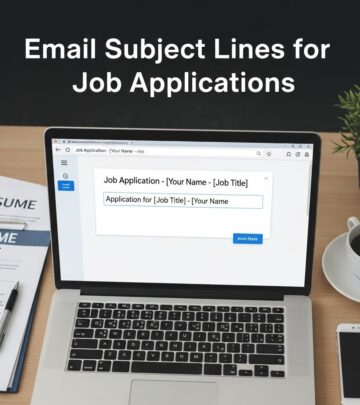
The subject line of your email is the first thing recipients see, making it crucial for your message to stand out. Use clear, descriptive subject lines such as “Application for [Volunteer Position Title]” or “Volunteer Application: [Your Name] – [Position Title].” Avoid vague subject lines like “Volunteer Application” or “Job Application,” as these don’t help your email stand out in a crowded inbox.
Proper Greeting
Always begin your email with a professional greeting. If possible, research the name of the volunteer coordinator or hiring manager and address them directly using “Dear Mr./Ms. [Last Name].” If you cannot find a specific name, “Dear Hiring Manager” or “Dear Volunteer Coordinator” is acceptable. Avoid overly casual greetings like “Hi there” or “Hello folks.”
Compelling Introduction
Your opening paragraph should immediately capture attention and establish your enthusiasm for the volunteer position. Specify the exact position you’re applying for and mention how you learned about the opportunity. If you have a personal connection to someone in the organization or were referred by a current volunteer, mention this in your introduction. This paragraph should be concise—typically three to four sentences—but should convey genuine excitement about the potential to contribute to the organization’s mission.
Substantive Body Paragraphs
The body of your cover letter is where you demonstrate why you’re an excellent fit for the position. This section should address why you’re interested in this specific volunteer opportunity and what you can contribute to the organization. Rather than simply listing qualifications, explain how your experiences align with the organization’s needs and how you can make a meaningful impact.
Clear Call to Action and Closing
Conclude your email with a professional call to action, inviting the recipient to contact you for an interview. Provide your preferred method of contact and mention your availability for phone or video interviews. Use a formal sign-off such as “Sincerely,” “Best regards,” or “Thank you for your consideration.” Always include your full name at the end of the email.
What to Highlight in Your Volunteer Cover Letter
When writing your email cover letter, focus on specific elements that will resonate with volunteer coordinators and help your application stand out from other candidates.
Relevant Skills and Experience
Identify skills that are directly applicable to the volunteer position you’re seeking. If the role involves working with children, highlight your experience in education or childcare. If it’s a community outreach position, emphasize your communication and interpersonal skills. Be specific about your experiences rather than making general statements about being a “hard worker” or “team player.”
Educational Background
Include your highest level of education and any relevant degrees or certifications. If you attended institutions known for community service or have degrees in fields related to the volunteer position, mention these. Additionally, include any relevant coursework, leadership positions held during school, or extracurricular activities that demonstrate your commitment to service.
Professional Accomplishments
Share specific examples of how you’ve made an impact in previous roles, whether volunteer or professional. Rather than stating that you’re a good communicator, describe a time when your communication skills led to a successful outcome. Use metrics when possible—for example, “increased participation by 25%” or “coordinated with 15 volunteers to accomplish our goal.”
Understanding of the Organization’s Mission
Demonstrate that you’ve researched the organization and genuinely believe in their mission. Reference specific programs or initiatives they run and explain why these align with your values. This shows that you’re not just looking for any volunteer position but are specifically interested in contributing to this particular organization.
Passion and Motivation
Organizations value volunteers who are passionate about their cause. Convey your genuine enthusiasm for making a difference in the community or supporting the organization’s mission. However, balance this enthusiasm with professionalism—your cover letter should remain a formal document despite expressing passion.
Sample Email Cover Letter
To help you understand how to structure your volunteer cover letter, here’s a professional example:
Subject Line: Volunteer Application: Sarah Martinez – Community Outreach Coordinator
Email Body:
Dear Ms. Johnson,
I am writing to express my strong interest in the Community Outreach Coordinator volunteer position at Green Valley Community Center. I learned about this opportunity through your organization’s website and am excited about the possibility of contributing to your mission of enriching lives through community programs and services.
With a background in community development and three years of volunteer experience, I am confident that I can make a meaningful contribution to your team. In my current volunteer role at Riverside Youth Services, I have developed and coordinated educational workshops that reached over 200 community members. My responsibilities include event planning, volunteer coordination, and direct community engagement. These experiences have equipped me with strong organizational skills, the ability to work effectively with diverse populations, and a deep commitment to community service.
I hold a bachelor’s degree in Social Work from State University and have completed certification in nonprofit management. Throughout my professional journey, I have consistently demonstrated my ability to build lasting relationships with community members, manage multiple projects simultaneously, and inspire others to support organizational goals. I am particularly drawn to Green Valley Community Center because of your commitment to serving underrepresented populations and your innovative approach to community programming.
I would welcome the opportunity to discuss how my skills and passion for community service can contribute to your organization’s continued success. I am available for phone or video interviews at your convenience and can be reached at 555-123-4567 or sarah.martinez@email.com.
Thank you for considering my application. I look forward to hearing from you.
Sincerely,
Sarah Martinez
555-123-4567
sarah.martinez@email.com
Essential Formatting Guidelines for Email Cover Letters
Length and Structure
Keep your email cover letter concise—typically 250 to 400 words. Volunteer coordinators receive numerous emails and appreciate applications that respect their time. Use short paragraphs (3-4 sentences each) with clear spacing between them to improve readability. Include a greeting, two to three body paragraphs, a closing paragraph, and a formal sign-off.
Font and Styling
Use a professional, easy-to-read font such as Arial, Calibri, or Times New Roman in 11 or 12-point size. Avoid decorative fonts or excessive formatting that can appear unprofessional or difficult to read. Use bold or italics sparingly to emphasize key points, and maintain consistent formatting throughout your email.
Tone and Language
Maintain a professional yet warm tone throughout your cover letter. Your language should be formal enough for a business communication but not so stiff that it sounds robotic. Avoid jargon or overly complex language that might obscure your message. Proofread carefully for spelling, grammar, and punctuation errors, as these can negatively impact the perception of your application.
Personalization
Customize each cover letter for the specific organization and position. Avoid using generic templates without modification, as recruiters can easily identify cookie-cutter applications. Reference specific programs, values, or recent initiatives of the organization to demonstrate genuine interest.
Common Mistakes to Avoid
When writing your volunteer cover letter, be aware of these common pitfalls:
- Writing too long—keep your email concise and focused
- Using a generic subject line that doesn’t specify the position
- Failing to address the recipient by name when possible
- Making the letter about what you want to gain rather than what you can contribute
- Including irrelevant information or unrelated volunteer experiences
- Using casual language or emojis in professional communication
- Neglecting to proofread for spelling and grammar errors
- Forgetting to include a clear call to action
- Sending the email at an inappropriate time
- Failing to research the organization before writing
Tailoring Your Cover Letter for Different Volunteer Positions
Community Service Positions
For community service roles, emphasize your commitment to social justice, community development, and helping others. Highlight any experience working with vulnerable populations and your ability to be culturally sensitive and responsive to community needs.
Youth-Focused Roles
When applying for volunteer positions working with children or teenagers, emphasize your patience, communication skills, and ability to create safe, inclusive environments. Include relevant certifications such as CPR, First Aid, or background check clearance if applicable.
Environmental or Conservation Positions
For environmental volunteer roles, demonstrate your passion for sustainability and conservation. Highlight any relevant coursework, previous environmental projects, or personal commitment to ecological causes.
Administrative or Coordination Roles
For positions involving administrative tasks or volunteer coordination, emphasize your organizational skills, attention to detail, and ability to manage multiple responsibilities. Include any experience with relevant software or systems.
Frequently Asked Questions
How long should my volunteer cover letter email be?
Your email cover letter should be 250 to 400 words, or approximately three to four paragraphs. This length is substantial enough to convey your qualifications while respecting the reader’s time.
Should I attach my resume with my cover letter email?
Yes, most organizations appreciate receiving both an email cover letter and a resume. Check the organization’s application instructions to confirm their preferences. If attaching a resume, mention it briefly in your email: “I have attached my resume for your review.”
What time should I send my cover letter email?
Send your email during business hours on a weekday, typically between 9 a.m. and 5 p.m. Avoid sending applications late at night or early in the morning, as these may get lost in crowded inboxes.
Is it appropriate to follow up after submitting my cover letter?
If you haven’t heard back after two weeks, it’s acceptable to send a polite follow-up email. Keep your message brief and professional, expressing your continued interest in the position.
Can I use the same cover letter for multiple volunteer positions?
While you can use a template, you should customize each cover letter for the specific organization and position. Generic applications are typically less effective than personalized ones that demonstrate genuine interest.
What should I do if I have no volunteer experience?
Focus on transferable skills from your professional or academic background. Highlight your eagerness to learn, your commitment to the cause, and any relevant education or skills that make you a suitable candidate for the role.
Final Thoughts
Writing an effective email cover letter for a volunteer position is an investment in your volunteer application that can significantly improve your chances of being selected. By following these guidelines, customizing your letter for each organization, and clearly communicating your skills and passion for service, you create a compelling case for why you’re an excellent volunteer candidate. Remember that volunteer coordinators are looking for dedicated individuals who are genuinely committed to their mission—your cover letter is your opportunity to demonstrate that commitment and stand out from other applicants.
References
- How to Write a Volunteer Cover Letter (With Examples) — Indeed Career Advice. 2025-07-26. https://www.indeed.com/career-advice/resumes-cover-letters/volunteer-cover-letter
- Volunteer Cover Letter: Examples, Templates & Tips — Resume-Now. https://www.resume-now.com/cover-letter/examples/social-services/volunteer
- Sample Email Message for Volunteer Position — iCover UK. https://www.icover.org.uk/sample-email-message-volunteer-position/
Similar Articles








Read full bio of medha deb