Eliminate Grocery Waste: Proven Shopping Tactics
Cut your grocery expenses by adopting intentional shopping methods and reducing food waste.
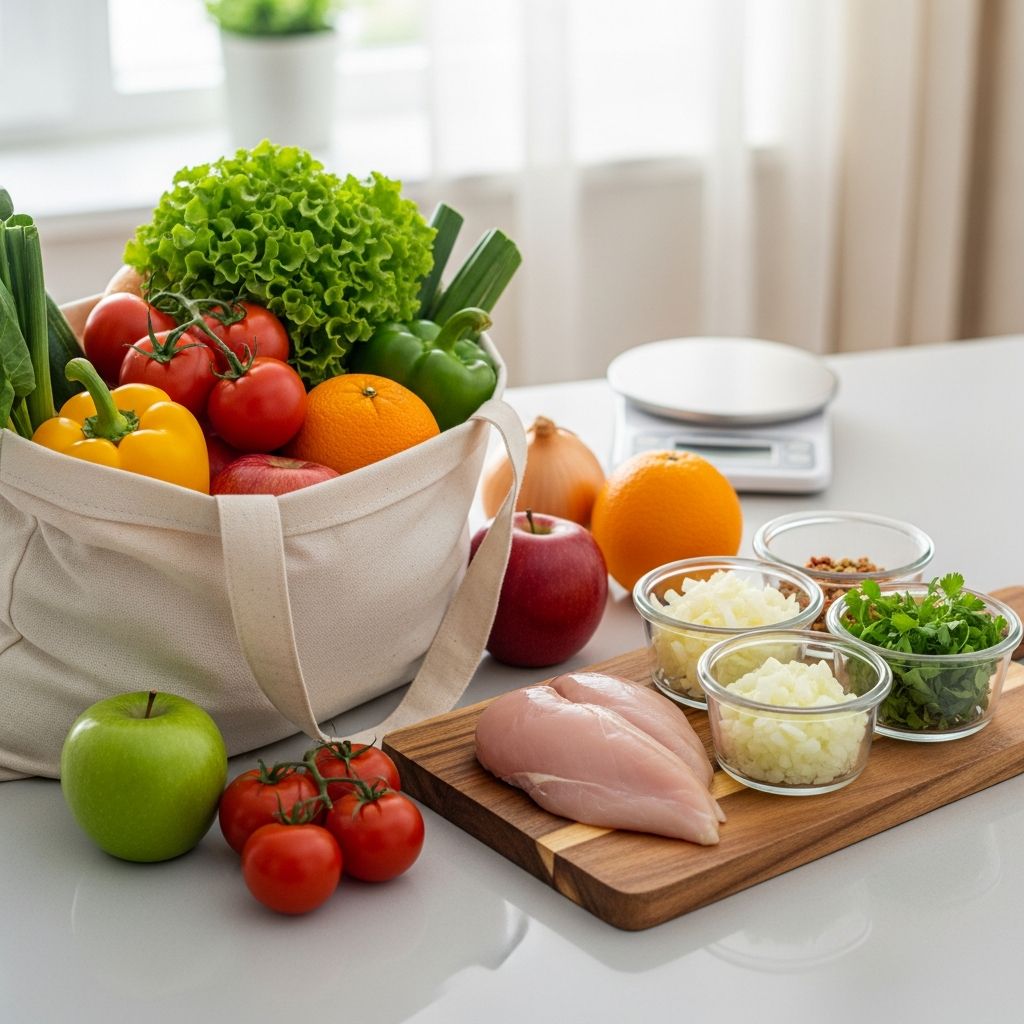
Grocery shopping represents one of the largest household expenses for most families, yet it remains an area where significant waste occurs without intentional intervention. The difference between mindless shopping and strategic purchasing can reduce your annual food expenses by hundreds or even thousands of dollars. This comprehensive guide explores evidence-based approaches to minimize waste and maximize your grocery budget through deliberate planning and behavioral adjustments.
Understanding the Root Causes of Grocery Waste
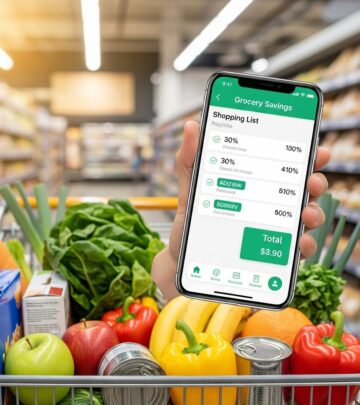
Before implementing solutions, recognizing why waste happens is essential. Most household grocery waste stems from three primary sources: purchasing items without a clear meal plan, buying more than needed due to impulse shopping, and failing to use ingredients before they expire. Research from the USDA indicates that meal planning and using a shopping list can reduce grocery expenses by 20 to 30 percent, demonstrating the power of intentional purchasing.
Additional waste occurs through purchasing convenience items at premium prices, selecting brand-name products when equally suitable alternatives exist at lower costs, and storing food improperly so it spoils before consumption. Understanding these patterns allows you to address them systematically rather than through sporadic efforts.
The Foundation: Structured Meal Planning
Effective waste reduction begins with planning, not shopping. Rather than browsing the store and deciding what to buy, reverse the process by determining what you’ll eat first. This fundamental shift in approach distinguishes households that successfully reduce grocery expenses from those that continue overspending.
Creating a Workable Weekly Framework
Begin by planning meals for a 3 to 7 day period rather than attempting to map an entire month. This shorter timeframe accommodates fresh produce while remaining manageable for most households. Focus on simplicity by selecting one or two breakfast options, a few lunch variations, and rotating dinner selections rather than creating entirely unique meals daily. Repetition actually reduces both spending and mental energy devoted to meal decisions.
This approach prevents decision fatigue, which commonly leads to impulse purchases at the store. When you’ve already decided that breakfast will consist of oatmeal and eggs rotating every other day, you avoid wandering the cereal aisle and adding expensive, pre-packaged options to your cart.
Building Meals Around Affordable Staples
Structure meals around budget-friendly foundation ingredients that work across multiple dishes. Beans, lentils, eggs, oats, frozen vegetables, rice, and store-brand yogurt provide nutritious bases for countless meals while remaining economical. Once these foundations are selected, add smaller portions of higher-cost items like cheese, nuts, or specialty ingredients.
This structure prevents the common mistake of building meals around expensive proteins first, then attempting to supplement with cheaper sides. Instead, it reverses the approach to prioritize affordable nutrition while using premium items strategically.
Optimizing Your Shopping List Structure
The format and organization of your shopping list significantly influences spending patterns. A disorganized list encourages wandering through the store, which increases exposure to marketing tactics and impulse purchases.
Grouping Items by Store Sections
Organize your list by store layout sections including produce, dairy, pantry, freezer, and household items. This structure allows you to move methodically through the store without backtracking or deviating into unplanned sections. By following your grouped list, you reduce the time spent in aisles filled with premium-priced convenience items and processed foods.
The psychological benefit of this approach shouldn’t be underestimated. When you have a clear path and predetermined purchases, you’re less susceptible to marketing displays and attractive packaging designed to trigger impulse buying.
Before Shopping: Inventory Your Home
Immediately before creating your shopping list, thoroughly check your pantry, refrigerator, and freezer to identify what you already own. Cross items off your meal plan or list if you have existing ingredients that fit. This simple step prevents duplicate purchases and forces you to use items already purchased.
Consider maintaining a running “use this soon” list for items nearing expiration or showing signs of age. Plan at least one or two meals specifically around these items using flexible dishes like soups, stir-fries, grain bowls, or omelets that accommodate various vegetables and proteins.
Strategic Purchasing Decisions at the Store
Once you’ve created your organized list, making intelligent purchasing decisions at the store level determines whether you achieve your savings goals.
Comparing Unit Prices, Not Just Totals
Look at price per ounce or per pound rather than focusing on the total tag price. Larger packages or store-brand options frequently offer better unit pricing as long as you’ll actually use the product before it spoils. This comparison requires a moment of calculation but frequently reveals that buying larger quantities saves money despite a higher upfront cost.
Leveraging Store Brand Products
Store brands typically cost 15 to 25 percent less than name brands while providing equivalent quality for most staple items. Research shows that for products like oats, rice, canned tomatoes, and frozen vegetables, store brands perform comparably to premium options. Reserve named brands for items where you genuinely notice a quality difference, typically specialty or unique products rather than basic staples.
Consider this concrete example: Peanut butter from a national brand costs $7.49 for a 40-ounce jar, while the store equivalent is $3.99, representing nearly 47 percent savings on an identical product.
Avoiding Convenience Premiums
Pre-washed lettuce, pre-chopped vegetables, and individually packaged items command significant price premiums for convenience. While these products occasionally make sense when they prevent you from ordering takeout, using them as defaults inflates your grocery budget substantially. Purchase whole produce and invest minimal additional time in preparation to realize substantial savings.
Applying Selective Budget Allocation to Treats
Completely eliminating treat items often backfires, creating unsustainable restrictions that lead to abandoning your budget strategy entirely. Instead, decide on a small number of “fun” items per week and keep the remainder of your list focused on meal ingredients. This balanced approach provides enjoyment without allowing treats to consume your entire budget.
Maximizing Use of Purchased Items
Buying strategically means nothing if purchased items spoil unused. Implementing systems to consume what you’ve purchased is equally important as smart purchasing.
Strategic Freezer Management
Use your freezer as a preservation tool, not a storage graveyard. Freeze extra portions of cooked meals, excess bread, and ripe fruit in labeled containers. Keep a brief list on your refrigerator documenting freezer contents to remind yourself of available options and prevent forgetting about frozen items.
Planning Flexible Meals for Leftover Management
Incorporate at least one flexible meal weekly—such as a stir-fry, grain bowl, or frittata—designed around whatever vegetables and proteins remain unused. This approach prevents small quantities of items from spoiling while reducing the need for additional shopping trips.
Rethinking Snack Purchases
Base snacks on simple staples rather than purchasing numerous packaged options. Fruit, yogurt, nuts, or popcorn provide cost-effective snacking that integrates more easily into your meal plan than multiple specialty snack products.
Utilizing Loyalty Programs and Digital Discounts
Many grocery stores offer savings mechanisms that require active participation. Digital coupons and loyalty programs represent legitimate opportunities for additional savings without extreme couponing efforts.
Accessing Digital Coupons Effectively
Many grocery store deals are not automatic and require clipping digital coupons through store applications. If you’re uncomfortable using apps, paper copies of digital deals are typically available at store entrances, and cashiers can apply them at checkout. This approach requires minimal effort while capturing available savings.
Loyalty Program Benefits
Loyalty programs provide access to digital discounts and occasionally special shopping hours. Consumer Reports notes that some supermarkets offer discount shopping days specifically for older customers, representing an additional avenue for savings if applicable.
Smart Shopping Location Selection
Not all stores offer identical pricing. Strategic selection of where you purchase specific items optimizes your overall budget.
Warehouse Clubs for Bulk Items
For items you’ll use consistently and that have long shelf lives—such as paper products, canned goods, or frozen items—warehouse clubs like Costco and BJ’s frequently offer the lowest unit prices. Reserve warehouse shopping for these bulk staples rather than attempting to purchase your entire grocery list there.
Discount Retailers for Produce and Fresh Items
Discount grocers like Aldi rank among the least expensive supermarket options and often provide superior pricing on fresh produce and everyday essentials compared to traditional supermarkets.
In-Store Navigation Strategies
Spend more time in outer aisles where fresh, nutritious foods typically reside with fewer temptations. Additionally, items positioned at eye level aren’t necessarily the best deals. Looking up and down shelves frequently reveals lower-priced options, as premium-priced products receive premium shelf placement.
Creating Sustainable Habits
The most effective grocery waste reduction strategies are those you’ll maintain consistently rather than temporary measures implemented sporadically.
Start with implementing 2-3 strategies that feel manageable rather than attempting complete grocery overhaul simultaneously. Once these become automatic habits, gradually integrate additional techniques. Small, repeatable behavioral changes prove more effective than dramatic but unsustainable restrictions.
When you identify a weekly structure that works within your budget and feels manageable, save that pattern for reuse. Maintain the same basic framework and grouped list while swapping individual meals as desired. This consistency allows savings without requiring weekly strategic planning from scratch.
Frequently Asked Questions
How much can I realistically save implementing these strategies?
Research indicates that meal planning and shopping lists reduce grocery expenses by 20 to 30 percent. Additional savings may accumulate through store brand selection, avoiding convenience items, and proper storage to prevent spoilage.
Do these strategies require significant time investment?
Initial implementation requires time investment, but establishing routines actually reduces overall time spent on grocery management. Planning meals and organizing lists takes approximately 30 minutes weekly once you’ve established your process.
Can I implement these strategies while maintaining food quality and nutrition?
Yes. Building meals around affordable staples like beans, lentils, eggs, frozen vegetables, and whole grains provides excellent nutrition while reducing costs. The focus is spending strategically rather than restricting nutrition.
What’s the best starting point?
Begin with meal planning and creating an organized shopping list. This foundational step creates the framework for implementing additional strategies as comfort increases.
References
- Smart Ways To Save Money On Groceries (2026) — PlanEat AI. 2026. https://planeatai.com/blog/smart-ways-to-save-money-on-groceries-2026
- Saving money in 2026? Smart grocery shopping strategies for you to adopt — WCPO Cincinnati. 2026. https://www.wcpo.com/money/consumer/dont-waste-your-money/saving-money-in-2026-smart-grocery-shopping-strategies-for-you-to-adopt
- Strategies to save at the supermarket — News4JAX. 2026. https://www.news4jax.com/money/2026/02/24/strategies-to-save-at-the-supermarket/
Similar Articles








Read full bio of Sneha Tete