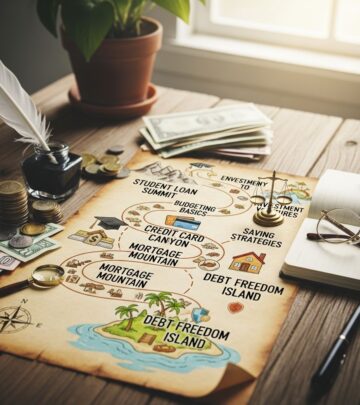
Eliminate Debt: Comprehensive Strategies for Financial Freedom
Master proven debt elimination techniques and regain control of your finances today.

Debt can feel overwhelming, but with the right approach and commitment, you can take control of your financial situation and work toward becoming debt-free. Understanding the various strategies available to manage and eliminate debt is the first step toward achieving long-term financial stability. This comprehensive guide explores multiple pathways to help you escape the debt cycle and build a stronger financial foundation.
Understanding Your Debt Landscape
Before you can effectively tackle debt, you need to understand exactly what you owe. This foundational step involves creating a complete inventory of all your outstanding obligations, including credit cards, personal loans, student loans, medical bills, and any other debts. For each debt, document the outstanding balance, interest rate, minimum monthly payment, and the payment due date.
Knowing your debt landscape serves multiple purposes. It helps you identify which debts are costing you the most money through interest charges, reveals payment due dates to prevent missed payments that could damage your credit, and provides a clear picture of your total debt burden. Many people find that simply seeing all their debts in one place creates a sense of clarity and control, which can be psychologically empowering as you begin your debt elimination journey.
Establishing Financial Guardrails Before You Begin
One critical mistake people make when tackling debt is continuing to accumulate new debt while paying off existing obligations. To break this cycle, you need to establish financial practices that prevent future debt accumulation while you work on eliminating current debt.
Building a Practical Budget
A realistic budget forms the foundation of successful debt management. Your budget should account for essential expenses including housing, utilities, food, transportation, and insurance, while identifying discretionary spending that can be reduced or eliminated. The goal isn’t to create an unrealistic budget that you’ll abandon after a few weeks; instead, build a sustainable spending plan that allows for some flexibility while directing maximum resources toward debt elimination.
When developing your budget, categorize expenses as either fixed (amounts that stay the same each month) or variable (amounts that fluctuate). This distinction helps you identify where you have the most control over spending. Variable expenses like dining out, entertainment, and shopping typically offer the greatest opportunity for reduction, allowing you to free up additional funds for debt repayment.
Creating an Emergency Fund
Many people return to debt after paying it off because they lack a financial cushion for unexpected expenses. An emergency fund—a cash reserve set aside specifically for unplanned costs—prevents you from relying on credit cards or loans when emergencies arise. Financial experts generally recommend maintaining an emergency fund covering three to six months of essential expenses, though you can start with a smaller amount like $500 to $1,000 and gradually build it as you pay down debt.
The emergency fund should be kept in a separate, easily accessible savings account, distinct from your regular checking account. This separation makes it psychologically easier to preserve the fund for genuine emergencies rather than treating it as discretionary spending money.
Strategic Debt Repayment Methods
Once you’ve committed to stopping new debt accumulation and created your inventory, the next step involves selecting a debt repayment strategy that aligns with your financial situation and psychological preferences.
The High-Interest Rate Priority Method
The high-interest rate priority method, often called the avalanche method, focuses your repayment efforts on debts that charge the highest interest rates. This approach works by ranking all your debts from highest to lowest interest rate, making minimum payments on everything while directing all available extra funds toward the highest-rate debt.
Once you eliminate the highest-rate debt, you redirect that payment amount toward the next-highest-rate debt, and continue this pattern until all debts are paid off. This method is mathematically optimal because it minimizes the total interest you’ll pay over time. For individuals with significant high-interest debt—particularly credit card balances that often carry rates between 18-25 percent—this approach can save thousands of dollars in interest charges.
The avalanche method works exceptionally well if you’re motivated by mathematical optimization and want to ensure you’re making the most efficient use of your money. However, some people find this approach psychologically challenging because it may take longer to achieve the first payoff, which can make the debt elimination process feel frustratingly slow.
The Smallest Balance Priority Method
The smallest balance priority method, commonly known as the snowball method, reverses the focus by prioritizing debts with the smallest outstanding balances regardless of interest rates. Using this approach, you list all debts from smallest to largest balance, make minimum payments on everything, and direct all extra funds toward the smallest debt.
Once you eliminate the smallest debt, you apply that entire payment amount to the next-smallest debt, creating a growing “snowball” of payment capacity. This psychological momentum of achieving quick wins by eliminating smaller debts can provide powerful motivation to continue the process. For individuals struggling with motivation or those managing many small debts, the snowball method often proves more effective because visible progress encourages continued commitment.
While the snowball method may result in paying slightly more interest overall compared to the avalanche approach, the psychological benefits of early wins frequently outweigh the additional cost. Many financial experts acknowledge that the best debt repayment method is ultimately the one you’ll consistently follow.
Increasing Monthly Payments
Beyond choosing between avalanche and snowball methods, accelerating your debt elimination involves paying more than the minimum required amount. Even modest increases in your monthly payment can significantly reduce the time needed to become debt-free and substantially decrease the total interest paid.
For example, paying an extra $50 per month on a credit card balance can reduce years of payments and save hundreds in interest charges. The key is identifying areas in your budget where you can redirect funds—whether through reducing discretionary spending, finding additional income through side work, or redirecting windfalls like tax refunds or work bonuses—toward debt principal.
Advanced Debt Management Techniques
For individuals with multiple debts or those seeking alternative approaches, several advanced strategies can accelerate debt elimination.
Consolidating Multiple Debts
Debt consolidation involves combining multiple debts into a single new loan, typically at a lower interest rate than what you’re currently paying. This approach simplifies your financial life by reducing the number of payments you need to track and potentially lowering your monthly payment obligation.
Consolidation can take several forms. Balance transfer credit cards allow you to move credit card balances onto a new card with a promotional interest rate, typically 0 percent for a limited introductory period. Personal loans provide a lump sum to pay off existing debts, which you then repay over a fixed term. For homeowners, home equity loans or lines of credit offer another consolidation option, typically featuring lower interest rates than unsecured personal loans.
The critical factor when considering consolidation is ensuring that any new loan features a lower interest rate and shorter payoff period than your current situation would require. Consolidating to a lower rate but extending the repayment period might provide temporary payment relief but could cost you more in total interest over time.
Negotiating Directly with Creditors
Many people don’t realize they can negotiate with their creditors. If you’re experiencing financial difficulty, contacting your creditor directly to discuss your situation may result in adjusted repayment terms, temporary payment reduction, or even partial debt forgiveness. When negotiating, speak with a manager who has authority to modify your account terms, and always request any agreement in writing.
Creditors often prefer modified payment arrangements over the alternative of defaulted accounts, which can be more costly and complicated for them to manage. Approaching this conversation professionally and demonstrating genuine willingness to repay can open doors to options you might not have considered.
Understanding Debt Settlement and Professional Assistance
Debt settlement involves hiring a third-party company to negotiate a lump-sum payment with your creditors for less than the total amount owed. While this can reduce your total debt obligation, settlement companies typically charge fees ranging from 15-20 percent of the debt amount, and the settlement process can negatively impact your credit score.
Before pursuing debt settlement, understand that it’s generally a last-resort option for situations where other strategies have failed. If you’re considering this approach, research companies carefully and understand the implications for your credit profile before proceeding.
Common Mistakes to Avoid
Understanding common pitfalls helps you stay on track toward debt elimination. Many people continue accumulating new debt while attempting to pay off existing obligations, rendering their efforts ineffective. Others lose motivation when progress seems slow or when unexpected expenses derail their payment plans. Additionally, some individuals pursue debt consolidation without addressing the underlying spending behaviors that created the original debt, leading to a cycle of repeated debt accumulation.
Avoiding these mistakes requires commitment to lifestyle changes, realistic expectations about the time required to achieve debt freedom, and maintaining your emergency fund so unexpected expenses don’t derail your progress.
Frequently Asked Questions
How long does debt elimination typically take?
The timeline depends on your total debt amount, interest rates, and how much extra money you can dedicate to payments. Some people eliminate debt in a few years, while others may require five to ten years. The key is making consistent progress rather than achieving specific speed.
Should I stop saving while paying off debt?
No. Maintaining a small emergency fund prevents you from returning to debt when unexpected expenses arise. Focus most extra money on debt elimination while building emergency savings gradually.
Can debt elimination improve my credit score?
Yes. As you pay off debts and reduce credit utilization, your credit score typically improves over time. However, credit repair takes time, and you may see improvements within several months to a year.
What if I can’t afford minimum payments?
Contact your creditors immediately to discuss options. Many creditors offer hardship programs, temporary payment reductions, or alternative arrangements for individuals facing financial difficulty.
Is bankruptcy a viable option?
Bankruptcy is a serious legal process with lasting credit implications but may be appropriate in severe situations where other options are exhausted. Consult with a bankruptcy attorney or credit counselor before considering this path.
Implementing Your Debt Elimination Plan
Success in debt elimination requires moving from understanding various strategies to implementing a concrete action plan. Start by completing your debt inventory, selecting either the avalanche or snowball method based on your motivation style, and establishing your budget and emergency fund. Then commit to consistent monthly payments while avoiding new debt accumulation.
Remember that debt elimination is a marathon, not a sprint. Celebrate small wins, maintain realistic expectations, and adjust your plan as your circumstances change. By following these evidence-based strategies and maintaining consistent commitment, you can achieve financial freedom and build the stable financial future you deserve.
References
- Three Steps to Managing and Getting Out of Debt — California Department of Financial Protection and Innovation (DFPI). Accessed March 2026. https://dfpi.ca.gov/news/insights/three-steps-to-managing-and-getting-out-of-debt/
- How to Reduce Your Debt — Consumer Financial Protection Bureau (CFPB). Accessed March 2026. https://www.consumerfinance.gov/about-us/blog/how-reduce-your-debt/
- How To Get Out of Debt — Federal Trade Commission (FTC) Consumer Advice. Accessed March 2026. https://consumer.ftc.gov/articles/how-get-out-debt
- 5 Debt Repayment Strategies That Could Change Your Life — Navy Federal Credit Union. Accessed March 2026. https://www.navyfederal.org/makingcents/credit-debt/debt-repayment-strategies.html
- Strategies to Help You Pay Off Debt — Equifax. Accessed March 2026. https://www.equifax.com/personal/education/debt-management/articles/-/learn/paying-off-debt-strategies/
Similar Articles








Read full bio of Sneha Tete