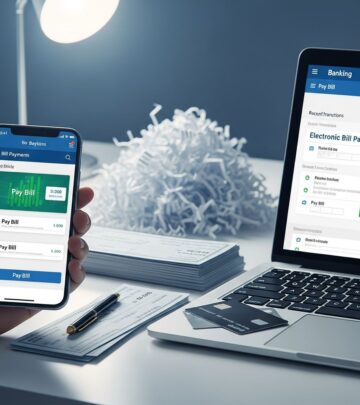
Electronic Check: Digital Payment Method
Understanding electronic checks: The modern digital alternative to paper checks.
What is an Electronic Check?
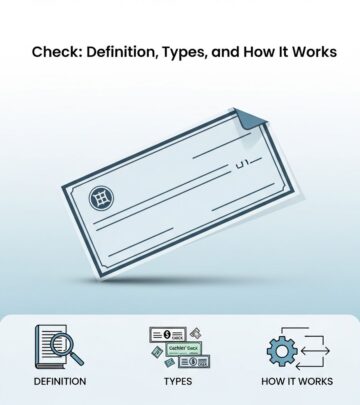
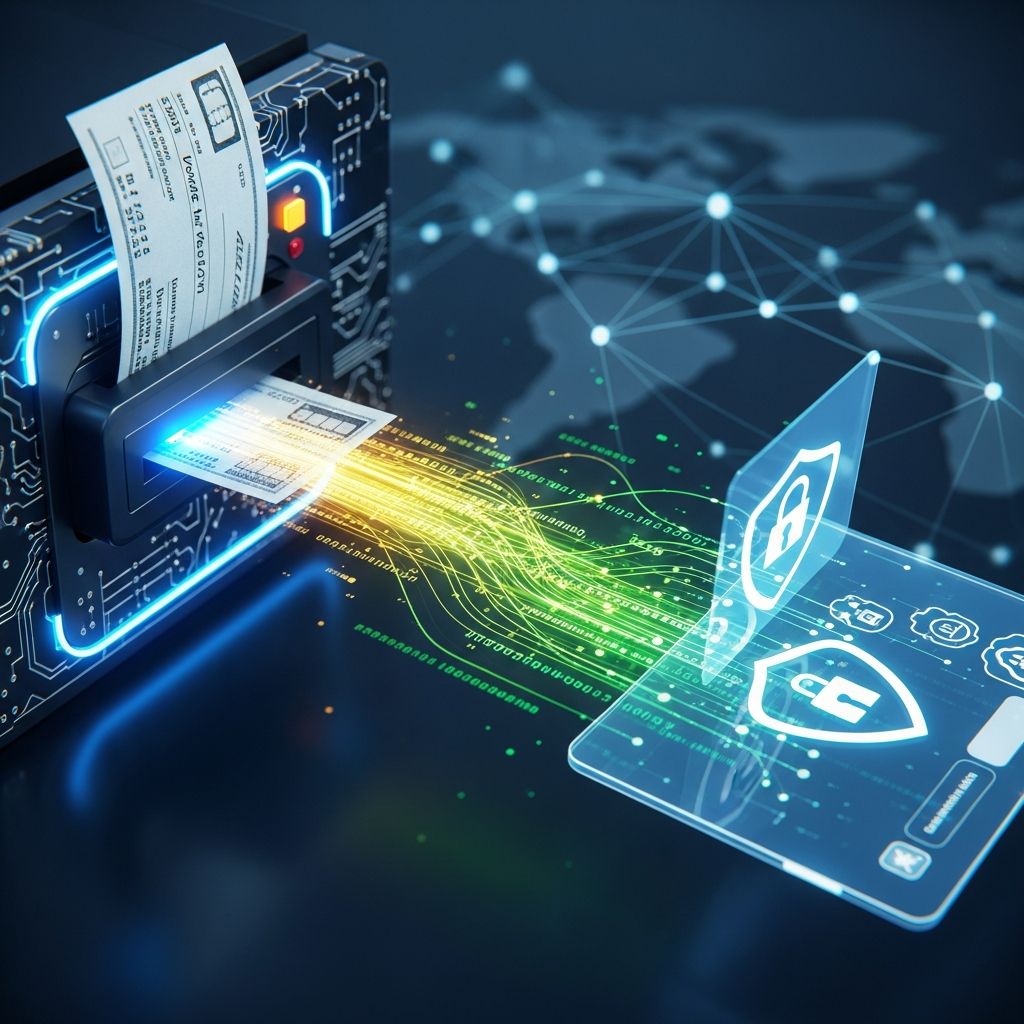
An electronic check, commonly abbreviated as eCheck, represents the digital evolution of the traditional paper check. It functions as a secure and efficient electronic alternative to conventional paper-based checks, enabling individuals and businesses to transfer funds directly from one checking account to another without the need for physical documents, ink, or courier services. Rather than writing out a check by hand and mailing it to a recipient, an eCheck digitizes this entire process through secure online systems and banking networks.
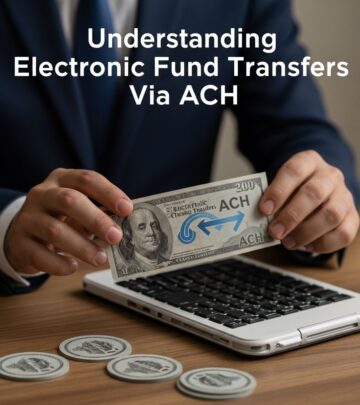
In essence, an eCheck is a digital version of a paper check that is processed through the Automated Clearing House (ACH) network. The ACH network, maintained by the National Automated Clearing House Association (NACHA), serves as the backbone infrastructure for electronic check processing in the United States. This system ensures that eChecks are processed efficiently, securely, and in compliance with federal banking regulations. When you initiate an eCheck payment, you’re leveraging the same trust and familiarity of traditional checks while gaining the benefits of modern digital technology.
How Electronic Checks Work
The process of sending and receiving an eCheck involves several coordinated steps that ensure funds are transferred securely and accurately between the payer’s and payee’s bank accounts. Understanding this workflow helps explain why eChecks have become increasingly popular for both personal and business transactions.
The eCheck Payment Process
The eCheck payment process follows a structured workflow designed to build trust, ensure compliance, and maintain efficiency throughout the transaction:
- Payer Initiation: The customer or payer agrees to pay using an eCheck, typically through an online payment form, a paper authorization form, or even over the phone.
- Authorization: The payer gives explicit permission to debit their checking account, often including a digital signature or online agreement. This authorization is recorded digitally and validated to confirm the payer’s consent.
- Data Capture: Key financial information is collected securely, including the payer’s bank routing number, checking account number, and the payment amount. This information is submitted through a secure payment gateway.
- Verification: Systems check the account details to ensure accuracy and implement fraud prevention measures to verify the legitimacy of the transaction.
- Submission to ACH: The merchant’s payment processor transmits the transaction data to the Automated Clearing House network for processing.
- Clearing: The ACH network coordinates the transaction between the payer’s bank and the payee’s bank, ensuring both institutions are prepared for the fund transfer.
- Settlement: Within 24 to 72 hours after initiation, the funds are transferred from the payer’s account to the payee’s account, completing the transaction.
The Role of the Automated Clearing House (ACH)
The Automated Clearing House network is essential infrastructure for electronic check processing in the United States. The ACH system handles billions of transactions annually, including direct deposits, bill payments, business-to-business payments, and electronic check transfers. This network ensures that eChecks are processed with efficiency, reliability, and strict adherence to NACHA regulations.
The ACH network operates as a batch-processing system, which means transactions are grouped together and processed in batches rather than individually. This batch processing model contributes to the typical 24 to 72-hour settlement timeframe for eCheck transactions. The network maintains rigorous security protocols and compliance standards that protect both payers and payees while ensuring the integrity of the financial system.
Benefits of Electronic Check Payments
Switching from paper checks to eChecks provides numerous advantages for both individuals and businesses:
- Cost Savings: eChecks typically have lower processing fees compared to credit card transactions, making them an economical choice for merchants and businesses processing high transaction volumes.
- Convenience: The digital process eliminates the need to write checks by hand, purchase check stock, or physically mail payments. Faster settlement times and fewer manual steps streamline the payment process.
- Security: Modern eCheck systems employ encryption protocols, digital signatures, and fraud prevention mechanisms to enhance transaction safety and protect sensitive banking information.
- Recurring Payments: Businesses can easily set up recurring eCheck payments for subscriptions, loan repayments, membership fees, and other regular transactions.
- Audit Trail: Every eCheck transaction leaves a comprehensive digital record, creating an audit trail that facilitates compliance with banking regulations and enables easy tracking of payments.
- Reduced Bounced Checks: Digital verification systems check for sufficient funds before processing, significantly reducing the number of bounced transactions.
- Environmental Benefits: By eliminating paper checks, eChecks reduce paper consumption and contribute to environmental sustainability.
Electronic Checks vs. Paper Checks
While both electronic and paper checks draw funds directly from a payer’s account and deposit them into a payee’s account, they differ significantly in their processing methods and efficiency. Understanding these differences helps explain why many businesses and individuals are transitioning to eChecks.
| Feature | Electronic Checks (eChecks) | Paper Checks |
|---|---|---|
| Processing Method | Digital processing through ACH network | Physical handling through mail and bank clearinghouses |
| Processing Time | 24-72 hours (1-3 business days) | 5-7 business days or longer |
| Cost | Lower processing fees | Higher costs (printing, postage, handling) |
| Manual Steps | Minimal to none | Multiple manual steps required |
| Security | Encryption and fraud monitoring | Susceptible to theft, forgery |
| Environmental Impact | Paperless, eco-friendly | Requires paper and printing resources |
| Portability | Can be sent electronically from anywhere | Must carry physical checkbook |
| Fraud Risk | Lower due to verification systems | Higher risk of theft or forgery |
eChecks vs. Other Payment Methods
In the modern financial landscape, multiple payment methods are available to consumers and businesses. eChecks offer distinct advantages compared to credit cards, wire transfers, and other electronic payment methods. Unlike credit card payments, which rely on borrowing against a line of credit, eChecks debit funds directly from a checking account, making them more economical for merchants due to significantly lower processing fees. Additionally, eChecks typically have lower per-transaction costs than wire transfers while maintaining comparable security standards.
While ACH payments and eChecks both utilize the Automated Clearing House network, they serve different purposes. eChecks are typically used for single transactions, whereas ACH payments are frequently employed for recurring transactions, direct deposits, and significant bulk transfers. Both methods offer cost savings compared to credit card processing, but eChecks replicate the familiarity and trust of traditional checks in a digital format.
Security Features of Electronic Checks
Modern eCheck systems incorporate multiple layers of security to protect sensitive financial information and prevent fraudulent transactions:
- Digital Signatures: Electronic signatures authenticate the authorization of eCheck payments, ensuring that the transaction has been explicitly approved by the payer.
- Encryption Protocols: Advanced encryption technology protects sensitive banking data during transmission, preventing interception by unauthorized parties.
- Fraud Monitoring: Artificial intelligence-powered tools analyze transaction patterns in real-time, identifying suspicious activities and flagging potentially fraudulent transactions for review.
- Account Verification: Before processing, systems verify that the payer’s account is valid, active, and contains sufficient funds to cover the payment.
- Routing Number Validation: The payer’s bank routing number is validated to ensure it corresponds to a legitimate financial institution.
- Audit Trail: Comprehensive digital records of every transaction provide a complete audit trail for compliance verification and dispute resolution.
How Banks Process and Verify eChecks
Banks follow a rigorous verification process to ensure the legitimacy and security of eCheck transactions. First, the bank reviews the eCheck transaction details, including the payer’s account information and the payment amount. The bank then checks whether the payer’s account contains sufficient funds to cover the payment. Next, the bank validates the routing number to confirm it corresponds to a legitimate financial institution. The bank also confirms that the payer’s account is valid and active. Banks then employ various security measures to detect and prevent fraud, ensuring the authenticity of the eCheck. Finally, the eCheck is processed through the Automated Clearing House network, which facilitates the secure transfer of funds between financial institutions.
Business Applications of Electronic Checks
In business-to-business (B2B) environments, eChecks have become the preferred payment method for many organizations. Large enterprises benefit from bulk transfers, automated reconciliation features, and comprehensive payment audit trails. eChecks allow businesses to maintain strong audit records for compliance purposes, which is essential for regulated industries such as finance, healthcare, and government contracting. The lower costs compared to wire transfers and credit card processing make eChecks particularly attractive for businesses processing high transaction volumes. Additionally, the ability to set up recurring eCheck payments streamlines the handling of regular vendor payments, employee reimbursements, and subscription services.
Digital Transformation and Electronic Checks
As companies embrace digital billing transformation, eChecks play a central role in modernizing payment infrastructure. They combine the trust and familiarity of traditional checks with the efficiency and speed of electronic transactions. Businesses leveraging payment software integration benefit from streamlined workflows, automated payment confirmation receipts, real-time payment tracking, and enhanced financial reporting capabilities. This digital transformation enables organizations to reduce administrative overhead, improve cash flow visibility, and respond more quickly to business needs.
Depositing Electronic Checks
eChecks can be deposited using the same methods available for paper checks. Many banks offer multiple deposit options, including traditional bank branches, credit unions, automated teller machines (ATMs), and remote deposit capture systems. Remote deposit capture technology allows businesses and individuals to deposit checks electronically by scanning the check image, streamlining the deposit process and accelerating fund availability. By employing patented verification technology, banks and companies can easily verify the authenticity of every eCheck, which decreases fraudulent activities and protects all parties involved in the transaction.
Frequently Asked Questions
What is the typical processing time for an eCheck?
The standard processing period for eChecks ranges from 1 to 3 business days (24 to 72 hours). This timeframe allows the ACH network to coordinate between the payer’s and payee’s banks and facilitate the secure transfer of funds.
Are electronic checks secure?
Yes, electronic checks employ encryption, digital signatures, authentication protocols, and fraud monitoring systems to ensure transaction safety. Banks verify account details, check for sufficient funds, and validate routing numbers before processing eCheck transactions.
How do eChecks differ from wire transfers?
eChecks typically have lower processing fees than wire transfers while offering comparable security. Wire transfers are usually faster but more expensive, making eChecks a more economical option for many businesses and individuals.
Can I set up recurring eCheck payments?
Yes, businesses can easily set up recurring eCheck payments for subscriptions, loan repayments, membership fees, and other regular transactions. This automation reduces administrative work and ensures consistent, on-time payments.
What information is needed to send an eCheck?
To send an eCheck, you’ll need the recipient’s bank name, bank routing number, account number, account holder’s name, and the payment amount. This information is submitted securely through a payment gateway or authorization form.
How do eChecks compare to credit card payments?
eChecks debit funds directly from a bank account, while credit card payments rely on borrowing against a line of credit. eChecks typically have lower processing fees and longer processing times compared to credit cards, making them more economical for high-volume transactions.
What happens if there are insufficient funds in my account?
If there are insufficient funds when an eCheck is processed, the transaction will be rejected during the verification step. This prevents bounced checks and protects both the payer and payee from transaction failures.
Can I deposit an eCheck at any bank?
eChecks can typically be deposited at most banks, credit unions, ATMs, and through remote deposit capture systems. However, it’s best to confirm with your specific financial institution regarding their eCheck deposit policies and available deposit methods.
References
- What is Electronic Check Payment? Complete Guide 2026 — Emagia. 2025-11-29. https://www.emagia.com/resources/glossary/what-is-electronic-check-payment/
- What is an eCheck and How Does It Work? — HighRadius. 2025-11-29. https://www.highradius.com/resources/Blog/what-is-echeck-how-it-works/
- Automated Clearing House (ACH) Network Overview — National Automated Clearing House Association (NACHA). 2025-11-29. https://www.nacha.org/
Similar Articles








Read full bio of Sneha Tete