Electric Vs Gas Stoves: Which Is Best For Your Kitchen
Discover the pros, cons, costs, and performance of electric and gas stoves to choose the ideal cooking solution for your kitchen needs.
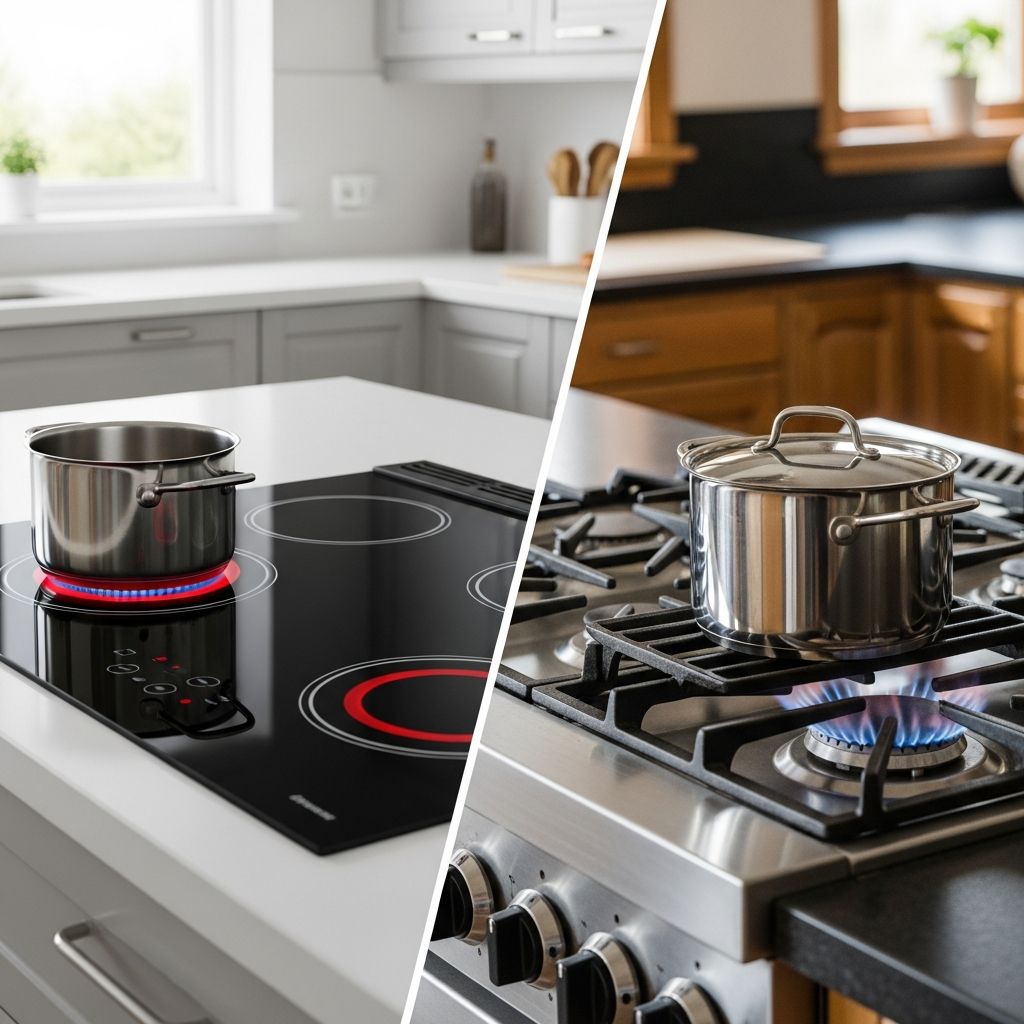
Choosing between an electric or gas stove involves weighing factors like cooking performance, energy costs, safety, and installation needs. Electric stoves often excel in even heating and ease of maintenance, while gas models provide rapid response and visual heat control. This guide breaks down the essentials to help you decide based on your kitchen habits and home setup.
How Electric and Gas Stoves Operate
Electric stoves use coiled elements or smooth ceramic-glass surfaces powered by electricity, typically requiring a 240-volt outlet. These elements heat up to transfer energy directly to cookware, offering consistent temperatures ideal for baking and simmering. Gas stoves burn natural gas or propane through open flames under grates, allowing immediate heat adjustments and side-heating for pans.
The core difference lies in heat delivery: electric provides radiant or conduction heat, while gas relies on combustion for instant responsiveness. Induction electric stoves, a premium variant, use magnetic fields for ultra-efficient cooking, transferring up to 90% of energy to food.
Cooking Performance Breakdown
Performance varies by task. Gas stoves heat quickly and allow precise flame control, making them favorites for searing, stir-frying, and wok cooking where visual feedback matters. Electric models, especially smoothtops, deliver steady low heat for simmering sauces without scorching and drier oven heat for even browning in cakes or roasts.
| Task | Gas Stove Advantage | Electric Stove Advantage |
|---|---|---|
| High-Heat Searing | Instant flame boost, hotter peaks | Reliable radiant heat |
| Low-Heat Simmering | Quick adjustments | Stable temperatures, less fluctuation |
| Baking/Roasting | Fast preheat | Dry, even heat distribution |
| Broiling | Visible flame control | Consistent top-down heat |
Consumer testing shows electric smoothtops often outperform gas in high-heat boiling, low-heat simmering, baking, and broiling consistency. However, gas shines in professional-style cooking with open flames.
Energy Efficiency and Operating Costs
Electric stoves transfer about 70% of energy to food, compared to 40% for gas, making them more efficient overall. Induction models reach 90% efficiency. Yet, natural gas is usually cheaper per unit, so monthly bills depend on local rates—gas might cost less to run despite lower efficiency.
- Electric pros: Higher energy-to-food transfer, potential savings with time-of-use electricity plans.
- Gas pros: Lower fuel costs in many areas, works during power outages.
Upfront, basic electric stoves are often cheaper to buy and install if a 240V outlet exists, while gas requires professional hookup. Long-term, calculate based on your utility prices: electricity averages higher, but efficiency narrows the gap.
Safety Considerations for Modern Kitchens
Electric stoves eliminate gas leak and carbon monoxide risks, reducing asthma links in children. No open flames mean fewer burns and fire hazards once cooled. Gas stoves demand proper ventilation and installation to avoid leaks, though modern safety valves minimize issues.
Both types pose risks if poorly installed—gas via leaks, electric via overloads—but electric’s lack of combustion edges it for safety-conscious homes. Induction adds burn prevention as surfaces stay cool without cookware.
Installation and Home Compatibility
Electric stoves plug into standard high-voltage outlets, often DIY-friendly if wiring is present. Gas needs licensed plumbers for line connections and venting, raising costs.
- Check your kitchen: 240V outlet? Go electric. Gas line? Gas is viable.
- Apartment dwellers favor electric for simplicity.
Maintenance, Cleaning, and Durability
Smooth-top electrics wipe clean effortlessly, though scratches occur. Gas grates lift off for scrubbing spills. Electric coils are durable but slower to cool; gas burners resist heavy pot damage better than glass tops.
Expect 10-15 years from both with care. Gas parts are widely available and cheaper to replace.
Environmental Impact of Your Choice
Electric stoves pair with renewable grids for lower emissions; gas releases CO2 and pollutants directly. Induction maximizes cleanliness. Regulations increasingly favor electric for indoor air quality.
Cost Comparison Table
| Aspect | Electric | Gas |
|---|---|---|
| Purchase Price | $500-$2,000 | $600-$2,500 |
| Installation | $100-$500 | $300-$1,000 |
| Monthly Cost (avg.) | $10-$20 | $8-$15 |
| Efficiency | 70-90% | 40% |
Figures vary by model, location, and usage.
Which Stove Fits Your Lifestyle?
- Choose gas if: You love flame cooking, have gas access, prioritize speed.
- Choose electric if: Safety, even baking, easy cleaning matter most; consider induction for top efficiency.
Test in stores or review lab data for specifics.
Frequently Asked Questions
Are electric stoves more energy-efficient than gas?
Yes, electric transfers more energy to food (70% vs. 40%), especially induction at 90%.
Can gas stoves work without electricity?
Yes, gas ignites independently, unlike electric.
Which is cheaper to run?
Gas often wins on cost despite lower efficiency, depending on local rates.
Is induction better than coil electric?
Induction heats faster, safer, and more efficiently.
Do electric stoves get as hot as gas?
They reach similar highs but slower; gas offers instant boosts.
References
- Gas vs Electric Stoves: Which One Is Better? — Earth.Org. 2023-05-15. https://earth.org/electric-stoves/
- Gas vs. Electric Stoves: Which Is Best? — Whirlpool. 2024-01-10. https://www.whirlpool.com/blog/kitchen/electric-vs-gas-ranges.html
- How to Pick Your Next Stove: Gas vs. Electric — Constellation. 2023-07-06. https://blog.constellation.com/2023/07/06/gas-vs-electric-stoves/
- Gas vs. Electric Range: Which Is Better? — Consumer Reports. 2023-11-20. https://www.consumerreports.org/appliances/ranges/gas-or-electric-range-which-is-better-a1142956590/
- 5 Reasons Why Gas Ranges Are Better Than Electric — Pensacola Energy. 2023-09-12. https://pensacolaenergy.com/5-reasons-why-gas-ranges-are-better-than-electric/
Similar Articles








Read full bio of medha deb