Electric Vehicle Service: Maintenance Essentials
Master EV maintenance with expert guidance for battery care and system longevity.
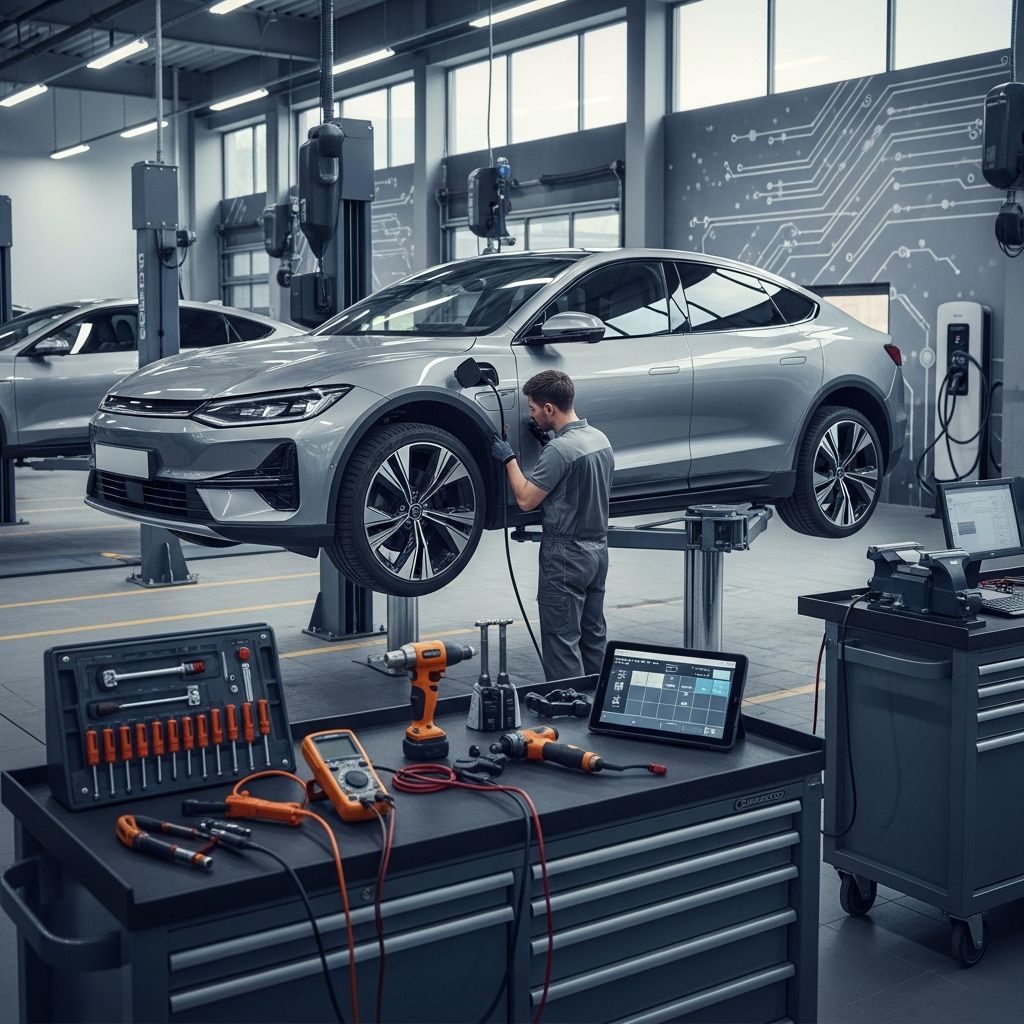
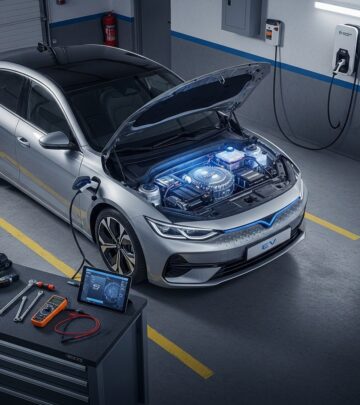
Electric vehicles represent a significant shift in automotive technology, but their maintenance needs differ substantially from traditional gasoline-powered cars. While EVs eliminate many of the complex systems found in combustion engines, they introduce new considerations around battery management, thermal systems, and high-voltage components. Understanding these differences helps owners make informed decisions about service and repairs, potentially saving money while extending vehicle longevity.
The Simplified Maintenance Landscape for Electric Vehicles
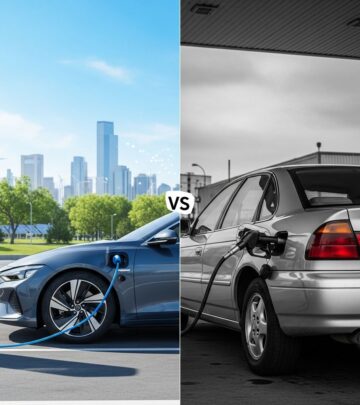
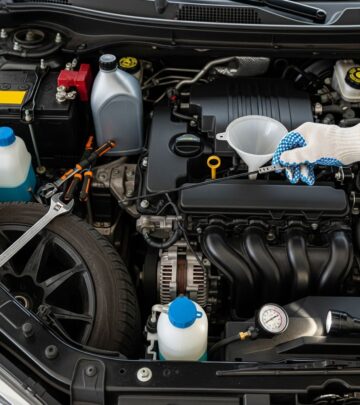
One of the most compelling advantages of electric vehicle ownership is the reduction in routine maintenance requirements. Traditional automobiles demand regular oil changes, transmission fluid checks, spark plug replacements, and numerous other fluid services. Electric motors, by contrast, contain far fewer moving parts than internal combustion engines, eliminating many of these maintenance tasks entirely. This fundamental difference transforms how owners approach vehicle upkeep and budgeting for service costs.
The absence of engine oil is perhaps the most obvious change. Without a combustion engine, there is no need for regular oil changes, oil filters, or the associated engine maintenance that consumes time and money for gasoline vehicle owners. Additionally, electric vehicles do not require transmission fluid checks or spark plug replacements. These eliminated services represent significant savings in both time and expense over a vehicle’s lifetime.
Core Maintenance Categories for Battery-Electric Vehicles
Tire Care and Wheel Management
Tire maintenance remains one of the most important ongoing responsibilities for EV owners. Electric vehicles are typically heavier than comparable gasoline models due to battery weight, which places additional stress on tires. This increased load accelerates tire wear and makes regular tire rotations essential. Owners should rotate tires every 6,000 to 7,500 miles, following manufacturer guidance to ensure even wear patterns.
Beyond rotations, maintaining proper tire pressure is critical for efficiency and safety. Tire pressure should be checked monthly and adjusted according to manufacturer specifications. Underinflated tires increase rolling resistance, reducing range and forcing the battery to work harder. Additionally, tire pressure fluctuates with ambient temperature, making seasonal adjustments necessary in regions with significant temperature variations.
Using EV-rated tires specifically designed for electric vehicles offers additional benefits. These tires are engineered to handle the heavier weight of EVs while optimizing for efficiency and reduced noise, which is particularly noticeable in quiet electric motors. When uneven wear patterns develop, a wheel alignment inspection may be necessary to identify suspension issues.
Brake System Maintenance
Regenerative braking technology fundamentally changes how brake systems function in electric vehicles. During deceleration, regenerative systems capture kinetic energy and convert it back into electrical energy for battery charging. This process dramatically reduces dependence on traditional friction brakes, extending brake pad life considerably compared to gasoline vehicles. However, brake systems still require periodic inspection and maintenance.
Brake fluid inspection and periodic flushing remain necessary because moisture accumulates in brake fluid over time, regardless of vehicle type. Manufacturers typically recommend brake fluid flushes every two to three years. In regions with wet or salty climates, more frequent brake inspections help prevent corrosion of brake components. Regular visual inspections should verify that brake calipers move freely and show no signs of rust or sticking.
Thermal Management Systems
Electric vehicles employ sophisticated cooling systems that manage temperatures for the battery pack, power electronics, and onboard charger. These thermal management systems are essential for maintaining optimal performance and battery health. Unlike gasoline engines that generate substantial heat, EV cooling systems are more precise and less demanding, but they still require regular attention.
Coolant should be inspected regularly and replaced according to manufacturer schedules, typically every five years or at specified mileage intervals. During service visits, technicians should examine cooling system hoses, pumps, and valves for leaks or degradation. Radiators and cooling fans should be cleaned to maintain optimal heat dissipation efficiency.
Cabin Air Filters and Interior Systems
Cabin air filters trap dust, pollen, and other particulates to maintain air quality inside the vehicle. These filters should be replaced every one to two years, depending on driving conditions and local air quality. Vehicles driven primarily in dusty or high-pollution environments may require more frequent replacements.
Beyond filter replacement, cabin air systems benefit from periodic cleaning of vents and evaporator units to prevent odor development and maintain proper airflow. Regular vehicle washing helps prevent dirt and grime accumulation that can impair driver assistance sensors and cameras.
High-Voltage Systems and Charging Infrastructure
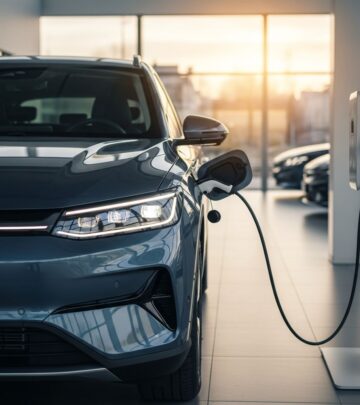
The charging infrastructure represents a critical yet often overlooked component of EV maintenance. Charge ports, cables, and connectors should be inspected regularly for signs of wear, corrosion, or damage. Gently cleaning charge port contacts ensures optimal electrical connection and charging efficiency. Damaged cables should be replaced immediately to prevent safety hazards.
The onboard charger and associated high-voltage systems require firmware updates to maintain compatibility with evolving charging standards and improve energy efficiency. Authorized service centers should perform comprehensive diagnostics on high-voltage systems during routine maintenance visits.
Software and Electronic Systems
Over-the-air software updates continuously improve EV performance and functionality. These updates may include enhancements to battery management algorithms, charging efficiency improvements, thermal system optimization, and safety-related fixes. Owners should monitor available software updates and install them promptly, as updates often address critical performance and safety issues.
Battery management system health checks performed by trained technicians help identify potential issues before they become significant problems. Diagnostic systems can reveal warning lights and assess the overall condition of electrical components.
Establishing Maintenance Schedules and Intervals
Following a structured maintenance schedule prevents overlooked services and helps identify emerging problems early. The following intervals provide a general framework, though specific recommendations vary by manufacturer and vehicle model:
Monthly and Pre-Trip Inspections
- Check tire pressure and visual tire condition
- Examine windshield washer fluid level and top up as needed
- Verify all lighting systems function correctly
- Test windshield wipers and replace if streaking develops
Every 6,000 to 7,500 Miles
Rotate tires and conduct a comprehensive inspection of wheel condition for damage or excessive wear. Many service facilities bundle tire rotations with brake inspections and suspension checks, providing a comprehensive evaluation of these systems.
Annually
Conduct general suspension and steering system inspections, verify cooling system integrity and coolant level, replace cabin air filters if needed, examine wiper condition, check all exterior and interior lighting, and confirm that recommended software and service campaigns have been completed.
Every Two to Three Years
Replace cabin air filters if not completed annually, perform brake fluid flushing and replacement per manufacturer specifications, and conduct additional brake inspections in wet or salt-exposure environments.
Around Five Years
Depending on the manufacturer, conduct coolant inspection or replacement in the battery and power electronics thermal loop, check hose and seal integrity throughout the cooling system, and update recommended software and navigation maps.
Battery Health Assessment and Battery-Specific Maintenance
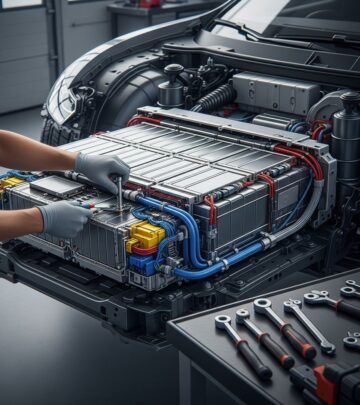
The battery pack represents the most valuable and critical component of any electric vehicle. Maximizing battery longevity requires specific care practices that extend range and preserve charging capacity. Several factors significantly influence battery degradation:
Optimal Charging Practices
Lithium-ion battery chemistry degrades more rapidly when consistently charged to full capacity. When possible, limiting charging to 80 percent of maximum capacity extends battery lifespan substantially. Similarly, completely depleting batteries to zero percent causes accelerated degradation and should be avoided during normal operation.
High-speed fast charging, while convenient for road trips, places additional stress on battery cells and should be used selectively rather than for routine daily charging. Overnight slow charging at standard household currents provides gentler charging that preserves battery health. Planning charging sessions for off-peak hours when rates may be lower also offers financial benefits.
Temperature Management
Extreme temperatures significantly impact battery performance and longevity. Batteries should be kept in moderate temperature environments whenever possible. Excessive heat forces the thermal management system to work harder, consuming battery energy for cooling. Similarly, cold temperatures reduce chemical reaction rates within battery cells, decreasing available energy and forcing additional thermal conditioning energy draw.
Vehicles parked in garages or shaded areas experience smaller temperature fluctuations compared to those exposed to direct sunlight or extreme cold. In climates with significant seasonal variations, strategic parking choices help maintain more stable battery temperatures.
Long-Term Storage Considerations
Vehicles left idle for extended periods should not be charged to 100 percent or completely depleted. Maintaining battery charge between 20 and 80 percent during storage minimizes degradation. Extremely long storage periods with no charging should be avoided, as complete discharge can cause irreversible damage.
Do-It-Yourself Maintenance Versus Professional Service
While electric vehicles require less maintenance than gasoline vehicles, determining which tasks are appropriate for owner maintenance and which require professional expertise is important for safety and warranty preservation.
Owner-Maintainable Tasks
Several routine maintenance tasks are safely within the capability of most vehicle owners:
- Checking and adjusting tire pressure
- Topping up windshield washer fluid
- Replacing windshield wiper blades
- Replacing cabin air filters in accessible locations
- Visual inspections for tire wear patterns and suspension abnormalities
- Gentle cleaning of charge port contacts
- Verifying that charging cables and connectors show no visible damage
Professional Service Requirements
Certain systems should never be serviced by untrained individuals. High-voltage systems marked with orange cables pose serious electrical hazards and should be serviced only by certified technicians trained in EV service. The battery pack, power inverter, motor connections, and associated high-voltage wiring require specialized equipment and safety protocols.
Brake system work, coolant flushing, thermal system repairs, and any diagnostic work related to warning lights should be performed by qualified technicians familiar with electric vehicle systems. Using service facilities with no EV experience for high-voltage system work risks vehicle damage and personal safety.
Purchasing and Maintaining Used Electric Vehicles
Used EV buyers should conduct thorough evaluations to identify vehicles with properly maintained systems and healthy battery packs. Several critical assessment areas guide purchase decisions:
Service History Documentation
Request documented maintenance records showing tire rotations, brake service, and any recalled component replacements. Look for evidence that brake fluid and coolant services were not missed or delayed, as deferred maintenance compounds existing issues. Confirm that software has been kept current with manufacturer updates.
Battery Health Evaluation
Compare the vehicle’s actual range on a full charge against its original EPA or manufacturer rating. Significant range loss below expected degradation curves may indicate battery problems. Request a formal battery health report when available from the manufacturer or a certified technician.
Historical charging patterns matter as well. Vehicles used exclusively with fast charging show more battery degradation than those with mixed charging strategies. However, past fast-charging usage is not necessarily a deal-breaker; it provides valuable context for the vehicle’s history.
Physical Condition Assessment
Inspect tires for uneven wear patterns suggesting alignment or suspension issues that may require expensive correction. During a test drive, listen carefully for suspension clunks or vibration that could indicate worn components. Verify that the charging port and cables show no damage that would require replacement.
Warranty Coverage Analysis
Confirm the remaining battery and powertrain warranty terms in years and miles. Verify whether warranties are transferable to new owners and identify any exclusions that might affect coverage. Request information about extended warranty options if long-term ownership is planned.
Maintenance Record Keeping and Long-Term Planning
Establishing a simple maintenance log documenting tire rotations, brake service, fluid changes, and software updates helps owners stay organized and adds resale value when trading or selling. Digital records through dealership systems or personal spreadsheets both work effectively for tracking service history.
Planning for eventual battery replacement, while not immediate for most modern EVs, helps with long-term budgeting. Battery degradation typically follows predictable curves, and understanding manufacturer specifications for battery capacity retention helps evaluate future replacement timing.
References
- Electric Vehicle Maintenance: Simple 2025 EV Care Guide — Recharged. https://recharged.com/articles/maintenance-electric-vehicle-guide
- How Electric Car Maintenance Works — GreenCars. https://www.greencars.com/expert-insights/how-electric-car-maintenance-works
- The Ultimate Guide to Electric Car Maintenance — BYD UAE. https://www.byduae.ae/en/news/electric-car-maintenance-guide/
- All there is to know about electric car maintenance — Renault Group. https://www.renaultgroup.com/en/magazine/energy-and-motorization/all-there-is-to-know-about-electric-car-maintenance/
- Electric Car Maintenance: Everything You Need to Know — Car and Driver. https://www.caranddriver.com/shopping-advice/a40957766/electric-car-maintenance/
- How to Maintain Your Electric Vehicle — AutoZone. https://www.autozone.com/diy/electrical/how-to-maintain-your-electric-vehicle
- Maintenance and Safety of Electric Vehicles — U.S. Department of Energy. https://afdc.energy.gov/vehicles/electric-maintenance
Similar Articles








Read full bio of Sneha Tete