Electric Vehicle Market Share in America: Current Trends
Exploring the current state and future trajectory of EV adoption across U.S. markets.
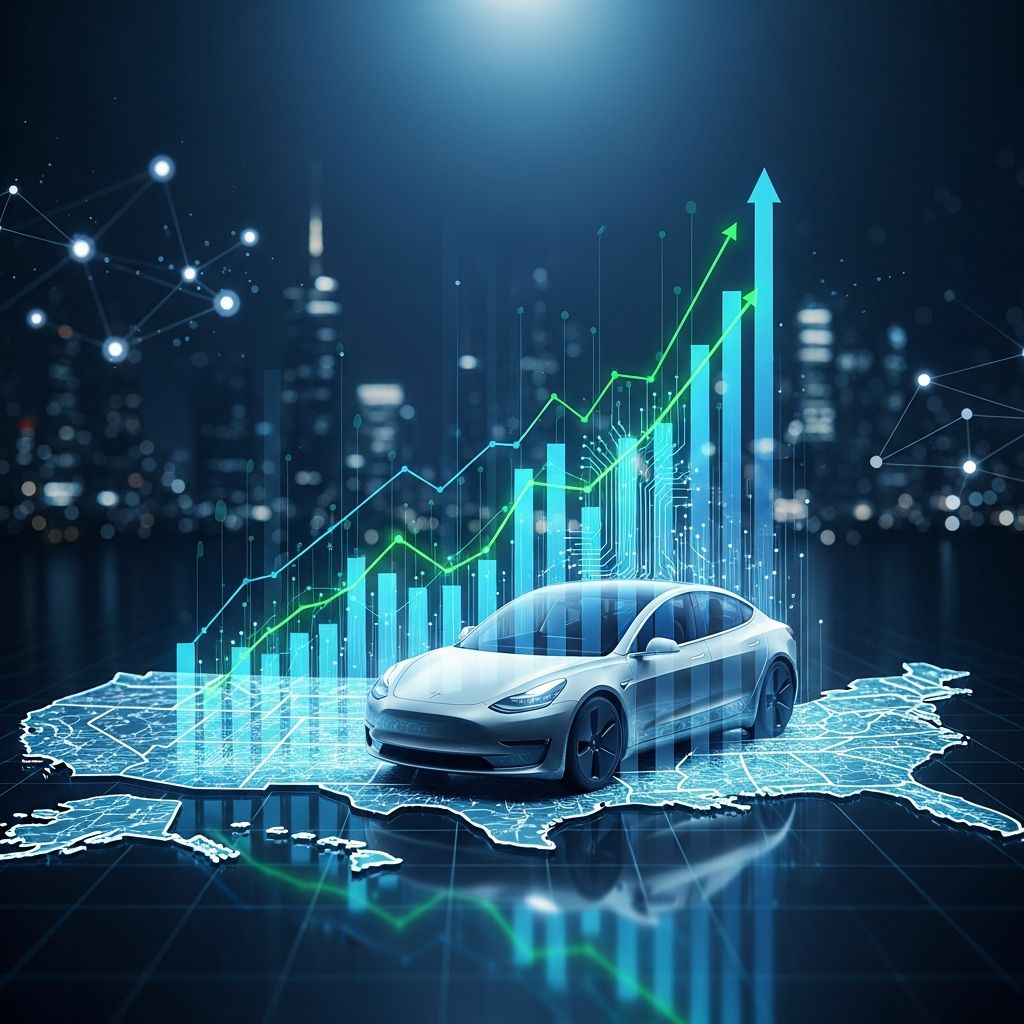
The automotive landscape in the United States is undergoing significant transformation as electric vehicles (EVs) continue to reshape consumer preferences and manufacturer strategies. Understanding the current penetration of electric vehicles in the American market provides insight into broader trends in transportation technology, environmental policy, and economic factors influencing vehicle purchases.
The Present State of EV Integration in U.S. Vehicle Sales
Electric vehicles currently represent a meaningful but still emerging segment of the U.S. automotive market. As of 2025, electric vehicles account for approximately 9 to 11 percent of new light-duty vehicle sales in the United States, with over 1.5 million units sold annually. This figure reflects substantial growth compared to earlier years, though progress has become more volatile in recent months.
Recent data shows considerable fluctuation in EV market share. In September 2025, electric vehicles reached nearly 12 percent of the U.S. market, representing a record high for market penetration. However, this momentum did not persist. By January 2026, EV market share had contracted dramatically to just 6 percent, representing a 20 percent decline in sales compared to December 2025. February 2026 data indicated a partial recovery, with EVs accounting for 5.8 percent of total new vehicle sales, though this still reflected a 26.8 percent year-over-year decline.
Household Adoption Patterns and Consumer Ownership
When examining electric and hybrid vehicle ownership at the household level, survey data reveals interesting patterns about consumer vehicle choices. According to consumer insights data, the share of households whose primary vehicle is electric or hybrid had shown promise through 2023, reaching 9 percent for hybrid vehicles and 6 percent for electric vehicles. However, this upward trajectory stalled, with both segments experiencing a one percentage point decline by 2025, suggesting consumer enthusiasm may be plateauing.
These household-level metrics differ from new sales figures, providing a more comprehensive picture of how Americans are actually using electric vehicles in their daily lives. While manufacturers focus on selling new models, the broader consumer base shows measured adoption patterns that reflect the reality of vehicle ownership across diverse economic circumstances and geographic regions.
Market Leadership and Vehicle Preferences
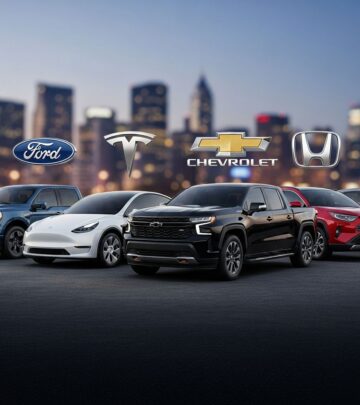
The electric vehicle market in the United States remains heavily concentrated among a few key manufacturers. Tesla continues to dominate EV sales, maintaining a commanding position in the market. As of February 2026, Tesla accounted for 38,500 of the approximately 68,951 total EV units sold that month, representing a 55.8 percent market share. Following Tesla, manufacturers including Hyundai, Chevrolet, Toyota, and Cadillac represent the next tier of EV producers.
This concentration reflects Tesla’s established brand reputation, extensive charging network infrastructure, and sustained production capacity. However, the gap between Tesla and competitors is narrowing as traditional automakers and newer entrants expand their electric vehicle lineups with models targeting various consumer segments and price points.
The Impact of Federal Incentives on Market Dynamics
Federal policy has played a decisive role in shaping EV adoption patterns in the United States. The Inflation Reduction Act provided consumer-side incentives for EV purchases and leases that significantly influenced buying behavior. Sales climbed to record heights during the third quarter of 2025 as consumers rushed to take advantage of available tax credits before they were scheduled to expire.
The termination of these consumer incentives in 2025 created a sharp reversal in purchasing patterns. Once tax credits sunset, EV sales experienced a noticeable decline for the remainder of the year. This dramatic response demonstrates how sensitive the current EV market is to financial incentive structures, indicating that without policy support, consumer demand may not yet be sufficient to sustain rapid growth independently.
Additionally, the revocation of California’s waiver under the EPA’s Clean Air Act in 2025 represented another significant policy shift. This action effectively eliminated California’s authority to govern electric vehicle sales and enforce state-specific emission rules, removing one of the nation’s most aggressive EV promotion mechanisms.
Global Context and Competitive Position
While the U.S. electric vehicle market shows mixed signals, global adoption trends paint a different picture. Globally, electric vehicle registrations rose 20 percent in 2025, demonstrating robust international demand. China experienced particularly strong growth, with EV sales climbing nearly 30 percent year-over-year, while Europe achieved 17 percent growth.
By contrast, U.S. sales growth was essentially flat during this period. This divergence is significant because it reveals that American market challenges are not reflective of global technological or consumer trends, but rather specific to domestic policy decisions, competitive positioning, and market conditions. Northern America continues to lag the global adoption curve, while China remains the key growth engine for electric vehicle expansion worldwide.
Structural Challenges and Market Adjustments
The U.S. automotive industry is recalibrating its approach to electric vehicles in response to current market conditions. At the 2026 Detroit Auto Show, electric vehicles were no longer the centerpiece of manufacturer presentations. Instead, automakers emphasized hybrid vehicles, updated gasoline models, and incremental efficiency improvements.
This shift reflects significant financial pressures on traditional automakers. Ford and General Motors announced substantial EV-related write-downs, with Ford taking a $19.5 billion charge and General Motors taking a $6 billion charge, reflecting losses they expect as they unwind or delay portions of their electric vehicle plans. These massive adjustments demonstrate that major manufacturers miscalculated market demand or faced unanticipated challenges in scaling EV production profitably.
Inventory and Supply Chain Considerations
Electric vehicle inventory levels have stabilized but remain elevated relative to internal combustion engine (ICE) vehicles. In February 2026, new EV days’ supply fell to 130 days, representing a 27 percent decrease month-over-month, though still 23.7 percent above year-earlier levels. This indicates that manufacturers continue to carry more EV inventory than the market is absorbing at current pricing levels.
The gap between EV and ICE days’ supply has narrowed considerably. In January 2026, the gap stood at 71 days, but by February this had contracted to 41 days, suggesting that the supply-demand balance is gradually normalizing as both segments adjust to current market realities.
Infrastructure Development and Market Enablement
Despite sales challenges, electric vehicle charging infrastructure continues to expand across the United States. As of the end of 2025, the country had 170,010 level 2 chargers and 66,374 DC fast chargers available. The expansion of fast-charging infrastructure has been particularly notable, with nearly double the amount available compared to 2023.
Looking forward, 42 states have approved plans to expand charging infrastructure under the National Electric Vehicle Infrastructure program in fiscal year 2026. This federal initiative is expected to fill gaps in charging coverage and ensure that fast chargers are available at 50-mile intervals along major highways. Improved charging infrastructure typically supports EV adoption by reducing consumer anxiety about range limitations and travel flexibility.
Market Forecast and Future Trajectory
Projections for electric vehicle market development in the United States show considerable variation depending on policy assumptions and demand scenarios. The U.S. annual passenger EV sales are forecast to contract 15 percent in 2026, reflecting current market headwinds and the absence of federal consumer purchase incentives.
Longer-term forecasts suggest the industry remains on a path toward higher EV penetration, though timelines have been extended. Many industry analysts still anticipate reaching 50 percent EV sales by 2030, though policy developments in 2025 will likely slow the pace of adoption. The International Energy Agency revised its 2024 projections upward and forecasts that battery electric vehicles could comprise 50 percent of total car sales by 2030.
At a global level, electric vehicle volumes are expected to rise to nearly 90 million units by 2040, accounting for 27.5 percent of global sales in 2026, increasing to 43.2 percent by 2030 and exceeding 83 percent by 2040. These forecasts suggest a fundamental technological transition in transportation, though the U.S. may experience a slower adoption path compared to other developed markets.
Used EV Market Development
The secondary electric vehicle market is becoming increasingly important for broader EV adoption. Nearly 60 percent of used electric vehicle listings are priced under $30,000, making electric vehicles more accessible to consumers with moderate budgets. As EV production volumes have increased and early vehicles reach resale markets, used EV affordability is improving, potentially enabling a new wave of adoption among price-sensitive consumers.
State-Level Policy Innovation
While federal policy has shifted, state-level initiatives continue to drive EV adoption in certain regions. At least 17 states have committed to aggressive zero-emissions vehicle timelines that surpass federal targets. These state-level commitments provide alternative regulatory drivers for EV adoption, particularly in regions with strong environmental commitments or air quality concerns.
Key Considerations for Market Participants
- Market volatility: EV market share has fluctuated significantly, ranging from 6 percent to 12 percent in recent months, making planning and forecasting challenging
- Policy dependence: Current demand levels appear highly sensitive to government incentives, suggesting the market may not yet be self-sustaining
- Global competition: U.S. manufacturers face intensifying competition from international producers, particularly in the affordable segment
- Infrastructure requirements: Continued charging network expansion remains essential for supporting higher adoption rates
- Manufacturing capacity: Major automakers are reassessing EV production plans and investment levels based on current market realities
Frequently Asked Questions
What percentage of U.S. vehicle sales are electric vehicles?
Electric vehicles currently account for approximately 9 to 11 percent of new light-duty vehicle sales in the United States, though this figure has fluctuated between 6 and 12 percent in recent months depending on policy changes and seasonal factors.
Which manufacturer leads the EV market in the United States?
Tesla maintains dominant market leadership, controlling approximately 55.8 percent of EV sales as of February 2026, with the next largest competitors including Hyundai, Chevrolet, Toyota, and Cadillac.
How many households in the U.S. own electric vehicles?
Approximately 6 percent of U.S. households report that their primary vehicle is electric, while 9 percent report hybrid vehicles as their primary vehicle.
What is the forecast for EV market growth?
EV sales are projected to decline 15 percent in 2026 due to policy changes, though longer-term forecasts suggest the industry could reach 50 percent EV sales by 2030 if adoption resumes.
How does the U.S. EV market compare globally?
The United States lags global adoption trends, with flat growth in 2025 while China achieved 30 percent EV sales growth and Europe achieved 17 percent growth.
References
- EV Progress Stalls in the U.S. — Statista. 2026. https://www.statista.com/chart/35647/respondents-whose-primary-car-had-the-following-drive-system/
- 2026 Data: Is EV Adoption Still on Pace in the US? — Recurrent. 2026. https://www.recurrentauto.com/research/ev-adoption-us
- Electric vehicle sales are plummeting. Will they soon become too niche? — ABC News. 2026. https://abcnews.com/Business/electric-vehicle-sales-plummeting-become-niche/story?id=130752429
- EV Sales Are Growing — How Do We Keep the United States in the Game? — Rocky Mountain Institute. 2026. https://rmi.org/ev-sales-are-growing-how-do-we-keep-the-united-states-in-the-game/
- EV Market Monitor – February 2026 — Cox Automotive Inc. 2026. https://www.coxautoinc.com/insights/ev-market-monitor-february-2026/
- EV Volumes – 2026 EV Statistics, Sales & Market Forecasts — EV Volumes. 2026. https://ev-volumes.com
- America is falling behind in the global EV race — The Invading Sea. 2026. https://www.theinvadingsea.com/2026/02/02/electric-vehicles-ev-sales-us-automakers-china-byd-europe-charging-rivian-fleet-procurement/
Similar Articles








Read full bio of medha deb