Electric Vehicle Market Dynamics in 2026
Understanding the shifting EV landscape amid policy changes and global growth
The automotive industry is experiencing a fundamental transformation as electric vehicles continue to reshape consumer preferences and manufacturing strategies across the globe. In 2026, the EV market has reached an inflection point where technological maturity meets economic feasibility, creating both opportunities and challenges for stakeholders. The convergence of improved battery technology, expanded charging networks, and competitive pricing has made electric vehicles increasingly accessible to mainstream consumers, though regional variations in policy and infrastructure create distinct market dynamics.
Current State of Global EV Adoption
Electric vehicle penetration has advanced significantly, with battery electric vehicles now representing a substantial portion of new vehicle registrations in major markets. The shift toward electrification reflects both consumer demand and regulatory requirements designed to reduce transportation emissions. However, the rate of adoption varies considerably by geography, with some regions experiencing accelerated growth while others face temporary slowdowns due to policy uncertainty and economic factors.
According to recent market analysis, approximately 20.7 million EV units were registered globally in 2025, representing a 20% year-over-year growth trajectory. Battery electric vehicles accounted for the majority of this demand, with projections suggesting that electrified vehicles could comprise up to 25% of new vehicle purchases in major markets. This expansion reflects the maturing status of EV technology and the increasing recognition of electric propulsion as a viable long-term transportation solution.
Regional Market Performance and Variations
Asia-Pacific Leadership
China continues to establish itself as the dominant force in global EV manufacturing and sales, driven by vertically integrated players like BYD that control production from battery manufacturing through vehicle assembly. Chinese automakers have achieved significant cost advantages through scale and manufacturing efficiency, allowing them to offer competitive pricing that has reshaped global market expectations. The Chinese market’s success stems from consistent government support, substantial investments in charging infrastructure, and a mature domestic supply chain that reduces production costs.
Beyond China, other Asian markets are rapidly expanding their EV infrastructure and adoption rates, with governments implementing aggressive incentives and charging network buildouts to support electrification goals.
North American Market Adjustments
The United States and Canadian markets are experiencing a period of recalibration following several years of rapid EV growth. Early 2026 demand has softened compared to previous years, primarily due to governmental scaling back of EV incentives and ongoing tariff volatility that creates pricing uncertainty. This cooling reflects the market’s transition from incentive-driven adoption to price-competitiveness based on intrinsic vehicle value.
Interestingly, while new EV sales growth has decelerated, demand for used electric vehicles has increased significantly, indicating that cost-conscious consumers remain interested in electric propulsion when pricing becomes more accessible. Additionally, hybrid vehicle sales have risen as consumers seek alternatives that balance electric efficiency with extended range capabilities.
European Market Evolution
European markets continue implementing policies that support EV adoption, though the pace of growth remains subject to regulatory changes and economic conditions. The region maintains strong commitment to electrification targets, with charging infrastructure expansion proceeding across major corridors and urban centers to reduce range anxiety and improve accessibility.
Charging Infrastructure: The Critical Enabler
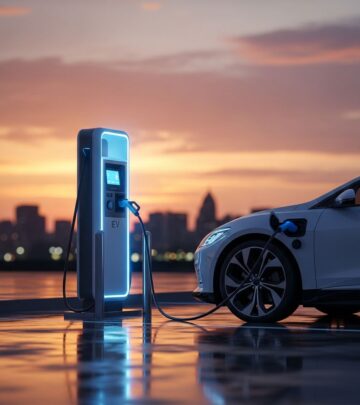
Charging infrastructure development has become the cornerstone of sustained EV adoption, directly addressing consumer concerns about range anxiety and vehicle accessibility. The expansion of public charging networks represents a critical investment in the EV ecosystem, enabling consumers to confidently purchase electric vehicles for both daily commuting and longer journeys.
Infrastructure Investment and Growth
Public charging stations have experienced approximately 40% growth across key markets outside North America, with continued expansion expected throughout 2026 and beyond. This buildout includes diverse charging technologies, from Level 2 chargers suitable for residential and workplace applications to rapid DC fast-charging stations positioned along highway corridors.
In the United States, the National Electric Vehicle Infrastructure initiative is specifically designed to create reliable, fast-charging corridors across highways and urban centers, complementing state and local charging deployments. This coordinated approach ensures comprehensive coverage that reduces gaps in charging availability and supports long-distance EV travel.
Charging Technology Advances
Ultra-rapid charging technology represents a significant advancement in user convenience, with new installations providing up to 200 miles of driving range in approximately 30 minutes. These rapid chargers utilize advanced power delivery systems and thermal management to accelerate the charging process while maintaining battery health and longevity.
Home charging remains the primary solution for most EV owners, particularly in suburban and residential areas where Level 2 chargers have become increasingly common. This combination of home charging convenience and expanding public infrastructure creates a comprehensive ecosystem that supports diverse usage patterns and travel requirements.
Battery Technology and Cost Evolution
Price Reductions and Affordability
Battery costs have declined substantially over the past decade, with projections indicating further reductions as production scales and energy density improvements expand. Battery prices are expected to reach approximately $80 per kilowatt-hour by 2026, a threshold that enables electric vehicles to achieve cost parity with internal combustion engine vehicles even without governmental subsidies. This fundamental shift in economics transforms EV purchasing from a subsidized premium option to a viable baseline choice based on total cost of ownership.
Energy Density and Range Improvements
Higher energy density battery chemistries allow manufacturers to deliver extended driving range without proportionally increasing battery size or weight. This technological advancement reduces manufacturing complexity and improves vehicle efficiency, creating a positive feedback loop where improved performance drives increased consumer acceptance.
Emerging Vehicle Categories and Product Innovations
Range-Extended Electric Vehicles (EREVs)
A significant emerging trend involves the expansion of range-extended electric vehicles, which combine battery electric propulsion with small internal combustion or alternative fuel engines to eliminate range anxiety entirely. Several manufacturers are bringing EREV options to market in 2026 and 2027, including Genesis, Jeep, Ford, and Scout Motors. These vehicles target consumers seeking maximum flexibility, allowing primarily electric operation for daily commuting while maintaining extended-range capability for occasional longer journeys without requiring extended charging stops.
Affordable EV Options
Automakers are significantly expanding their entry-level EV offerings to reach price-conscious consumers. Notable examples include the new Ford midsize pickup featuring lithium iron phosphate batteries priced under $30,000 and the redesigned 2027 Chevrolet Bolt with an MSRP of $26,500 and EPA-estimated range of 255 miles. These vehicles demonstrate that mass-market EV adoption is transitioning from premium segment dominance to broad accessibility across consumer segments.
Corporate Strategy Shifts and Manufacturer Responses
Tesla’s Strategic Recalibration
Tesla has announced strategic adjustments involving reduced focus on certain flagship models to emphasize autonomous driving capabilities and robotics development. The company reports over 1.1 million subscribers to its Full Self-Driving beta program, indicating significant consumer interest in advanced autonomous features as a value differentiator in the EV market.
Traditional Automaker Adaptations
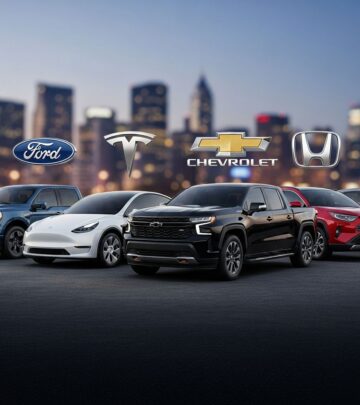
Legacy automakers are recalibrating their electrification strategies in response to market conditions, with several shifting toward hybrid and smaller EV production. Ford, for example, aims to achieve 50% hybrid and EV production by 2030, driven by demonstrated customer demand and market realities. This shift reflects recognition that consumers desire choice and that the transition to full electrification will occur more gradually than initially anticipated.
Policy Environment and Market Drivers
Incentive Volatility and Uncertainty
Government incentives remain a significant factor influencing EV purchasing decisions, though policy consistency has become uncertain in several major markets. Changes in tax credits and subsidy structures create consumer hesitation and complicate long-term business planning for manufacturers. The transition toward market-driven adoption based on intrinsic value propositions rather than incentive structures represents a maturation of the EV market, though near-term volatility may suppress growth during transition periods.
Tariff and Trade Considerations
Trade policy, including tariffs on EVs and battery components, influences pricing and manufacturing location decisions. Tariff volatility creates uncertainty that can dampen consumer demand and complicate supply chain strategies. The incoming administrative approach to trade policy is expected to significantly shape EV industry growth trajectories across major markets.
Production Outlook and Manufacturing Trends
Electric vehicle production capacity continues expanding globally, though growth rates have moderated from earlier years. High vehicle prices and gradual adoption rates are temporarily slowing production growth, with analysts projecting recovery acceleration by 2028-2029. This moderated growth reflects the maturing transition phase where EV adoption becomes increasingly mainstream rather than exponential.
Steel demand patterns are shifting in response to EV production strategies, with cold-rolled and galvanized steel seeing significant increases as manufacturers adjust production toward hybrids and smaller EV platforms.
Consumer Confidence and Range Considerations
Range anxiety, long identified as a barrier to EV adoption, continues to diminish as vehicle capabilities expand and charging infrastructure becomes more accessible. Many contemporary electric vehicles now offer competitive range compared to traditional internal combustion engines, with numerous models exceeding 250 miles of EPA-estimated range at mainstream price points.
Consumer confidence in EV technology has strengthened considerably as reliability data accumulates and early adopter experiences provide evidence of vehicle durability and performance reliability. This growing confidence removes psychological barriers that previously inhibited purchase consideration.
Future Outlook and Market Projections
The electric vehicle market is projected to reach approximately 27.5% of global sales in 2026, with growth trajectories suggesting 43.2% penetration by 2030 and potential expansion to over 83% by 2040. These projections reflect the fundamental transition underway in personal transportation, driven by technological maturity, economic competitiveness, and regulatory requirements.
The Chinese market will continue exerting significant influence on global EV trends and pricing, with vertically integrated manufacturers like BYD establishing benchmarks that other producers must match to remain competitive. This competitive pressure will drive continued innovation and cost reduction across the industry.
Frequently Asked Questions
What is driving the slowdown in U.S. EV demand?
The primary factors include reduced federal incentives, tariff uncertainty affecting vehicle pricing, and consumers’ preference for proven technology before committing to fully electric vehicles. Used EV demand and hybrid sales have increased, suggesting consumers remain interested in electrification at accessible price points.
How affordable are electric vehicles becoming?
Battery costs are projected to fall to approximately $80 per kWh by 2026, enabling price parity with gasoline vehicles even without subsidies. Several manufacturers are offering entry-level EVs priced under $30,000 with competitive range capabilities, demonstrating genuine mass-market accessibility.
Is charging infrastructure sufficient for widespread adoption?
Charging infrastructure continues expanding rapidly, with public stations increasing 40% across major markets outside North America. Combination of home, workplace, and public charging now supports diverse usage patterns for most consumers, though continued expansion remains beneficial.
What role do range-extended vehicles play in the market?
EREVs bridge the gap between pure electric and conventional vehicles by providing extended range capability without requiring frequent charging stops. These vehicles particularly appeal to consumers with occasional long-distance travel requirements or uncertain charging availability.
References
- EVs in 2026: Tesla Shifts, China Surges, Charging Expands — Green Cars. 2026. https://www.greencars.com/news/evs-in-2026-tesla-shifts-china-surges-charging-expands
- Electric Vehicle Forecast 2026: Global Growth, Policy Shifts, and Industry Outlook — EV Lectron. February 17, 2026. https://ev-lectron.com/blogs/blog/electric-vehicle-forecast-2025-global-growth-policy-shifts-and-industry-outlook-leading-to-2026
- EV Pivot by Automakers Will Likely Drive 2026 US Auto Production Trends — Fastmarkets. 2026. https://www.fastmarkets.com/insights/ev-pivot-by-automakers-will-likely-drive-2026-us-auto-production-trends-analysts/
- EV Progress Report 2026 — Transport & Environment. 2026. https://www.transportenvironment.org/articles/ev-progress-report-2026
- EV Volumes – 2026 EV Statistics, Sales & Market Forecasts — EV Volumes. 2026. https://ev-volumes.com
Similar Articles








Read full bio of medha deb