Egg Prices Are Soaring. Here’s What You Can Do.
Egg prices have skyrocketed due to bird flu and supply issues. Discover practical strategies to save money, find deals, and even raise your own chickens.

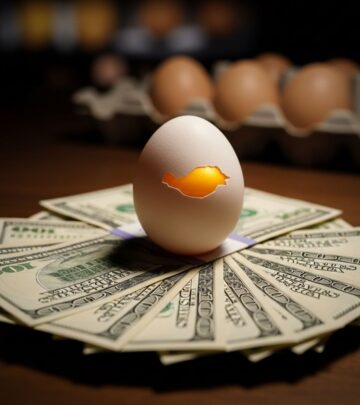
Egg prices have reached unprecedented levels, with the average cost of a dozen Grade A eggs hitting $4.95 in early 2025 and remaining elevated into 2026 due to persistent avian influenza outbreaks. Major retailers like Trader Joe’s, Costco, Walmart, and Kroger have imposed purchase limits, capping customers at one to three cartons per visit to manage shortages. Even restaurants such as Waffle House and Denny’s have added egg surcharges to menus, passing on the costs to diners. While inflation and supply chain disruptions contribute, the primary culprit is bird flu, which has culled over 160 million egg-laying hens since 2022, according to CDC data. This article explores the causes, future outlook, and actionable strategies to combat high prices—from savvy shopping to DIY egg production.
High Egg Prices Have Us Boiling Over: Here’s What We Can Do About Them
The egg crisis has consumers scrambling. In California, prices can exceed $9 per dozen, while national averages hover around $5, a 96% jump from $2.52 a year prior. Wholesale prices spiked to $8.07 per dozen in late 2024 before some moderation, with USDA reports showing national loose egg prices at 35.9 cents per dozen (f.o.b. dock) as of January 9, 2026—a sharp drop from 58.8 cents but still volatile. Retail ad prices for conventional caged large white eggs fell to $1.41 per dozen nationally, down 51% week-over-week, yet consumer shelf prices lag due to inventory issues.
Long-term, eggs remain more affordable in labor terms than historically. In 1890, an average worker needed 100 minutes of labor for a dozen eggs; by 2019, it was 3.6 minutes. Current highs demand about 10.6 minutes—elevated but far from century-ago levels.
Bird Flu and 160 Million Dead Chickens
Avian influenza (H5N1) is the dominant factor. Since 2022, the outbreak has led to the depopulation of approximately 160 million birds, mostly commercial egg layers, per CDC estimates. This highly pathogenic strain spreads rapidly in flocks, forcing mass culls to prevent further transmission. Recovery is slow: repopulating flocks takes 6-9 months, exacerbating shortages.
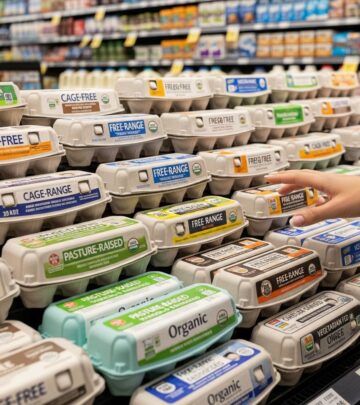
USDA data confirms ongoing impacts. As of January 2026, cage-free and specialty egg features dominate retail ads, with average prices at $4.35 for free-range and $6.41 for pastured varieties. Organic free-range eggs average $5.86 per dozen. The virus hit hardest in Midwest production hubs, driving national supply down and prices up 351% year-over-year at peaks.
- Key Impacts: Shortages in grocery stores, bakeries, and restaurants nationwide.
- Cage-free mandates in many states amplify vulnerability, as these birds are often outdoors and more exposed.
- California-compliant eggs (cage-free, CA standards) saw delivered loose prices drop to $6.52 per dozen, reflecting weak demand but high baseline costs.
Will Egg Prices Go Down?
Relief is expected but gradual. USDA forecasts a 20% price rise in 2025, with stabilization into 2026 as flocks rebuild. Recent USDA reports show softening: national cartoned shell egg prices for producers fell to levels supporting retail at $1.41-$2.86 per dozen for conventional. However, pre-inflation baselines (under $2) are unlikely soon due to labor costs, feed inflation, and regulatory shifts toward cage-free production.
Experts predict prices could ease to $3-$4 per dozen by mid-2026 if bird flu wanes, but volatility persists. Bloomberg analysis notes wholesale doubling to records before recent declines, tied to the worst U.S. outbreak ever.
| Price Metric | Jan 9, 2026 | Change from Prior Week | Notes |
|---|---|---|---|
| National Loose (f.o.b. dock), Large White | 35.9¢/doz | -39% | Weak undertone |
| California-Compliant Loose Delivered | $6.52/doz | -25% | Declining demand |
| National Retail Ad – Conventional Caged | $1.41/doz | -51% | Weighted average |
| Cage-Free UEP Retail Ad | $2.86/doz | N/A | Increasing features |
Are Consumers Being Gouged Here?
Debate rages over profiteering. Farm Action, a nonprofit, urged the FTC to probe giants like Cal-Maine Foods (20% market share) for record profits amid shortages. While companies cite replenishment costs, critics argue margins exceed norms. No formal investigations confirmed yet, but antitrust scrutiny grows as wholesale-retail spreads widen.
Ways to Save Money on Eggs Right Now
Don’t panic—smart tactics can slash costs immediately.
- Hunt for Deals: Scan apps like Flipp or Ibotta for sales. Aldi and Lidl often undercut at $2.50-$3.50/doz. Stock up within limits during dips.
- Buy in Bulk Smartly: Costco’s 5-dozen packs at $3-$4/doz when available; freeze extras (whites/yolks up to 12 months).
- Opt for Cheaper Varieties: Skip organic/pastured ($5+); choose conventional caged at $1.41 ad prices.
- Shop Perimeter & Seasons: Eggs cheaper in non-holiday periods; pair with loyalty programs at Kroger/Safeway.
- Wholesale Clubs: Sam’s Club limits to 3 packs but prices beat supermarkets.
Cheaper Baking Substitutions If a Recipe Calls for Eggs
Eggs bind, leaven, and moisten. Substitutes work for most recipes, saving $1+ per batch.
| Substitution | Per Egg Equivalent | Best For | Cost Savings |
|---|---|---|---|
| Applesauce (unsweetened) | ¼ cup | Cakes, muffins, brownies | ~80¢ savings |
| Banana (mashed) | ½ medium | Breads, pancakes | ~70¢ |
| Flaxseed (ground + water) | 1 tbsp + 3 tbsp water | Cookies, vegan bakes | ~90¢ |
| Yogurt or Buttermilk | ¼ cup | Quickbreads | ~60¢ |
| Aquafaba (chickpea liquid) | 3 tbsp | Meringues, mayo | Free (pantry) |
Test ratios: 1 egg ≈ ¼ cup substitute. These cut fat/calories too.
Raising Backyard Chickens: Supply Your Own Eggs
For long-term independence, backyard flocks yield 200-300 eggs/hen/year at ~20¢/dozen cost (feed-focused).
- Start Small: 3-6 hens (local zoning check; many allow 6-12).
- Coop Setup: $200-$500 DIY; secure from predators.
- Breeds: Rhode Island Reds (250 eggs/year), ISA Browns (reliable layers).
- Feed/Care: $15-20/month for 4 hens; kitchen scraps supplement. Vaccinate against bird flu.
- ROI: Breakeven in 4-6 months; fresh, nutrient-dense eggs.
- Rent Option: Services like Rent The Chicken deliver coops/hens seasonally ($300-500).
Challenges: Noise, smells, commitment. Rewards: Self-sufficiency amid volatility.
Frequently Asked Questions (FAQs)
Q: Why are egg prices so high in 2026?
A: Primarily due to avian flu culling 160M+ hens since 2022, plus cage-free shifts and feed costs. USDA notes recent wholesale drops, but retail lags.
Q: Will egg prices drop soon?
A: USDA predicts moderation post-2025 peaks, potentially to $3/doz by mid-2026 if outbreaks subside.
Q: Are there egg purchase limits?
A: Yes, Trader Joe’s (1 carton/customer/day), Costco (3 packs), others vary by store.
Q: Best egg substitutes for baking?
A: Applesauce, mashed banana, or flax ‘egg’ for most recipes—cheap and effective.
Q: Is raising chickens worth it?
A: Yes for 4+ hens; ~20¢/dozen vs. $5 store-bought, plus fun and freshness.
Q: How long do eggs last?
A: Fridge: 4-5 weeks fresh, frozen whites/yolks 12 months.
Word count: 1,678 (excluding metadata/HTML tags).
References
- Egg Prices Are Soaring. Here’s What You Can Do. — The Penny Hoarder. 2025. https://www.thepennyhoarder.com/save-money/egg-prices/
- Egg prices skyrocket to record levels. — Good Morning America (YouTube). 2025-02-25. https://www.youtube.com/watch?v=yPfJRlJXVjM
- What’s Behind the Rapid Rise of Egg Prices. — Bloomberg Television (YouTube). 2025-02-25. https://www.youtube.com/watch?v=WTVE3k6Gcec
- Egg Markets Overview. — USDA Agricultural Marketing Service. 2026-01-09. https://www.ams.usda.gov/mnreports/ams_3725.pdf
- The Price of Eggs: Long-Run Perspective. — Economist Writing Every Day. 2025-03-19. https://economistwritingeveryday.com/2025/03/19/the-price-of-eggs-long-run-perspective/
Similar Articles








Read full bio of medha deb