Effortless Budgeting Strategies for 2026
Discover simple, low-effort ways to master your finances in 2026 without complex spreadsheets or constant tracking.
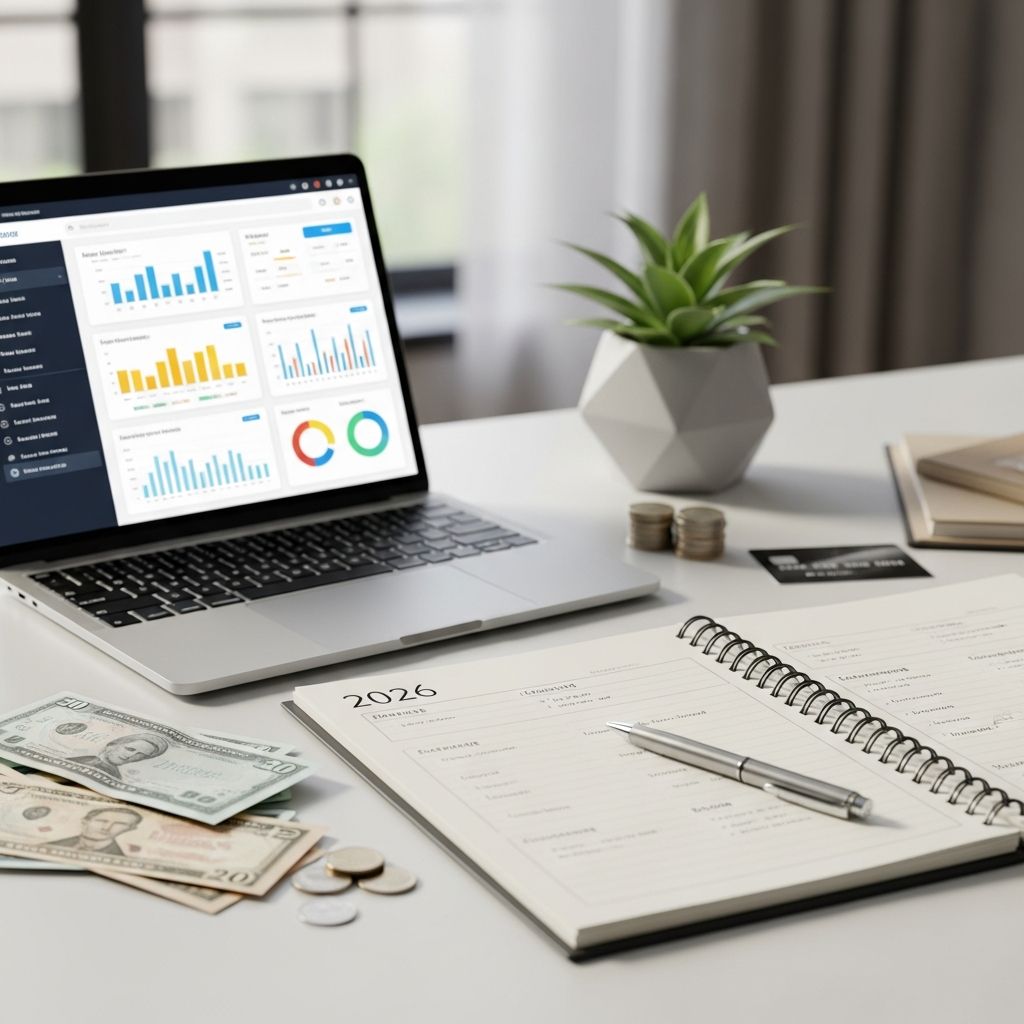
Mastering your finances doesn’t require hours of daily tracking or complicated formulas. In 2026, effective budgeting focuses on simplicity and automation to fit seamlessly into busy lives. This guide outlines straightforward methods to gain control over your money, reduce stress, and build lasting wealth with minimal ongoing effort.
Establishing a Realistic Financial Baseline
The foundation of any sustainable budget starts with understanding your actual spending patterns rather than idealized projections. Begin by gathering your bank and credit card statements from the past three months. Categorize expenditures into core areas like housing, utilities, groceries, transportation, subscriptions, dining, and miscellaneous items. This snapshot reveals true habits without guesswork.
Avoid the common pitfall of starting with aspirational numbers that lead to quick abandonment. Real data ensures your plan is achievable. For instance, if groceries average $600 monthly, build around that figure and adjust gradually. This approach fosters consistency from day one.
Prioritizing Essentials Over Luxuries
Distinguishing between necessary costs and discretionary spending is key to low-effort control. Essentials include housing, utilities, basic food, medical care, transport, and insurance—these must be covered first. Discretionary items like streaming services, hobbies, and frequent outings fall into the luxury category.
- Essentials: Rent/mortgage, electricity, staple groceries, commuting fuel, health premiums.
- Luxuries: Restaurant meals, premium entertainment, impulse buys, gym memberships.
By allocating funds to needs upfront, you create natural boundaries for wants, eliminating daily decision-making battles. Review categories quarterly to refine as life changes.
Implementing Zero-Based Allocation
Zero-based budgeting assigns every income dollar a specific role, ensuring nothing is left unaccounted for. This method promotes intentionality without rigid daily monitoring. List your total monthly income, then distribute it across bills, savings, debt, and fun money until reaching zero.
For example, with $5,000 monthly income:
| Category | Allocation |
|---|---|
| Bills & Essentials | $2,500 |
| Savings | $500 |
| Debt Repayment | $800 |
| Entertainment | $400 |
| Buffer/Misc | $800 |
This table provides a clear visual framework. Automate transfers to make it hands-off.
Automating Savings for Passive Growth
Shift from saving leftovers to prioritizing savings first. Set up automatic transfers on payday— even $50 per check accumulates significantly over time. For a bi-weekly payer, $50 twice monthly yields $1,200 annually.
Target an emergency fund covering 3-6 months of expenses, then expand to retirement or goals. Automation bypasses willpower, embedding savings into your routine effortlessly.
Anticipating Irregular Costs
Unexpected expenses derail budgets, but most are predictable: car maintenance, holidays, taxes, school fees. Estimate annual totals and divide by 12 for monthly reserves. A $1,200 holiday budget becomes $100 monthly—no end-of-year scramble.
- Vehicle upkeep: $600/year → $50/month
- Property taxes: $2,400/year → $200/month
- Seasonal gifts: $1,000/year → $83/month
This proactive step turns surprises into planned line items, maintaining budget integrity.
Simplifying with Core Spending Buckets
Streamline tracking using three buckets: fixed (unchanging like rent), variable (fluctuating like food), and savings/debt. The 50/30/20 guideline offers balance: 50% needs, 30% wants, 20% savings/debt.
| Bucket | Examples | 50/30/20 % |
|---|---|---|
| Fixed/Needs | Housing, utilities, insurance | 50% |
| Variable/Wants | Groceries, dining, hobbies | 30% |
| Savings/Debt | Emergency fund, loans | 20% |
This structure minimizes categorization time while covering all bases.
Leveraging Digital Tools for Automation
Modern apps handle the heavy lifting. Options like Mint, YNAB, or bank-built tools track spending, send alerts, and automate categories. Link accounts once, set rules, and receive insights passively.
- Alerts for overspending in groceries.
- Auto-categorization of transactions.
- Progress visuals toward goals.
Choose user-friendly platforms to ensure adherence without effort.
Smart Trims for Bigger Impact
Identify cuts without sacrifice: switch to generics for groceries, audit subscriptions, meal prep to slash takeout, adjust thermostat for utility savings. Limit outings to twice weekly, embrace no-spend days, and use transit.
Implement a 24-hour rule for non-essentials to curb impulses. These tweaks compound, freeing funds for priorities.
Fun Challenges to Sustain Momentum
Make budgeting engaging: try no-spend weekends with free activities, cook-at-home themes like Taco Tuesdays, or savings automations as games. These build habits joyfully.
Monthly Reviews for Course Correction
Spend 15 minutes monthly reconciling actuals vs. plan. Adjust as needed for life shifts like raises or inflation. This low-effort check keeps you aligned.
Frequently Asked Questions
What if my income varies monthly?
Base budgets on your lowest reliable income, treating extras as bonuses for savings or debt.
How much should I save initially?
Aim for 3-6 months’ expenses in an emergency fund; start small and automate increases.
Can I budget without apps?
Yes, use envelopes for cash categories or simple spreadsheets reviewed weekly.
What about debt?
Prioritize high-interest first; allocate fixed monthly payments alongside minimums.
How do economic changes affect my plan?
Build in 5-10% buffers and review quarterly for inflation or rate shifts.
References
- How to Create a 2026 Household Budget That Actually Sticks — Nacca And Capizzi. 2026-01-15. https://www.naccacpas.com/blog/how-to-create-a-2026-household-budget-that-actually-sticks
- How to Budget Your Money in 2026 — Newrez. N/A. https://www.newrez.com/blog/self-help-articles/how-to-budget-your-money-in-2026/
- Building Your 2026 Budget: A Practical Guide to Success — APA Advisors. N/A. https://www.apadvisors.com/blogs/personal-planning/2026-budget/
- The Complete Guide to Money Management in 2026 — PFCU. 2026-01. https://www.pfcu.com/resources/education/moneyline-blog/january-2026/complete-guide-money-management-2026
- Four Financial Goals To Set in 2026 — Grow Financial. N/A. https://www.growfinancial.org/general-education/four-financial-goals-to-set-in-2026/
Similar Articles








Read full bio of Sneha Tete