Economic Cycle: Phases, Impact, and Key Indicators
Understanding economic cycles: Explore phases, indicators, and impacts on business and investment decisions.
Understanding Economic Cycles
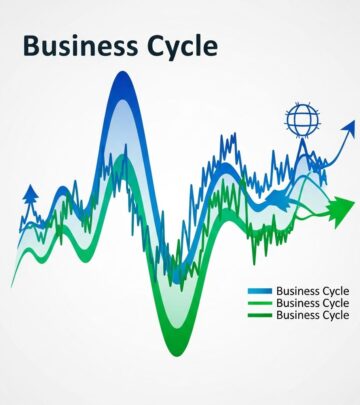
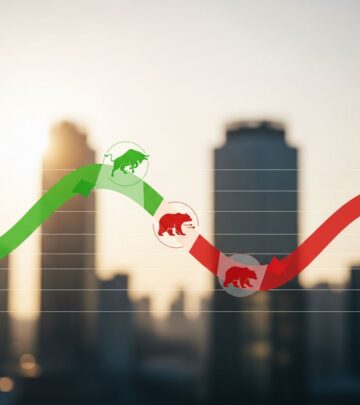
An economic cycle, also known as a business cycle, represents the recurring pattern of expansion and contraction in economic activity that occurs over time. These cycles are a fundamental characteristic of modern market economies, reflecting the natural rhythm of growth, peak performance, decline, and recovery. Economic cycles are driven by complex interactions between consumer demand, business investment, government policy, and external shocks, creating predictable yet varied patterns that repeat throughout economic history.
The concept of economic cycles has been studied extensively by economists and policymakers, as understanding these patterns is crucial for making informed business decisions, investment strategies, and policy implementations. While each cycle is unique in duration and intensity, they share common characteristics that economists have identified and documented over centuries of market activity.
The Four Phases of Economic Cycles
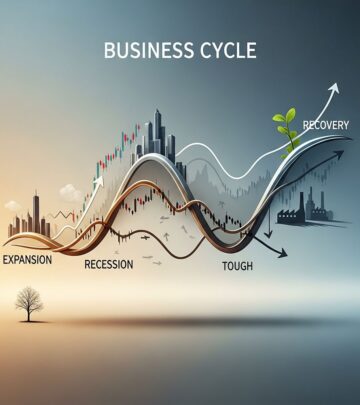
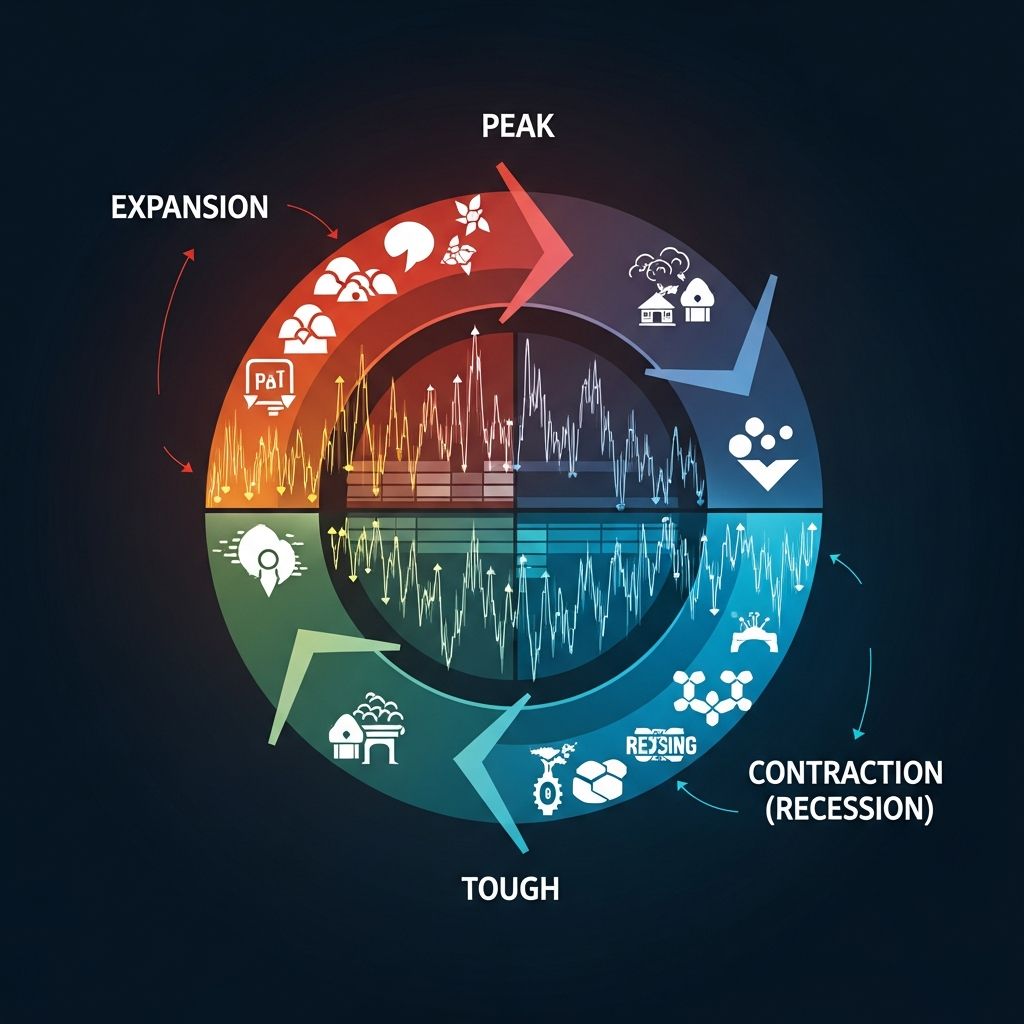
Economic cycles typically consist of four distinct phases that describe the state of the economy at any given time. Understanding these phases is essential for investors, businesses, and policymakers who need to anticipate economic shifts and adjust their strategies accordingly.
1. Expansion (Growth Phase)
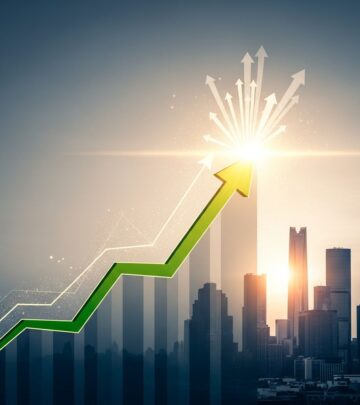
The expansion phase, also called the growth phase, represents a period of increasing economic activity. During this phase, businesses experience rising sales and profits, unemployment decreases, consumer confidence strengthens, and investment spending grows. GDP expands at a healthy rate, and wages typically increase as employers compete for workers. Asset prices often rise during expansion as investors become more optimistic about future earnings and growth prospects. This phase can last from months to years, depending on underlying economic fundamentals and external factors.
2. Peak
The peak represents the highest point of economic activity before the cycle turns downward. At this stage, the economy reaches maximum output, unemployment reaches its lowest levels, and inflation pressures may begin to emerge. The peak is often characterized by overheating, where demand outpaces supply, leading to rising prices and wage pressures. Central banks frequently respond to peaks by tightening monetary policy to prevent runaway inflation. While the peak signals strong economic health, it also indicates that the cycle is beginning to transition toward contraction.
3. Contraction (Recession)
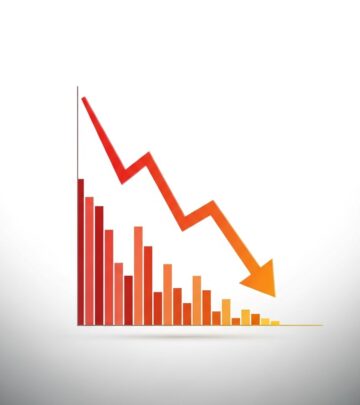
The contraction phase represents a period of declining economic activity, characterized by falling sales, rising unemployment, reduced consumer spending, and declining investment. During recessions, GDP contracts, which is typically defined as two consecutive quarters of negative growth. Business failures increase, asset prices decline, and confidence deteriorates across the economy. Contractions vary in severity, ranging from mild recessions to severe depressions. This phase pressures household finances, reduces government tax revenues, and often leads to policy interventions aimed at stimulating recovery.
4. Trough
The trough represents the lowest point of the economic cycle, where economic activity reaches its minimum. At this stage, unemployment peaks, consumer spending hits bottom, and business investment reaches its lowest levels. The trough serves as a turning point where economic activity begins to stabilize and recover. While conditions remain challenging, the worst of the contraction has passed, and early signs of recovery may begin to emerge. The trough can last anywhere from a few months to over a year, depending on the severity of the preceding contraction and policy responses.
Key Economic Indicators
Economists and policymakers monitor numerous indicators to identify where the economy stands within the cycle and to forecast future movements. These indicators help explain the current state of economic activity and provide signals for what may come next.
Leading Indicators
Leading indicators are metrics that change before the overall economy changes, making them valuable predictive tools:
- Consumer Confidence Index: Measures consumer sentiment and willingness to spend, often declining before recessions
- Stock Market Performance: Often reflects investor expectations about future economic conditions
- Initial Jobless Claims: Rising claims signal potential economic weakness
- Building Permits: Indicate future construction activity and business expansion plans
- New Orders for Durable Goods: Reflect business investment intentions and consumer demand expectations
Coincident Indicators
Coincident indicators change at roughly the same time as the overall economy:
- Gross Domestic Product (GDP): The broadest measure of economic output and growth
- Industrial Production: Measures factory and manufacturing output
- Employment Levels: Changes in total employment reflect current economic conditions
- Personal Income: Indicates consumer purchasing power and economic health
Lagging Indicators
Lagging indicators change after the economy has already shifted:
- Unemployment Rate: Continues to rise after recessions begin and falls after recovery starts
- Corporate Profits: React to economic changes already underway
- Average Duration of Unemployment: Reflects the persistence of economic weakness
- Business Spending: Adjusts after economic trends have been established
Causes of Economic Cycles
Economic cycles result from various interconnected factors that influence aggregate demand and supply in the economy. Understanding these causes helps explain why cycles occur and what triggers transitions between phases.
Demand-Side Factors
Changes in consumer spending, business investment, government expenditure, and exports drive demand-side cycles. When consumers become more optimistic, they increase spending, boosting sales and employment. Similarly, when businesses anticipate strong future demand, they invest in new equipment and facilities, further stimulating growth. However, when sentiment deteriorates, spending contracts, leading to economic slowdown.
Supply-Side Factors
Supply disruptions, technological changes, and resource availability affect economic cycles from the supply side. Oil price shocks, supply chain disruptions, and labor shortages can trigger inflation and constrain growth. Conversely, technological breakthroughs and productivity improvements can extend expansion phases and moderate inflation pressures.
Monetary and Fiscal Policy
Central bank monetary policy and government fiscal spending significantly influence cycle dynamics. Expansionary policies during recessions aim to stimulate recovery, while contractionary policies during overheating phases attempt to prevent inflation. The timing and intensity of these policy responses shape cycle duration and severity.
External Shocks
Unexpected events such as wars, pandemics, natural disasters, and financial crises can abruptly alter economic trajectories. These shocks can accelerate downturns, intensify recessions, or cut short expansions, creating cycles that deviate from normal patterns.
Duration and Variability of Economic Cycles
Economic cycles vary considerably in length and severity. Since World War II, expansions have lasted from several months to over a decade, while recessions typically last between six months and a few years. The average expansion is significantly longer than the average contraction, reflecting the long-term upward trend in developed economies. However, this pattern is not universal, and some countries or time periods show different distributions of cycle phases.
The variability of cycles reflects changing economic structures, policy frameworks, and global conditions. Improvements in monetary policy frameworks, financial system developments, and information availability have influenced cycle characteristics over time. Some economists argue that cycles have become less severe in developed economies due to better policy management and shock-absorption mechanisms, though this remains a topic of scholarly debate.
Impact on Business and Investment Decisions
Understanding where the economy stands within the cycle is crucial for business strategy and investment decisions. During expansions, businesses typically increase hiring and investment, while during contractions, they often implement cost-cutting measures and defer discretionary spending. Investors similarly adjust portfolio allocations based on cycle expectations, favoring growth stocks during expansions and defensive assets during contractions.
Different asset classes perform differently across cycle phases. Cyclical stocks—companies whose earnings fluctuate with the cycle—tend to outperform during early expansions and underperform during contractions. Defensive stocks—companies with stable earnings regardless of cycle phase—show the opposite pattern. Understanding these relationships helps investors construct portfolios aligned with their expectations about future cycle movements.
Central Bank and Government Response
Central banks and governments actively manage cycles through monetary and fiscal policy. During recessions, central banks typically lower interest rates and expand money supply to stimulate borrowing and spending. Governments implement fiscal stimulus through increased spending or tax cuts. Conversely, during inflationary peaks, central banks raise rates and contract money supply, while governments may reduce spending or raise taxes to cool demand.
The effectiveness of these interventions depends on their timing, magnitude, and the economic environment. Policy lags—the time between recognition of a problem and policy implementation—can result in stimulus arriving too late or being too strong, potentially amplifying cycle fluctuations rather than smoothing them.
Historical Economic Cycles
Examining historical cycles reveals patterns and variations in economic behavior. The Great Depression of the 1930s represents the most severe contraction in modern history, while the post-World War II period saw relatively long expansions punctuated by shorter, milder recessions. The 2008 Financial Crisis triggered a severe contraction and slow recovery, while the 2020 COVID-19 recession was sharp but quickly followed by strong recovery, representing a notably different cycle pattern.
Frequently Asked Questions
Q: How long do economic cycles typically last?
A: Economic cycles vary considerably in duration. Since World War II, U.S. expansions have averaged about six years, while recessions typically last six to eighteen months. However, these are averages, and individual cycles can be significantly longer or shorter depending on underlying economic conditions and policy responses.
Q: Can economic cycles be predicted?
A: While economists use leading indicators and models to forecast cycle movements, prediction remains uncertain and imperfect. Leading indicators provide signals about likely future directions, but unexpected shocks and policy changes can alter expected cycle paths. Perfect prediction is impossible, but understanding leading indicators improves forecasting accuracy.
Q: What is the relationship between inflation and economic cycles?
A: Inflation typically rises during expansions as demand increases relative to supply, and falls during contractions as demand weakens. However, this relationship is not perfectly predictable. Supply shocks can cause stagflation (simultaneous high inflation and weak growth), and improved policy frameworks have generally kept inflation under better control in recent decades.
Q: How do international factors affect economic cycles?
A: In an increasingly interconnected global economy, international trade, capital flows, exchange rates, and foreign demand significantly influence domestic cycles. Recessions or booms in major trading partners spread through trade channels, while global financial markets transmit shocks rapidly across countries.
Q: What causes the transition from expansion to contraction?
A: Transitions typically occur when expansions create imbalances—rising inflation, asset price bubbles, or overextended consumers—that policy makers or markets correct. External shocks, policy tightening, or simple saturation of demand can trigger the shift from expansion to contraction. The specific trigger varies across cycles.
Q: How should investors adjust strategy across economic cycles?
A: Different cycle phases favor different asset classes and strategies. Early expansions favor growth stocks; late expansions favor defensive stocks; contractions favor bonds and cash. Identifying cycle stages through leading indicators helps investors rebalance portfolios and adjust risk exposure appropriately, though perfect timing remains elusive.
References
- Business Cycles — National Bureau of Economic Research (NBER). 2024. https://www.nber.org/cycles
- Monetary Policy and Economic Cycles — Federal Reserve Board. 2024. https://www.federalreserve.gov/monetarypolicy/default.htm
- Economic Indicators — Bureau of Economic Analysis (BEA). 2024. https://www.bea.gov/
- The Business Cycle and Macroeconomic Stabilization Policies — International Monetary Fund (IMF). 2023. https://www.imf.org/
- Understanding Business Cycles — The Economist Intelligence Unit. 2024. https://www.eiu.com/
Similar Articles








Read full bio of Sneha Tete