Economic Contraction: Definition, Causes, and Effects
Understanding economic contraction: causes, indicators, and long-term impacts on individuals and businesses.
Understanding Economic Contraction
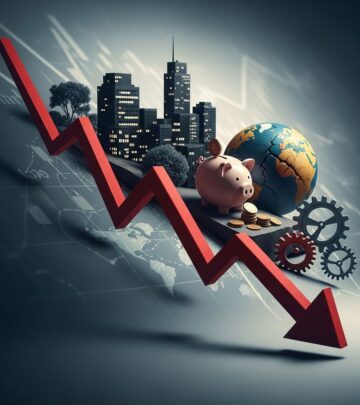
An economic contraction represents a sustained period of declining economic activity characterized by reduced Gross Domestic Product (GDP), lower employment levels, and diminished consumer spending. This phase of the business cycle marks a significant slowdown in the overall productive capacity of an economy, affecting individuals, businesses, and government institutions simultaneously. Unlike temporary fluctuations in economic performance, a contraction involves broad-based decline across multiple sectors and metrics that measure economic health.
The impact of economic contraction permeates through society at multiple levels. For individuals, contraction often translates into job insecurity, reduced wages, and a cautious approach to discretionary spending. For businesses, the consequences include compressed profit margins, difficulty accessing credit, and the need to optimize operational efficiency. Understanding the mechanics of economic contraction is essential for policymakers, investors, and workers seeking to navigate economic uncertainty.
Key Indicators of Economic Contraction
Identifying economic contraction requires monitoring several interconnected indicators that collectively signal a downturn in economic activity. These metrics provide early warnings and confirmation of contractionary phases.
Decreased Gross Domestic Product
The most fundamental indicator of economic contraction is a consistent decline in real GDP, which measures the total value of goods and services produced within an economy. A general rule of thumb holds that two consecutive quarters of economic contraction constitute a recession, representing a more formal recognition of sustained economic decline. This metric serves as the primary barometer for assessing overall economic health and growth trajectory.
Rising Unemployment Rates
As firms respond to declining demand by reducing output, they simultaneously reduce their workforce. Rising unemployment represents both a cause and consequence of economic contraction, creating a cyclical dynamic where job losses further reduce consumer spending power. Workers facing unemployment experience not only immediate income loss but also potential long-term skill deterioration if joblessness persists.
Reduced Consumer Spending
Economic contraction coincides with lower consumer spending, particularly for non-essential items and durable goods such as automobiles, furniture, and appliances. This reduction reflects decreased consumer confidence and reduced purchasing power, which further dampens demand for goods and services across the economy.
Decreased Business Investment
Companies typically postpone or cancel expansion plans, new facility construction, and capital equipment purchases during contractions. Business investment spending represents the most volatile component of GDP because firms can defer these expenditures during uncertain economic periods, making reduced investment spending a characteristic feature of early-stage recessions.
Declining Industrial Production
Factories and manufacturing facilities reduce output as demand wanes, leading to underutilization of productive capacity and accumulating inventories. This decline in industrial production reflects the broad-based nature of economic contraction affecting multiple sectors simultaneously.
Causes and Triggers of Economic Contraction
Economic contractions result from diverse and interconnected factors operating on both demand and supply sides of the economy. Understanding these causes helps explain why contractions occur and what policy responses might prove effective.
Demand-Side Factors
Adverse demand shocks trigger many economic contractions. A sudden drop in consumer confidence can precipitate widespread spending reductions as households become pessimistic about future economic prospects. This decline in spending reduces demand for goods and services, leading firms to decrease production and employment. Loss of consumer confidence often follows negative economic events, financial market disruptions, or employment challenges.
Supply-Side Disruptions
Supply-side factors including significant increases in essential input costs or disruptions to global supply chains can precipitate economic contraction. Energy price shocks represent a particularly important supply-side shock, historically preceding numerous recessions. When production costs rise substantially, firms face squeezed profit margins and may reduce output and employment to maintain profitability.
Financial Market Instability
Financial market disruptions including credit crunches, asset price declines, and banking sector stress restrict the flow of capital throughout the economy. When credit becomes difficult to access or expensive, both consumers and businesses curtail spending and investment, reducing aggregate demand. Historical financial crises demonstrate how banking sector problems can rapidly spread throughout the broader economy.
Policy-Related Causes
Government policies, whether contractionary fiscal measures such as tax increases or spending cuts, or tight monetary policies including interest rate increases designed to combat inflation, can precipitate or exacerbate economic downturns. Central banks sometimes deliberately implement contractionary monetary policies to control inflation, which can slow economic growth and potentially trigger recession if the tightening proves excessive.
External Shocks
External events including geopolitical crises, natural disasters, and unforeseen global disruptions can act as catalysts for economic contraction. These exogenous shocks disrupt normal economic relationships, destroy productive capacity, or create widespread uncertainty that dampens spending and investment.
Mechanisms of Economic Contraction
Economic contraction typically unfolds through a predictable sequence of events that amplifies initial shocks into broader economic decline. Understanding this transmission mechanism clarifies how localized problems become systemic concerns.
The contraction process often begins when a negative shock reduces business investment spending, particularly affecting capital goods manufacturers and construction industries. As business investment falls and firms adjust to lower demand, employment and input demand decline, leading consumers to reduce spending on new housing and durable goods. This reduction in consumer spending causes retailers and manufacturers to experience declining sales and rising inventory levels. Facing excess inventory and weak demand, firms cut production and lay off workers. Rising unemployment and falling corporate profits then generate further spending declines, creating a self-reinforcing negative feedback loop. Eventually, contractions stabilize as consumers and businesses reduce debt burdens, rebuild savings, and adjust expectations, while producers lower prices to clear excess inventory.
Effects of Economic Contraction
Microeconomic Consequences
At the individual and firm level, economic contraction creates substantial hardship. Workers face job losses, reduced income, and diminished purchasing power, leading to decreased household well-being. Individuals experiencing unemployment during recessions often accumulate high levels of debt or lose key assets including homes and vehicles. Prolonged unemployment can erode work skills and create future employment barriers as workers struggle to maintain currency with changing job requirements.
Businesses grapple with lower revenues, squeezed profit margins, and increased bankruptcy risk during contractions. Many firms reduce investment in research and development and defer capital expenditures, which has implications extending beyond the immediate downturn. The inability to invest in innovation and capability development can diminish competitive positioning and long-term growth prospects.
Macroeconomic Consequences
At the economy-wide level, contractions produce higher unemployment rates, general price level declines that can lead to deflation, and contraction in credit markets. These macroeconomic effects create systemic challenges requiring coordinated policy responses. Central banks and governments typically respond with expansionary policies including quantitative easing, lower interest rates, and fiscal stimulus packages to counteract downturns and guide economies toward recovery.
Long-Term Economic Scarring
Academic research increasingly focuses on how sustained contractions produce lasting economic damage extending beyond immediate cyclical downturns. Prolonged high unemployment can generate structural unemployment where workers’ skills become obsolete or misaligned with emerging job opportunities, necessitating substantial investment in retraining and education. Reduced investment in physical capital and research and development during contractions can lower the economy’s future potential output and productivity growth. Furthermore, increased government debt incurred to finance stimulus measures can impose long-term fiscal burdens. The depletion of human capital through prolonged joblessness, forgone education, and reduced health investments can produce generational impacts, diminishing the workforce’s overall skill set and earning potential.
Economic Contraction Versus Recession
While often used interchangeably, economic contraction and recession represent related but distinct concepts. Economic contraction specifically refers to the downward slope of the business cycle when economic output declines. Recession represents a more formally defined condition—a significant decline in general economic activity extending over time, characterized by depth, diffusion, and duration. The conventional definition holds that two consecutive quarters of economic contraction constitute a recession, establishing a quantitative threshold for formal recognition.
All recessions involve economic contraction, but not all contractions become formal recessions. Brief, mild contractions may not meet the criteria for recession classification. Understanding this distinction helps economists, policymakers, and market participants communicate clearly about economic conditions and their severity.
Policy Responses to Economic Contraction
Policymakers deploy various tools to counteract economic contraction and accelerate recovery. Monetary policy responses include reducing interest rates to lower borrowing costs and encourage spending and investment. Central banks may also implement quantitative easing programs, where they purchase longer-term securities to inject liquidity into financial markets and lower long-term interest rates.
Fiscal policy responses include government spending increases and tax reductions designed to boost aggregate demand. These stimulus measures aim to maintain consumer and business spending, preserve employment, and sustain productive capacity during downturns. However, policymakers must carefully calibrate policy responses because poorly timed or overly aggressive contractionary policies can amplify downturns rather than alleviate them.
Historical Context and Business Cycle Theory
Within rigorous macroeconomic frameworks, economic contraction denotes a business cycle phase characterized by sustained decline in aggregate economic output and activity. The National Bureau of Economic Research (NBER) defines recession as a period of broad-based, significant, and prolonged decline in economic activity visible in real GDP, real income, employment, industrial production, and wholesale-retail sales. Multiple macroeconomic theories address economic contraction, emphasizing diverse factors including demand deficiencies, supply constraints, monetary disruptions, and real economic factors.
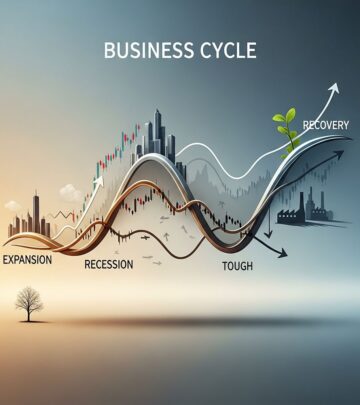
Understanding economic contraction requires recognizing that modern economies operate in cyclical patterns with alternating expansions and contractions. These cycles reflect the dynamic interaction of consumer behavior, business decision-making, financial market conditions, and policy choices. Successful navigation of economic cycles depends on accurate diagnosis of contraction causes and appropriately tailored policy responses.
Frequently Asked Questions
Q: What is the difference between economic contraction and recession?
A: Economic contraction refers to any period of declining GDP, while recession represents a formally defined, significant decline in general economic activity that typically involves two consecutive quarters of contraction. All recessions involve contraction, but not all contractions meet recession criteria.
Q: How long does economic contraction typically last?
A: Economic contractions vary considerably in duration. Some contractions last only a few months, while severe recessions can persist for over a year. The 2008-2009 financial crisis recession lasted approximately 18 months, though recovery periods often extend much longer.
Q: What should individuals do during economic contraction?
A: During contraction, individuals should focus on financial stability by reducing discretionary spending, building emergency savings, maintaining job skills through training, and avoiding excessive debt accumulation. These practices help weather the downturn and position for recovery.
Q: Can economic contraction be prevented?
A: Complete prevention of economic contraction remains unlikely given the complex interplay of factors driving cycles. However, prudent monetary and fiscal policies, financial regulation, and crisis management can mitigate severity and duration of contractions.
Q: How does unemployment change during economic contraction?
A: Unemployment typically rises during economic contraction as firms reduce output and lay off workers. Rising unemployment both reflects and reinforces economic weakness by further reducing consumer spending and delaying recovery.
References
- Economic Contraction: Definition, Causes, Effects — Sustainability Directory. Accessed 2025-11-29. https://lifestyle.sustainability-directory.com/term/economic-contraction/
- All About the Business Cycle: Where Do Recessions Come From? — Federal Reserve Bank of St. Louis. 2023-03-01. https://www.stlouisfed.org/publications/page-one-economics/2023/03/01/all-about-the-business-cycle-where-do-recessions-come-from
- The Business Cycle — Federal Reserve Education. Accessed 2025-11-29. https://www.federalreserveeducation.org/teaching-resources/economics/growth-and-fluctuations/the-business-cycle
- Economic Contraction — Fiveable AP Macroeconomics. Accessed 2025-11-29. https://fiveable.me/key-terms/ap-macro/economic-contraction
- Common Causes of Economic Recession — U.S. Congress Congressional Research Service. Accessed 2025-11-29. https://www.congress.gov/crs-product/R47479
Similar Articles








Read full bio of medha deb