Economic Boom: Definition, Causes, and Effects
Understand economic booms: rapid growth periods with rising GDP, employment, and inflation.

Understanding Economic Booms: A Complete Guide
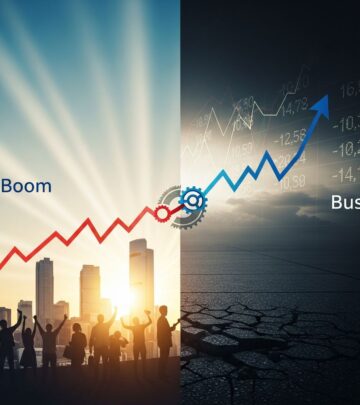
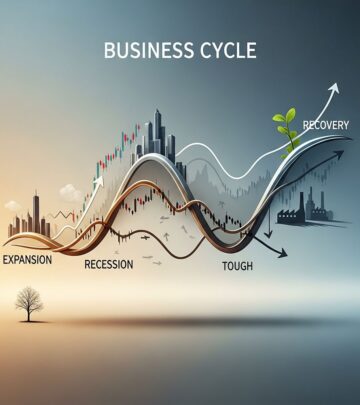
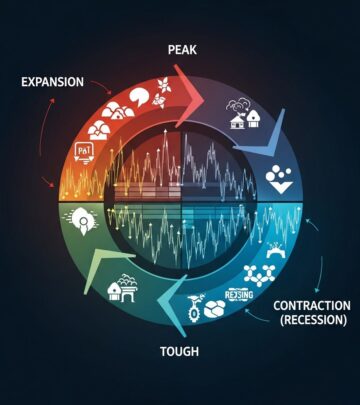
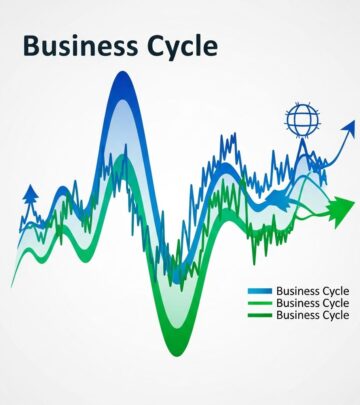
An economic boom represents a pivotal phase in the business cycle where an economy experiences rapid expansion that significantly exceeds its long-term growth trajectory. During these periods, nations witness remarkable increases in economic activity, marked by surging production, elevated employment levels, rising consumer confidence, and accelerating asset prices. These booms create an environment of optimism and opportunity but also carry inherent risks that policymakers must carefully manage.
What Is an Economic Boom?
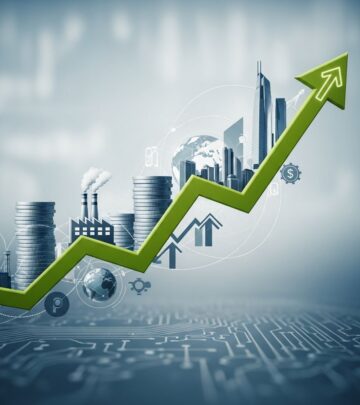
An economic boom is fundamentally defined as a temporary phase of economic expansion where the economy grows at a faster pace than its long-run economic growth rate. This expansion manifests through increased gross domestic product (GDP), higher levels of business profitability, improved employment rates, and generally rising living standards across the population. Unlike steady-state economic growth, booms represent accelerated periods where normal economic constraints appear temporarily relaxed.
During an economic boom, businesses operate at or near full capacity, often exceeding normal production levels to meet surging demand. The confidence of consumers, households, and businesses reaches elevated levels, prompting increased spending, borrowing, and investment. Governments and central banks typically implement relaxed fiscal and monetary policies during these phases, further stimulating economic activity and prolonging expansion periods.
Key Characteristics of Economic Booms
Economic booms display several distinctive features that differentiate them from normal economic periods:
- Rapid GDP Growth: Real GDP increases substantially beyond expected long-term growth rates, indicating robust economic expansion across multiple sectors.
- Rising Employment: Job creation accelerates as businesses expand operations and hire additional workforce to meet increased demand.
- Increased Consumer Spending: Households reduce savings and increase consumption of goods and services, driven by higher disposable incomes and improved confidence.
- Asset Price Appreciation: Housing prices, stock market valuations, and other real estate assets experience rapid price increases.
- Higher Business Profits: Companies enjoy supernormal profits due to increased production, sales, and operational efficiency.
- Wage and Income Growth: Workers experience rising wages while household incomes increase across various employment sectors.
- Inflationary Pressures: Both demand-pull and cost-push inflation rates rise as aggregate demand outpaces supply capabilities.
- Rising Interest Rates: Borrowing costs increase due to heightened demand for credit and central bank interventions to control inflation.
Primary Causes of Economic Booms
Economic booms emerge from multiple interconnected factors that work synergistically to accelerate economic expansion. Understanding these causes helps policymakers and investors anticipate boom cycles and manage their potential consequences.
Expansionary Monetary Policy
Central banks employ expansionary monetary policies by reducing interest rates, increasing money supply, and easing credit conditions. Lower borrowing costs encourage both consumers and businesses to take loans for purchases and investments. When interest rates decline, mortgages become more affordable, driving increased home purchases and residential construction. This monetary stimulus fuels aggregate demand and creates positive feedback loops where increased spending generates further economic expansion.
Expansionary Fiscal Policy
Governments stimulate booms through expansionary fiscal measures including tax cuts, increased government spending, and enhanced transfer payments. Tax reductions leave consumers with greater disposable income, increasing consumption levels. Government expenditures on infrastructure, defense, or social programs directly inject demand into the economy. These fiscal interventions boost aggregate demand and create multiplier effects throughout the economy.
Consumer and Business Confidence
When consumers and businesses feel optimistic about economic prospects, they increase spending and investment. Rising confidence reduces the savings ratio as households spend more of their income rather than saving for emergencies. Businesses become more willing to undertake capital investments, expand production facilities, and hire additional workers. This confidence-driven spending creates self-reinforcing cycles where initial economic improvements generate further expansion.
Rising Asset Prices
Appreciating asset values, particularly housing and equity prices, create wealth effects that stimulate consumption. When homeowners and investors observe their property and stock portfolios increasing in value, they feel wealthier and spend more freely. This increased consumption drives further economic expansion, which continues supporting asset price appreciation. However, this feedback loop can become detached from underlying fundamental values, creating conditions for speculative bubbles.
Technological Advancements
Breakthrough technologies can spark economic booms by improving productivity, reducing production costs, and creating new industries. Technological innovations enable businesses to produce more efficiently, offer better products, and access new markets. Consumer enthusiasm for technological innovations drives purchasing behavior and investment in new industries, contributing to sustained economic expansion.
The Mechanisms Driving Boom Expansion
Economic booms operate through several interconnected mechanisms that amplify initial stimulus into sustained expansion:
The Accelerator Effect
Increased consumer spending generates higher business revenues, prompting companies to expand production capacity and increase capital investments. These investments create jobs and further boost household incomes, sustaining consumer spending in a positive feedback loop. Businesses must continuously invest in equipment, facilities, and technology to maintain capacity growth aligned with rising demand.
Employment Expansion
Rapid economic growth creates abundant job opportunities as businesses require more workers to expand production and deliver services. Rising employment reduces unemployment rates, increases labor income, and strengthens consumer purchasing power. This employment expansion distributes boom benefits broadly across society, supporting sustained consumption growth.
Government Revenue Enhancement
Economic booms automatically increase government tax revenues through higher income tax collections from increased wages and corporate tax revenues from rising business profits. These revenue increases provide governments with additional fiscal capacity for public investments or deficit reduction without raising tax rates.
Benefits and Positive Effects of Economic Booms
Economic booms generate substantial benefits for businesses, workers, and broader society:
- Poverty Reduction: Rising employment and increased incomes reduce absolute poverty rates, lifting substantial populations into higher income brackets.
- Business Expansion: Companies experience sharp production increases, expand operations geographically or into new markets, and achieve higher supernormal profits.
- Income Growth: Individuals and households witness sustained income increases from employment growth and higher wages, improving living standards.
- Asset Wealth Creation: Rising prices in housing and equity markets generate wealth gains for property owners and equity holders.
- Investment Opportunities: Expanding economies create numerous investment opportunities across sectors, attracting domestic and foreign capital.
- Innovation Acceleration: Economic expansion supports research and development investments that generate technological breakthroughs and productivity improvements.
Risks and Challenges Associated with Booms
While booms offer substantial benefits, they simultaneously generate significant risks requiring careful policy management:
Inflationary Pressures
Rapid economic growth creates demand-pull inflation when aggregate demand exceeds available supply. Additionally, cost-push inflation emerges as rising wages and resource costs increase production expenses. Sustained inflation erodes purchasing power, threatens savings, and complicates economic planning for businesses and consumers.
Asset Bubble Formation
Rapid asset price appreciation can become detached from underlying economic fundamentals, creating speculative bubbles. The concept of “irrational exuberance” describes investor behavior where asset valuations far exceed reasonable economic justification. When these bubbles eventually burst, they trigger sudden wealth destruction and potential financial crises.
Trade Deficits
Rapidly rising domestic demand often exceeds domestic supply capacity, forcing economies to import increasing quantities of foreign goods and services. These import surges can widen current account deficits, create trade imbalances, and generate currency pressures.
Affordability Challenges
Rapidly rising asset prices, particularly housing, create affordability crises where property ownership becomes inaccessible for significant population segments despite rising incomes. This generates housing shortages and social inequality even during periods of broad-based economic expansion.
Unsustainability
Economic booms remain inherently temporary and unsustainable in the long term. Overheating economies eventually face policy corrections, resource constraints, or external shocks that trigger contractions and recessions.
Economic Booms vs. Recessions: A Comparative Analysis
| Dimension | Economic Boom | Economic Recession |
|---|---|---|
| Definition | Economy expands at higher speeds than long-run growth rate | Contraction in business and economic growth |
| GDP Growth | Rapid, exceeding trend rates | Negative or below-trend growth |
| Employment | Rising employment and declining unemployment | Job losses and rising unemployment |
| Inflation | Rising inflation rates | Stable or declining inflation |
| Asset Prices | Rapidly appreciating | Declining values |
| Policy Response | Typically contractionary to cool economy | Typically expansionary to stimulate growth |
| Consumer Confidence | High and rising | Low and declining |
Historical Examples of Economic Booms
The Roaring Twenties: The United States experienced a significant economic boom during the 1920s, fueled by technological innovations, abundant natural resources, expanded credit availability through hire-purchase systems, and rising consumer confidence. This period saw rapid industrialization, mass production of automobiles, and unprecedented consumer spending that transformed American society.
Post-World War II Recovery: Following World War II, developed economies experienced robust expansions as production capacity returned to civilian purposes, pent-up consumer demand was released, and government spending transitioned from military to infrastructure investments. This boom period established the foundation for decades of prosperity.
Hypothetical Example: Consider a nation struggling with poverty and unemployment that implements expansionary fiscal policies including tax reductions and central bank interest rate cuts. Over five years, GDP grows by 4.5% annually as local businesses increase capital investments and consumers surge spending on domestically produced goods. Employment rises substantially while poverty rates decline, demonstrating boom benefits across the population.
Policy Management During Economic Booms
Central banks and governments attempt to moderate boom cycles to prevent excessive inflation and asset bubbles while capturing expansion benefits. Monetary policy tightening through interest rate increases dampens excessive demand growth. Fiscal policy adjustments including increased taxes or reduced spending remove stimulus as economies approach full capacity. These policy interventions aim to create sustainable growth trajectories that avoid boom-bust cycles.
Frequently Asked Questions
Q: What distinguishes an economic boom from normal economic growth?
A: Economic booms represent temporary periods where growth significantly exceeds long-run trend rates, characterized by rapid expansion, full-capacity production, rising asset prices, and inflationary pressures. Normal growth maintains more stable, sustainable expansion aligned with long-term trends.
Q: How do expansionary policies trigger economic booms?
A: Both monetary policy (interest rate reductions, increased money supply) and fiscal policy (tax cuts, government spending increases) boost aggregate demand by increasing borrowing capacity and disposable income, stimulating consumption and investment that drive rapid economic expansion.
Q: Why do economic booms inevitably end?
A: Booms become unsustainable as inflationary pressures accumulate, resource constraints bind, asset prices become detached from fundamentals, and policy corrections become necessary. These factors eventually trigger demand contractions and recession conditions.
Q: Can governments prevent boom-bust cycles?
A: While governments cannot completely eliminate business cycles, proactive monetary and fiscal policy management can moderate boom intensity and duration. Counter-cyclical policies that tighten during expansions and ease during contractions help create smoother, more sustainable growth patterns.
Q: Who benefits most from economic booms?
A: Employment and wage growth benefit workers broadly, while business owners and asset holders gain from increased profits and appreciating property values. However, those priced out of appreciating asset markets and those dependent on fixed incomes may face challenges during inflationary boom periods.
References
- Economic Boom – Definition, History, Causes, Examples — Wall Street Mojo. 2025-11-29. https://www.wallstreetmojo.com/economic-boom/
- Economic Booms — Economics Help. 2025-11-29. https://www.economicshelp.org/blog/glossary/booms/
- Economic Boom – AP US History Vocabulary — Fiveable. 2025-11-29. https://fiveable.me/key-terms/apush/economic-boom
- Economic Boom – AP Macroeconomics — Fiveable. 2025-11-29. https://fiveable.me/key-terms/ap-macro/economic-boom
- Economic Boom – Simple English Wikipedia — Wikipedia. 2025-11-29. https://simple.wikipedia.org/wiki/Economic_boom
- Causes of the Economic Boom 1920s – AQA GCSE History — Save My Exams. 2025-11-29. https://www.savemyexams.com/gcse/history/aqa/16/aqa-the-period-study/revision-notes/america-1920-1973/boom-the-roaring-twenties/reasons-for-the-economic-boom/
Similar Articles








Read full bio of medha deb