E-Commerce: Digital Buying and Selling Guide
Complete guide to e-commerce: business models, platforms, and digital transactions.
What is E-Commerce?
E-commerce, or electronic commerce, refers to the buying and selling of goods and services over the internet. It represents a fundamental shift in how businesses and consumers conduct transactions, eliminating geographical barriers and enabling commerce to occur 24/7 across digital platforms. The term encompasses far more than simple online shopping—it includes complex business transactions between enterprises, government procurement, and peer-to-peer exchanges facilitated through digital channels.
The first recorded online transaction occurred in 1994, when someone sold a Sting CD to a friend for $12.48 plus shipping. From this humble beginning, e-commerce has evolved into a multi-trillion-dollar global industry that continues to reshape retail, wholesale, and service delivery sectors worldwide.
How E-Commerce Works
E-commerce transactions follow a systematic process that relies on multiple technologies and intermediaries working in concert:
- Channel Selection: Sellers establish their presence through websites, mobile applications, social media platforms, or established marketplaces like Amazon or Etsy.
- Product Discovery: Customers locate products or services through browsing, searching, or recommendations powered by algorithms.
- Order Placement: Buyers select items, customize options, and place orders through digital interfaces.
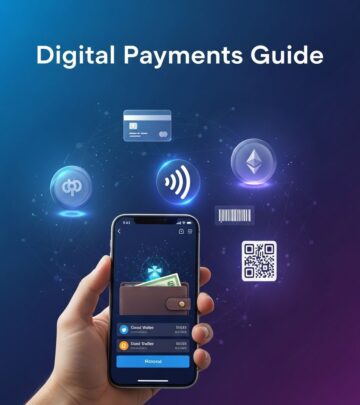
- Payment Processing: Transactions are completed through various payment methods including credit cards, digital wallets, and online currencies.
- Confirmation: Customers receive confirmation emails or SMS notifications with receipts and order details.
- Fulfillment: For physical goods, sellers ship products with tracking information; for services, providers schedule and deliver as agreed.
E-Commerce Business Models
E-commerce operates across several distinct business models, each facilitating different types of transactions and relationships:
Business-to-Business (B2B)
B2B e-commerce refers to transactions conducted between businesses. In this model, companies sell products, services, or components to other businesses, often in larger quantities and with specialized terms. B2B e-commerce typically involves longer sales cycles, complex negotiations, and integration with the buyer’s systems through electronic data interchange (EDI).
Business-to-Consumer (B2C)
B2C is the most common e-commerce model, where businesses sell directly to individual consumers. This includes online retail stores, digital services, subscription platforms, and marketplaces where customers purchase products for personal use. The B2C model emphasizes user experience, marketing, and customer service to drive conversions and loyalty.
Business-to-Government (B2G)
B2G e-commerce involves transactions between businesses and government agencies. Government procurement portals allow businesses to bid on contracts and provide goods or services to governmental bodies. This model often features standardized bidding processes, compliance requirements, and formal purchasing procedures.
Consumer-to-Business (C2B)
C2B represents an inversion of the traditional B2C model, where individual consumers offer products or services to businesses. Common examples include freelance platforms like Fiverr or Upwork, where independent professionals offer specialized skills to companies. This model has expanded significantly with the growth of the gig economy.
Consumer-to-Consumer (C2C)
C2C e-commerce enables individuals to buy and sell directly with each other through online platforms. Marketplaces like Craigslist and Etsy facilitate these peer-to-peer transactions, allowing consumers to sell used items, handmade crafts, or personal services. These platforms typically provide rating systems and communication tools to build trust between parties.
Direct-to-Consumer (D2C)
D2C sales occur when manufacturers and brands bypass traditional retail intermediaries to sell directly to end customers. This model has expanded rapidly through digital storefronts and social commerce platforms such as Shopify, TikTok Shop, and Instagram Checkout, allowing brands to maintain direct relationships with customers and collect valuable data.
Types of E-Commerce Channels
E-commerce operates across diverse channels and platforms, each offering unique advantages:
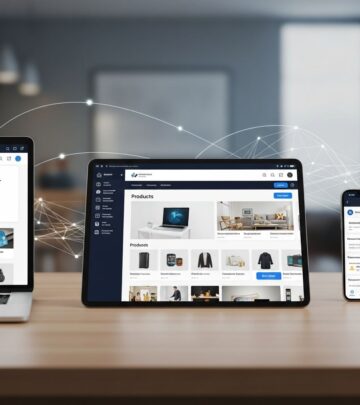
- Dedicated Websites: Businesses build custom e-commerce websites tailored to their brand and customer needs.
- Mobile Applications: Dedicated mobile apps provide optimized shopping experiences for smartphones and tablets.
- Social Media Platforms: Instagram Checkout, TikTok Shop, and Facebook Marketplace enable direct selling within social networks.
- Third-Party Marketplaces: Amazon, eBay, and specialized platforms provide established audiences and fulfillment infrastructure.
- Mobile Commerce (M-Commerce): Online transactions conducted specifically through mobile devices represent a growing segment of e-commerce.
Multichannel and Unified Commerce Strategies
Modern e-commerce has evolved beyond single-channel operations. Multichannel commerce, also known as cross-channel commerce, represents the practice of selling services or goods across multiple sales channels simultaneously. This strategy allows businesses to reach customers through various touchpoints while maintaining independent channel operations.
Unified retail commerce represents the latest evolution in e-commerce tactics, consolidating all sales channels, processes, and data into a single integrated platform. Rather than coordinating separate channels, unified commerce organizes backend processes including inventory management, advertising, and sales into a cohesive system. This approach creates holistic sales and marketing environments that provide customers with seamless experiences across all platforms.
Key Technologies Enabling E-Commerce
Several essential technologies work together to facilitate e-commerce transactions and operations:
Payment Processing Systems
Payment gateways and processors enable secure exchange of funds between customers and businesses. These systems must comply with Payment Card Industry Data Security Standards (PCI DSS) and often integrate with multiple payment methods including credit cards, debit cards, digital wallets (Apple Pay, Google Pay), and alternative currencies.
Inventory Management Software
Advanced inventory systems track stock levels in real-time, optimize storage and distribution, and may automate reordering based on sales data or other variables. Integration with customer relationship management (CRM) and business intelligence tools enables data-driven inventory decisions.
Data Analytics and Consumer Insights
E-commerce platforms collect significant real-time data on consumer behavior, preferences, and purchasing patterns. Organizations utilize this data to guide inventory management, personalize product recommendations, optimize pricing strategies, and improve overall customer experiences.
Supply Chain and Logistics Management
E-commerce relies on sophisticated supply chain networks including warehousing, distribution centers, and shipping carriers to deliver products efficiently. Technologies such as automated data collection systems, tracking systems, and supply chain management software optimize fulfillment operations.
Customer Relationship Management (CRM)
CRM systems organize customer information, purchase history, and communication preferences to enhance personalization and support. These platforms enable targeted marketing, improved customer service, and long-term relationship building.
E-Commerce Advantages and Benefits
E-commerce offers substantial advantages for both businesses and consumers:
- Global Reach: Businesses access customers worldwide without physical store limitations.
- Convenience: Consumers shop from any location and time using computers, phones, tablets, and other devices.
- Lower Costs: Reduced overhead from physical retail spaces can translate to lower prices and higher margins.
- Data-Driven Decision Making: Real-time analytics enable rapid optimization of inventory, pricing, and marketing strategies.
- Scalability: Businesses can grow without proportional increases in physical infrastructure.
- Market Efficiency: Digital transactions save time and space for both customers and enterprises, greatly improving transaction efficiency.
E-Commerce Website Components
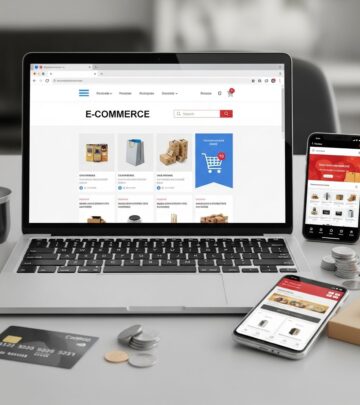
Successful e-commerce websites include several essential components functioning as a virtual equivalent to physical retail stores:
- Product Listings: Detailed descriptions, images, specifications, and pricing for items offered.
- Product Categories: Organized navigation structure enabling customers to find items efficiently.
- Customer Reviews: User-generated feedback building trust and providing social proof.
- Shopping Cart: Virtual basket allowing customers to collect items before checkout.
- Checkout Process: Streamlined purchase completion with address entry and payment options.
- Search Functionality: Powerful search algorithms helping customers locate specific products.
- Security Features: SSL certificates and encryption protecting sensitive customer information.
E-Commerce Growth and Market Trends
E-commerce continues to demonstrate robust growth worldwide. In 2023, brand owners’ sales grew more than 22% in the Amazon store compared to the previous year. During Amazon Prime Day in July 2023, Prime members purchased more than 375 million items worldwide, demonstrating the continued expansion of online shopping behaviors.
Emerging trends reshaping e-commerce include social commerce integration, artificial intelligence-powered personalization, subscription-based business models, and the increasing importance of mobile-first experiences. Direct-to-consumer brands continue gaining market share as social commerce platforms make it easier for businesses to sell directly to customers.
Frequently Asked Questions
What is the difference between e-commerce and m-commerce?
E-commerce refers to all online buying and selling of goods and services, while m-commerce specifically refers to electronic transactions conducted on mobile devices including smartphones and tablets. M-commerce is a subset of e-commerce optimized for mobile user experiences.
Can individuals start an e-commerce business?
Yes, entrepreneurs, startups, small and medium-sized businesses, and large retailers can all use e-commerce to reach customers across the globe. Individuals can build their own e-commerce websites, set up storefronts on established platforms like Amazon or Etsy, or employ a multi-channel approach.
What payment methods do e-commerce businesses typically accept?
E-commerce transactions are facilitated through various digital payment options including credit cards, debit cards, digital wallets (Apple Pay, Google Pay, PayPal), online currencies, bank transfers, and emerging payment systems. Businesses typically engage multiple third-party payment processors to accommodate different customer preferences.
How does e-commerce impact traditional retail?
E-commerce has prompted retailers to develop omnichannel strategies combining online and offline presence. Many traditional retailers now operate websites and mobile apps alongside physical stores, creating unified commerce experiences where inventory, pricing, and customer data integrate across channels.
What security considerations are important for e-commerce transactions?
E-commerce platforms must implement robust security measures including SSL encryption, PCI DSS compliance for payment processing, secure authentication protocols, and regular security audits. Both businesses and consumers should follow best practices to protect against fraud and data breaches.
References
- What is Ecommerce? — IBM. 2024. https://www.ibm.com/think/topics/ecommerce
- E-commerce — Wikipedia. 2025. https://en.wikipedia.org/wiki/E-commerce
- What is ecommerce? — Sell on Amazon. 2024. https://sell.amazon.com/learn/what-is-ecommerce
- What is e-commerce? — McKinsey & Company. 2024. https://www.mckinsey.com/featured-insights/mckinsey-explainers/what-is-e-commerce
Similar Articles








Read full bio of Sneha Tete