Understanding ECOA Codes on Your Credit Report
Decode ECOA symbols on your credit report and understand what they mean for your credit profile.

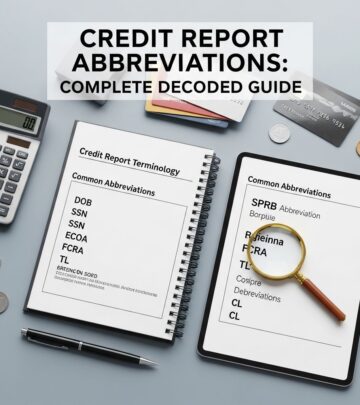
Your credit report contains numerous symbols and codes designed to provide a standardized way for creditors and lenders to understand your credit history at a glance. One important set of these codes are ECOA codes, which appear on credit reports and serve a specific purpose in how your credit information is organized and interpreted. Understanding what these codes mean and how they appear on your report is essential for anyone seeking to build and maintain healthy credit.
What Are ECOA Codes and Why They Matter
ECOA codes are standardized designations that appear on credit reports to categorize different types of credit accounts and their associated information. ECOA stands for the Equal Credit Opportunity Act, a federal law designed to ensure fair lending practices and prevent discrimination in credit decisions. These codes help credit bureaus and lenders communicate account types and status in a consistent manner across the industry.
When you review your credit report, you may notice these codes listed alongside your various credit accounts. They provide important context about how your accounts are classified, which can influence how potential lenders view your creditworthiness. Each code represents specific information about your relationship with a creditor and the nature of the debt or credit account.
Common ECOA Code Categories on Credit Reports
ECOA codes are organized into several primary categories, each serving a different purpose in documenting your credit history:
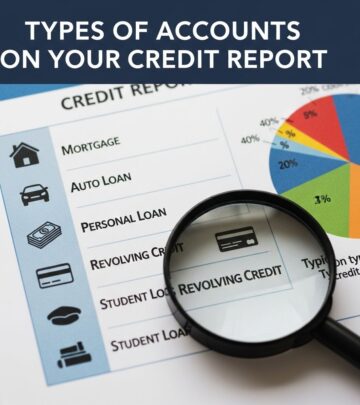
- Account Type Codes — These designate whether an account is an installment loan, revolving credit, open account, or other credit type
- Account Status Codes — These indicate whether an account is current, delinquent, closed, or in other specific conditions
- Responsibility Codes — These clarify your responsibility for the account, such as whether you are an individual borrower, joint borrower, or authorized user
- Payment Status Codes — These detail the specific payment history associated with your account over time
Decoding Account Type Classifications
The account type portion of ECOA codes helps lenders understand the fundamental structure of your credit relationships. An installment account, for example, involves borrowing a set amount of money and repaying it in fixed installments over a defined period, such as an auto loan or personal loan. This differs significantly from revolving credit, where you have access to a credit line and can borrow, repay, and borrow again, as with credit cards or home equity lines of credit.
Open accounts represent another classification, typically used for accounts that require full payment each billing period, such as some utility bills or charge accounts at department stores. Understanding which accounts fall into which categories helps you see how your credit mix is structured, which is an important factor in your credit score calculation.
Interpreting Account Status Through ECOA Codes
Account status codes reveal the current condition of each credit account on your report. A current account indicates that you are making payments on time and meeting all account obligations. This is the healthiest status for any credit account and demonstrates responsible credit management to potential lenders.
When an account shows a delinquent status, it means you have missed one or more payments. The severity of delinquency varies, with codes often indicating whether you are 30, 60, 90, or 120+ days past due. This information significantly impacts your credit score and how lenders perceive your reliability as a borrower.
Closed accounts appear on your credit report even after you have stopped using them, and the code will indicate whether the account was closed by you or by the creditor. Paid-in-full status shows that you have successfully completed repayment on an installment loan, which demonstrates positive credit behavior.
What Responsibility Codes Tell You
Responsibility codes clarify your role in each credit account. If you are listed as an individual borrower, you alone are responsible for the debt and its repayment. A joint account means you share equal responsibility with another person for the debt. Being listed as an authorized user indicates that you can use the account but may not be legally responsible for payment, depending on the account terms.
These distinctions matter because they affect how different accounts contribute to your credit profile. An authorized user account, for instance, may still impact your credit score if the primary account holder’s payment history is reported, but you would not be responsible for paying the debt if the primary holder defaults.
Reading Payment Status Information
Payment status codes provide a historical record of how consistently you have made payments on a particular account. These codes often use numbers to indicate whether payments were made on time, made late by specific intervals, or were missed entirely during specific reporting periods.
A payment history showing consistent on-time payments reflects well on your credit profile and demonstrates financial responsibility. Conversely, a pattern of late payments or missed payments can significantly harm your credit score and make it more difficult to obtain favorable terms on future credit.
How to Locate ECOA Codes on Your Credit Report
When you obtain a copy of your credit report from one of the three major credit bureaus—Equifax, Experian, or TransUnion—you will find ECOA codes listed in the account detail section. Typically, these codes appear in a column or field dedicated to account information, often labeled as “type” or “status.”
The exact formatting and placement of these codes may vary slightly depending on which credit bureau issued your report and which version of the report you are viewing. Some reports present the information in narrative form with codes explained, while others display codes more prominently for quick reference.
You can obtain free copies of your credit report from each bureau once per year through AnnualCreditReport.com, the official resource authorized by the Federal Trade Commission for accessing your credit reports.
Understanding How ECOA Codes Affect Your Credit Score
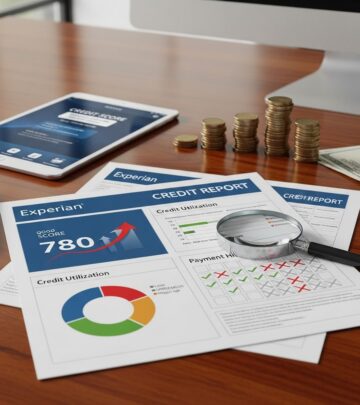
While ECOA codes themselves are not direct inputs into credit score calculations, the information they represent is highly relevant to your score. The account types, statuses, and payment histories indicated by these codes all factor into how credit scoring models evaluate your creditworthiness.
For example, a diverse mix of account types (installment loans plus revolving credit) generally benefits your credit score more than having only one type of account. Similarly, accounts with current status and positive payment history contribute positively to your score, while delinquent accounts significantly reduce it.
Addressing Errors in ECOA Code Classifications
Errors in how your accounts are classified using ECOA codes can negatively impact your credit profile. If you notice that an account is coded incorrectly—such as a closed account being listed as open, or your responsibility status being misrepresented—you have the right to dispute this information with the credit bureau.
To dispute an error, you can file a dispute directly with the credit bureau through their website, by mail, or by phone. You should provide clear documentation supporting your claim that the coding is incorrect. The bureau has a legal obligation to investigate your dispute and correct any errors they find.
If a creditor has reported inaccurate information about your account, you can also contact the creditor directly to request that they correct the information and resubmit it to the credit bureaus. Keep detailed records of all communications and follow up to ensure corrections are made.
Taking Action When You See Unfavorable ECOA Codes
If your credit report shows unfavorable account statuses or payment histories encoded in ECOA codes, there are steps you can take to improve your credit profile:
- Make all payments on time going forward to establish a new pattern of positive payment behavior
- Pay down revolving credit balances to improve your credit utilization ratio
- Contact creditors about accounts in delinquent status to arrange payment plans if needed
- Keep old accounts open (when possible) to maintain account age and credit history length
- Avoid opening multiple new accounts in a short time, which can negatively impact your credit score
The Role of ECOA Codes in Lending Decisions
When lenders review your credit report, they interpret ECOA codes quickly to understand your credit profile. A lender evaluating your application will see which accounts are current, which are delinquent, and what types of credit you have managed. This information helps them assess the risk of lending to you.
Codes indicating a history of timely payments and responsible account management generally result in more favorable lending terms, including lower interest rates and higher credit limits. Conversely, codes showing delinquency or irresponsible behavior typically result in higher interest rates, lower credit limits, or loan denial.
Monitoring Your ECOA Codes Over Time
Regularly checking your credit report allows you to monitor how your accounts are being coded and classified. By reviewing your report periodically, you can ensure that all information is accurate and that your credit profile reflects your actual financial behavior.
Setting reminders to check your credit report at least annually helps you stay informed about your credit status and catch any errors or fraudulent accounts early. Many credit monitoring services provide ongoing updates about changes to your credit report, alerting you when new accounts are opened or account statuses change.
Frequently Asked Questions About ECOA Codes
What does it mean if an ECOA code shows my account as “closed by consumer”?
This code indicates that you initiated the closure of the account rather than the creditor. Closing an account you manage responsibly is generally neutral or slightly negative for your credit profile, as it reduces your available credit and may increase your credit utilization ratio on remaining accounts.
Can ECOA codes change over time?
Yes, ECOA codes update regularly as your account status changes. When you make payments, accounts age, or status changes occur, the codes on your report are updated to reflect the current information reported by your creditors.
Are ECOA codes the same across all three credit bureaus?
While the ECOA coding system is standardized, the specific codes reported by each bureau may vary slightly based on the information provided by creditors. Additionally, different creditors may report information to different bureaus, so your accounts and their codes may not appear identically on all three reports.
How long do negative ECOA codes remain on my credit report?
Most negative information remains on your credit report for seven years from the date of first delinquency. Bankruptcy information may remain for seven to ten years depending on the chapter filed. After this time, the information should be removed from your report.
Can I negotiate with creditors to change ECOA codes on my report?
While you cannot directly change ECOA codes, you can work with creditors on payment arrangements, settlement agreements, or goodwill deletions that may result in more favorable status codes being reported going forward.
References
- Equal Credit Opportunity Act (ECOA) — U.S. Federal Trade Commission. Accessed 2024. https://www.ftc.gov/business-guidance/privacy-security
- Understanding Your Credit Report — Consumer Financial Protection Bureau. 2024. https://www.consumerfinance.gov/ask-cfpb
- How Credit Bureaus Report Account Information — Equifax Official Resources. 2024. https://www.equifax.com/personal/credit-report-details
- Disputing Credit Report Errors — Federal Trade Commission. 2023. https://www.ftc.gov/articles/0060-disputing-credit-report-errors
- Credit Score Factors and Weights — FICO Official Scoring Guidelines. 2024. https://www.myfico.com/credit-education
- Fair Credit Reporting Act (FCRA) Requirements — U.S. Congress. 15 U.S.C. §1681. https://www.law.cornell.edu/uscode/text/15/1681
Similar Articles








Read full bio of medha deb