Eco-Friendly Home Heating And Cooling: Top 5 Green HVAC In 2025
Discover sustainable heating and cooling solutions that slash energy bills and protect the planet for a greener tomorrow.
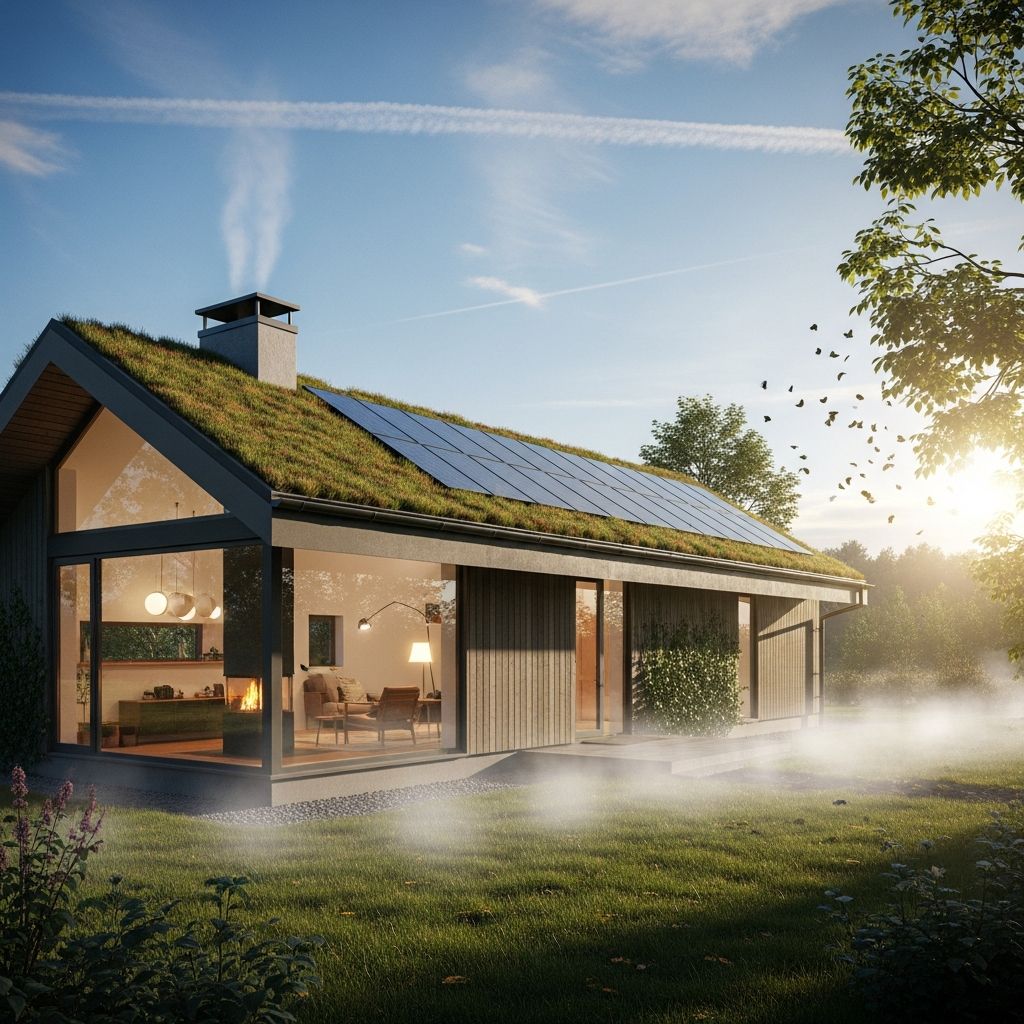
Heating and cooling systems account for a significant portion of household energy consumption, often around 56% according to U.S. Department of Energy data. Transitioning to sustainable alternatives not only curbs environmental impact but also delivers substantial savings on utility bills over time.
Why Prioritize Sustainable Climate Control?
Maintaining comfortable indoor temperatures is essential, yet traditional HVAC setups frequently rely on fossil fuels, contributing to greenhouse gas emissions. Nearly half of heating systems burn natural gas, oil, or coal directly, exacerbating climate change through carbon dioxide release. Green technologies harness renewable sources like the earth, sun, and air, offering efficiency ratios where one unit of electricity yields multiple units of heating or cooling.
These systems reduce peak energy demands, qualify for rebates, and extend equipment lifespan due to lower operational stress. Homeowners can expect payback periods as short as a few years, making them smart investments amid rising energy costs.
Geothermal Energy: Tapping Earth’s Constant Warmth
Geothermal heat pumps (GHPs) utilize the ground’s stable temperature, typically 50-60°F year-round, just feet below the surface. Pipes filled with fluid circulate underground, absorbing heat in winter for indoor warming and rejecting heat in summer for cooling.
The U.S. Environmental Protection Agency ranks geothermal as one of the most efficient options, delivering up to five times more energy than consumed electrically. Residential installations involve burying loops in yards or driveways, connected to a basement heat pump unit functioning like a standard furnace or AC.
- Pros: Extremely low operating costs (30-60% savings vs. conventional), 50-year ground loop durability, minimal emissions.
- Cons: High upfront costs ($20,000-$30,000 before incentives), requires suitable land space.
Recent advancements make GHPs viable nationwide, with federal tax credits covering 30% of costs through 2032.
Heat Pumps: Versatile Air-to-Air Efficiency
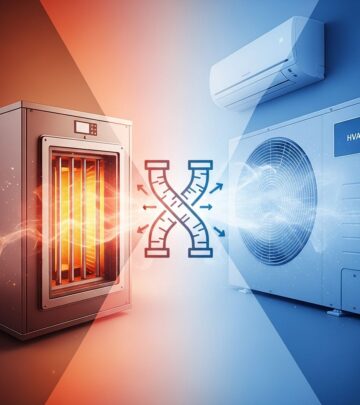
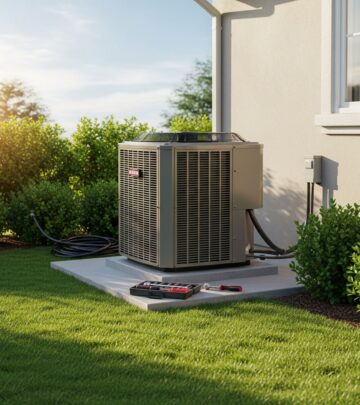
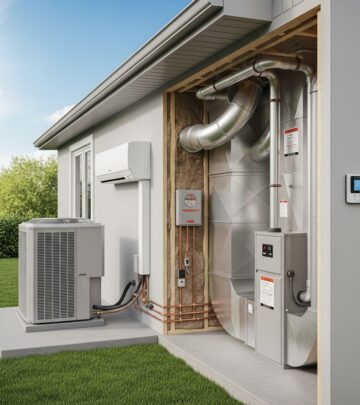
Air-source heat pumps extract heat from outdoor air, even in cold climates, transferring it indoors via refrigerant cycles. Modern cold-climate models maintain efficiency down to -15°F, slashing electricity use by up to 50%.
Ductless mini-splits enhance flexibility, linking one outdoor unit to multiple indoor heads via slim copper lines. ENERGY STAR-certified versions optimize performance, avoiding duct losses common in central systems.
| Type | Efficiency (COP) | Best For | Cost Range |
|---|---|---|---|
| Air-Source | 3-5 | Mild to cold climates | $4,000-$8,000 |
| Geothermal | 4-6 | All climates, space permitting | $20,000-$35,000 |
| Ductless Mini-Split | 4-5 | Retrofits, zoned control | $3,000-$15,000 |
Dual-fuel variants pair electric pumps with gas backups for extreme weather, automatically switching for peak efficiency.
Solar-Powered Thermal Solutions
Solar heating splits into passive and active approaches. Passive designs feature light-colored roofs reflecting sunlight and strategic windows admitting winter sun while blocking summer heat.
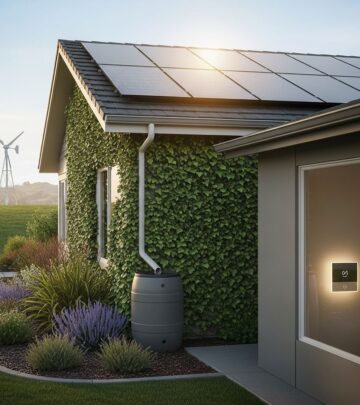
Active solar collectors heat water or air directly, storing excess in tanks for nighttime use. Paired with photovoltaic panels, they power electric HVAC without grid reliance, eliminating emissions.
- Flat-plate collectors for domestic hot water, reducing gas use by 70% in some cases.
- Evacuated tube systems for higher efficiency in low-sun areas.
Solar integration extends to cooling via absorption chillers, though photovoltaic-driven heat pumps are more common.
Innovative Alternatives: Hydronic, Ice, and Biomass
Hydronic systems pump heated or chilled water through in-floor pipes, radiators, or baseboards, offering silent, even distribution. Biomass boilers burn wood pellets or chips sustainably sourced, with modern units achieving 90% efficiency.
Ice-powered AC freezes water off-peak, using stored ice for daytime cooling, cutting peak electricity rates. Wind micro-turbines supplement hot water heating in breezy regions.
Passive Strategies for Everyday Savings
Beyond equipment, design choices amplify efficiency. White ‘cool roofs’ lower cooling needs by reflecting 80% of solar radiation. Strategic shading, insulation, and ventilation reduce mechanical reliance.
- Ceiling fans for air circulation, allowing higher thermostat settings.
- ERVs (energy recovery ventilators) precondition incoming air, retaining indoor climate.
Financial Incentives and Payback Analysis
Federal Inflation Reduction Act offers 30% tax credits on heat pumps and geothermal, plus state rebates. A $10,000 heat pump might net $3,000 back instantly.
Annual savings: $500-$1,500 depending on system and location. Geothermal often recoups in 5-10 years; heat pumps in 3-7.
Implementation Steps for Homeowners
- Assess Needs: Audit energy use, climate, home size.
- Consult Pros: Get quotes from certified installers.
- Check Incentives: Use DSIRE database for local programs.
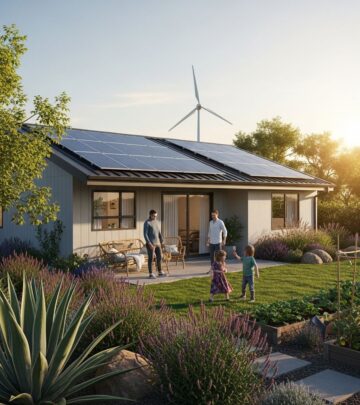
- Integrate Renewables: Pair with solar for net-zero potential.
Frequently Asked Questions
Are green HVAC systems reliable in cold winters?
Yes, advanced cold-climate heat pumps from brands like Trane perform efficiently below zero, often outperforming gas furnaces.
How much do installations cost?
Ranges from $3,000 for mini-splits to $30,000+ for geothermal, offset by incentives and savings.
Do they require much maintenance?
Less than traditional systems; annual filter changes and coil cleans suffice, with 15-25 year lifespans.
Can I retrofit an older home?
Absolutely—ductless options suit any structure without ductwork.
What about cooling performance?
Heat pumps provide superior dehumidification and even cooling compared to standard AC.
Future Trends in Green HVAC
Expect low-GWP refrigerants like R-454B replacing older types, boosting efficiency further. Smart controls integrate AI for predictive optimization, while hybrid systems blend multiple renewables seamlessly.
References
- Top 10 Green Heating and Cooling Technologies — HowStuffWorks. 2023. https://home.howstuffworks.com/home-improvement/construction/green/10-green-heating-and-cooling-technologies.htm
- Sustainable Ways to Heat and Cool Your Home — Solaris Renewables. 2024-10-15. https://solarisrenewables.com/blog/sustainable-ways-to-heat-and-cool-your-home/
- Green HVAC Systems — AAA Furnace & Air Conditioning. 2024-12-01. https://www.aaa-furnace.com/blog/2024/december/green-hvac-systems/
- Green Guide – Sustainable HVAC — Trane. 2025. https://www.trane.com/residential/en/resources/green-guide/
- Geothermal Heat Pump Basics — U.S. Department of Energy. 2024-03-20. https://www.energy.gov/energysaver/geothermal-heat-pumps
- Heat Pump Systems — U.S. Environmental Protection Agency. 2025-01-10. https://www.epa.gov/energy/heat-pump-systems
Similar Articles








Read full bio of Sneha Tete