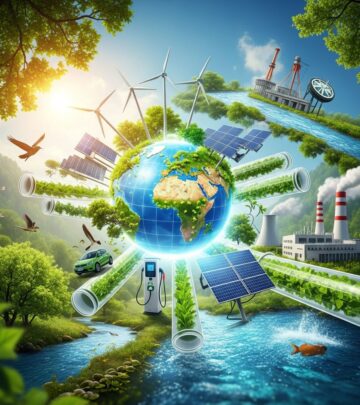
Eco-Conscious Construction: Materials for Green Homes
Discover innovative sustainable building materials transforming modern home construction and environmental responsibility.
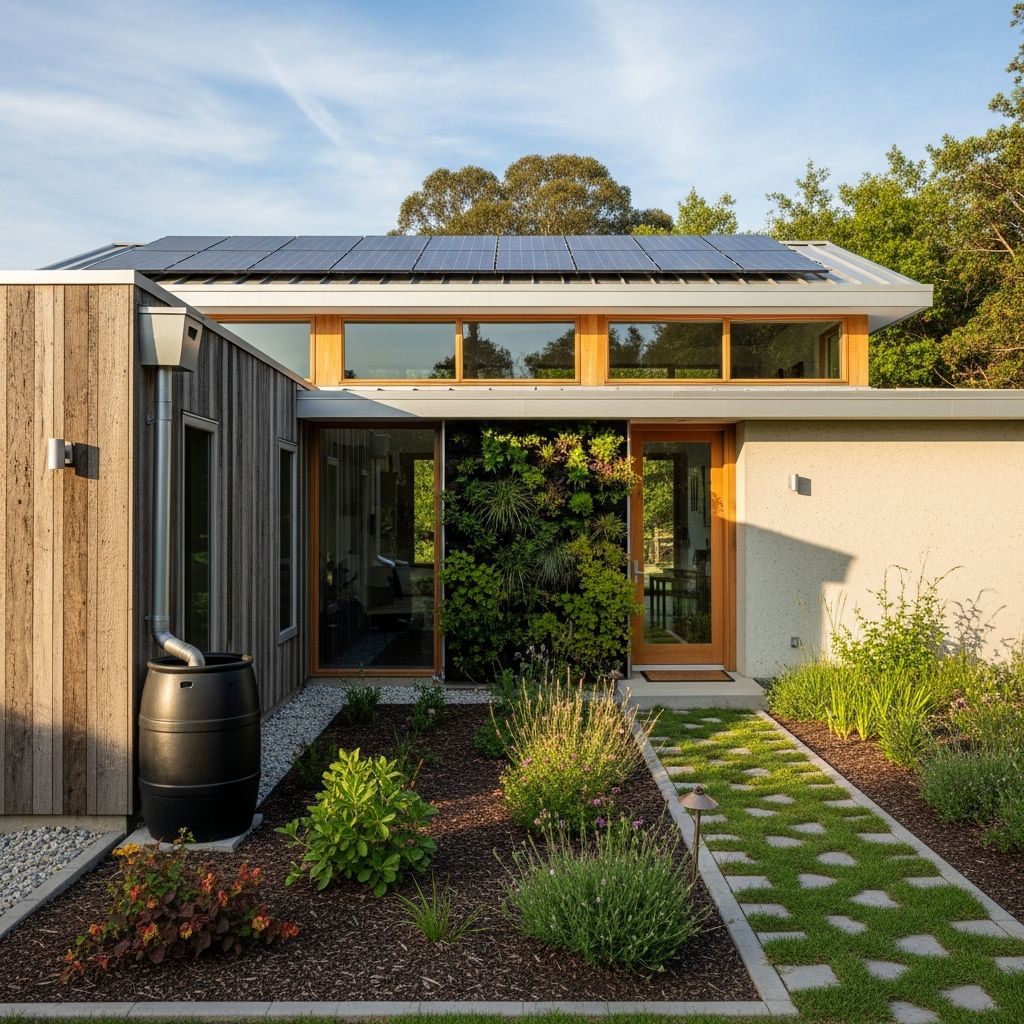
Understanding the Foundation of Green Building
The construction industry stands at a crossroads between traditional practices and environmental responsibility. As homeowners increasingly recognize the impact of building choices on both personal finances and planetary health, the demand for sustainable building materials has surged dramatically. These materials represent more than just an environmental statement—they embody a practical approach to creating homes that are durable, efficient, and economically sensible over their lifetime.
A sustainable material is fundamentally one that minimizes environmental harm throughout its entire lifecycle, from extraction and manufacturing through installation, use, and eventual disposal or recycling. The benefits extend beyond environmental consciousness; homes constructed with these materials often demonstrate superior energy performance, reduced operational costs, and enhanced indoor air quality.
Fast-Growing Natural Materials Leading the Revolution
The Rapid Renewable: Bamboo’s Transformation in Construction
Among rapidly renewable building solutions, bamboo stands as a remarkable choice for modern construction projects. This material’s extraordinary growth rate—capable of expanding up to 1.5 inches daily—makes it one of the planet’s most efficient renewable resources. Unlike traditional timber harvesting, which requires decades for tree maturation, bamboo reaches maturity within three to five years, creating a genuinely sustainable cycle.
The structural advantages of bamboo extend beyond its renewable nature. The material possesses a strength-to-weight ratio that rivals conventional lumber while maintaining flexibility that allows architects and builders creative freedom in design. Bamboo’s global distribution across multiple continents ensures accessibility for construction projects worldwide, with the exception of Europe and Antarctica. Additionally, the material’s biodegradable nature means construction waste can decompose naturally without long-term environmental burden.
Hemp-Based Innovation: Carbon-Absorbing Insulation Solutions
Hempcrete represents a paradigm shift in how construction materials can actively benefit the environment rather than simply causing less harm. This carbon-negative material combines hemp fiber—a rapidly renewable resource that regenerates faster than timber—with lime binder to create a substance with concrete-like structural properties but substantially lighter weight.
The environmental advantage of hempcrete lies not merely in reduced production emissions but in its capacity to absorb carbon dioxide throughout its operational lifespan. When utilized as insulation in walls, ceilings, and foundations, hempcrete provides exceptional thermal and acoustic performance while maintaining fire resistance. This dual functionality eliminates the need for separate insulation layers, streamlining construction processes and reducing overall material consumption.
Engineered Sustainability: Materials Reimagined for the Modern Age
Factory-Produced Efficiency: The Case for Precast Concrete
Concrete’s appearance on sustainable material lists surprises many homeowners; however, precast concrete demonstrates how manufacturing methodology fundamentally alters a material’s environmental profile. Rather than mixing and pouring concrete on-site—a process generating substantial carbon emissions—precast concrete is manufactured in controlled factory environments.
This manufacturing approach delivers multiple sustainability advantages. Factory production enables precise measurement and quality control, eliminating waste that commonly occurs with traditional concrete pouring. Manufacturers can optimize material ratios and incorporate waste reduction techniques impossible in field conditions. Remarkably, newer concrete formulations can reabsorb up to 25 percent of their embodied carbon during their lifetime, effectively transforming this conventional material into a climate-positive solution.
Transforming Waste: Recycled Materials in Contemporary Building
Recycled plastic addresses one of environmental construction’s most pressing challenges: single-use plastics threaten ecosystems through landfill accumulation and waterway contamination. In construction applications, recycled plastic demonstrates versatility that conventional virgin plastic cannot match. The material transforms into lumber alternatives, concrete additives, roofing materials, floor tiles, bricks, pipes, and fencing components.
Though plastic exhibits lower recycling rates than many materials, its incorporation into construction products creates significant environmental value by diverting waste from landfills and reducing virgin plastic manufacturing demands. Mixed with structural materials like concrete or timber, recycled plastic develops enhanced load-bearing capabilities, addressing its inherent strength limitations.
Reclaimed and Recycled Wood: Aesthetics Meets Conservation
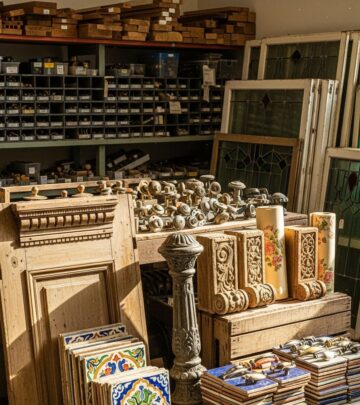
Recycled and reclaimed wood extends sustainability beyond environmental metrics into biodiversity protection. Salvaged from demolished structures, fallen trees, or manufacturing byproducts, this material prevents usable timber from entering landfills while reducing demand for fresh tree harvesting. The environmental mathematics prove compelling: every reclaimed board represents one fewer tree required for harvest.
From a construction standpoint, reclaimed wood combines lightweight properties with notable structural strength, enabling its use in both aesthetic and load-bearing applications. The material’s textured character and natural patina provide distinctive design qualities while supporting sustainable building practices—a rare combination where environmental responsibility and visual appeal align completely.
Earth-Based Solutions: Ancient Materials for Modern Problems
Compressed Earth and Natural Clay Systems
Cob represents centuries-old building wisdom refined for contemporary application. Composed of subsoil, sand, straw, and occasionally lime, cob possesses almost negligible embodied carbon while delivering proven durability across generations. Historical cob structures in the United Kingdom dating to the fifteenth century remain structurally sound, demonstrating longevity that challenges modern building material standards.
Modern research has created advanced variants like CobBauge, engineered to absorb and store thermal energy, positioning this ancient material as a viable concrete alternative for low-carbon construction projects. The material’s low manufacturing intensity—requiring no industrial processing—keeps production emissions minimal while maintaining strength and weather resistance.
Clay bricks similarly demonstrate how traditional materials support contemporary sustainability objectives. Beyond their century-spanning historical track record, modern clay bricks exhibit strong thermal insulation properties that naturally moderate interior temperatures, reducing heating and cooling demands. The material’s recyclability, low maintenance requirements, and local sourcing possibilities align with lean construction methodologies that minimize waste and transportation emissions.
Advanced Materials: Innovation at the Frontiers of Sustainable Building
Steel Recycling: Industrial Efficiency in Structural Systems
Recycled steel dominates the recycled materials landscape, with approximately 40 percent of global steel production already incorporating recycled content. Construction consumes tremendous quantities of steel in structural components, beams, columns, and reinforcement bars—making the construction sector an ideal application for recycled steel that maintains identical strength and durability characteristics to virgin material.
The sustainability mathematics prove compelling: steel structures can be almost entirely recycled with minimal waste, creating closed-loop systems where end-of-life buildings provide raw material for future construction. This circular approach substantially reduces mining demands and their associated environmental disruption.
Bio-Based Foams: Reimagining Insulation Chemistry
Plant-based polyurethane rigid foam addresses a critical construction challenge: effective insulation remains essential for building performance, yet conventional foam production relies heavily on petrochemicals with difficult disposal pathways. Biofoams created from natural fibers like bamboo and hemp offer dramatically lower carbon footprints while maintaining superior thermal resistance properties.
These innovative materials demonstrate how chemical engineering can redirect away from fossil fuel dependence toward renewable botanical sources, creating performance-equivalent solutions with substantially improved environmental profiles.
Carbon-Negative Cement Alternatives: Ferrock Innovation
Ferrock represents an emerging frontier in sustainable construction materials. Composed of waste steel dust and silica, this material exceeds concrete’s structural capabilities while delivering an extraordinary environmental advantage: it actively absorbs carbon dioxide during hardening rather than emitting it. This carbon-negative property transforms ferrock from a neutral material into an environmental asset, making it particularly valuable for large-scale structural applications.
Decision Framework: Selecting Materials for Your Project
Environmental Impact Assessment
| Material Category | Primary Environmental Benefit | Best Applications | Key Consideration |
|---|---|---|---|
| Fast-Growing Renewables | Rapid regeneration, biodegradability | Framing, structural elements, insulation | Transportation distances |
| Recycled Materials | Waste diversion, reduced extraction | Structural components, aggregates | Quality consistency |
| Earth-Based Materials | Minimal processing, thermal mass | Walls, insulation, thermal regulation | Moisture sensitivity |
| Carbon-Negative Options | Active carbon absorption | Large structural applications | Emerging technology availability |
Financial Considerations and Long-Term Value
While sustainable materials sometimes carry higher upfront costs, the financial analysis expands dramatically when examining operational lifetime. Homes constructed with high-performance sustainable materials demonstrate substantially reduced energy consumption, translating into lower heating, cooling, and electricity bills spanning decades of occupancy. Energy efficiency improvements frequently offset material cost premiums within five to ten years while providing continuous savings thereafter.
Insurance and mortgage advantages increasingly favor sustainable construction. Many lenders recognize the long-term stability of energy-efficient homes, offering competitive financing terms for green-certified construction. Additionally, sustainable homes appreciate more steadily and retain value more effectively during market fluctuations, creating enhanced resale potential.
Frequently Asked Questions About Sustainable Building Materials
How do sustainable materials perform in extreme climates?
Materials like hempcrete and earth-based compounds excel in temperature moderation, maintaining comfort in both hot and cold environments. However, moisture-sensitive materials require careful specification in humid climates. Recycled steel and ferrock perform consistently across all climatic conditions, making them universally applicable choices.
Can sustainable materials meet building codes and safety requirements?
Yes. Modern sustainable materials undergo rigorous testing and certification processes. Bamboo, precast concrete, recycled steel, and hempcrete all satisfy building codes in their respective applications. Emerging materials like ferrock are rapidly achieving code compliance as testing expands.
Are sustainable materials truly cost-effective for average homeowners?
Initial costs may exceed conventional materials by 5-15 percent depending on the specific material and local availability. However, energy savings, reduced maintenance, enhanced durability, and potential incentive programs often make sustainable choices financially superior over 20-30 year periods.
What is embodied carbon and why does it matter?
Embodied carbon represents greenhouse gas emissions generated during material extraction, manufacturing, transportation, and installation. Materials with low embodied carbon or carbon-negative properties significantly reduce a home’s overall environmental impact before occupants even move in.
Conclusion: Building the Future with Intention
The convergence of environmental necessity and technological innovation has transformed sustainable building materials from niche specialty products into practical, performance-validated construction solutions. Whether selecting rapidly renewable bamboo, carbon-negative hempcrete, efficiently manufactured precast concrete, or innovative ferrock, today’s homeowners possess unprecedented options for aligning their construction choices with environmental values.
The materials discussed represent not constraints but opportunities—allowing builders and homeowners to create structures that protect planetary resources while delivering superior durability, efficiency, and livability. As climate awareness intensifies and construction technologies advance, sustainable materials will increasingly become the standard rather than the exception, reshaping how societies build shelter for generations to come.
References
- CEMEX Ventures — CEMEX, S.A.B. de C.V. 2024. https://www.cemexventures.com/sustainable-building-materials/
- Sustainable Building Materials — University of Bath. 2024. https://www.ube.ac.uk/whats-happening/articles/sustainable-building-materials/
- Eco-Friendly Building Materials List — Babuliann Design. 2024. https://www.barbuliannodesign.com/post/eco-friendly-building-materials-list
- Sustainability and Green Building Overview — National Association of Home Builders (NAHB). 2025. https://www.nahb.org/advocacy/industry-issues/sustainability-and-green-building/sustainability-and-green-building-overview
Similar Articles








Read full bio of medha deb