10 Money Saving Tips for Eating Healthy on a Budget
Discover practical strategies to eat nutritious meals without breaking the bank.
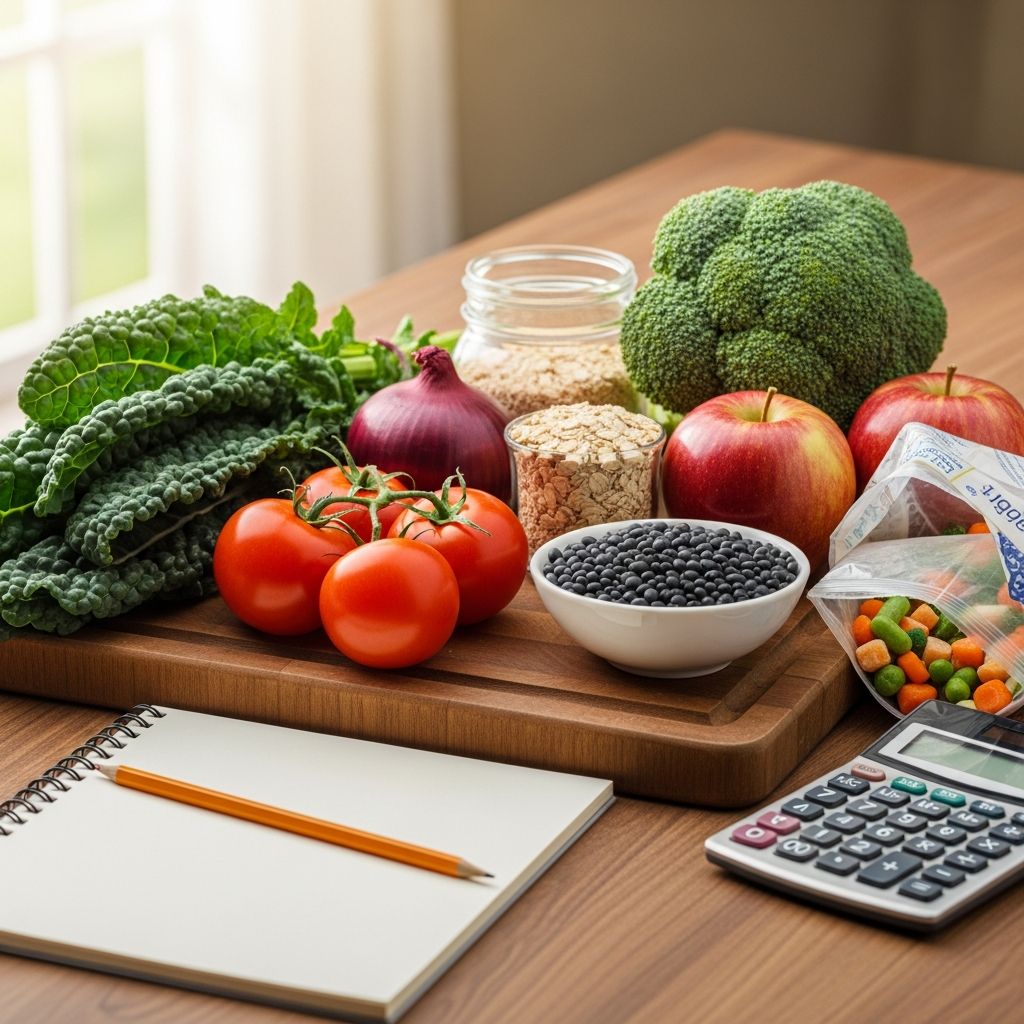
Eating healthy doesn’t have to be expensive. Whether you’re struggling to make ends meet or simply want to reduce your food expenses, it’s entirely possible to maintain a nutritious diet while keeping costs low. The key lies in strategic planning, smart shopping, and making deliberate choices about what you prepare and consume. By implementing proven money-saving techniques, you can feed yourself and your family well-balanced, wholesome meals without the hefty price tag typically associated with healthy eating.
1. Plan Your Meals in Advance
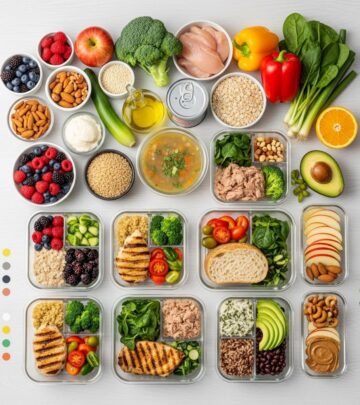
One of the most effective ways to eat healthy on a budget is to establish a structured meal planning system. Planning your menus for the week or even for the month serves multiple purposes: it keeps costs down, ensures you only purchase what you need, and prevents impulse buying of unnecessary items. When you know exactly what meals you’ll prepare, you can shop with purpose and avoid wandering the store buying foods you won’t use.
Start by identifying meals your family enjoys, then build a rotating schedule that prevents monotony while maximizing ingredient usage. By repeating certain ingredients across different meals, you stretch your budget further. For example, use the same vegetables in stir-fries one night, salads the next, and soups later in the week. This approach reduces waste and ensures ingredients stay fresh before they spoil.
2. Cook from Scratch as Much as Possible
Preparing meals from basic ingredients rather than relying on convenience foods, takeout, or pre-made products significantly reduces costs while improving nutritional quality. Cooking from scratch includes baking your own breads, making your own sauces, and preparing complete meals in your kitchen. This practice gives you control over ingredients, portion sizes, and nutritional content while eliminating the markup typically charged for processed foods.
When you cook from scratch, you avoid paying premium prices for packaging, branding, and convenience. A homemade pizza made from flour dough costs far less than delivery pizza, while providing superior nutritional value. Similarly, homemade sauces contain fewer additives and preservatives than store-bought versions, all at a fraction of the cost.
3. Buy Bulk and Use Freezing Strategically
Purchasing frozen and dried goods in bulk offers substantial savings compared to buying smaller quantities. Dried beans, rice, grains like bulgur, pasta, and other shelf-stable items cost significantly less per pound when bought in larger quantities. Additionally, frozen vegetables and fruits often cost less than fresh options while maintaining nutritional value, and they last longer, reducing food waste.
When you cook large batches, freeze portions for future meals. This strategy accomplishes several goals simultaneously: it maximizes bulk discounts, reduces cooking time on busy days, minimizes food waste, and ensures you always have healthy meals available. Dedicating one cooking session weekly to batch cooking, then freezing portions, creates a convenient, budget-friendly meal system that eliminates the temptation to purchase expensive convenience foods.
4. Embrace Plant-Based Proteins
Beans, lentils, and legumes represent some of the cheapest and most nutritious protein sources available. These foods are versatile, filling, and packed with fiber and essential nutrients. By making beans and rice a foundation of your diet, you significantly reduce food costs compared to relying heavily on meat products.
You don’t need to eliminate meat entirely, but limiting meat consumption and using smaller quantities stretched across vegetable-based dishes maintains nutrition while cutting expenses. Stir-fries exemplify this approach perfectly: add limited meat to abundant vegetables, and you create satisfying, healthy meals that stretch your budget considerably. Eggs also represent an inexpensive, nutrient-dense protein option suitable for any meal, not just breakfast.
5. Buy What’s on Sale and Shop Seasonally
Strategic shopping based on sales and seasonal availability dramatically reduces grocery expenses. Produce costs less when in season and at peak supply, while out-of-season items command premium prices. Learning to identify what’s currently affordable and planning meals around those options maintains nutrition while minimizing costs.
Build flexibility into your meal planning so you can capitalize on sales and seasonal bargains. When apples, peaches, or other fruits drop to attractive prices, stock up and freeze or preserve them. Similarly, seasonal vegetables cost significantly less, ensuring better nutritional value for each dollar spent. Discount grocery stores often provide even greater savings on both fresh and packaged items.
6. Minimize Food Waste Through Proper Planning
Wasting food wastes money. Calculate purchases carefully, considering what your household will actually consume before spoilage. Buy fresh produce once or twice weekly in quantities you’ll finish before decay. This requires honest assessment of consumption patterns and household preferences.
Composting food scraps creates an additional benefit: using compost to grow a vegetable garden reduces future grocery expenses while providing the freshest, least expensive produce available. Even a small garden or windowsill herb collection reduces costs while improving meal quality. When you grow some ingredients yourself, every dollar spent on seeds and compost returns dividends in harvested food.
7. Reduce Beverage Expenses
Eliminating expensive beverages like soda, specialty coffee drinks, and premium juices represents one of the quickest ways to reduce food expenses. These items provide minimal nutritional value while consuming significant portions of food budgets. Replacing them with water, homemade tea, and economical milk options reduces both costs and calories.
Making your own iced tea at home, drinking plenty of water, and choosing milk as your primary beverage reduces both food expenses and overall health concerns associated with excessive sugar consumption. These simple substitutions compound significantly over months and years, freeing budget resources for more nutritious whole foods.
8. Use Coupons and Take Advantage of Discount Retailers
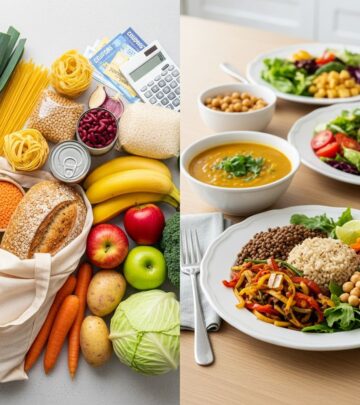
Strategic coupon use combined with shopping at discount grocery stores multiplies savings. Stores like Aldi offer consistently low prices across their inventory without requiring coupon searching. By combining strategic sales shopping with occasional coupons, you maximize purchasing power and stretch budgets further.
Compare prices at local retailers and identify which stores offer the best values for items you purchase regularly. Sometimes a single retailer provides excellent prices across most categories, while for others you might find better deals by shopping multiple stores. Track prices over time to understand seasonal variations and identify genuine bargains versus temporary sales.
9. Limit Processed Foods and Junk Food
Highly processed foods, snack foods, and junk items typically cost more per nutritional unit than whole foods. These items often contain added sugars, unhealthy fats, and unnecessary additives while providing minimal nutritional value. By minimizing processed food consumption, you improve health while reducing expenses.
Focus grocery purchases on whole foods: grains, beans, eggs, seasonal vegetables, fruits, and dairy products. These items cost less, provide superior nutrition, and satisfy hunger more effectively than processed alternatives. Building meals around whole foods automatically reduces both expenses and the temptation to purchase empty-calorie snacks.
10. Make Strategic Choices About Quantity and Variety
Eating less overall while making conscious choices about food quality represents a counterintuitive but effective budget strategy. Rather than buying inexpensive, unhealthy foods in large quantities, purchase smaller amounts of better-quality ingredients you genuinely enjoy. This approach satisfies hunger with fewer calories while reducing overall costs.
Rotate a limited number of beloved meals regularly rather than constantly seeking variety. If you love pasta with tomatoes, garlic, and red peppers, enjoy this meal multiple times weekly without fatigue. This predictability reduces decision fatigue, streamlines shopping, prevents overbuying, and allows you to become expert at preparing meals efficiently. Combine this approach with seasonal eating, and you’ll discover that variety emerges naturally throughout the year as seasonal ingredients change.
Sample Budget-Friendly Weekly Meal Plan
Understanding theory helps, but practical examples prove most useful. Here’s a realistic weekly meal plan demonstrating how to eat nutritiously on a minimal budget:
| Meal | Monday | Tuesday | Wednesday |
|---|---|---|---|
| Breakfast | Oatmeal with apples and cinnamon | Scrambled eggs with toast | Oatmeal with banana |
| Lunch | Rice and beans with salad | Pasta with tomato sauce and vegetables | Leftover rice and beans |
| Dinner | Chicken stir-fry with broccoli and carrots over rice | Bean chili with cornbread | Lentil soup with crusty bread |
Essential Budget Grocery Shopping List
Building your pantry with these basics enables countless healthy meal combinations:
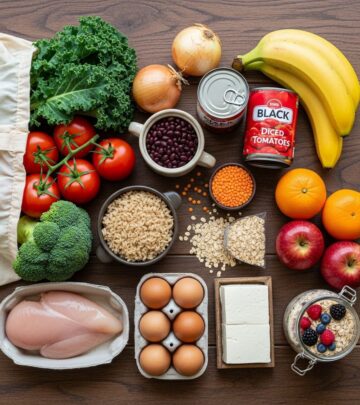
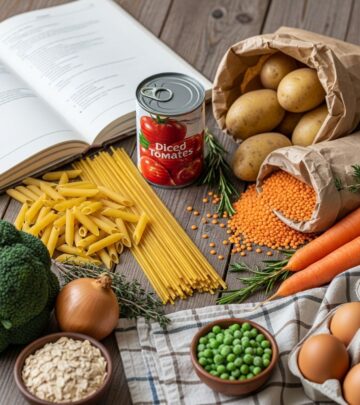
- Dry beans and lentils (black, pinto, chickpeas, lentils)
- Rice and other grains (brown rice, oats, bulgur, barley)
- Pasta in various shapes
- Canned tomatoes and tomato paste
- Eggs
- Seasonal fresh vegetables (carrots, onions, celery, peppers, leafy greens)
- Seasonal fresh fruits (apples, bananas, whatever is on sale)
- Frozen vegetables and fruits
- Whole grain bread
- Plain yogurt or milk
- Hard cheese
- Cooking oils and basic spices
- Peanut butter
- Oats and flour for baking
Key Money-Saving Strategies at a Glance
- Plan ahead: Weekly or monthly meal planning prevents impulse purchases and ensures ingredient usage
- Cook from scratch: Homemade meals cost less than convenience foods or takeout
- Buy bulk: Larger quantities of dry goods cost significantly less per unit
- Use your freezer: Batch cooking and freezing portions maximizes bulk discounts and saves time
- Choose plant proteins: Beans and legumes cost far less than meat while providing excellent nutrition
- Shop sales and seasons: Flexibility in meal planning allows you to capitalize on bargains
- Prevent waste: Careful purchasing and proper storage ensure ingredients get used
- Eliminate expensive beverages: Replace costly drinks with water and homemade tea
- Seek discount retailers: Stores offering everyday low prices reduce reliance on coupons and sales
- Embrace simplicity: Rotating beloved meals builds expertise and reduces waste
Frequently Asked Questions
Q: Can I really feed a family on $20 per week?
A: While $20 per week for a family is challenging, it is achievable through careful planning, bulk buying, shopping at discount stores, and focusing on whole foods like beans, rice, eggs, and seasonal produce. Realistic budgets depend on household size, location, and dietary preferences, but significant savings are possible with strategic approaches.
Q: Is frozen food as healthy as fresh?
A: Frozen fruits and vegetables retain nutritional value comparable to fresh options and often cost less. They’re picked at peak ripeness and frozen immediately, preserving nutrients. Frozen foods also reduce waste since they last longer, making them a smart choice for budget-conscious, health-focused shoppers.
Q: How do I prevent meal plan boredom?
A: Rotate a core set of meals you genuinely enjoy, varying vegetables and seasonings. Embrace seasonal changes, which naturally introduce different ingredients and flavors throughout the year. Remember that repetition is actually an asset for budget shopping and meal planning efficiency.
Q: Should I buy organic foods to eat healthy on a budget?
A: Organic foods typically cost more. Instead, focus on whole foods—organic or conventional—and prioritize items where pesticide residue matters most. Whole foods provide superior nutrition compared to processed options regardless of organic certification, and they cost significantly less.
Q: What’s the best discount grocery store for budget shopping?
A: Stores like Aldi offer consistently low prices without requiring coupon searching. However, the best store depends on your location and available options. Compare prices at local retailers to identify which provides the best values for items you purchase regularly.
Q: How can I add more nutrition to budget meals?
A: Build meals around whole grains, legumes, eggs, and abundant vegetables. These foods provide excellent nutrition at low cost. Adding seasonal produce when prices drop and using flavor boosters like herbs, spices, hot sauce, and vinegar creates nutritious, interesting meals within budget constraints.
Final Thoughts on Budget-Friendly Healthy Eating
Eating healthy on a limited budget requires planning, creativity, and commitment, but it’s absolutely achievable. The strategies outlined—meal planning, cooking from scratch, buying bulk, choosing plant-based proteins, and minimizing food waste—work together to dramatically reduce food expenses while improving nutrition. Success comes not from deprivation but from deliberate choices that align spending with values and priorities. Start implementing these tips gradually, allowing yourself time to adjust routines and discover which strategies work best for your household. Over weeks and months, these practices compound, transforming both your budget and your health.
References
- How to Eat Well on Just $20 a Week (With Meal Plans!) — Wise Bread. https://www.wisebread.com/how-to-eat-well-on-just-20-a-week-with-meal-plans
- Ask the Readers: How Do You Eat Healthy on a Budget? — Wise Bread. https://www.wisebread.com/ask-the-readers-how-do-you-eat-healthy-on-a-budget-chance-to-win-25
- Eating at the Intersection of Cheap and Healthy — Wise Bread. https://www.wisebread.com/eating-at-the-intersection-of-cheap-and-healthy
- 10 Things I’ve Learned From Grocery Shopping on a Budget — Wise Bread. https://www.wisebread.com/10-things-ive-learned-from-grocery-shopping-on-a-budget
Similar Articles








Read full bio of medha deb