Eating Clean On A Budget: 10-Step Meal Plan
Learn how to eat clean, plan smart meals, and save money with a simple, realistic budget-friendly meal strategy.
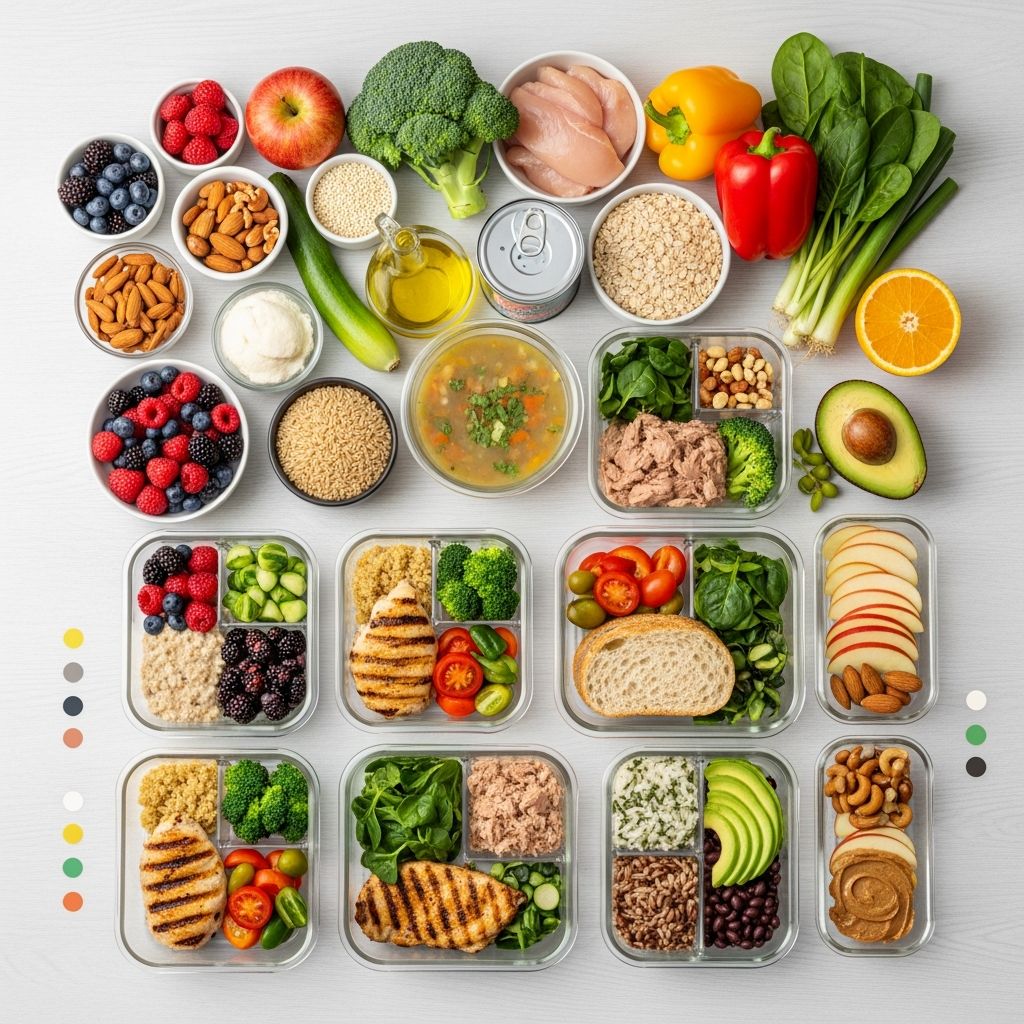
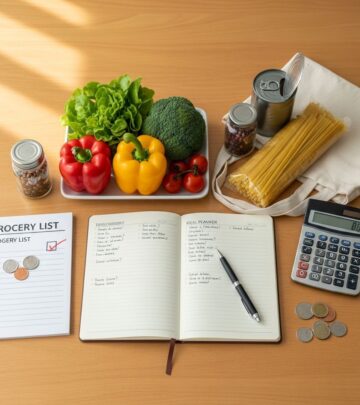
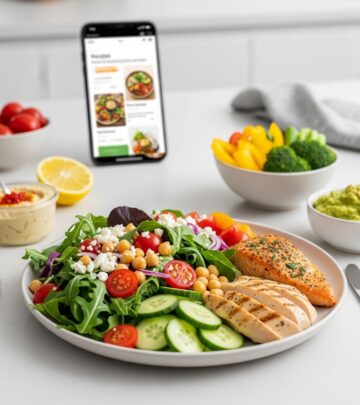
Eating healthy does not need to drain your bank account. With some planning, smart shopping, and a flexible mindset, you can build an eating clean on a budget meal plan that fits your lifestyle, supports your health, and protects your financial goals.
Research shows that well-planned home-cooked meals can improve diet quality and support better weight management, especially compared to frequent eating out or relying on ultra-processed convenience foods. At the same time, many people assume that healthy food is always more expensive. In reality, staples like beans, oats, frozen vegetables, and eggs are among the most cost-effective and nutrient-dense foods you can buy.
This guide walks you through 10 practical steps to eat clean on a budget and includes a sample weekly meal plan, grocery list ideas, and answers to common questions.
What Does “Eating Clean” Really Mean?
Before building a budget-friendly meal plan, it helps to clarify what “clean eating” means in a realistic, non-extreme way. There is no single official definition, but most experts agree that it focuses on:
- Minimally processed foods like fruits, vegetables, whole grains, legumes, nuts, seeds, eggs, and lean meats.
- Limiting ultra-processed foods high in added sugars, sodium, and unhealthy fats, such as sugary drinks, chips, candy, and many fast-food items.
- Cooking more at home so you can control ingredients, portion sizes, and preparation methods.
- Balancing meals with a mix of protein, fiber-rich carbohydrates, and healthy fats.
Clean eating is not about perfection or expensive specialty items. It is about choosing mostly wholesome foods in a way that works for your budget and schedule.
10 Steps For Eating Clean On A Budget
Use these ten steps as a framework to design your own budget-friendly clean eating routine.
1. Set a realistic food budget
Start by deciding how much you can comfortably spend on groceries each week or month. A clear number helps you plan more strategically.
- Review your recent bank or card statements to see what you typically spend on food.
- Include both groceries and eating out, then decide what you want that total to be going forward.
- Give yourself a realistic target—cutting too aggressively can backfire and lead to impulse takeout.
Once you have a number, use it as your guardrail when you plan meals and shopping trips.
2. Take inventory before you shop
One of the easiest ways to save money is to use what you already have. Many households throw away a significant amount of food, contributing to wasted money and environmental impact.
- Check your pantry, fridge, and freezer before making a list.
- Write down what needs to be used soon (e.g., wilting veggies, open cartons, leftover rice).
- Plan several meals around these items first.
This “shop your kitchen first” approach helps reduce waste and keeps your shopping list shorter.
3. Buy frozen ingredients
Frozen fruits and vegetables are often less expensive than fresh and can be just as nutritious, because they are usually frozen at peak ripeness.
- Choose plain frozen produce without added sauces, sugar, or salt.
- Use frozen vegetables in stir-fries, soups, omelets, casseroles, and sheet-pan dinners.
- Use frozen fruit for smoothies, oatmeal toppings, and simple desserts.
Buying frozen also helps you avoid spoilage and gives you flexibility when your schedule changes.
4. Choose store brands
Store-brand or generic items are often made in the same facilities as name brands but cost less. This small shift can significantly reduce your grocery bill over time.
- Try store-brand oats, beans, rice, frozen vegetables, dairy, and canned goods.
- If you are unsure, test one or two items first and compare taste and quality.
- Reserve name brands for items where you truly notice a difference and it matters to you.
5. Buy in bulk (strategically)
Buying in bulk can be economical if you choose the right items and have space to store them.
- Prioritize non-perishable staples like rice, oats, dried beans, lentils, and whole-grain pasta.
- Consider bulk nuts, seeds, and spices if you use them regularly.
- Avoid buying large quantities of items you rarely eat or that spoil quickly.
Look at the unit price on shelf labels to see the real cost per ounce or pound, not just the sticker price.
6. Plan the week ahead
Meal planning is one of the most effective ways to control food costs and improve diet quality.
- Decide how many breakfasts, lunches, dinners, and snacks you need to cover.
- Plan to cook once and use leftovers for other meals when possible.
- Keep meals simple: a protein source, a grain or starch, and at least one vegetable.
Planning ahead reduces last-minute takeout and helps you use ingredients across multiple recipes.
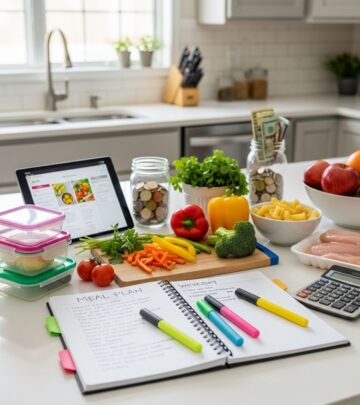
7. Build a flexible weekly meal plan
Instead of assigning a specific meal to each day, consider building a flexible rotation. This gives you structure without feeling boxed in.
- Choose 2–3 breakfast options you can rotate through.
- Pick 2–3 lunch ideas that travel well and reheat easily.
- Select 3–5 dinner recipes that share ingredients.
For example, a batch of roasted chicken can become a grain bowl one night, tacos another night, and a salad topper a third time.
8. Cook more at home
Home-cooked meals are generally less expensive and often healthier than restaurant meals or takeout.
- Start with simple recipes that use few ingredients and basic cooking methods (baking, sautéing, boiling).
- Cook larger batches of grains, beans, and proteins to use throughout the week.
- Use one-pot or sheet-pan meals to reduce cleanup and make cooking less intimidating.
Even replacing one or two restaurant meals per week with home cooking can free up money for higher-quality ingredients.
9. Use leftovers on purpose
Leftovers are a valuable tool in a budget-friendly clean eating plan. Instead of viewing them as an afterthought, plan them into your week.
- Double a dinner recipe so you have enough for lunch the next day.
- Transform leftovers into a new meal—for example:
- Roasted vegetables → grain bowl or frittata
- Cooked chicken → tacos, wraps, or soup
- Cooked beans → chili, burrito bowls, or spreads
Label containers with the date so you remember to use them while they are still fresh.
10. Be intentional with treats and extras
Eating clean on a budget does not mean never having treats; it means being intentional about them.
- Decide in advance how much of your budget will go to extras like snacks, desserts, or specialty drinks.
- Prioritize the treats you truly enjoy and skip the ones you eat mindlessly.
- Consider homemade treats (like baked oatmeal or energy bites) as a more affordable alternative to packaged sweets.
Sample Eating Clean On A Budget Weekly Meal Plan
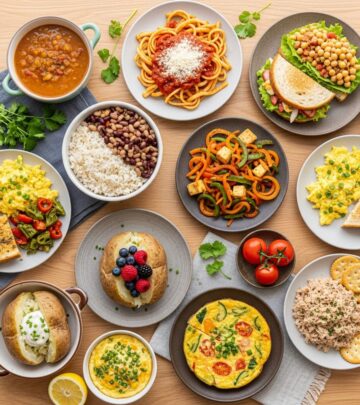
The following sample plan illustrates how you might put these steps into practice. Adjust portions and ingredients based on your household size, dietary needs, and local prices.
| Meal | Ideas (Budget-Friendly & Clean) |
|---|---|
| Breakfast |
|
| Lunch |
|
| Dinner |
|
| Snacks |
|
Budget-Friendly Clean Eating Grocery List Ideas
This list focuses on affordable, versatile, and nutritious items you can mix and match throughout the week.
Pantry staples
- Rolled oats
- Brown rice or other whole grains (quinoa, barley, whole wheat couscous)
- Dry or canned beans (black beans, chickpeas, lentils)
- Canned tomatoes and tomato sauce (no added sugar if possible)
- Whole-grain pasta
- Peanut butter or other nut butters
- Cooking oil (e.g., canola or olive oil)
- Basic spices (salt, pepper, garlic powder, paprika, cumin)
Fridge items
- Eggs
- Plain yogurt (regular or Greek)
- Carrots, cabbage, or other long-lasting vegetables
- Seasonal fruit (apples, oranges, bananas, etc.)
- Milk or plant-based milk (unsweetened)
Freezer items
- Frozen mixed vegetables
- Frozen spinach or kale
- Frozen berries
- Frozen chicken, fish, or tofu (if affordable for your budget)
Money-Saving Tips While Eating Clean
Beyond your meal plan, a few simple habits can help you stick to both your health goals and your budget.
- Shop with a list: Base it on your meal plan and inventory. Avoid adding impulse items.
- Compare prices: Check unit prices and consider different stores or markets.
- Lean on simple recipes: The fewer ingredients, the easier it is to control costs.
- Limit drinks: Water, homemade coffee, and tea are cheaper and often healthier than sugary beverages.
- Batch cook & freeze: Prepare large portions and freeze extra meals for busy days.
Frequently Asked Questions (FAQs)
Q: Is it really possible to eat clean on a very tight budget?
Yes. Focusing on affordable staples like oats, beans, lentils, rice, eggs, and frozen vegetables can keep costs low while still providing important nutrients. The key is planning, minimizing waste, and cooking at home as often as you can.
Q: Do I need to buy organic to eat clean?
No. Clean eating is about emphasizing minimally processed, nutrient-dense foods. Conventional fruits, vegetables, and whole grains are still very beneficial for health. If your budget is limited, prioritize eating more produce overall rather than only buying organic.
Q: How can I save time and still cook at home?
Choose quick recipes, batch cook once or twice a week, and use time-savers like frozen vegetables and pre-cooked grains. One-pot dishes, sheet-pan meals, and slow cooker recipes require minimal hands-on time.
Q: What if my family is picky?
Start with familiar flavors and make small tweaks—use whole-grain pasta instead of regular, add vegetables to dishes they already like, or offer fruits as dessert. Involve family members in choosing meals and prepping ingredients to increase buy-in.
Q: How do I avoid getting bored with the same meals?
Use the same budget-friendly base foods (like beans, rice, or chicken) but change the seasonings and sides. For example, turn beans into chili one night, tacos another night, and a grain bowl later in the week. Simple flavor changes can make meals feel new without increasing costs.
References
- Health and Economic Implications of U.S. Households’ Food Spending Patterns — U.S. Department of Agriculture, Economic Research Service. 2018-11-01. https://www.ers.usda.gov/amber-waves/2018/november/health-and-economic-implications-of-u-s-households-food-spending-patterns/
- Frequency of eating out at both fast-food and sit-down restaurants was associated with high body mass index and poor diet quality in non-large metro adults — An R, Fast Food & Nutrients Study, International Journal of Environmental Research and Public Health. 2011-10-20. https://www.ncbi.nlm.nih.gov/pmc/articles/PMC3222519/
- Healthy Eating on a Budget — U.S. Department of Agriculture, MyPlate. 2023-05-10. https://www.myplate.gov/eat-healthy/healthy-eating-budget
- Dietary Guidelines for Americans, 2020–2025 — U.S. Department of Agriculture and U.S. Department of Health and Human Services. 2020-12-29. https://www.dietaryguidelines.gov/
Similar Articles








Read full bio of medha deb