Cheap Healthy Meals On $4 A Day: 7 Budget Tips
Discover smart tips and recipes to eat healthy on a $4/day budget with Leanne Brown's free cookbook.
By Susan Shain, Senior Writer
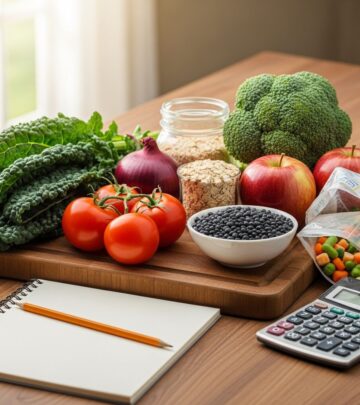
Eating healthy doesn’t have to break the bank, even on a food stamp budget. Leanne Brown’s “Good and Cheap: Eating on $4/Day” cookbook offers a free downloadable guide packed with practical recipes and money-saving strategies designed for real life.
During tough financial times, many turn to cheap processed foods or takeout, believing home cooking is too expensive or time-consuming. But as Brown proves, the opposite is true: cooking at home slashes costs and boosts nutrition. Her book, originally a thesis project, targets those with about $4 daily for food—the average SNAP benefit—and shows how to make every dollar count.
Why “Good and Cheap” Changes the Game
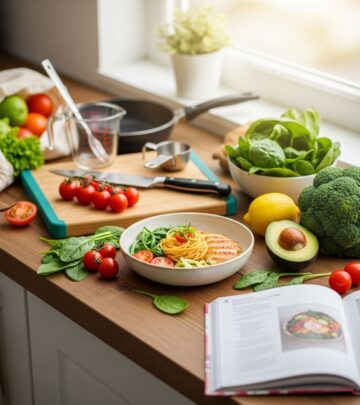
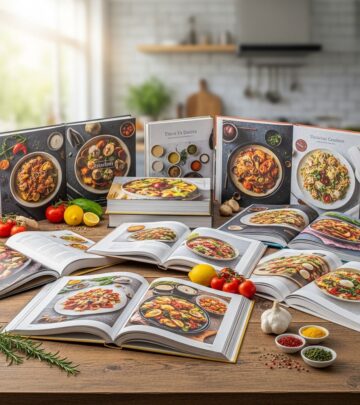
Brown’s approach demystifies budget cooking. She emphasizes simple, versatile ingredients that deliver flavor without fancy tools or skills. The free PDF is available on her site, featuring colorful photos, step-by-step recipes, and tips anyone can follow. No more relying on $5 subs or canned pasta—Brown’s meals are fresh, satisfying, and wallet-friendly.
Key to her philosophy: small changes lead to big savings. Whether you’re feeding a family or cooking solo, these habits build sustainable routines. Brown shared her top insights in an interview, covering everything from starting slow to smart shopping.
1. Start Slowly: Build Habits Without Burnout
Transforming your diet overnight leads to failure. Brown advises easing in: “Don’t expect to go from rarely cooking to three meals a day.” Begin with three new recipes a week to gain confidence.
- Test simple dishes like yogurt parfaits or bean salads.
- Track what works and adjust gradually.
- Celebrate small wins to stay motivated.
For kitchen gear, prioritize essentials. Start with a knife, cutting board, and pot—add others as needed. This keeps startup costs low, often under $20 initially.
2. Meal Planning: Your Blueprint for Savings
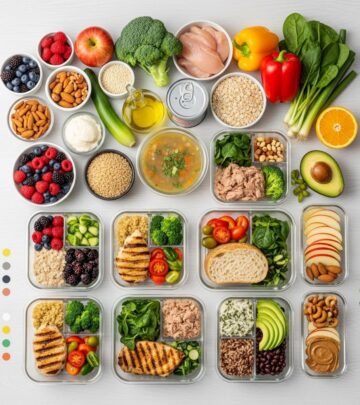
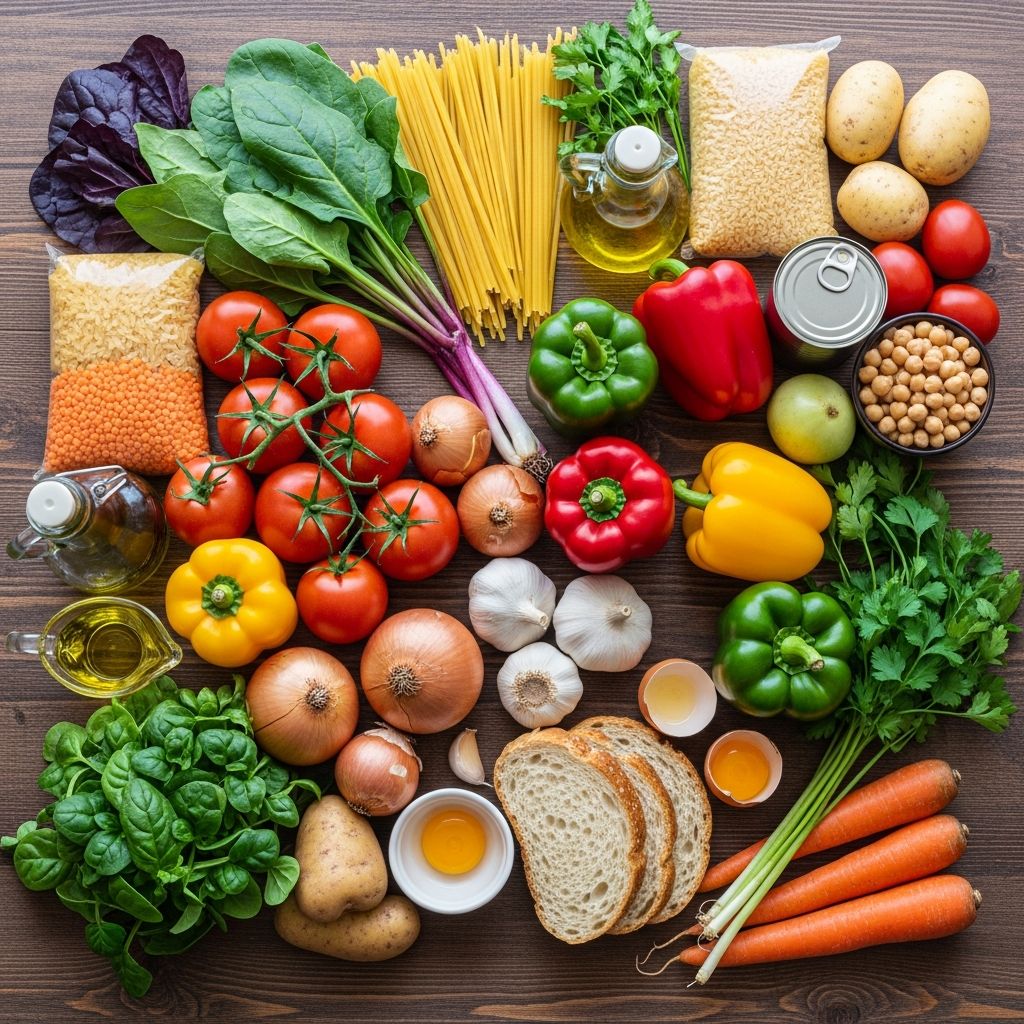
Meal planning prevents impulse buys and waste. Calculate weekly needs: for one person, that’s 21 meals minus any eaten out. Families multiply per person.
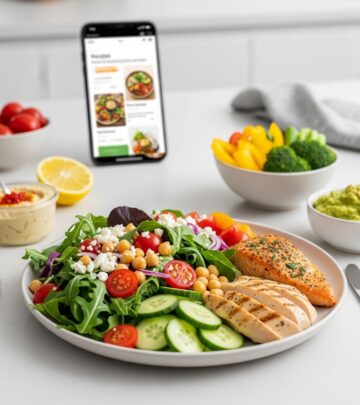
Use apps like $5 Meal Plan for weekly menus, including breakfasts, lunches, and dinners under budget. It even offers gluten-free options.
| Meal Type | Example Plan | Cost Savings Tip |
|---|---|---|
| Breakfast | Oatmeal with fruit | Buy oats in bulk |
| Lunch | Bean wraps | Prep night before |
| Dinner | Vegetable stir-fry | Use seasonal veggies |
Stick to your list at the store. Learn sales cycles to stock up smartly, freezing extras for later. U.S. households waste 32% of food, costing $240 billion yearly—planning cuts this dramatically.
3. Buy Produce on Purpose: Minimize Waste
Food waste makes produce seem pricey. Brown recommends buying only what you’ll use: “Have a purpose for every item.” Empty your crisper before restocking to save $10–$20 weekly.
- Plan recipes around weekly specials.
- Freeze extras like berries or herbs.
- Use veggie scraps for stocks.
This habit alone transforms grocery budgets, turning potential trash into treasure.
4. Choose Ingredients With Multiple Uses
Avoid single-use buys. Opt for versatile staples like plain yogurt: flavor for breakfast, use in sauces, baking, or marinades.
Multi-use winners:
- Cabbage: Salads, stir-fries, soups.
- Eggs: Boiled, scrambled, baked goods.
- Beans: Salads, dips, chilis.
- Rice: Sides, bowls, puddings.
These stretch dollars across meals, maximizing nutrition per penny.
5. Shop Seasonally: Fresh and Affordable
Seasonal produce costs less and tastes better. Use interactive guides by state to find peaks—apples in fall, tomatoes in summer.
This variety ensures diverse nutrients: winter roots like carrots, summer berries. Brown’s tip: let availability dictate your menu for natural rotation.
6. Opt for Canned or Frozen Produce
Off-season? Head to frozen or canned aisles. “Frozen is great value and quality,” says Brown. Canned tomatoes beat out-of-season fresh ones.
- Frozen spinach for smoothies or casseroles.
- Canned beans for instant protein.
- Frozen berries cheaper than fresh imports.
These retain nutrients and cut prep time, perfect for busy budgets.
7. Advanced Tips: Stretch Every Meal
Combine strategies for mastery:
- Batch cook: Make big pots of soup or chili, freeze portions.
- Slow cooker hacks: Prep mornings, eat evenings without effort.
- Emergency freezer stash: Burritos or casseroles beat takeout.
- Variety rule: Rotate lunches/dinners to avoid boredom.
Recent guidelines echo this: prioritize protein, fats from whole foods over ultra-processed junk.
Sample Weekly Meal Plan on $28
| Day | Breakfast | Lunch | Dinner |
|---|---|---|---|
| Monday | Yogurt with banana | Bean salad | Tomato lentil soup |
| Tuesday | Oatmeal | Peanut butter wrap | Cabbage stir-fry |
| Wednesday | Eggs | Leftovers | Frozen veggie curry |
| Thursday | Yogurt | Rice bowl | Bean chili |
| Friday | Oatmeal | Soup | Stuffed peppers |
| Saturday | Eggs | Wrap | Seasonal veggie medley |
| Sunday | Yogurt | Leftovers | Freezer meal |
This plan uses multi-purpose ingredients, seasonal buys, and leftovers for zero waste.
Frequently Asked Questions (FAQs)
Q: Is “Good and Cheap” really free?
A: Yes, download the PDF from Leanne Brown’s site at no cost—perfect for tight budgets.
Q: Can I eat healthy on $4/day?
A: Absolutely. Focus on beans, grains, seasonal produce, and frozen/canned options for balanced nutrition.
Q: How do I avoid food waste?
A: Plan meals, buy with purpose, use leftovers, and freeze extras. Empty your fridge before shopping.
Q: What’s the best starter recipe?
A: Try yogurt-based sauces or simple bean dishes—they’re versatile and cheap.
Q: Does meal planning save time?
A: Yes, batch prepping and slow cookers make weeknights easy while cutting costs.
Final Thoughts on Budget Eating
Leanne Brown’s wisdom proves healthy eating is accessible. Start small, plan smart, and shop wisely—you’ll eat better for less. Download “Good and Cheap” today and transform your plate.
References
- Eat Well for Less: Cheap Healthy Meals on $4 a Day — The Penny Hoarder. 2023. https://www.thepennyhoarder.com/save-money/eat-well-for-less-good-and-cheap/
- How to Start Meal Planning to Save Money — The Penny Hoarder / U.S. Bureau of Labor Statistics. 2023. https://www.thepennyhoarder.com/save-money/how-to-start-meal-planning/
- New US dietary guidelines recommend more protein and whole milk — U.S. Dietary Guidelines Advisory Committee / NH Register. 2025-01-01. https://www.nhregister.com/news/article/i-served-on-the-expert-committee-that-advised-the-21284410.php
Similar Articles








Read full bio of medha deb