Farmers Market: 9 Smart Ways To Save Money On Groceries
Discover 9 proven strategies to slash your grocery bill by smart shopping at farmers markets for fresh, seasonal produce.
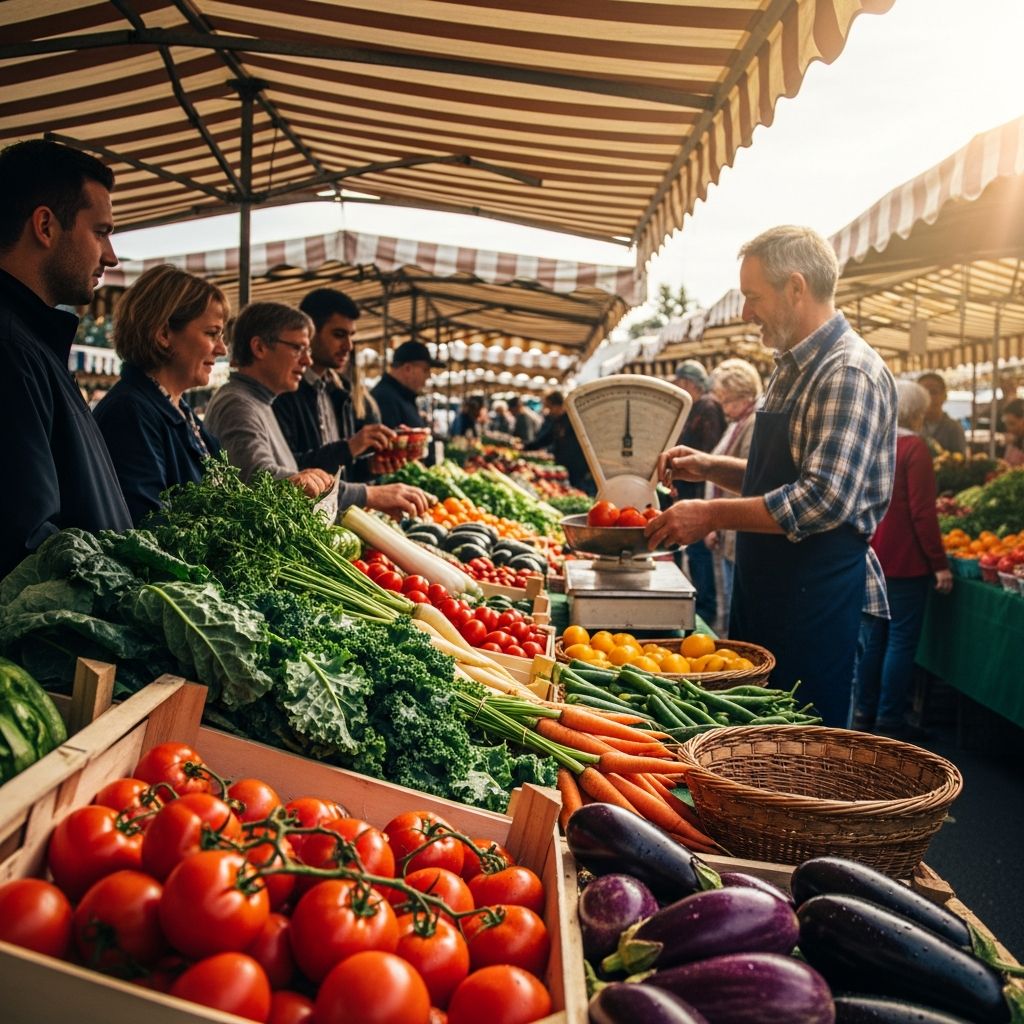
It’s a common misconception that eating locally grown and produced food means spending more on groceries. In reality, farmers markets offer some of the best deals on fresh produce if you know how to shop smart. By focusing on seasonal items, building relationships with vendors, and timing your visits right, you can cut your food budget while enjoying superior flavor and nutrition. This guide outlines
9 essential ways
to maximize savings at your local farmers market, drawing from expert advice and real shopper experiences.1. Ditch Your List
Walking into a farmers market with a rigid shopping list can limit your ability to score the best deals. Instead, embrace flexibility and let the market’s offerings guide your purchases. Vendors often highlight daily specials or overstocked items at reduced prices. By ditching preconceived notions, you open yourself up to impulse buys that are actually bargains, like a surplus of ripe berries or just-harvested greens. This approach not only saves money but also encourages spontaneous healthy eating.
Pro shoppers recommend arriving with a loose budget in mind rather than specific items. Survey the entire market first, noting prices and specials across vendors. This reconnaissance allows you to compare and pounce on the lowest prices without overcommitting early.
2. Shop What’s In Season
The cornerstone of saving at farmers markets is
buying seasonal produce
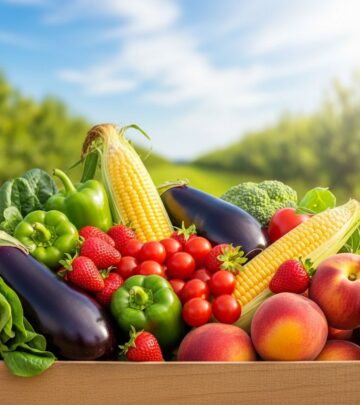
. Items at their peak ripeness are abundant, which drives prices down. For instance, summer corn, fall apples, or spring strawberries taste best and cost least when locally grown in season. Out-of-season produce is pricier due to scarcity or importation.Agricultural products are more expensive early or late in the season, but at peak, competition among vendors lowers prices. Resources like the Natural Resources Defense Council’s seasonal produce guide by state and month help you plan ahead. In-season items are also more nutritious, retaining higher vitamin levels compared to shipped alternatives.
3. Choose Seconds
“Seconds” or “B-grade” produce are the hidden gems of farmers markets. These are fruits and vegetables with cosmetic imperfections – bruises, odd shapes, or smaller sizes – that don’t meet grocery store beauty standards. They taste and nourish just as well as perfect specimens but sell at a steep discount, often 30-50% off.
Ask vendors directly for seconds; many don’t advertise them to avoid signaling lower quality. Stock up on these for sauces, pies, or freezing – their flavor shines in cooked dishes. Savvy shoppers report saving hundreds annually by embracing imperfect produce.
4. Buy in Bulk
Purchasing larger quantities often unlocks bulk discounts, especially for seconds or abundant seasonal items. Vendors prefer selling volume to minimize transport back home. Coordinate with friends or family for collaborative buys – split a bushel of tomatoes or peaches to keep costs per person low.
Calculate savings: A $20 bulk bag might yield $40 worth of produce. Preserve extras through freezing, canning, or pickling to extend value year-round. This strategy maximizes freshness while padding your pantry affordably.
5. Go Late in the Day
The final 30 minutes before closing is prime time for deals. Vendors hate hauling unsold goods home, where they might spoil. Expect 20-50% markdowns on remaining stock. Regular late shoppers build rapport, turning one-off deals into ongoing perks.
Approach respectfully: Say, “I see you have extras left; what can you do for $20?” This mutual benefit mindset yields generous portions. Note: Selection thins out, so combine with early reconnaissance.
6. Build Relationships
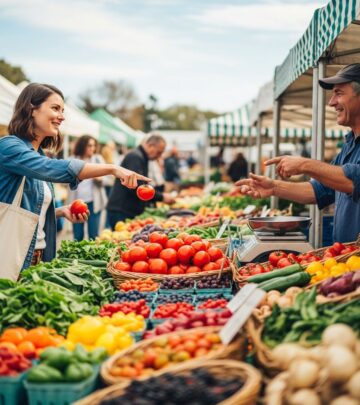
Personal connections with vendors pay dividends. Chat about their farm, recipes, or products to foster trust. Loyal customers often get first dibs on specials, “need to sell quickly” produce at discounts, or even bartering opportunities.
Start small: Return reusable crates or trays to build goodwill. Once established, trade non-perishables like cleaning supplies for veggies. Relationships enhance the experience beyond savings, creating a community feel.
7. Go Regardless of the Weather
Bad weather – rain, heat, or cold – deters crowds, empowering you to negotiate. Vendors offer steep discounts to move inventory before spoilage. Brave “weather warriors” snag perks like free add-ons.
Markets run rain or shine, so check schedules. Fewer people mean more vendor time for chats, strengthening bonds. Umbrella in hand, turn soggy days into savings bonanzas.
8. Bring Cash and Change
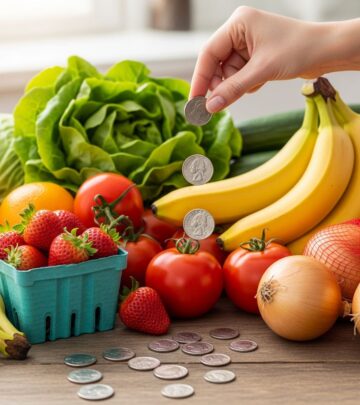
Most vendors prefer cash, avoiding card fees. Small bills and coins facilitate exact change, opening doors to haggling or rounding down. It also helps you stick to budget – no overspending on plastic.
Cash culture encourages mindful buying. Some markets now accept cards or SNAP/EBT, but cash remains king for flexibility.
9. Consider a CSA Share
Community Supported Agriculture (CSA) programs let you buy seasonal shares upfront for weekly pickups. Average $30/week yields bountiful produce, often cheaper than retail equivalents. Half-shares suit smaller households.
CSAs lock in savings and variety, supporting farmers directly. Directories help find local options matching your needs.
Beyond Savings: The Bigger Benefits of Farmers Markets
Farmers markets transcend bargains; they bolster communities and health. Buying local sustains small farms, creates jobs, and cuts food miles, shrinking your carbon footprint.
Markets host events, workshops, and SNAP-friendly initiatives, promoting togetherness and access. Prioritizing whole foods fosters healthier eating, potentially lowering long-term healthcare costs.
Other Tips to Maximize Your Experience
- Research Clean 15/Dirty Dozen: Prioritize organic for high-pesticide items (Dirty Dozen) via EWG guides.
- Preserve Purchases: Freeze, can, or dry to extend shelf life.
- Reusable Containers: Return egg crates/berry trays for goodwill discounts.
Frequently Asked Questions (FAQs)
Q: Are farmers markets always cheaper than grocery stores?
A: Not always item-for-item, but seasonal peaks and strategies like seconds make them far more affordable overall, especially for fresh produce.
Q: How do I find seconds without asking awkwardly?
A: Politely inquire, “Do you have any seconds or discounted produce today?” Vendors appreciate directness and often have them ready.
Q: What’s the best time to haggle?
A: Late in the day or bad weather; build rapport first for best results.
Q: Can I use EBT/SNAP at farmers markets?
A: Many do, often with matching incentives doubling benefits. Check Local Food Hub directories.
Q: How do CSAs work for beginners?
A: Pay upfront for a season’s share; pick up weekly. Start with half-shares to test.
References
- USDA Agricultural Marketing Service: Farmers Markets and Direct-to-Consumer Marketing — U.S. Department of Agriculture. 2024-10-15. https://www.ams.usda.gov/services/local-regional/food-markets
- NRDC Eat Local Guide: Seasonal Produce by State — Natural Resources Defense Council. 2025-03-20. https://www.nrdc.org/stories/whats-season-your-state
- EWG Shopper’s Guide to Pesticides in Produce — Environmental Working Group. 2025-06-12. https://www.ewg.org/foodnews/summary.php
- Farmers Market SNAP/EBT Incentives Report — USDA Food and Nutrition Service. 2024-11-05. https://www.fns.usda.gov/snap/farmers-markets
- Local Food Marketing Practices Survey — USDA National Agricultural Statistics Service. 2023-07-18. https://www.nass.usda.gov/Surveys/Guide_to_NASS_Surveys/Local_Food/
Similar Articles








Read full bio of Sneha Tete