22 Ways to Eat Cheap & Save Money While Traveling
Master budget-friendly eating strategies to maximize savings on your next vacation trip.
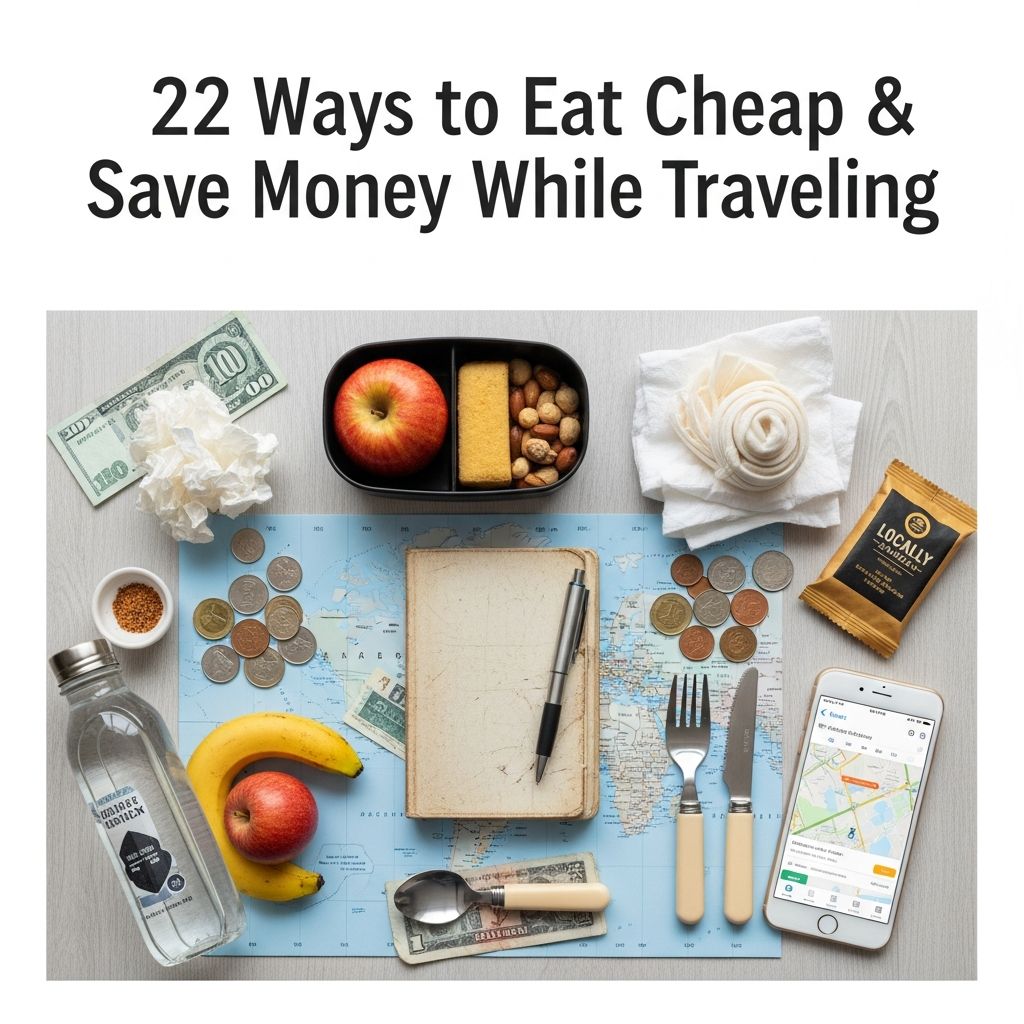
22 Ways to Eat Cheap & Save Money While Traveling on Vacation
Food represents one of the most substantial expenses during vacation and business travel, often consuming a significant portion of your travel budget. Whether you’re traveling solo, with a partner, or with a larger group, the cost of meals can quickly escalate, leaving less money for experiences and attractions that truly matter. However, with strategic planning and smart choices, you can dramatically reduce your food expenses without sacrificing quality or enjoyment. The key is understanding where to find affordable meals, how to leverage accommodations wisely, and which timing strategies work best for eating out. This comprehensive guide explores 22 practical strategies to help you eat well on the road while keeping your wallet comfortably full.
Accommodation-Based Strategies
1. Look for Accommodations With Kitchen Access
One of the most effective ways to control food costs while traveling is selecting lodging with kitchen facilities. While a hotel minifridge doesn’t truly count as a kitchen, renting through platforms like Airbnb or Vrbo often provides full kitchen access in well-reviewed properties. Although you might pay a premium for kitchen-equipped rentals compared to standard hotel rooms, the savings you’ll realize on meals typically justify this additional expense.
A functional kitchen enables you to prepare full, healthy meals using ingredients purchased at local grocery stores, dramatically reducing per-meal costs. For larger traveling groups, communal meal preparation becomes a budget multiplier—a family reunion or bachelor party group could save $20 to $30 per person daily. Beyond food savings, kitchen rentals offer additional advantages: the ability to do laundry reduces your need for checked baggage, and you can pack light to minimize airline fees.
2. Maximize Free Breakfast Offerings
If your accommodation includes complimentary breakfast, take full advantage of this included amenity. Free breakfast, coffee, tea, and snacks provide zero-cost nutrition that shouldn’t be left on the table. However, assess honestly whether the breakfast quality justifies your stay—if you suspect it will be subpar, negotiate a lower room rate by declining the breakfast option. Some accommodations allow you to decline included meals for rate reductions, giving you flexibility to eat elsewhere if preferred.
3. Request Minifridges When Needed
Even at hotels without standard refrigeration, you can often request a minifridge be brought to your room at little or no additional cost. This enables you to store affordable breakfast items like cereal, yogurt, and sandwich ingredients, allowing you to control meal costs even without full kitchen facilities. Stocking a minifridge takes only an hour or two of shopping upon arrival but yields significant savings across your entire stay.
Strategic Dining Out Approaches
4. Avoid Airport Meals
Airport dining represents one of travel’s greatest budgeting pitfalls. Whether you seek upscale restaurants, grab-and-go options, or casual fare, airport prices consistently exceed outside pricing by 30% to 50% or more. The best strategy is arriving at the airport fed and satisfied. If facing extended layovers, bring substantial snacks or meals from home, or eat before arriving at the terminal. Many airports now offer better options than previously, but premium pricing remains standard across the board.
5. Eat at Lunch or Brunch, Not Dinner
Pound for pound, lunch and brunch consistently cost less than dinner at the same establishments. Limit sit-down restaurant experiences to one per day and schedule them during midday hours. You’ll pay less for identical appetizers and entrées, often receiving slightly smaller portions. Restaurants more frequently offer prix-fixe menus and daily specials during lunch, particularly on weekdays. If you lack dinner cooking facilities, visit your local supermarket’s prepared foods section, try food trucks, or choose fast-casual options that provide affordability.
6. Choose Unassuming Local Eateries
The best travel meals often come from humble sources: family-style restaurants, local cafeterias, and food carts. These establishments typically offer per-calorie discounts of 25% to 50% compared to tourist-oriented restaurants, while often serving higher-quality food. The secret to affordable dining is acting less like a tourist and more like a local. Seek establishments in less prestigious neighborhoods where lower rents translate to lower menu prices. Digital directories like Yelp and Zomato help identify these hidden gems that shine through reviews and ratings despite lower visibility.
7. Explore Food Truck Options
Major metropolitan areas now host a growing ecosystem of food trucks serving diverse cuisines at budget-friendly prices. Many cities enable you to eat at different food trucks daily without exhausting available options. Food trucks represent an excellent middle ground between street food and sit-down restaurants, offering quality meals at accessible price points. Investigate food truck schedules and locations before or during your trip to identify convenient options aligned with your dining preferences.
Timing and Advance Planning Tactics
8. Use Local Coupons and Digital Deals
Before arriving at your destination, search for daily deals and social coupons at restaurants you’re considering. Groupon and similar platforms frequently offer discounts of 40% to 50% depending on vendor generosity. Restaurant.com provides industry-specific coupons, though experiences vary—always call ahead to confirm redemption policies. Digital coupon hunting requires minimal effort but yields substantial savings when you find valuable deals at quality establishments.
9. Check Local Tourism Bureau Resources
Local tourism bureaus often maintain information about restaurants offering unadvertised specials to tourists or visitors. These insider tips can connect you with quality establishments providing value that isn’t obvious through standard searches. Tourism websites frequently highlight neighborhood recommendations and dining guides developed specifically for budget-conscious visitors.
10. Time Food-Related Activities Strategically
If planning foodie walks, cooking classes, brewery tours, or similar experiences that include meals or snacks, schedule them strategically to complement your other dining plans. Timing these activities correctly prevents food waste and ensures you don’t spoil your appetite for a sought-after restaurant reservation. You can enjoy special culinary experiences while maintaining budget discipline through thoughtful scheduling.
Smart Shopping and Preparation Strategies
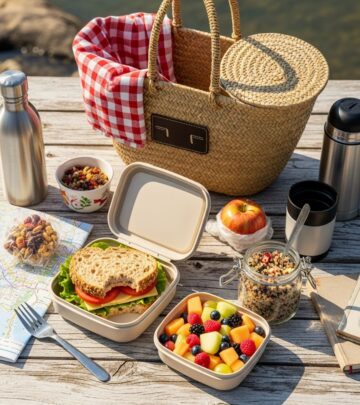
11. Make Your Own Snacks and Lunches
Even the most budget-conscious travelers often neglect to plan portable sustenance, causing food costs to spiral rapidly. When lacking access to your home refrigerator and pantry, expenses mount quickly. If staying in accommodations with minifridges, purchase affordable items like cereal, trail mix, and sandwich supplies. Packing picnic lunches or dinners costs substantially less than every meal purchased outside, while offering fresher, often healthier options than restaurant meals.
12. Shop at Local Supermarkets
Regardless of whether you can cook at your accommodation, supermarkets offer affordable options for breakfast, lunch, and dinner. Prepared foods sections provide ready-to-eat meals avoiding restaurant markups. European markets often sell affordable fresh bread, cheese, and other staples making excellent informal dinners. Many supermarkets maintain rotating specials on ready-made items, rewarding exploration and flexibility with bargain discoveries.
13. Visit Bakeries at Strategic Times
Bakeries near closing time offer fire sales on day-old goods, while early morning visits reveal discounted yesterday’s bread and pastries. Similarly, pizzerias and other establishments selling “display” foods that cannot be kept overnight often slash prices near closing time. Understanding business cycles at food establishments enables you to access quality meals at substantial discounts simply by timing your visits correctly.
Budget-Conscious Dining Mix
14. Balance High and Low-Cost Restaurants
You don’t need to choose between fine dining and forgoing local cuisine. Create a balanced dining mix incorporating higher-end restaurants for special occasions with numerous affordable, no-frills options for regular meals. Where you live, you balance fancy restaurants for rare occasions with regular affordable favorites—apply the same principle while traveling. Planning for this mix prevents budget ruptures while ensuring memorable dining experiences.
15. Prioritize Quality Over Prestige
The best food doesn’t necessarily come from prestigious, expensive restaurants. Often, the most memorable meals come from simple establishments that locals frequent. By shifting your focus from famous, expensive venues to quality neighborhood restaurants, you maintain exceptional food experiences at manageable prices. This approach often proves more authentic and satisfying than tourist-oriented dining anyway.
Additional Money-Saving Strategies
16. Leverage Travel Rewards and Hotel Programs
Existing travel rewards programs, hotel loyalty memberships, and credit card benefits often include dining credits or discounts. Review your memberships before traveling to identify applicable benefits you can leverage. These programs frequently offer restaurant partnerships or credits that reduce dining costs without additional effort.
17. Negotiate Package Deals
When booking accommodations, inquire whether package rates including meals or dining credits are available. Some properties offer better value through bundled offerings than room-only rates. Always ask about available packages and compare total costs rather than room rates alone.
18. Seek Social Media Restaurant Promotions
Many restaurants advertise limited-time promotions through social media channels before traveling. Follow destination restaurants on Facebook, Instagram, or Twitter to discover flash sales, happy hour extensions, or special visitor offers. Social media often provides the most current promotional information.
19. Embrace Street Food and Market Culture
Local food markets and street vendors typically offer the most affordable, authentic meals at destinations. Beyond budget benefits, street food experiences connect you directly with local food culture. These casual meals often prove more memorable than formal restaurant experiences while costing a fraction of the price.
20. Plan for Grocery Shopping Upon Arrival
Dedicate an hour or two upon arrival to local grocery shopping if kitchen facilities are available. Immediate shopping, before hunger clouds judgment, enables you to make thoughtful choices and stock essentials. This advance planning prevents expensive convenience purchases and emergency restaurant visits later.
21. Use Cashback and Dining Apps
Dining apps offering cashback rewards, points, or discounts can accumulate meaningful savings across multiple meals. Apps like Ibotta, Rakuten, or restaurant-specific programs provide incremental savings on eligible purchases. These programs require minimal effort while generating tangible returns.
22. Consider Meal Subscription or Membership Services
If staying extended periods, local meal-prep services or dining clubs may offer membership discounts. Some destinations feature dining guides or membership programs providing discounts at participating restaurants. Investigate whether your destination supports these options before traveling.
Frequently Asked Questions (FAQs)
Q: How much can I realistically save by preparing meals with kitchen access?
A: Savings typically range from 50% to 70% compared to restaurant dining. A family preparing communal meals can save $20–$30 per person daily, depending on shopping efficiency and restaurant prices avoided.
Q: Are budget meals while traveling nutritionally adequate?
A: Yes. Strategic shopping at supermarkets and local markets provides fresh vegetables, proteins, and grains for balanced meals. Budget dining doesn’t require sacrificing nutrition—only strategic choices about venues and preparation.
Q: Should I always decline hotel breakfast for cheaper rates?
A: Evaluate quality realistically. If breakfast quality meets your standards, the included value usually exceeds negotiable rate reductions. Only decline if you genuinely doubt you’ll use it or strongly prefer local breakfast alternatives.
Q: How do I find authentic local restaurants as a visitor?
A: Use platforms like Yelp and Zomato filtered by local reviews. Ask hotel staff, check food truck social media, and venture into non-touristy neighborhoods. Locals eating at establishments is your best quality indicator.
Q: What’s the best strategy for maintaining dining enjoyment while budgeting?
A: Balance high-end meals for special occasions (scheduled at lunch for price reduction) with frequent affordable meals at local establishments. This approach maintains memorable experiences while preserving budget discipline.
Final Word
Traveling frequently doesn’t require accepting high food costs as inevitable. By implementing these 22 strategies—from selecting kitchen-equipped accommodations to timing meals strategically and leveraging digital coupons—you can dramatically reduce food expenses without compromising quality or enjoyment. The most successful traveling eaters develop dual systems: street food abundance for flying vacations and smart snacking combined with selective dining for driving trips. The common thread across successful approaches is intentional planning, willingness to explore local options, and understanding that authenticity and affordability often align. Whether traveling monthly or annually, applying even half these strategies will result in substantial savings funneled toward experiences, attractions, and other travel priorities. Your vacation memories shouldn’t depend on restaurant prices—they should depend on experiences, people, and places. These strategies ensure your food budget supports rather than sabotages your travel goals.
References
- 22 Ways to Eat Cheap & Save on Food While Traveling on Vacation — Money Crashers. 2025. https://www.moneycrashers.com/eat-cheap-traveling-vacation/
- 7 Tips to Eat Well on Vacation Without Breaking the Bank — Synchrony. 2025. https://www.synchrony.com/blog/banking/tips-to-eat-vacation-without-breaking-bank
- How to eat cheap on vacation — Discover. 2025. https://www.discover.com/online-banking/banking-topics/how-to-eat-cheap-on-vacation/
- Spring Break on a Budget – 12 Trip Ideas & Tips for a Cheap Vacation — Money Crashers. 2025. https://www.moneycrashers.com/spring-break-budget-ideas-tips-cheap-vacation/
Similar Articles








Read full bio of medha deb