20 Easy One-Pot Meals To Save Time And Money
Discover easy one-pot meals that cut cleanup time, stretch your grocery budget, and keep your family eating well on busy nights.
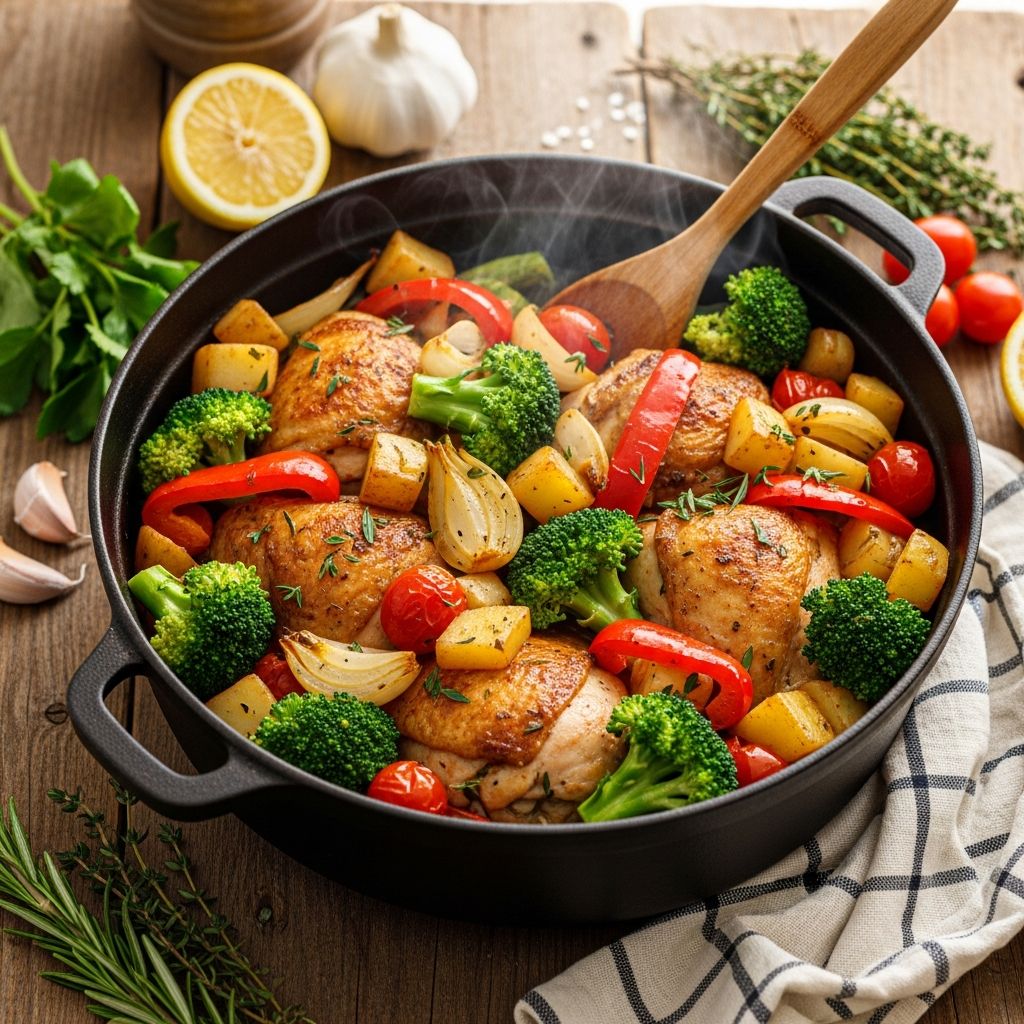
One-pot meals are a powerful way to simplify your life, reduce stress at dinner time, and keep your grocery budget under control. With the right strategies and recipes, you can get a complete, satisfying meal on the table with minimal prep, minimal cleanup, and maximum savings.
Why one-pot meals are a smart money move
Cooking at home instead of relying on takeout or restaurants is one of the most effective ways to save on food costs, especially as food prices have risen in recent years according to government inflation data. One-pot dishes make home cooking more realistic on busy days because they reduce the time and energy required to get a meal done.
Here are the key benefits of building more one-pot recipes into your weekly routine:
- Less cleanup: Using just one pot, pan, or baking dish means fewer dishes to wash and less time spent in the kitchen after eating.
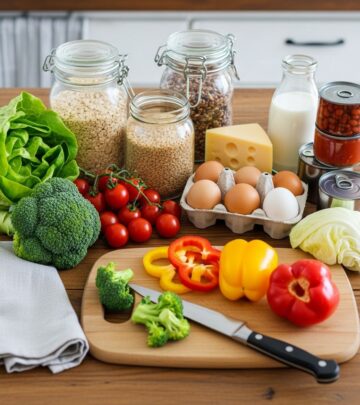
- Lower grocery spending: One-pot recipes often use pantry staples, seasonal produce, and affordable proteins like beans, eggs, and chicken thighs, which can significantly cut your food budget.
- Reduced food waste: These meals are perfect for using up leftover vegetables, bits of meat, and grains that might otherwise be thrown away.
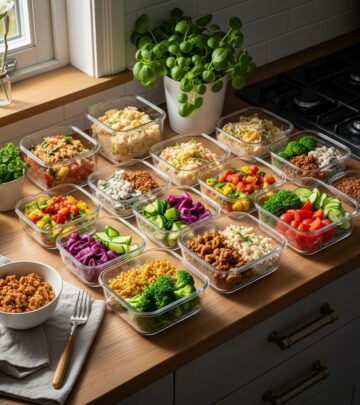
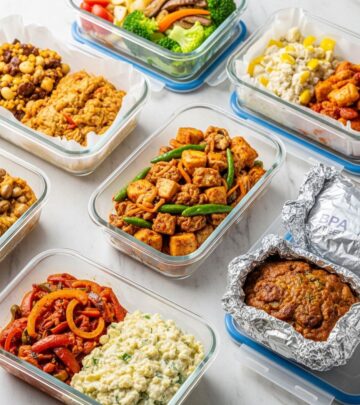
- Portion control and meal prep: One big pot can be portioned out for lunches or dinners later in the week, helping you avoid expensive convenience foods.
- Beginner-friendly: Most one-pot meals are straightforward, making them ideal if you are still building confidence in the kitchen.
What exactly is a one-pot meal?
A one-pot meal is a dish where the main components of the meal (protein, carbohydrates, and vegetables) are cooked together in a single piece of cookware—such as a pot, skillet, Dutch oven, or slow cooker.
Key characteristics of one-pot meals include:
- Everything cooks together in one pot, pan, or dish.
- The meal includes at least one source of protein, some carbohydrates, and ideally vegetables.
- Minimal additional sides are needed, aside from simple items like a salad or bread.
This approach is especially useful for meal planning, which research shows can help people stick to healthier diets and avoid impulse food purchases.
How one-pot meals help you save time
Time is one of the biggest barriers to cooking at home. One-pot meals can cut cooking time in several ways:
- Streamlined prep: Many recipes require basic chopping and then everything goes into the same pot in stages.
- Hands-off cooking: Once the pot is simmering or the dish is in the oven, you can step away to do other tasks.
- No juggling multiple pans: You do not need to coordinate separate pots for pasta, sauce, and vegetables.
- Faster cleanup: Fewer dishes and tools mean you can clean up in minutes.
By reducing the total time spent cooking and cleaning, one-pot recipes make it easier to maintain a consistent home-cooking habit, which correlates with lower food spending overall.
How one-pot meals help you save money
One-pot meals align well with budget-friendly eating strategies recommended by nutrition and consumer agencies, such as planning meals ahead, using what you have at home first, and buying versatile ingredients that work across multiple recipes.
Here is how they support lower spending:
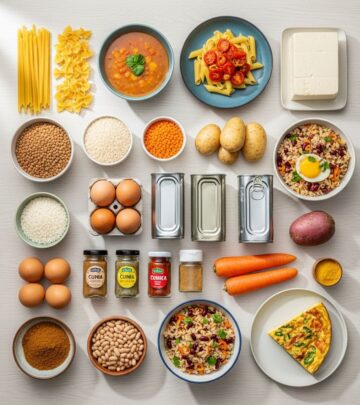
- Use of inexpensive staples: Ingredients like rice, lentils, pasta, beans, potatoes, and frozen vegetables are low-cost and filling.
- Stretching expensive items: A small amount of meat can be combined with beans and grains to make many servings.
- Intentional leftovers: Large one-pot batches can be used for lunch the next day instead of buying food at work.
- Flexible recipes: You can swap in what is on sale or what you already have, instead of buying new items for every recipe.
| Strategy | How one-pot meals help |
|---|---|
| Plan meals in advance | Build your weekly plan around 2–4 large one-pot recipes you can repeat as leftovers. |
| Use pantry staples | Most one-pot dishes rely on beans, grains, and canned items you may already own. |
| Reduce food waste | Toss leftover vegetables, cooked meats, or greens into soups, stews, and skillets. |
| Cook in bulk | Make a big pot of chili or curry once and eat it 2–3 times, instead of cooking daily. |
20 easy one-pot meal ideas
The following ideas mirror popular budget-friendly categories—like pastas, soups, skillet meals, and slow cooker dishes—so you can mix and match based on what your family enjoys and what fits your schedule.
1. One-pot pasta with vegetables
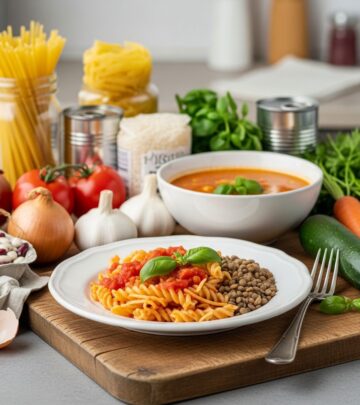
Why it works: Everything—pasta, sauce, and vegetables—cooks in a single pot with broth or water. The starch from the pasta creates a naturally silky sauce, so you do not need heavy cream or lots of cheese.
- Use any short pasta, canned tomatoes, onions, garlic, and mixed vegetables (fresh or frozen).
- Add beans or shredded leftover chicken for extra protein.
- Finish with a small amount of grated cheese or olive oil.
2. One-pan baked chicken and rice
This classic combination bakes in a single dish, with rice absorbing the flavors of the broth and chicken.
- Combine uncooked rice, broth, spices, and vegetables in a baking dish.
- Lay seasoned chicken thighs or drumsticks on top.
- Cover and bake until the rice is tender and the chicken is cooked through.
3. One-pot chili
A pot of chili is ideal for stretching your budget and feeding a crowd.
- Base ingredients: beans, tomatoes, onions, and spices like chili powder and cumin.
- Add ground meat if desired, or keep it vegetarian with extra beans and vegetables.
- Serve with simple toppings like shredded cheese or chopped green onions.
4. One-pot lentil or bean stew
Legume-based stews are filling and inexpensive, especially when made with dried lentils or beans.
- Simmer lentils or pre-cooked beans with broth, vegetables, and herbs.
- Use spices like paprika, turmeric, garlic, and pepper for flavor.
- Serve with a slice of bread or over rice.
5. Skillet stir-fry with rice or noodles
A large skillet or wok can be a one-pan solution.
- Cook your protein (chicken, tofu, or beef) first, then set aside.
- Stir-fry vegetables, then add cooked rice or noodles and a simple sauce.
- Return the protein to the pan and toss until heated through.
6. One-pot curry with rice
Simple curries are ideal for using pantry staples like coconut milk, canned tomatoes, and spices.
- Simmer onions, garlic, and curry spices in a pot.
- Add vegetables, beans, or chicken along with broth and coconut milk.
- Stir in pre-cooked rice or simmer uncooked rice directly in the curry if there is enough liquid.
7. Sheet-pan roasted dinner
Technically not a pot, but a sheet pan meal still counts as one main cooking vessel.
- Toss chopped vegetables and potatoes with oil and seasonings.
- Add sausages, chicken pieces, or tofu on the same pan.
- Roast until everything is browned and cooked through.
8. One-pot breakfast hash
Breakfast-for-dinner hashes are great for using leftovers.
- Cook diced potatoes in a skillet until browned.
- Add onions, peppers, and any leftover meats or vegetables.
- Crack eggs directly into the pan and cook until set.
9. Slow cooker soups and stews
A slow cooker makes one-pot cooking even easier, especially if you are out during the day.
- Add all ingredients—broth, vegetables, beans, and seasonings—to the slow cooker in the morning.
- Use tougher, inexpensive cuts of meat that become tender with long cooking.
- Come home to a ready-made soup, stew, or shredded meat for tacos.
10. One-skillet taco mixture
Taco night can be simplified into a single skillet.
- Brown ground meat or cook lentils with onion and garlic.
- Add taco seasoning, canned tomatoes, and beans.
- Serve in tortillas, over rice, or on top of salad greens.
11. One-pot chicken noodle soup
A comforting classic that uses affordable ingredients and freezes well.
- Simmer chicken, carrots, celery, and onions in broth.
- Remove the chicken to shred, then return to the pot.
- Add noodles and cook until tender.
12. One-pot risotto-style rice
You can get a creamy rice dish without constant stirring.
- Sauté onions and garlic in a pot with a bit of oil.
- Add rice and toast briefly, then add broth in larger amounts.
- Stir occasionally and add vegetables like peas or spinach near the end.
13. One-pan baked pasta
Baked pasta dishes can be assembled and cooked in the same dish.
- Mix uncooked pasta with sauce, water or broth, and vegetables in a baking dish.
- Stir in cooked sausage or beans if desired.
- Top with cheese and bake until the pasta is tender.
14. One-pot quinoa or grain bowls
Whole grains like quinoa, barley, or brown rice can be the base of nutrient-dense meals.
- Cook grains in broth for extra flavor.
- Stir in cooked beans, roasted vegetables, and herbs.
- Add a simple dressing or a squeeze of lemon at the end.
15. One-skillet frittata
Egg-based dishes are a budget-friendly way to get protein.
- Sauté vegetables and any leftover meat in an oven-safe skillet.
- Pour beaten eggs over the mixture.
- Cook on the stovetop briefly, then finish in the oven.
16. One-pot sausage and potatoes
A hearty, simple dinner using inexpensive ingredients.
- Brown sliced sausage in a pot or skillet.
- Add diced potatoes, onions, and spices.
- Pour in a little broth and simmer until the potatoes are tender.
17. One-pot tomato and white bean soup
This soup is ideal when you have canned tomatoes and beans on hand.
- Sauté onions and garlic, then add canned tomatoes and broth.
- Stir in white beans and any greens, such as spinach or kale.
- Simmer until flavors blend, then serve with bread.
18. One-pan salmon and vegetables
Fish can be part of a one-pan meal too.
- Spread vegetables like green beans, carrots, or broccoli onto a baking tray.
- Place salmon fillets on top, season, and drizzle with oil.
- Roast until the salmon is cooked and vegetables are tender.
19. One-pot macaroni and cheese with add-ins
Homemade macaroni and cheese can be made in one pot and turned into a full meal.
- Cook pasta directly in milk and water until tender.
- Stir in cheese to create the sauce.
- Add peas, broccoli, or leftover chicken for extra nutrition.
20. Clean-out-the-fridge one-pot soup
This flexible soup is perfect before grocery day or during a no-spend challenge.
- Start with broth, canned tomatoes, or even water plus bouillon.
- Add any leftover cooked grains, beans, and vegetables.
- Season generously and simmer until everything is heated through.
Tips for planning and budgeting with one-pot meals
To get the most benefit from one-pot recipes, connect them to your overall food budget and meal plan.
- Plan around sales: Check grocery store flyers and build your one-pot meals around discounted items like chicken, beans, or seasonal produce.
- Reuse ingredients across recipes: For example, buy a bag of carrots and use them in a soup, a stir-fry, and a sheet pan meal.
- Cook once, eat twice: Intentionally double a one-pot recipe so you have lunches or a second dinner ready.
- Store safely: Cool leftovers quickly, refrigerate promptly, and follow food safety guidance to avoid waste.
- Track costs: Estimate the total cost of a pot of chili or stew and divide by the servings to see how affordable it is per meal.
Simple one-pot meal planning example
Here is a sample three-day dinner plan using one-pot dishes to show how you can reuse ingredients and keep costs low.
| Day | Dinner | Reused ingredients |
|---|---|---|
| Day 1 | One-pot pasta with vegetables and beans | Pasta, canned tomatoes, mixed vegetables, beans |
| Day 2 | Sheet-pan roasted chicken and potatoes | Remaining potatoes, carrots, onions from Day 1 shopping |
| Day 3 | Clean-out-the-fridge soup | Leftover chicken, vegetables, and beans from previous days |
Frequently Asked Questions (FAQs)
Q: Are one-pot meals healthy?
A: One-pot meals can be very healthy when they include lean proteins, whole grains, and plenty of vegetables. Nutrition guidance generally recommends balancing these components and limiting added salt and saturated fat.
Q: Do I need special cookware to make one-pot meals?
A: No. A basic large pot, a deep skillet, or a slow cooker is enough to make most recipes. If you have a Dutch oven or an oven-safe skillet, that gives you even more flexibility, but it is not required.
Q: How can I keep one-pot meals from becoming boring?
A: Rotate different cuisines (for example, chili one week, curry the next), vary your grains and proteins, and use spices and sauces to change the flavor profile while still relying on similar low-cost base ingredients.
Q: Can I freeze one-pot meals?
A: Many one-pot meals freeze well, especially soups, stews, chilis, and curries. Let the food cool, portion it into airtight containers, label with the date, and freeze. Avoid freezing dishes with a lot of cream or delicate vegetables, as their texture may change.
Q: How do one-pot meals fit into a no-spend or low-spend week?
A: They are ideal because you can build them entirely from what you already have—canned goods, dry grains, and leftover vegetables. Planning meals around existing pantry items is a key strategy in no-spend challenges.
References
- Consumer Price Index – Average Food Prices — U.S. Bureau of Labor Statistics. 2024-06-12. https://www.bls.gov/cpi/
- Stretching Your Food Dollar — U.S. Department of Agriculture (USDA). 2022-03-01. https://www.usda.gov/sites/default/files/documents/stretching-your-food-dollar.pdf
- A no-spend week, starting in the kitchen — Salon / Ashlie D. Stevens. 2026-01-11. https://www.salon.com/2026/01/11/a-no-spend-week-starting-in-the-kitchen/
- Meal Planning, Shopping, and Budgeting — U.S. Department of Agriculture, MyPlate. 2023-05-15. https://www.myplate.gov/eat-healthy/meal-planning-budget
- Save Money and Shop Smart — U.S. Department of Agriculture, SNAP-Ed. 2022-09-09. https://www.snaped.fns.usda.gov/nutrition-education/saving-money
- Food Safety: Leftovers and Food Safety — U.S. Department of Agriculture, Food Safety and Inspection Service. 2023-02-22. https://www.fsis.usda.gov/food-safety/safe-food-handling-and-preparation/leftovers-and-food-safety
Similar Articles








Read full bio of medha deb