Earnest Money: Definition, Purpose, and How It Works
Complete guide to earnest money deposits in real estate transactions and their role.

What is Earnest Money?
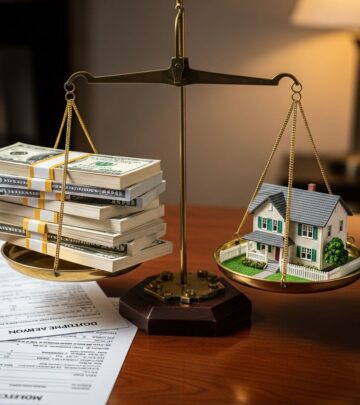
Earnest money is a deposit that homebuyers provide when making an offer to purchase a property. This financial commitment demonstrates to the seller that the buyer is acting in good faith and is serious about completing the purchase. Also known as a “good faith deposit,” earnest money serves as a tangible show of intent and commitment to the transaction.
When a buyer submits an offer to purchase a home, the amount of earnest money is specified in the purchase agreement. Unlike paying the seller directly, the earnest money deposit is sent to a neutral third party—typically a title company, escrow company, real estate brokerage, or law firm—that holds and protects these funds throughout the transaction process. This arrangement ensures that neither party can access the money until specific conditions are met or the deal closes.
The earnest money ultimately becomes part of your financial obligation toward the property. If the sale proceeds to closing, the escrow agent applies the earnest money directly toward your down payment or closing costs. However, if you withdraw from the agreement without a valid contingency, the seller typically retains the deposit as compensation for taking the property off the market.
Why is Earnest Money Required?
Earnest money exists to protect the seller’s interests during a real estate transaction. When a seller accepts an offer and receives earnest money, they remove the property from the market and stop considering other potential buyers. This action represents a significant commitment from the seller’s perspective.
If a buyer decides to back out of the deal for reasons not covered by contingencies—such as finding another property they prefer or simply having second thoughts—the seller compensates for the disruption by keeping the earnest money. The lost time during which the home was off the market could represent valuable selling opportunities, especially in competitive real estate markets.
From the buyer’s perspective, earnest money demonstrates financial preparedness and serious intent. Sellers are more likely to negotiate favorably with buyers who provide substantial earnest money deposits, as this signals genuine commitment and the ability to access capital. In markets with multiple offers on a single property, a higher earnest money deposit can make your offer more competitive and attractive to the seller.
How Much Earnest Money is Typical?
The amount of earnest money varies based on several factors, primarily the purchase price and local market conditions. Here’s what you should know about earnest money amounts:
Standard Percentage Range: Earnest money typically falls between 1% and 5% of the purchase price. In many markets, buyers can expect to provide between 1% and 3% of the sale price. For example, on a $400,000 home purchase, earnest money might range from $4,000 to $12,000.
Market-Dependent Variations: In a seller’s market where demand exceeds supply and multiple offers are common, higher earnest money deposits are standard practice. Sellers naturally favor offers with more substantial deposits, as this reduces their perceived risk. Conversely, in a buyer’s market with less competition, lower earnest money amounts may be acceptable.
Rounded Amounts: Many transactions use rounded numbers for earnest money deposits, such as $5,000, $10,000, or $15,000, rather than calculating exact percentages. This practice simplifies transactions while still demonstrating commitment.
Negotiation: Earnest money amounts are negotiable between buyers and sellers as part of the offer process. Your real estate agent will provide guidance on appropriate amounts based on local market conditions and comparable transactions in your area. In competitive markets, offering more earnest money can incentivize sellers to accept your offer or remain flexible on other contract terms.
When and How to Pay Earnest Money
The timing and method of earnest money payment are specified in your purchase agreement. Generally, earnest money must be provided immediately or soon after the purchase contract is signed. The timeline varies by market and agreement but typically ranges from 24 hours to several days after contract acceptance.
Payment Method: Earnest money is never paid directly to the seller. Instead, it is submitted to a designated neutral third party that serves as a stakeholder. Acceptable recipients include title companies, escrow companies, real estate brokerages, or law firms. This arrangement protects both parties and ensures the funds are held safely until appropriate release conditions are met.
Escrow Account: Once received, the earnest money is deposited into an escrow account where it remains untouched until the transaction concludes or specific conditions trigger its release. The escrow agent holds the funds according to the terms outlined in the purchase contract and applicable state law.
Earnest Money and Contingencies
One of the most important aspects of earnest money is understanding how contingencies protect your deposit. A contingency is a condition in your purchase agreement that allows you to cancel the contract and recover your earnest money if specific requirements are not met.
Home Inspection Contingency: This allows you to have a professional home inspector examine the property’s condition. If the inspection reveals unsatisfactory conditions—such as structural damage, faulty plumbing, electrical issues, or other defects—you have the right to terminate the agreement and retrieve your earnest money deposit.
Appraisal Contingency: This protects you if a third-party appraiser determines the property is worth less than the agreed purchase price. If the appraised value comes in lower than what you’re paying, you can negotiate a lower price or cancel the contract and recover your earnest money.
Financing Contingency: Even if you’re pre-approved for a mortgage, financing isn’t guaranteed. A financing contingency allows you to exit the agreement without losing your earnest money if your mortgage application is denied or if the lender’s conditions become unacceptable. Pre-approval doesn’t guarantee final loan approval, making this contingency essential for buyer protection.
Existing Home Sale Contingency: If you need to sell your current home before purchasing a new one, this contingency protects your earnest money. If you cannot sell your existing property by the deadline specified in the offer, you can back out of the new purchase agreement and recover your deposit.
Understanding these contingencies is crucial because they determine when you can safely exit a transaction without forfeiting your earnest money. Your real estate agent can help you identify which contingencies are appropriate and standard for your market.
What Happens to Earnest Money at Closing
The disposition of earnest money depends on whether the transaction proceeds to completion. When the sale closes successfully, the escrow agent releases the earnest money to the seller and applies it toward your down payment and closing costs. This application reduces the amount you need to bring to the closing table.
If the earnest money is greater than your down payment and closing costs combined, any excess is typically credited back to you or applied to other aspects of the purchase. Conversely, if your down payment and closing costs exceed the earnest money amount, you’ll need to provide additional funds at closing.
The purchase contract specifies exactly how the escrow agent should release the earnest money if the purchase falls through. If you invoke a valid contingency—such as failing inspection, low appraisal, or mortgage denial—you should receive your earnest money back fully, as specified in the contract. However, if you breach the agreement for reasons not protected by contingencies, the seller typically retains the deposit.
Earnest Money vs. Down Payment: Key Differences
While both earnest money and down payments involve money you provide as a buyer, they serve different purposes and are treated differently throughout the transaction.
Earnest Money is a relatively small deposit (typically 1-5% of purchase price) provided early in the transaction to demonstrate good faith commitment. It’s held in escrow and applied toward your down payment if the deal closes. If contingencies are triggered, you can recover it. If you back out without a valid reason, you lose it.
Down Payment is the larger sum you contribute toward the property’s purchase price at closing (typically 3-20% or more of the purchase price). It represents your equity stake in the property and is required to secure mortgage financing. The down payment is paid directly to the seller’s lender and closing agent at closing.
In practice, earnest money is credited toward your down payment. A $10,000 earnest money deposit on a $400,000 purchase reducing your down payment obligation by that amount, so if you planned a 20% down payment ($80,000), you would now only need to provide $70,000 additional funds at closing.
Making Your Offer More Competitive
In competitive real estate markets with multiple offers, earnest money can be a powerful negotiating tool. A higher earnest money deposit signals to sellers that you’re a serious, qualified buyer with available funds. This can make your offer stand out among competing bids.
Consider offering earnest money above the local average if the property is desirable and you’re competing against other buyers. A buyer who offers 3-4% earnest money instead of the typical 2% demonstrates exceptional commitment. However, balance this strategy with other offer components like price, contingencies, and closing timeline to create a comprehensive, attractive offer.
Your real estate agent should guide you on appropriate earnest money amounts for your specific market and property. In some areas, standard practices are well-established, while in others, amounts vary significantly based on property type and market conditions.
Common Questions About Earnest Money
Q: Can earnest money be applied to closing costs instead of down payment?
A: Yes, buyers and sellers can agree to apply earnest money toward either the down payment or closing costs. The specific application should be negotiated as part of your offer.
Q: What if I have a contingency but still want to back out?
A: If you invoke a valid contingency properly and within the timeframe specified in the contract, you should be able to recover your earnest money. However, if you attempt to use a contingency when it doesn’t legitimately apply, the seller could dispute the claim.
Q: Is earnest money required in every real estate transaction?
A: While earnest money is standard practice in most real estate markets, it’s technically negotiable. However, most sellers won’t seriously consider offers without earnest money deposits, and the practice is nearly universal in residential real estate transactions.
Q: How do I ensure my earnest money is safe?
A: Always insist that earnest money be held by a reputable third party—never pay directly to the seller. Verify that the escrow company or title company is properly licensed and insured in your state.
Q: Can earnest money be forfeited without a reason?
A: If you back out of the contract without a valid reason or contingency protection, the seller typically keeps the earnest money. This is why carefully considering contingencies is important before making an offer.
Q: What happens to earnest money if the seller backs out?
A: If the seller terminates the contract or fails to perform, you should receive your earnest money back in full. The purchase contract specifies the conditions under which each party can recover or forfeit the deposit.
References
- What is earnest money? — Synovus. Accessed November 2025. https://www.synovus.com/personal/resource-center/home-ownership/what-is-earnest-money/
- What is Earnest Money and How Much Should You Expect to Pay? — PNC. Accessed November 2025. https://www.pnc.com/insights/personal-finance/borrow/what-is-earnest-money.html
- What is earnest money and how much is enough? — Rocket Mortgage. Accessed November 2025. https://www.rocketmortgage.com/learn/earnest-money
- What is earnest money, and how much do you need? — Wells Fargo. Accessed November 2025. https://www.wellsfargo.com/mortgage/learn/earnest-money/
- Earnest Money & Escrow Real Estate — National Association of Realtors. Accessed November 2025. https://www.nar.realtor/escrow-accounts-earnest-money
- earnest payment — Legal Information Institute, Cornell Law School. June 2021. https://www.law.cornell.edu/wex/earnest_payment
Similar Articles








Read full bio of medha deb