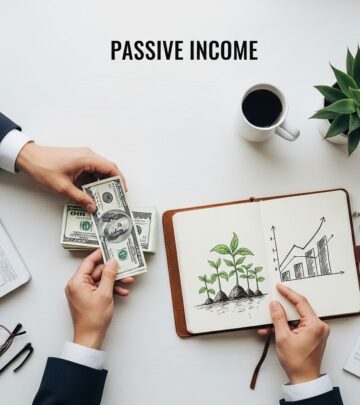
Earn Income Without Traditional Employment
Discover proven strategies to generate revenue streams independently of a 9-to-5 job, leveraging skills, assets, and smart investments.

Generating revenue outside conventional employment offers flexibility and potential for financial growth. This approach encompasses passive streams that require minimal ongoing effort after initial setup, alongside active pursuits that fit irregular schedules. Key methods include investing in dividend-paying assets, creating digital content for repeated sales, renting personal possessions, and participating in the gig economy through platforms that match skills with demand.
Understanding Non-Traditional Revenue Models
Non-traditional income diverges from salary-based paychecks by emphasizing scalability and autonomy. Passive options, such as interest-bearing accounts or automated investments, build wealth over time with little daily involvement. Active models, like freelance services or short-term tasks, provide quicker cash flow but demand more direct participation. Diversifying across both minimizes risks associated with market fluctuations or platform changes.
Success hinges on aligning methods with personal resources: time availability, startup capital, and existing expertise. For instance, those with creative talents might excel in content monetization, while others with savings could prioritize investments. Recent trends show a surge in digital and remote opportunities, driven by widespread internet access and app-based marketplaces.
Investment-Driven Passive Streams
Investments form the cornerstone of hands-off income, where capital works independently to produce returns. These require upfront funds but offer compounding benefits.
- Dividend Stocks and ETFs: Purchasing shares in stable companies yields regular payouts from profits. ETFs provide diversification, reducing risk through broad market exposure. Historical data indicates consistent performers deliver 2-5% annual yields.
- Real Estate Investment Trusts (REITs): These pooled funds own income-generating properties, distributing rental profits to shareholders quarterly. They bypass direct property management while capturing real estate appreciation.
- High-Yield Savings and CDs: Parking money in FDIC-insured accounts earns interest with zero volatility. Current rates often exceed 4-5%, ideal for conservative earners.
A comparison of these options highlights trade-offs:
| Method | Startup Cost | Risk Level | Potential Yield |
|---|---|---|---|
| Dividend Stocks/ETFs | Medium ($1,000+) | Medium | 3-6% |
| REITs | Low ($500+) | Medium | 4-7% |
| High-Yield Savings/CDs | Low ($100+) | Low | 4-5% |
Platforms like robo-advisors automate portfolio management, optimizing for passive growth.
Leveraging Assets for Rental Revenue
Monetizing owned items turns idle possessions into profit centers. This category suits those with underutilized space or equipment.
- Property and Room Rentals: Platforms facilitate short-term bookings for homes or spare rooms, capitalizing on travel demand. Hosts earn 5-10% occupancy-adjusted returns after fees.
- Vehicle and Equipment Sharing: Rent cars, tools, or gear via peer networks. A single vehicle can generate $200-500 monthly with periodic use.
- Storage Space Leasing: Convert garages or basements into storage units for locals, yielding steady fees with minimal oversight.
Local regulations and insurance verification are crucial to mitigate liabilities. Automation tools handle bookings and payments, enhancing passivity.
Digital Creation and Online Marketplaces
The internet enables one-time creations to sell indefinitely, ideal for knowledge workers and artists.
- Digital Products like E-books and Templates: Author guides or design printables for platforms hosting automated sales. Royalties accrue per download, with top sellers earning thousands monthly.
- Print-on-Demand Merchandise: Upload designs for apparel or accessories; providers manage production and shipping. Low entry barriers make it beginner-friendly.
- Stock Media Licensing: Sell photos, videos, or music for royalties on usage, building catalogs that generate ongoing income.
Marketing via social channels amplifies reach, but quality content drives sustainability.
Affiliate and Content Monetization Strategies
Building an audience unlocks commissions from recommendations and ads.
- Affiliate Marketing: Promote products through unique links on blogs or social media, earning 5-30% per referral. Established sites convert at higher rates.
- Content Platforms (Blogs, YouTube): Ad revenue, sponsorships, and memberships reward consistent posting. Evergreen topics ensure long-term views.
Initial audience growth demands effort, but algorithms favor quality, leading to passive accrual.
Gig Economy and Skill-Based Opportunities
For immediate earnings, platforms connect providers with clients flexibly.
- Freelance Services: Offer writing, design, or consulting on demand. Top freelancers bill $50-200 hourly.
- Task-Based Gigs: Complete errands, deliveries, or virtual assistance via apps, fitting variable schedules.
- Teaching and Tutoring: Share expertise online, with platforms handling student matching.
These transition to passive by productizing services into courses.
Advanced Options: Lending and Business Ventures
Higher-reward paths involve calculated risks.
- Peer-to-Peer Lending: Fund loans for interest returns of 5-10%, diversified across borrowers.
- Semi-Absentee Businesses: Invest in franchises or vending machines managed remotely.
Due diligence on platforms prevents defaults.
Practical Steps to Launch Your Streams
- Assess Resources: Inventory skills, assets, and capital.
- Research Platforms: Compare fees, reviews, and payouts.
- Start Small: Test one method before scaling.
- Track and Optimize: Use apps for income monitoring and tax prep.
- Diversify: Combine 3-5 streams for stability.
Tax implications vary; consult professionals for deductions on business expenses.
Frequently Asked Questions
How much can I realistically earn starting with no job?
Beginners might see $500-2,000 monthly within 6 months via gigs and digital sales, scaling to $5,000+ with investments.
Are these methods truly passive?
Most require upfront work; true passivity emerges post-setup, like royalties or dividends.
What risks should I watch for?
Market volatility, platform policy changes, and scams; diversify and research thoroughly.
Do I need much money to begin?
No—many start under $1,000 with skills-based or digital options.
How do taxes work on this income?
Report all earnings; self-employment tax applies to gigs, capital gains to investments.
Overcoming Common Challenges
Motivation dips and skill gaps hinder progress. Set micro-goals, like one product weekly, and leverage free resources for learning. Community forums provide support without formal employment ties.
References
- Your Complete Guide to Building Passive Income in 2026 — Entrepreneur. 2026. https://www.entrepreneur.com/money-finance/your-complete-guide-to-building-passive-income-in-2024/468001
- Passive Income 2026: Complete Guide — The Land Geek. 2025. https://www.thelandgeek.com/blog-passive-income-2026/
- 12 Realistic Passive Income Ideas for 2026 — Salons by JC Franchising. 2026. https://salonsbyjcfranchising.com/passive-income-ideas-guide/
- 11 Passive Income Ideas to Increase Your Cash Flow in 2026 — Coursera. 2026. https://www.coursera.org/articles/passive-income
- 18 Passive Income Ideas: How Much Can You Make? — NerdWallet. 2026. https://www.nerdwallet.com/investing/learn/what-is-passive-income-and-how-do-i-earn-it
Similar Articles








Read full bio of medha deb