Early Payment Delays and Credit Score Impact
Understanding how minor payment delays affect your financial health

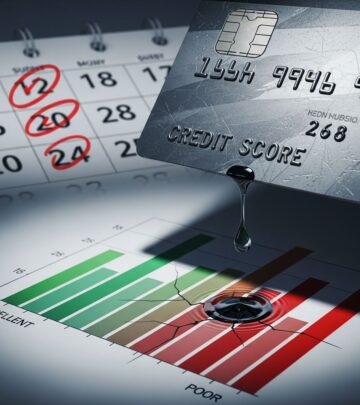
When you miss a payment deadline, immediate concerns often center on whether this oversight will damage your credit score. For many people, the anxiety about credit consequences begins the moment they realize a payment is late. However, the relationship between early payment delays and credit damage is more nuanced than many realize, with a specific window of time before negative marks actually appear on your credit record.
The Critical First 30 Days: When Credit Bureaus Take Notice
One of the most important distinctions in understanding payment delinquency involves recognizing that credit bureaus do not immediately report payment delays to your credit file. Most creditors maintain a grace period before flagging your account as problematic to the three major credit reporting agencies—Equifax, Experian, and TransUnion. This grace period typically extends to the 30-day mark following your missed payment deadline.
During this initial month, your account status remains coded as “current” in the credit reporting system, even though your payment is technically overdue. This means a payment that is seven days late, or even fourteen days late, will not appear as a delinquency on your credit report and therefore will not negatively impact your credit score during this window. The credit bureaus use a standardized coding system where accounts are only flagged as delinquent once they reach the 30-days-late threshold.
Immediate Financial Consequences You May Face
While your credit score may remain unaffected during the first week or two of a late payment, financial penalties can begin accumulating immediately. Understanding these consequences is crucial for managing your overall financial health:
- Late Fees: Creditors typically assess late fees as soon as a payment passes the due date, regardless of whether the delay is one day or seven days. These fees vary by creditor and account type but can range significantly.
- Interest Rate Adjustments: Some lenders may increase your interest rate even for minor delays. Credit card companies, for example, may cancel promotional rates such as zero-percent introductory periods if you miss a payment by even a single day.
- Penalty APR Application: Repeated or significant late payments can trigger a penalty annual percentage rate, which substantially increases your borrowing costs on the affected account.
- Account Suspension: Certain creditors may temporarily suspend your account privileges, preventing you from making new charges or accessing credit until the payment is brought current.
The 30-Day Threshold: Where Reporting Actually Begins
The transformation from a minor inconvenience to a reportable delinquency occurs at the 30-day mark. Once your payment reaches 30 days past due, creditors typically begin the reporting process to credit bureaus. This is a significant milestone because it marks the moment when negative information enters your permanent credit record.
When a payment is reported as 30 to 59 days past due, your credit report will display this delinquency status, and your credit score will begin to decline. The magnitude of this decline depends on several factors, including your current credit score, the overall composition of your credit profile, and which credit scoring model is being used. According to major credit bureaus, a first-time 30-day late payment can reduce your score by approximately 100 points or more, depending on your starting score and the specific scoring algorithm applied.
Payment History’s Significant Role in Credit Scoring
To understand why the 30-day threshold matters so much, it’s essential to recognize payment history’s weight in credit score calculations. Payment history comprises 35% of most FICO scores, making it the single most important factor in determining your creditworthiness. This substantial percentage means that any negative mark on your payment history carries considerable weight in how lenders perceive your reliability.
Different credit scoring models weight payment history differently. VantageScore, an alternative scoring model, allocates 40-41% of the score to payment history, making it even more dominant in that calculation system. The implication is clear: maintaining a perfect or near-perfect payment record is fundamental to maintaining a strong credit score.
Escalating Consequences as Delinquency Deepens
Understanding the progression of late payment consequences helps clarify why acting quickly is so important:
| Delinquency Stage | Timeline | Credit Report Impact | Potential Consequences |
|---|---|---|---|
| Grace Period | 1-29 days late | No credit bureau reporting | Late fees, interest rate increases, potential penalty APR |
| Initial Reporting | 30-59 days past due | Reported as delinquent; credit score begins declining | Credit score drop of 100+ points; increased rates; collection calls |
| Escalated Delinquency | 60-89 days past due | Continued credit damage; further score reduction | Potential account closure; higher interest rates; collection agency contact |
| Severe Delinquency | 90-119 days past due | Significant negative entry; substantial score impact | Collection agency involvement; possible account charge-off; legal action consideration |
| Critical Stage | 120+ days past due | Likely charge-off status; severe credit damage | Charge-off recorded; account sent to collections; credit severely compromised |
The Seven-Day Payment Delay: Specific Analysis
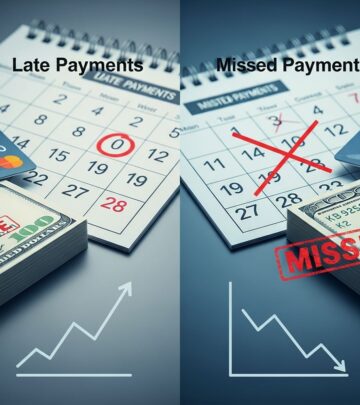
Addressing the specific scenario of a seven-day payment delay provides clarity for those in this exact situation. A payment made seven days after the due date will not appear on your credit report and will not damage your credit score. However, you should anticipate other immediate financial consequences. Your creditor will likely assess a late fee, and depending on your account terms, may adjust your interest rate or apply other penalties outlined in your cardholder agreement.
This seven-day window represents a critical opportunity window. By bringing your payment current within this timeframe, you avoid the cascade of credit damage that occurs after 30 days. The key distinction is that while credit score damage has not yet occurred, financial penalties have likely been applied, making it important to address the missed payment promptly.
How Recent Late Payments Affect Your Score Differently
A crucial principle in credit scoring involves the recency of negative items. Recent late payments damage your credit score far more significantly than older delinquencies, even if the older ones are more severe. This means a recent 30-day late payment will hurt your score more than a 90-day late payment from several years ago. This recency-weighted approach incentivizes lenders to see current behavior as more predictive of future reliability than past behavior.
This recency principle also offers hope for credit recovery. As time passes, even serious delinquencies gradually lose their negative impact, though they remain on your credit report for seven years from the date of the missed payment.
Taking Action: Steps to Protect Your Credit
If you find yourself facing a missed payment, several actions can help minimize damage:
- Contact Your Creditor Immediately: Reach out to your lender before the payment becomes severely delinquent. Many creditors offer hardship programs, payment deferrals, or alternative arrangements for customers experiencing temporary financial difficulties.
- Make the Payment Within 30 Days: The most critical deadline is the 30-day mark. Paying any time before reaching this threshold prevents credit bureau reporting and protects your credit score from the most significant damage.
- Request Late Fee Waiver: Depending on your history with the creditor and your explanation, you may be able to negotiate a waiver of late fees, especially for a first-time occurrence.
- Understand Your Account Terms: Review your credit card agreement or loan documents to understand exactly what penalties apply for late payments and whether any grace periods exist beyond the standard reporting timeline.
- Set Up Payment Reminders: Utilize calendar alerts, automatic payment drafts, or banking tools to help ensure future payments are made on time.
Long-Term Impact: How Late Payments Persist
Late payments remain on your credit report for seven years from the original delinquency date. This extended presence means the consequences of missed payments extend far beyond the immediate financial penalties. During this seven-year period, the late payment will continue to influence your credit score, though its impact diminishes over time.
The seven-year timeframe exists because credit bureaus use a standardized reporting system established by the Fair Credit Reporting Act. After seven years, the delinquency is removed from your credit report, and your score calculation no longer reflects this negative mark. However, some account types, such as Chapter 7 bankruptcy filings, can remain on your report for up to ten years.
Special Considerations for Different Credit Types
The impact of late payments can vary depending on the type of account. Credit cards may show different reporting timelines than mortgage or auto loans, though the 30-day reporting threshold generally applies across most consumer credit accounts. Secured loans backed by collateral may result in more severe consequences than unsecured debt, as lenders have additional recourse options. Medical debt, which is increasingly treated differently by credit scoring models, may also have distinct reporting requirements.
Frequently Asked Questions
Will a seven-day late payment hurt my credit score?
No, a seven-day late payment will not appear on your credit report or negatively impact your credit score, as credit bureaus typically do not report delinquencies until they reach 30 days past due. However, you may face late fees and interest rate increases from your creditor.
What is the grace period before credit damage occurs?
The primary grace period extends to 30 days past the payment due date. During this window, credit bureaus do not report the delinquency, and your credit score remains unaffected, though financial penalties from your creditor may apply.
How much will my credit score drop after 30 days?
A first-time 30-day late payment can reduce your credit score by approximately 100 points or more, though the exact impact depends on your current score, credit history composition, and the scoring model used.
Can I recover my credit score after a late payment?
Yes. The impact of late payments diminishes over time, and as you establish a pattern of on-time payments following the delinquency, your credit score will gradually recover. The late payment remains on your report for seven years but becomes less influential as it ages.
Should I contact my creditor about a late payment?
Absolutely. Contacting your creditor promptly can open dialogue about payment options, potential fee waivers, or hardship programs. Many creditors are willing to work with customers who communicate proactively.
Building Resilience Against Future Payment Challenges
Understanding the timeline and consequences of late payments empowers you to make informed financial decisions. While a seven-day delay may not damage your credit score, it serves as a warning sign to reassess your financial management strategies. Implementing systems that ensure on-time payments—such as automatic transfers, calendar reminders, or payment apps—can help prevent future delinquencies.
The distinction between immediate financial penalties and longer-term credit score damage is crucial. By recognizing that you have approximately 30 days before credit bureau reporting occurs, you create an action window to address the missed payment before permanent damage occurs. This understanding, combined with proactive communication with creditors and commitment to future on-time payments, forms the foundation of sound credit management.
References
- How a Missed Payment Affects Your Credit Score — LendingTree. Accessed March 2026. https://www.lendingtree.com/credit-repair/how-missed-or-late-payment-affects-credit/
- Does a One Day Late Payment Affect Your Credit Score? — Experian. Accessed March 2026. https://www.experian.com/blogs/ask-experian/does-a-one-day-late-payment-affect-your-credit-score/
- When do late payments show up on your credit report? — Chase Bank. Accessed March 2026. https://www.chase.com/personal/credit-cards/education/build-credit/when-late-payments-show-up-on-credit-report
- How Does a Late Payment Affect Your Credit? — NerdWallet. Accessed March 2026. https://www.nerdwallet.com/finance/learn/late-bill-payment-reported
- How Long Do Late Payments Stay on Your Credit Report? — Citi. Accessed March 2026. https://www.citi.com/credit-cards/money-management/how-long-do-late-payments-stay-on-credit-report
- Does a Late Payment Affect Credit Score? — myFICO. Accessed March 2026. https://www.myfico.com/credit-education/faq/negative-reasons/late-payments
- When Does a Late Credit Card Payment Show Up on Credit Reports? — Equifax. Accessed March 2026. https://www.equifax.com/personal/education/credit-cards/articles/-/learn/when-late-credit-card-payments-post/
Similar Articles








Read full bio of Sneha Tete